
California is a land of unparalleled natural beauty, home to sun-drenched beaches, rugged deserts, majestic mountains, and, perhaps most famously, its ancient, towering redwood forests. These living giants inspire awe and a profound sense of wonder, drawing millions of visitors each year to witness their incredible scale and serene majesty. But for those dreaming of standing beneath these colossal trees, a crucial question arises: Where exactly are the redwoods in California? The answer, like the trees themselves, is nuanced and magnificent, encompassing vast stretches of the Pacific Coast and the elevated slopes of the Sierra Nevada mountain range.
This guide delves into the heart of California’s redwood country, differentiating between the two primary species – the coastal redwood and the giant sequoia – and pinpointing the best destinations to experience them. We’ll explore travel tips, accommodation options, and the unforgettable experiences that await amidst these ancient forests, ensuring your journey to see California’s redwoods is nothing short of extraordinary.
The Majestic Giants: Understanding California’s Redwoods
Before embarking on your redwood adventure, it’s essential to understand that when people speak of “redwoods” in California, they are generally referring to one of two distinct species, each with its unique habitat, characteristics, and record-breaking statistics. Both are members of the redwood family (Cupressaceae), but they thrive in different environments and possess slightly different claims to fame.
Coast Redwoods vs. Giant Sequoias: A Tale of Two Titans
The most common image that springs to mind for many is the Coast Redwood (Sequoia sempervirens). These are the tallest living things on Earth, often reaching heights of over 300 feet, with the tallest known specimen, Hyperion, soaring to an astonishing 380 feet. Coast redwoods thrive in the cool, moist, fog-laden climate of California’s Northern California coast, forming dense, cathedral-like groves that evoke a sense of timelessness. Their bark is a distinctive reddish-brown, fibrous, and incredibly thick, protecting them from fire. They live for thousands of years, regenerating readily from burls and fallen trees, forming “fairy rings” around the stumps of their ancestors.
In contrast, the Giant Sequoia (Sequoiadendron giganteum) holds the title for the most massive trees on Earth by volume. While not as tall as their coastal cousins, giant sequoias are broader, more voluminous, and possess an immense girth that makes them truly colossal. These magnificent trees are native to the western slopes of the Sierra Nevada range, thriving at elevations between 4,000 and 8,000 feet. Their reddish-orange bark is also thick and fire-resistant, and they require fire for their cones to open and release seeds, making prescribed burns a vital part of forest management. The most famous example, the General Sherman Tree in Sequoia National Park, is not only the largest living tree but also the largest living organism by volume on the planet.
Understanding this distinction is key to planning your trip, as the locations and environments where you’ll find these two types of redwoods are quite different.
Why Redwoods Matter: Ecology, History, and Awe
Beyond their impressive statistics, redwoods hold profound ecological and cultural significance. Ecologically, these forests are unique ecosystems, supporting a diverse array of plant and animal life. Their dense canopies create microclimates, and their immense size sequesters vast amounts of carbon dioxide, playing a critical role in climate regulation. Many species, from fungi to rare birds and amphibians, depend on the specific conditions created by redwood forests.
Historically, these forests have been a source of wonder and reverence for indigenous peoples for millennia. In the 19th and early 20th centuries, much of the old-growth redwood forests were logged, fueling the timber industry during California’s rapid expansion. The conservation movement, spearheaded by organizations like the Save the Redwoods League and the National Park Service, led to the establishment of numerous parks and preserves, protecting the remaining ancient groves for future generations. Visiting these trees is not just a recreational activity; it’s an immersive experience in natural history and a testament to the power of conservation. The sheer awe one feels standing beneath these ancient sentinels is an experience that transcends mere sightseeing, connecting visitors to a primal, enduring force of nature.
Prime Destinations: Where to Encounter California’s Redwood Forests
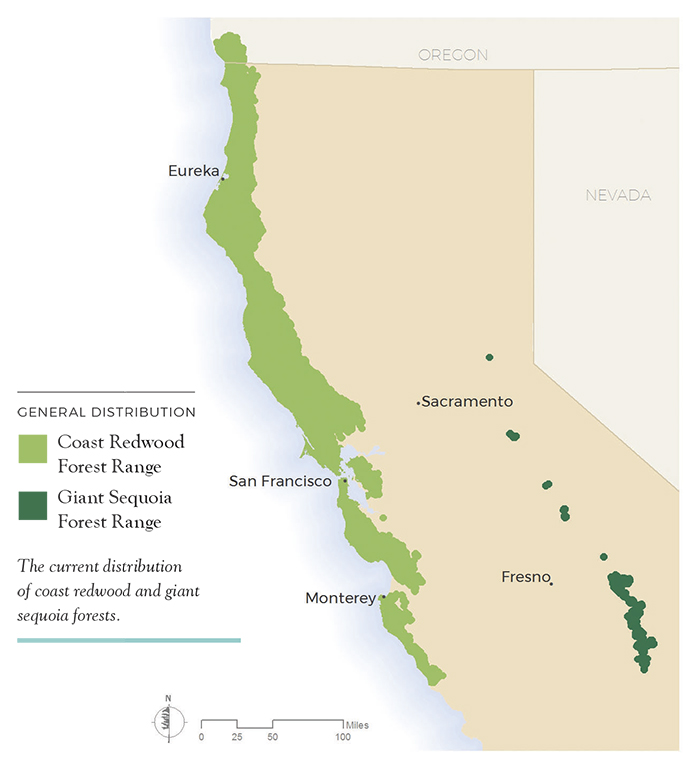
California’s redwood forests are concentrated in specific regions, offering distinct experiences depending on whether you seek the towering coastal giants or the massive inland sequoias.
Northern California’s Emerald Empire: The Coast Redwood Belt
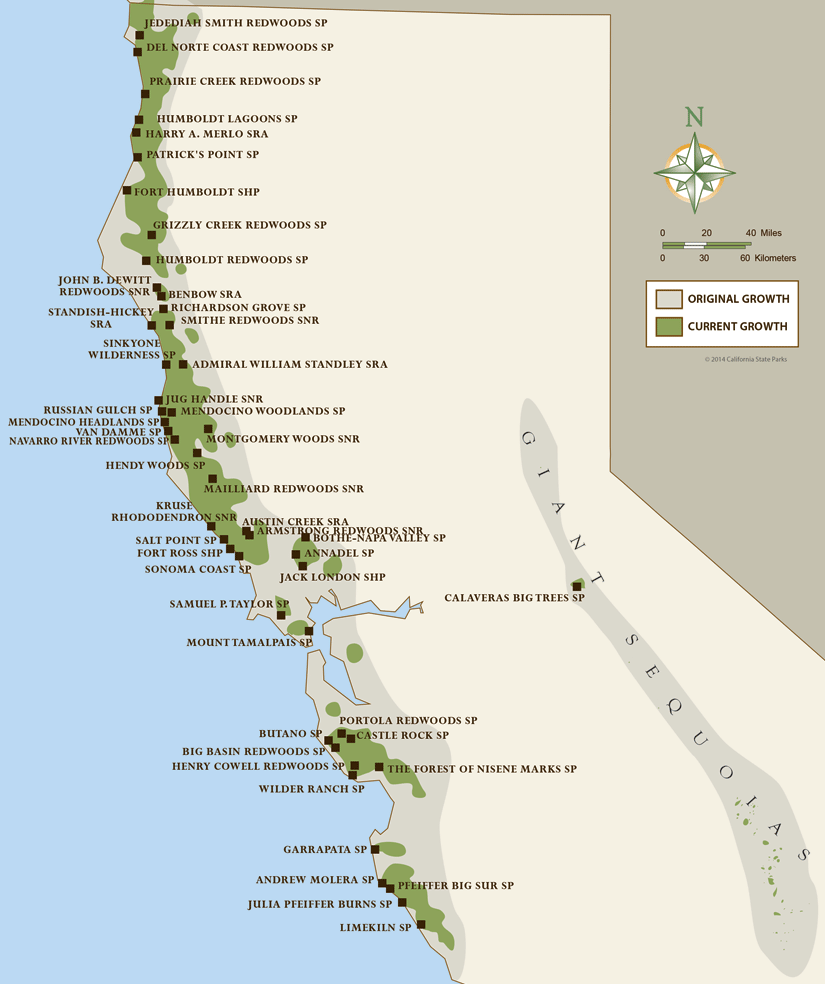
The vast majority of ancient Coast Redwood groves are found along the northern coast of California, extending into Southern Oregon. This region is often referred to as the “Redwood Empire” and offers some of the most spectacular and accessible opportunities to walk among these giants.
-
Redwood National and State Parks: This magnificent complex, a UNESCO World Heritage Site, is arguably the crown jewel of redwood conservation. Comprising Redwood National Park and three adjacent California State Parks (Jedediah Smith Redwoods State Park, Prairie Creek Redwoods State Park, and Del Norte Coast Redwoods State Park), it protects nearly half of all remaining old-growth coast redwoods. Here, you’ll find iconic trails leading to magnificent groves, scenic drives like the Newton B. Drury Parkway and the Newton B. Drury Parkway, and unique attractions like Fern Canyon, famously featured in Jurassic Park. Major towns for lodging and services include Crescent City to the north, and Orick, Arcata, and Eureka to the south.
-
Humboldt Redwoods State Park: Located south of the Redwood National and State Parks, this park is home to the famous Avenue of the Giants, a 31-mile scenic alternative to Highway 101. This drive meanders through some of the most impressive old-growth groves, including the Founder’s Grove and the Rockefeller Forest, which boasts the largest remaining contiguous old-growth redwood forest in the world. Charming small towns like Garberville and Miranda offer places to stay and dine.
-
Montgomery Woods State Natural Reserve: A smaller, more secluded option near Ukiah, perfect for those seeking a tranquil, less crowded experience amidst pristine old-growth redwoods.
Inland Giants: Exploring the Giant Sequoias
To witness the immense Giant Sequoias, you’ll need to venture inland to the Sierra Nevada mountains of Central California.
-
Sequoia National Park and Kings Canyon National Park: These two contiguous parks are often referred to as “the land of giants.” Sequoia National Park is home to the Giant Forest, which contains more giant sequoias than any other grove, including the iconic General Sherman Tree. Kings Canyon National Park boasts the Grant Grove, home to the General Grant Tree, the second-largest tree in the world and designated the “Nation’s Christmas Tree.” These parks offer extensive hiking trails, stunning mountain vistas, and a chance to experience the high Sierra Nevada wilderness. Gateway towns include Three Rivers (for Sequoia National Park) and Badger or Squaw Valley (for Kings Canyon National Park), with larger cities like Visalia and Fresno providing extensive services.
-
Yosemite National Park: While famous for its granite cliffs and waterfalls, Yosemite also hosts three groves of giant sequoias: the Mariposa Grove, Tuolumne Grove, and Merced Grove. The Mariposa Grove, located near the park’s south entrance, is the largest and most accessible, featuring over 500 mature giant sequoias. It’s an excellent option for those already planning a trip to Yosemite Valley. Nearby towns include Groveland and Sonora.
-
Calaveras Big Trees State Park: Situated north of Yosemite, this park protects two groves of giant sequoias and was the first area specifically set aside to preserve these magnificent trees. It offers easier access for a day trip from the San Francisco Bay Area or Sacramento compared to the more remote national parks.
Redwoods Closer to Urban Hubs
For those with limited time or seeking a redwood experience closer to California’s major cities, several parks offer accessible groves.
-
Muir Woods National Monument: Just a short drive north of San Francisco (near Sausalito), Muir Woods is one of the most popular and easily accessible coast redwood groves. While smaller and often crowded, it offers a magical introduction to these giants with paved and boardwalk trails, making it suitable for all ages and accessibility levels. Reservations for parking or shuttle are often required.
-
Big Basin Redwoods State Park: California’s oldest state park, located near Santa Cruz, was historically a magnificent destination for coast redwoods. Tragically, the CZU Lightning Complex Fire in 2020 devastated much of the park, including many ancient trees and facilities. While the park is undergoing a multi-year recovery and rebuilding effort, it is slowly reopening with limited access, offering a unique perspective on redwood resilience. Check the official California State Parks website for current access information before planning a visit.
-
Henry Cowell Redwoods State Park: Also near Santa Cruz, this park provides an excellent and more accessible alternative to Big Basin for experiencing old-growth coast redwoods, including a very accessible loop trail through a majestic grove.
Planning Your Redwood Adventure: Travel, Accommodation, and Experiences
Visiting California’s redwoods is more than just a trip; it’s an immersive experience that requires thoughtful planning to maximize your enjoyment and minimize your impact.
Crafting Your Itinerary: North, Central, or Both?
Your itinerary will largely depend on which type of redwood you prioritize and how much time you have.
- For Coast Redwoods: Focus on Northern California. A road trip along Highway 101, incorporating the Avenue of the Giants and the various units of Redwood National and State Parks, is a classic and highly recommended option. Allow at least 3-5 days to truly explore this region.
- For Giant Sequoias: Head to the Sierra Nevada parks. Sequoia and Kings Canyon National Parks can be combined into a 3-4 day trip, while Yosemite National Park requires several days on its own.
- Combining Both: For the ultimate redwood experience, a longer journey (7-10+ days) would be needed to travel from the coast to the Sierra Nevada, enjoying both species. Consider flying into San Francisco or Oakland, driving north to the coast redwoods, then heading east to the giant sequoias before flying out of Fresno or Sacramento.
Where to Stay: Hotels, Resorts, and Unique Accommodations
Accommodation options vary widely by location and budget:
- Within National and State Parks: National Park Lodges and campgrounds offer the most immersive experience. Book well in advance, especially for popular seasons. Examples include Wuksachi Lodge in Sequoia National Park or lodging near Yosemite Valley.
- Gateway Towns: Cities and towns surrounding the parks (like Eureka, Arcata, Crescent City, Garberville for coast redwoods; Three Rivers, Visalia, Fresno, Groveland for giant sequoias) offer a range of hotels, motels, and vacation rentals. You’ll find everything from budget-friendly options to more upscale resorts and charming boutique hotels.
- Unique Stays: Consider glamping, cabin rentals, or even a stay in a treehouse (though not typically within the ancient groves themselves, but nearby) for a truly memorable experience. Websites like Airbnb and VRBO can be excellent resources for finding unique private accommodations.
- Luxury Travel: For those seeking a more luxurious escape, there are high-end resorts in nearby cities that offer exquisite amenities and comfortable suites, providing a lavish base from which to explore the natural wonders.
Immersive Experiences: Hikes, Drives, and Local Delights
The best way to experience the redwoods is to get out among them.
- Hiking: Countless trails cater to all fitness levels, from easy boardwalk strolls (like the Big Tree loop in Henry Cowell Redwoods or the accessible trails in Muir Woods National Monument) to strenuous backcountry treks (such as those in the Tall Trees Grove in Redwood National Park or the High Sierra trails in Sequoia and Kings Canyon).
- Scenic Drives: The Avenue of the Giants is a must-do for coast redwoods, and the Generals Highway in Sequoia and Kings Canyon offers stunning sequoia views. Don’t miss opportunities for scenic overlooks and pullouts.
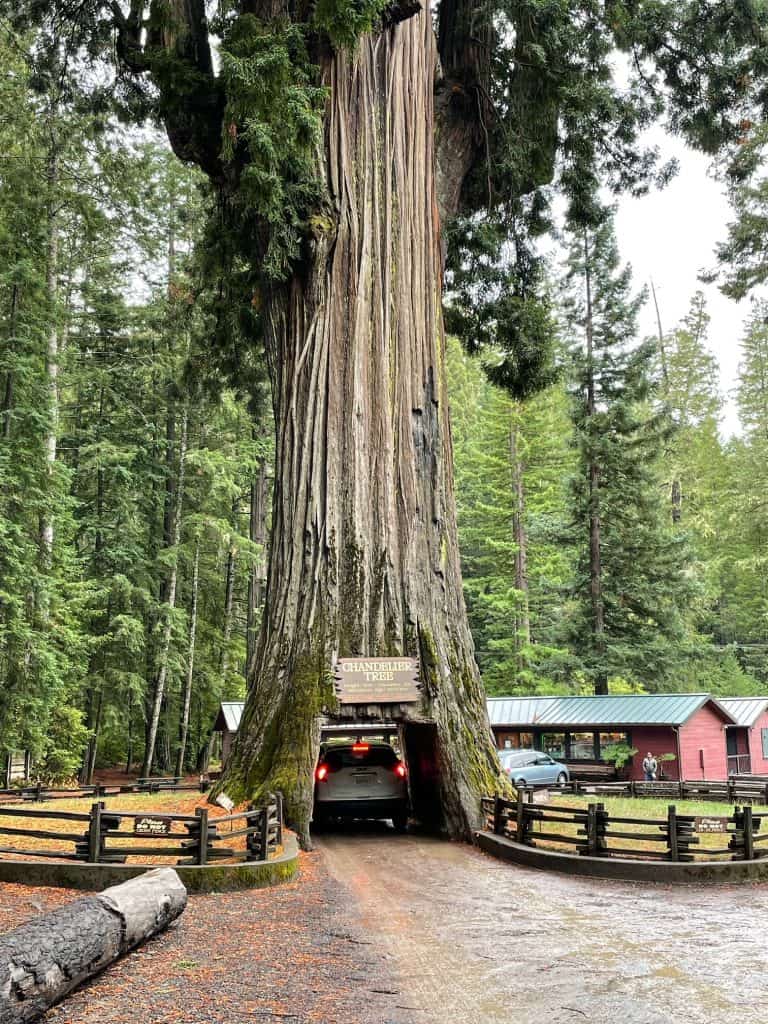
- Unique Attractions: Consider visiting the Trees of Mystery near Klamath, a quirky roadside attraction with impressive redwoods and Paul Bunyan statues. Drive-through trees (available in private parks like Chandelier Tree) offer a kitschy but fun experience.
- Local Culture and Food: Explore the charming towns along your route. Northern California coastal towns offer fresh seafood, local breweries, and artisan crafts. Near the Sierra Nevada parks, you might find more rustic mountain fare and local wineries. Embrace the unique local culture wherever you go.
Tips for a Memorable Redwood Visit
To ensure your redwood adventure is enjoyable, safe, and respectful of these ancient environments, keep a few key tips in mind.
Responsible Tourism and Conservation
- Leave No Trace: Practice the seven principles of Leave No Trace. Pack out everything you pack in, stay on marked trails, and minimize your impact on the delicate forest ecosystems.
- Respect Wildlife: Observe animals from a distance. Never feed wildlife, as it can harm them and lead to dangerous encounters.
- Stay Informed: Check park websites (e.g., National Park Service and California State Parks) for current conditions, trail closures, fire restrictions, and any reservation requirements (especially for Muir Woods).
- Support Conservation: Consider donating to organizations dedicated to redwood conservation, helping to preserve these incredible forests for future generations.
Best Time to Visit and What to Pack
- Best Time to Visit: Each season offers a different charm.
- Summer (June-August): Popular, with warm weather and clear skies, but also crowded. Ideal for high-elevation giant sequoia parks. Coastal redwoods benefit from summer fog, keeping them cool.
- Fall (September-November): Often considered ideal. Fewer crowds, pleasant temperatures, and beautiful autumn colors in the surrounding deciduous trees.
- Winter (December-February): Magical and quiet, especially after a fresh snowfall in the Sierra Nevada. Some roads and trails may close due to snow or ice. Coastal redwoods are accessible year-round, with increased rain.
- Spring (March-May): Lush and green, with wildflowers blooming. Moderate crowds and temperatures.
- What to Pack: Layers are essential, as weather can change quickly. Bring comfortable hiking shoes, rain gear (especially for coastal areas), insect repellent, sunscreen, a hat, and plenty of water. Binoculars for wildlife viewing and a good camera are also recommended.
Family-Friendly Adventures and Accessibility
Redwood parks offer fantastic opportunities for family trips. Many parks have nature centers, ranger programs, and kid-friendly trails. Look for programs designed to engage younger visitors, fostering an appreciation for nature. Many popular groves, such as portions of Muir Woods and the Giant Forest in Sequoia, feature paved paths or boardwalks, making them accessible for strollers and wheelchairs, though it’s always wise to check specific trail conditions beforehand. Planning is key to ensuring a memorable and comfortable experience for all family members, regardless of age or mobility.
In conclusion, the redwoods of California are not confined to a single spot but are spread across diverse landscapes, offering distinct experiences of natural wonder. Whether you chase the dizzying heights of the coast redwoods or marvel at the immense girth of the giant sequoias, a journey to these ancient forests promises an unforgettable encounter with some of the planet’s most magnificent living beings. Plan your trip carefully, embrace responsible tourism, and prepare to be moved by the silent majesty of California’s enduring giants.
LifeOutOfTheBox is a participant in the Amazon Services LLC Associates Program, an affiliate advertising program designed to provide a means for sites to earn advertising fees by advertising and linking to Amazon.com. Amazon, the Amazon logo, AmazonSupply, and the AmazonSupply logo are trademarks of Amazon.com, Inc. or its affiliates. As an Amazon Associate we earn affiliate commissions from qualifying purchases.