
When planning a journey to the USA’s vibrant Golden State, understanding “What is time in USA California?” goes far beyond simply checking the clock. While the immediate answer might relate to time zones, for the savvy traveler, it encompasses a much richer tapestry: the optimal time to visit, how to best manage your schedule to soak in the myriad experiences, and even the timeless allure that makes California an unparalleled destination. From the sun-kissed beaches of Southern California to the majestic redwoods of the north, California offers an incredible spectrum of travel opportunities, each requiring a thoughtful approach to time management and seasonal considerations. This comprehensive guide will not only demystify California’s time zones but also delve into maximizing every precious moment, ensuring your trip is as seamless as it is memorable. We’ll explore the best seasons for different adventures, the must-see landmarks, the diverse culinary scene, and crucial accommodation tips, all designed to help you synchronize with the rhythm of this iconic American state.
Understanding California’s Time Zones: A Practical Guide for Travelers
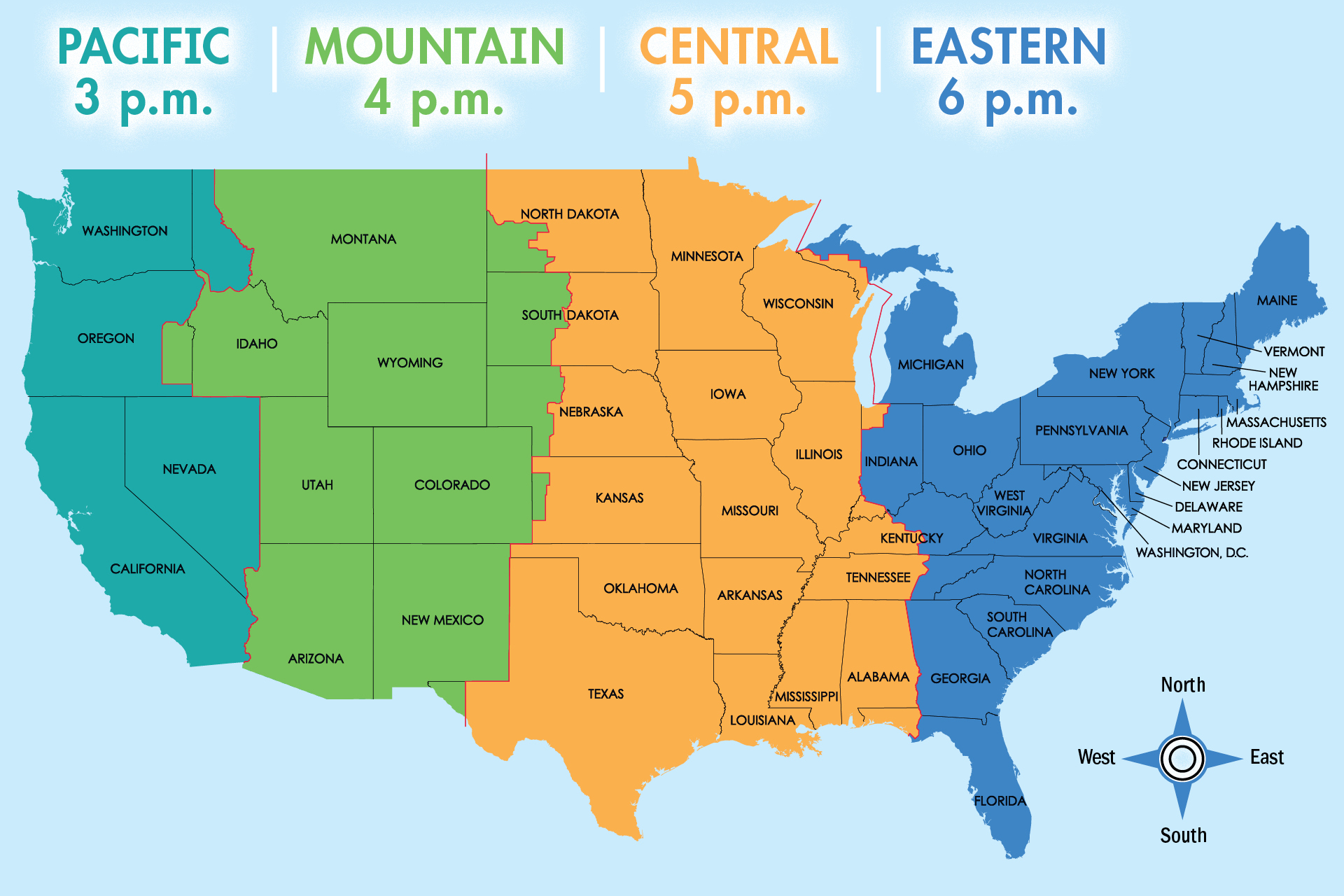
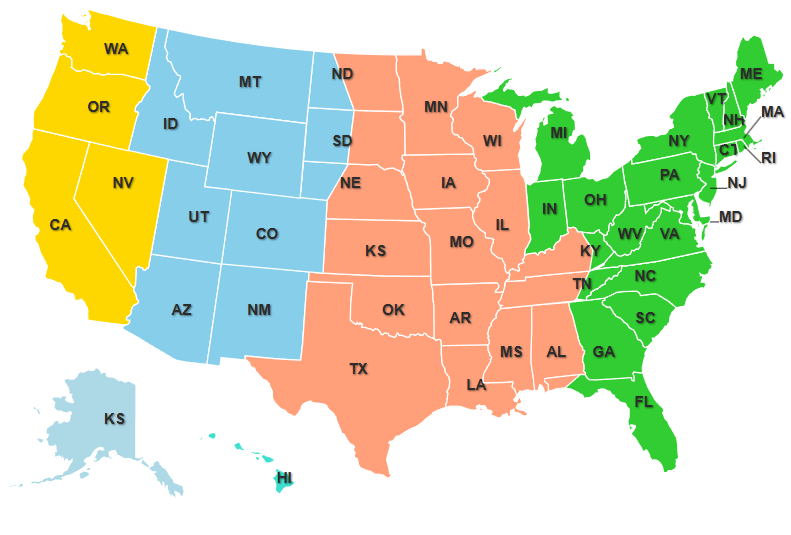
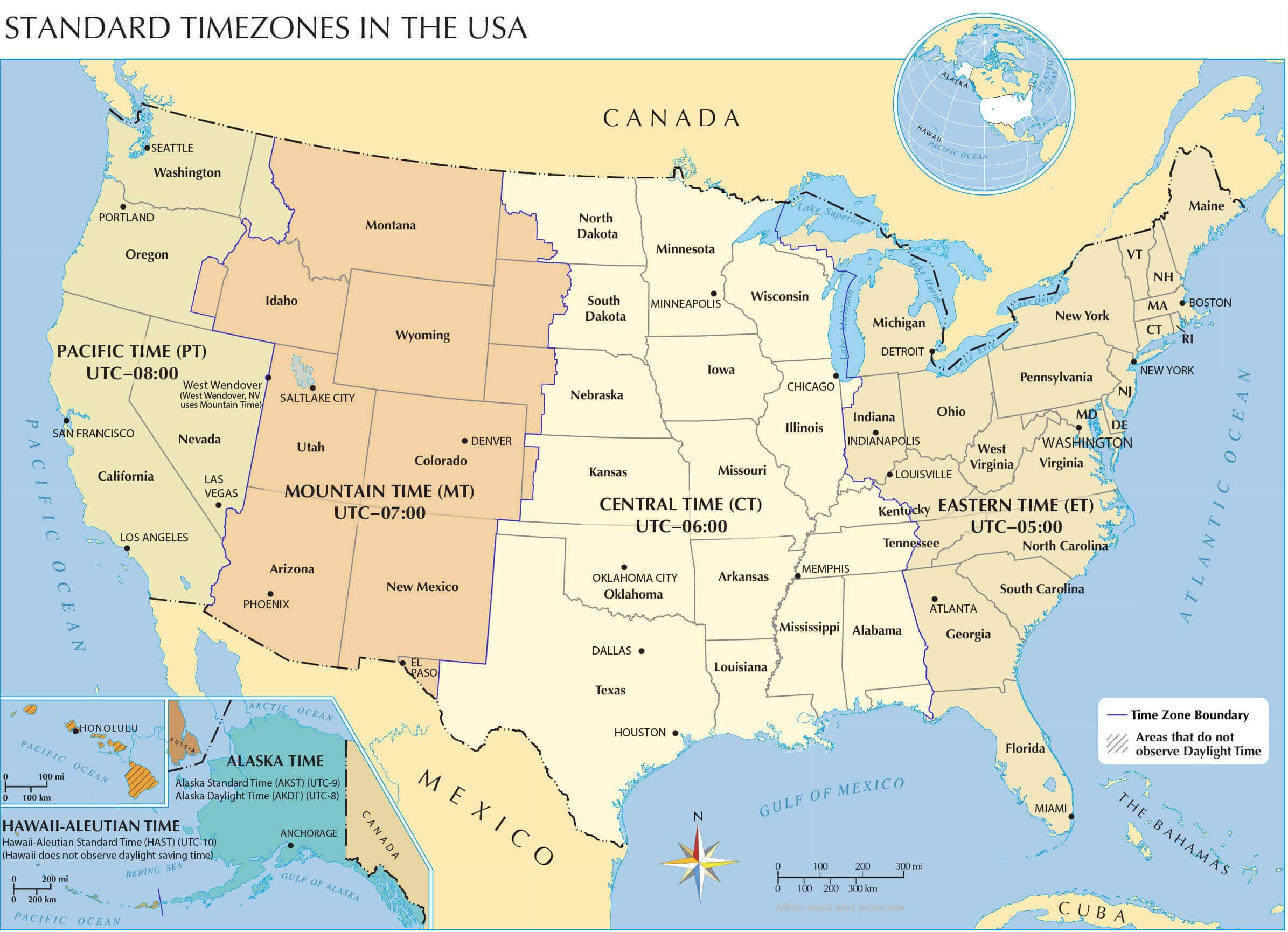
The fundamental answer to “What is time in USA California?” lies in its geographical placement within the Pacific Time Zone. This designation is critical for anyone traveling to or communicating with California from other parts of the world or even within the United States. Proper understanding of this time zone, especially the shift between standard and daylight saving time, is the first step in effective trip planning, preventing missed flights, misinterpretations of booking times, or inconvenient communication hurdles.
Pacific Standard Time (PST) and Pacific Daylight Time (PDT)
California observes two distinct time modes throughout the year: Pacific Standard Time (PST) and Pacific Daylight Time (PDT).
- Pacific Standard Time (PST): This is observed during the fall and winter months. PST is eight hours behind Coordinated Universal Time (UTC-8). This means that when it’s noon in London (which is UTC+0 during standard time), it’s 4 AM in California.
- Pacific Daylight Time (PDT): This is observed during spring and summer, typically beginning on the second Sunday in March and ending on the first Sunday in November. During PDT, clocks are moved forward by one hour, making it seven hours behind Coordinated Universal Time (UTC-7). This shift is designed to make better use of daylight, providing longer evenings during the warmer months.
This seasonal shift is crucial for travelers. If you’re booking flights, tours, or restaurant reservations well in advance, always double-check whether the dates fall within PST or PDT. For international visitors, the time difference can be substantial, often leading to jet lag. For instance, visitors from Europe or Asia will experience a significant time jump, making initial days of adjustment key to enjoying the trip. Planning your arrival with a day or two of lighter activities can help you acclimate. Furthermore, business travelers should be acutely aware of this, especially when scheduling calls or virtual meetings with colleagues in different time zones across the USA, such as the Central or Eastern Time Zones. Keeping a world clock app handy on your phone is a simple yet effective tool for staying organized.
Maximizing Your California Experience: Beyond the Clock
Once you’ve aligned your internal clock with California’s time zone, the next step is to consider how to best spend your time in this incredibly diverse state. California is a land of contrasts, offering everything from bustling urban centers to serene natural wonders, world-class theme parks to historic vineyards. To truly maximize your experience, a well-thought-out itinerary that balances iconic sightseeing with authentic local immersion is essential.
Iconic Landmarks and Must-See Attractions
California’s landscape is dotted with landmarks that have captured the imagination of travelers worldwide. Allocating sufficient time to explore these sites without feeling rushed is paramount for a fulfilling trip.
- Southern California Wonders: In Los Angeles, carve out time for the glitz and glamour of Hollywood. A stroll along the Hollywood Walk of Fame, a visit to the Griffith Observatory for stunning city views and stargazing, and an afternoon at the lively Santa Monica Pier are essential. Don’t forget the world-renowned theme parks like Disneyland Resort in Anaheim or Universal Studios Hollywood, which often demand a full day or more. Further south, San Diego offers the cultural richness of Balboa Park, home to numerous museums and the famous San Diego Zoo, alongside the historic charm of the Gaslamp Quarter.
- Northern California Charms: San Francisco is famous for its rolling hills and iconic structures. Crossing the magnificent Golden Gate Bridge, exploring the notorious Alcatraz Island, and savoring seafood at Fisherman’s Wharf are experiences that define a visit to the city by the bay. Take a ride on a historic cable car and wander through the vibrant neighborhoods.
- Natural Escapes: Beyond the cities, California’s natural landmarks are breathtaking. Dedicate time to Yosemite National Park to witness its towering sequoias, granite cliffs, and spectacular waterfalls. A drive along Highway 1 through Big Sur offers unparalleled coastal views, while the majestic beauty of Lake Tahoe provides year-round recreational opportunities. For desert adventures, Death Valley National Park presents an otherworldly landscape.
Culinary Delights and Local Culture
Part of truly experiencing a destination involves immersing yourself in its local culture and savoring its unique culinary scene. California’s food landscape is as diverse as its geography. From farm-to-table restaurants in San Francisco and Los Angeles to authentic Mexican cuisine in San Diego and world-class wine tasting in Napa Valley and Sonoma Valley, there’s an endless array of flavors to explore. Dedicate time to explore local farmers’ markets, try food trucks offering innovative dishes, and book a wine tour to truly appreciate the state’s agricultural bounty. Beyond food, California boasts a vibrant arts scene, with countless museums, galleries, live music venues, and theaters. Checking local event listings for festivals, concerts, or cultural performances can enrich your trip and offer a deeper connection to the local lifestyle. Consider spending an evening exploring the eclectic shops and street performers of Venice Beach, or attending a concert at the iconic Hollywood Bowl. These experiences often become the most cherished memories, offering insights into the true heart of California.
Accommodation: Finding Your Perfect Stay
Your choice of accommodation significantly impacts your travel experience and budget. California offers an unparalleled range of options, from ultra-luxurious resorts to charming boutique hotels and practical budget-friendly stays. Planning your accommodation well in advance, especially during peak season, is crucial.
- Luxury and Resorts: For those seeking unparalleled comfort and amenities, California is home to world-renowned luxury resorts. In Beverly Hills, the Beverly Wilshire, A Four Seasons Hotel offers an iconic stay, while coastal cities boast exquisite beachfront properties. These often come with lavish spas, gourmet dining, and concierge services that can help curate your itinerary.
- Boutique Hotels and Unique Stays: For a more localized and intimate experience, explore the state’s vibrant boutique hotel scene. Cities like San Francisco’s Union Square or Santa Barbara’s Funk Zone offer unique properties with distinct character and personalized service. Vacation rentals, available through platforms like Airbnb or VRBO, are also popular, providing a home-away-from-home feel, especially for families or longer stays.
- Budget-Friendly Options: Traveling on a budget doesn’t mean compromising on experience. Many cities offer a range of affordable hotels, hostels, and motels, particularly outside the prime tourist zones. Consider staying slightly outside major city centers and utilizing California’s extensive public transportation where available, or planning road trips that involve camping or staying in national park lodges. When booking, always compare prices across different platforms, read recent reviews, and check for specific amenities that are important to you, such as parking, Wi-Fi, or breakfast. Booking directly with the hotel or resort can sometimes offer exclusive deals or perks.
Planning Your California Adventure: Timing is Everything
Beyond the literal time on the clock, “time” in the context of travel also refers to the best time to visit, both seasonally and within the span of your trip. Strategic planning can dramatically enhance your experience, allowing you to avoid crowds, enjoy ideal weather, or partake in specific events.
Best Seasons to Visit
California’s diverse climate means that the “best” time to visit can vary significantly depending on your desired activities and regions of interest.
- Spring (March to May): Often considered one of the best times to visit California. The weather is generally mild and pleasant across the state, wildflowers bloom, and crowds are typically lighter than in summer. It’s ideal for exploring cities, hiking in national parks like Yosemite (though some high-elevation roads may still be closed), and enjoying the coastal beauty without extreme heat.
- Summer (June to August): The peak tourist season, characterized by warm to hot weather, especially inland and in Southern California. Perfect for beach vacations, water sports on Lake Tahoe, and exploring national parks where all areas are accessible. However, expect larger crowds and higher prices for flights and accommodations. Booking well in advance is essential.
- Fall (September to November): Another excellent time to visit. The weather remains warm, especially along the coast, and the summer crowds begin to dissipate. Napa Valley and Sonoma Valley are particularly stunning during the grape harvest season, offering vibrant fall foliage and wine festivals. It’s also an ideal time for hiking in inland areas where summer temperatures might be too intense.
- Winter (December to February): Offers unique experiences. California’s ski resorts in the Sierra Nevada mountains, such as Mammoth Mountain or Squaw Valley Alpine Meadows, come alive. Coastal regions and Southern California generally experience mild, rainy weather, with sunny days still common, making it a great time for city exploration without the heat or crowds. Deserts like Death Valley are also more accessible and comfortable in winter.
Crafting Your Itinerary and Budget
The amount of time you have available directly influences what you can realistically experience. For a shorter trip (3-5 days), focus on one major city or a specific region like Napa Valley or Southern California beaches. With a week to ten days, you might combine a city with a national park or a coastal road trip segment. For longer stays (two weeks or more), you can truly delve into the diverse offerings, perhaps combining Northern and Southern California with a visit to the central coast.
Consider your travel style and budget when allocating time. A luxury travel experience might involve more curated tours, high-end dining, and stays at exclusive resorts, requiring fewer but more impactful activities each day. Budget travel, on the other hand, might necessitate more self-guided exploration, public transport, and careful meal planning, allowing for more experiences over a longer duration. Family trips will require slower pacing and activities suitable for all ages, while a business stay might involve blending professional commitments with targeted cultural outings.
Remember to factor in travel time between destinations. California is a vast state, and driving distances can be considerable. A road trip from Los Angeles to San Francisco via Highway 1, while breathtaking, takes significantly longer than the inland route. Researching typical traffic patterns, especially around major cities during rush hour, can save valuable hours. Flexibility is also key; while a structured itinerary is helpful, allow room for spontaneous discoveries and unexpected delights.
In conclusion, understanding “What is time in USA California?” is a multi-faceted question vital for any traveler. From the practicalities of PST/PDT to the strategic planning of your days and seasons, every aspect contributes to a richer, more enjoyable journey. Whether you seek the glamour of Hollywood, the tranquility of Yosemite, or the culinary adventures of Napa Valley, a thoughtful approach to time will ensure your California adventure is nothing short of extraordinary. Start planning today, and prepare to immerse yourself in the timeless beauty and endless possibilities of the Golden State.
LifeOutOfTheBox is a participant in the Amazon Services LLC Associates Program, an affiliate advertising program designed to provide a means for sites to earn advertising fees by advertising and linking to Amazon.com. Amazon, the Amazon logo, AmazonSupply, and the AmazonSupply logo are trademarks of Amazon.com, Inc. or its affiliates. As an Amazon Associate we earn affiliate commissions from qualifying purchases.