
Chicago, a city renowned for its towering architectural marvels, vibrant arts scene, and a culinary landscape that caters to every palate, holds a beautiful secret that unfurls with the arrival of spring: a spectacular display of cherry blossoms. While most travelers associate these ephemeral blooms with Japan‘s ancient temples and serene gardens or the iconic Tidal Basin in Washington D.C., the Windy City offers its own captivating spectacle. For those exploring destinations and attractions off the beaten path, or seeking unique cultural experiences, discovering Chicago’s cherry blossom groves is a delightful revelation. This unexpected natural beauty transforms the urban landscape, inviting locals and tourists alike to pause and appreciate the transient magic of spring. But how did these delicate trees, symbols of renewal and fleeting beauty, find a home in the heart of the Midwest? The story is one of international friendship, historical legacy, and dedicated community effort, adding another compelling layer to Chicago’s rich tapestry of tourism and local culture.

The Roots of a Beautiful Tradition: A Gift of Friendship and Renewal
The presence of cherry blossoms in Chicago is not merely a botanical coincidence but a deliberate and heartwarming gesture of international goodwill that has blossomed into a beloved annual tradition. Understanding their origins provides a deeper appreciation for this stunning natural attraction.
A Legacy of Friendship: The 1990 Donation
The primary source of Chicago’s most significant cherry blossom collection traces back to a pivotal moment of cultural exchange. In 1990, the Japan-America Society of Chicago gifted 160 cherry blossom trees to the city, celebrating the deepening ties between Japan and the United States, and specifically, Chicago. This generous donation was carefully planted in Jackson Park, a historic green space on the city’s South Side. The choice of Jackson Park was no accident; it held a significant historical connection to Japanese culture.
Jackson Park was famously the site of the 1893 World’s Columbian Exposition, an event that captivated the globe and introduced many Americans to Japanese art, architecture, and garden design through the construction of the Ho-o-den (Phoenix Palace). Although the original Ho-o-den burned down, the legacy of that initial cultural exchange endured. The cherry blossom donation in 1990 breathed new life into this historical connection, establishing the “Garden of the Phoenix” (originally known as the Osaka Garden, named for Chicago’s sister city) as a modern tribute to this enduring friendship.
The symbolic significance of these trees, known as Sakura in Japanese culture, is profound. They represent beauty, the transient nature of life, and the renewal of spring. Their ephemeral bloom, lasting only a week or two, serves as a poignant reminder to cherish every moment. This gift not only added a spectacular natural attraction to Chicago but also cemented a living testament to cross-cultural understanding and cooperation, enriching the city’s tourism offerings with a unique blend of nature and history.
Expanding the Bloom: Other Notable Plantings
While Jackson Park remains the epicenter of Chicago’s cherry blossom display, the beauty of these trees has gradually spread to other parts of the city and its surrounding areas. Over the years, various organizations and community initiatives have contributed to expanding the presence of cherry blossoms, making them accessible to a wider audience.
Many of these additional plantings feature popular varieties such as the Yoshino cherry, known for its delicate white-pink blossoms, and the Kwanzan cherry, which boasts larger, more vibrant pink, double-petaled flowers. Beyond Jackson Park, visitors can find smaller groves and individual trees gracing other public spaces. The grounds surrounding the Museum of Science and Industry, which sits adjacent to Jackson Park, feature beautiful blooms that complement the park’s display. Further afield, places like the Morton Arboretum in suburban Lisle (though outside city limits, a significant natural attraction for regional visitors) also host extensive collections of cherry trees, providing a broader canvas for springtime beauty.
These dispersed plantings underscore a growing appreciation for the aesthetic and cultural value of cherry blossoms within the Chicago metropolitan area. Each new tree contributes to a more widespread celebration of spring, drawing more visitors to discover these hidden gems and enhancing the city’s appeal as a diverse and engaging travel destination. For those planning a trip, considering these various locations allows for a more comprehensive and perhaps less crowded, cherry blossom viewing experience, blending seamlessly with other explorations of Chicago’s landmarks and natural beauty.
Experiencing Chicago’s Cherry Blossom Season
For travelers eager to witness Chicago’s cherry blossoms, knowing where and when to go is key to maximizing this enchanting experience. The fleeting nature of the blooms makes careful planning essential for any tourism itinerary.
Prime Locations for Sakura Spectacle
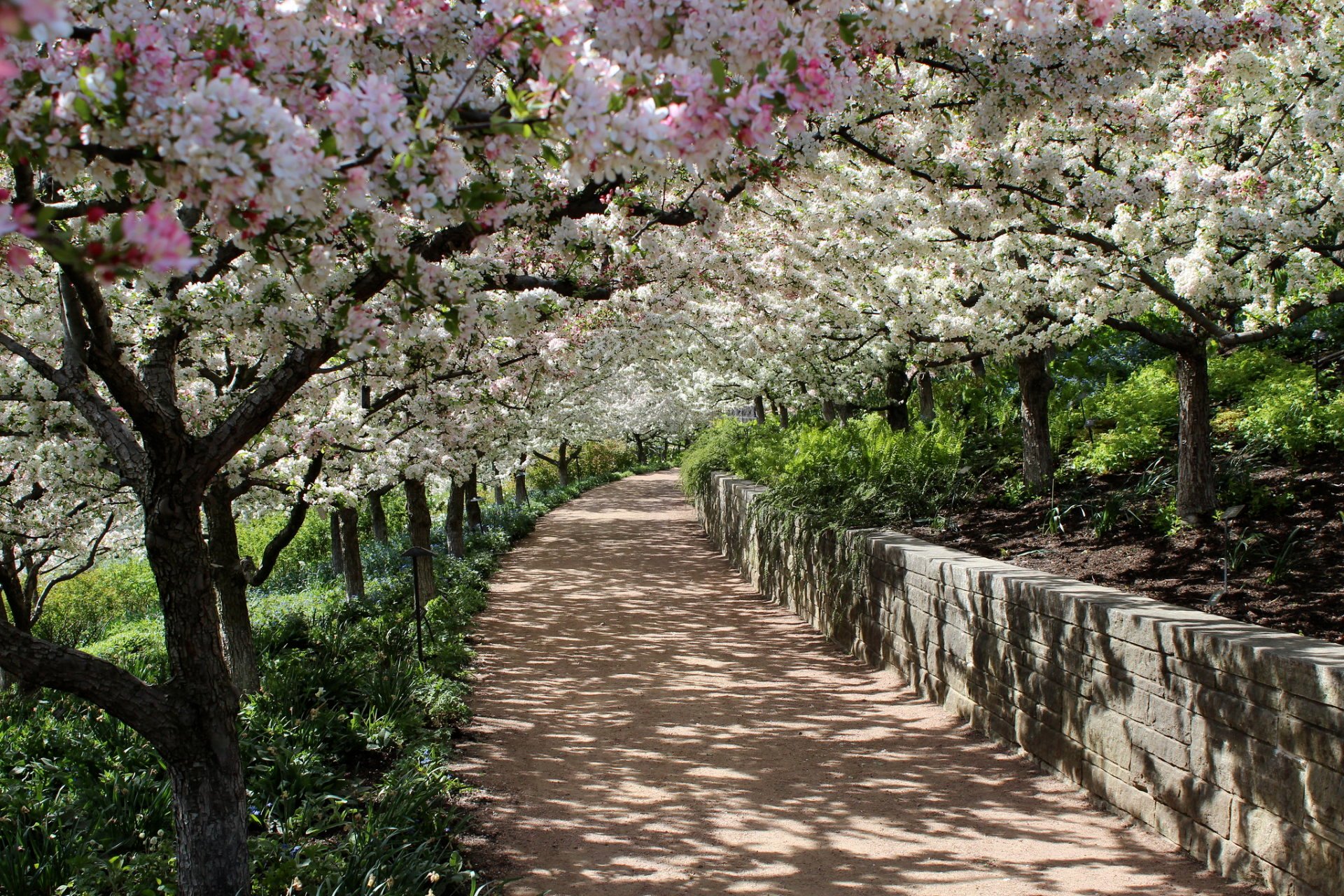
The undisputed champion of cherry blossom viewing in Chicago is Jackson Park. Specifically, the area around the Garden of the Phoenix (formerly the Osaka Garden) is where the most impressive concentration of trees can be found. Here, dozens of cherry trees line the serene pathways, creating tunnels of pink and white petals that shower down with every gentle breeze. Visitors can stroll along the lagoons, admire the traditional Japanese-style landscaping, and capture breathtaking photographs. It’s a perfect spot for peaceful contemplation, a picnic, or simply soaking in the beauty. The combination of water features, mature trees, and delicate blossoms creates an incredibly picturesque setting, making it a highlight for anyone interested in nature or photography during their Chicago trip.
Beyond Jackson Park’s main grove, other locations offer charming displays:
- Museum of Science and Industry Grounds: Situated directly north of Jackson Park, the museum’s expansive grounds feature additional cherry trees, particularly along the Lakeside path. These trees provide a beautiful frame for views of Lake Michigan and the iconic museum building itself.
- Lincoln Park Zoo: While not as concentrated as Jackson Park, this free zoo in the city’s north side often has several cherry trees that bloom beautifully, adding a splash of color to an already popular family attraction. It’s a great option for families with children, combining animal viewing with blossom appreciation.
- Morton Arboretum: For those willing to venture just outside the city, the Morton Arboretum boasts an extensive collection of flowering trees, including numerous cherry varieties, spread across its vast landscape. This destination offers a more expansive natural setting and a wider range of horticultural experiences.
- Neighborhood Parks and Streets: Keep an eye out in various Chicago neighborhoods, as individual cherry trees or smaller groupings can unexpectedly pop up in local parks or along tree-lined streets, adding spontaneous beauty to urban exploration.
When visiting these spots, particularly Jackson Park, aim for weekday mornings or late afternoons to avoid the largest crowds, allowing for a more serene experience.

Timing Your Visit: When to See the Blooms
The magical, yet incredibly brief, window for Chicago’s cherry blossoms typically falls between late April and early May. However, predicting the exact peak bloom can be notoriously tricky, as it is heavily influenced by fluctuating spring temperatures and rainfall. An unusually warm spring might bring the blossoms earlier in April, while a prolonged cold spell could delay them until mid-May.
For travelers planning their trip around this specific event, flexibility is key. It’s highly recommended to:
- Monitor Local Updates: Before booking flights and hotels, check the websites or social media channels of the Chicago Park District, the Museum of Science and Industry, and local Chicago tourism boards. Many of these resources provide real-time updates on the bloom status.
- Consider a Flexible Itinerary: If possible, allow for a few days’ buffer in your travel plans, or schedule your trip for the broader late April to early May period to increase your chances of catching the blossoms at their best.
- Embrace the Journey: Even if you miss the absolute peak, the entire spring season in Chicago is a time of renewal, with other flowers and trees coming into bloom.
Timing your visit correctly allows you to fully immerse yourself in the ethereal beauty of Chicago’s cherry blossoms, transforming a standard travel experience into a truly memorable event. It’s a testament to the fact that even in a bustling metropolis, nature’s most delicate displays can capture the imagination and offer profound moments of beauty.
Beyond the Blossoms: A Cultural and Travel Experience
The cherry blossoms of Chicago are more than just a pretty sight; they represent a convergence of history, culture, and the vibrant lifestyle of a world-class city. Integrating them into a broader travel itinerary elevates a trip from mere sightseeing to a truly immersive experience.
Integrating Sakura into Your Chicago Itinerary
Witnessing the cherry blossoms can serve as a stunning focal point around which to build a comprehensive Chicago adventure. Given that the main blossom viewing areas are in or near Hyde Park and the South Side, this offers a fantastic opportunity to explore neighborhoods often overlooked by first-time visitors who tend to stick to the downtown core.
Start your day with a peaceful morning stroll among the Jackson Park blossoms, perhaps grabbing a coffee from a local Hyde Park cafe. Afterwards, dive into the rich cultural offerings nearby. The Museum of Science and Industry provides hours of fascinating exhibits, from a captured German U-boat to a working coal mine. A short ride north along the scenic Lakeside path brings you to the renowned Museum Campus, home to the Field Museum (with its iconic Sue the T. Rex), the immersive Shedd Aquarium, and the cosmic wonders of the Adler Planetarium.
To complete your Chicago experience, consider an architectural boat tour, offering unparalleled views of the city’s famous skyline, a stark contrast to the delicate blossoms you admired earlier. Indulge in Chicago’s legendary food scene, from deep-dish pizza to Michelin-starred dining, ensuring your culinary journey is as rich as your cultural one.
For accommodations, travelers have a wealth of options. Staying in Hyde Park offers immediate proximity to Jackson Park, with boutique hotels and charming guesthouses. Alternatively, a downtown hotel provides easy access to public transportation, allowing you to venture south for the blossoms while remaining central to other attractions. Whether you prefer luxury resorts, budget-friendly hotels, or stylish apartments, Chicago’s accommodation landscape caters to every preference and lifestyle.
A Symbol of Spring Renewal and Urban Beauty
The cherry blossoms in Chicago embody more than just natural beauty; they represent the city’s ability to constantly renew itself and embrace diverse cultural influences. For both locals and visitors, the annual bloom transforms the urban environment, offering a tranquil escape from the bustling city rhythm. It’s a popular activity for families, couples, and solo travelers alike, drawing photographers, artists, and nature enthusiasts seeking moments of serenity and inspiration.
This integration of nature into the urban fabric speaks volumes about Chicago’s commitment to green spaces and its appreciation for international partnerships. The delicate petals fluttering against a backdrop of modern skyscrapers or historic stone buildings create a striking visual juxtaposition—a symbol of harmony between the natural and the man-made. It’s a testament to a lifestyle that values beauty, cultural depth, and the shared joy of community.
Visiting Chicago during cherry blossom season offers a unique lens through which to view the city. It highlights Chicago’s identity not just as a hub of industry and innovation, but also as a destination rich in natural wonders and global connections. These blossoms invite reflection on the cyclical nature of life, the beauty of transience, and the enduring power of friendship—a perfect metaphor for the ever-evolving, always captivating experience of exploring Chicago.
Conclusion
The story of Chicago’s cherry blossoms is a beautiful narrative woven from international friendship, historical legacy, and community spirit. From the generous gift of the Japan-America Society of Chicago planted in the historic Jackson Park, these delicate trees have blossomed into a cherished annual spectacle, drawing visitors from near and far. They offer a unique springtime attraction, transforming the urban landscape into a serene oasis of pink and white, particularly around the Garden of the Phoenix and the grounds of the Museum of Science and Industry.
For travelers seeking a unique blend of nature, culture, and urban exploration, timing a visit to Chicago during late April or early May to coincide with the peak bloom is an unforgettable experience. It’s an opportunity to not only witness a stunning natural phenomenon but also to delve deeper into Chicago’s diverse neighborhoods, world-class museums, and vibrant lifestyle. These blossoms are a reminder that even in the heart of a bustling metropolis, moments of profound beauty and cultural connection flourish, inviting everyone to discover the unexpected charm and enduring grace of the Windy City. Plan your trip and immerse yourself in the ephemeral magic of Chicago’s cherry blossom season.
LifeOutOfTheBox is a participant in the Amazon Services LLC Associates Program, an affiliate advertising program designed to provide a means for sites to earn advertising fees by advertising and linking to Amazon.com. Amazon, the Amazon logo, AmazonSupply, and the AmazonSupply logo are trademarks of Amazon.com, Inc. or its affiliates. As an Amazon Associate we earn affiliate commissions from qualifying purchases.