
For many, the allure of California’s open roads is irresistible, promising endless adventures, vibrant cityscapes, and breathtaking natural wonders. But what if your dreams of exploration involve something a little larger than the average passenger car? Perhaps you envision yourself behind the wheel of a luxurious, sprawling RV exploring Yosemite National Park, or perhaps a career driving a tour bus through the bustling streets of Los Angeles or San Francisco, showcasing the state’s iconic landmarks and hidden gems. For these aspirations and more, a Class B license in California becomes not just a legal requirement, but a passport to a new realm of travel, career opportunities, and an enriched lifestyle.
This essential credential opens doors to operating a diverse range of single commercial vehicles, from large buses ferrying tourists to the Golden Gate Bridge to heavy-duty trucks supporting the infrastructure of bustling resorts and accommodations. It’s a testament to skill, responsibility, and a commitment to safety, qualities highly valued in the travel and tourism industry. Whether you’re a budding entrepreneur looking to start your own transport service, an individual yearning for the ultimate road trip experience in a massive motorhome, or someone seeking a stable career driving for California’s myriad attractions and hotels, understanding the process of obtaining a Class B license is your first step. This guide will walk you through the journey, highlighting how this license intertwines with the very fabric of travel, tourism, and lifestyle adventures across the Golden State.
Understanding the Class B License in California: Your Gateway to Greater Journeys
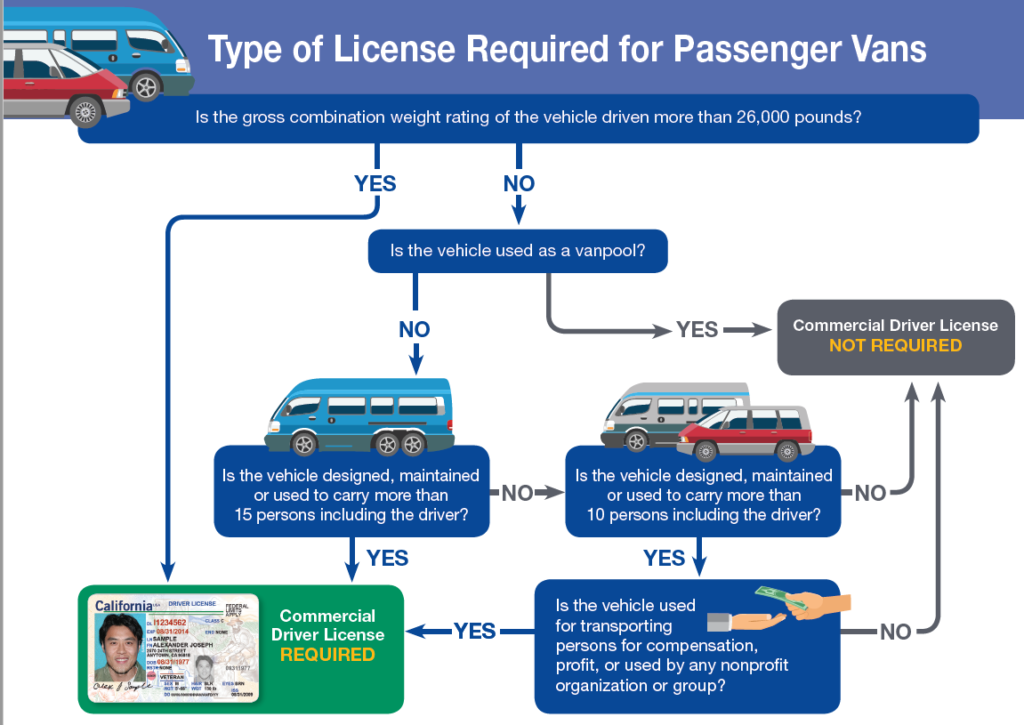
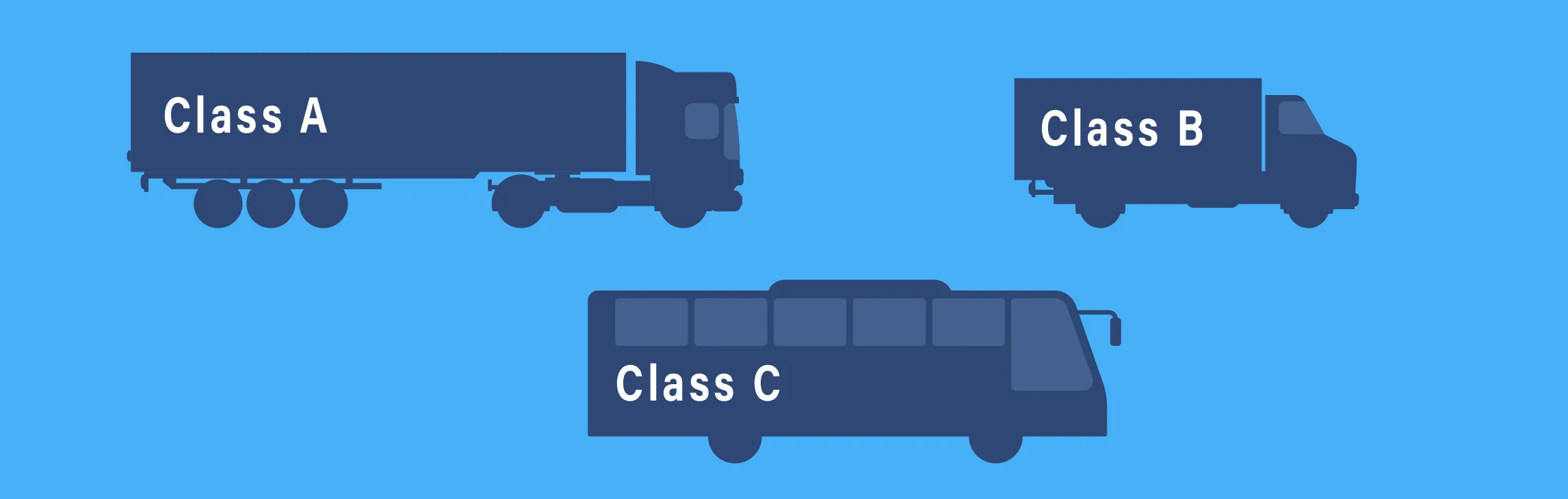
Before embarking on the detailed process, it’s crucial to grasp what a Class B license entails within the context of California’s intricate driving regulations. Broadly speaking, a Class B license permits you to operate a single vehicle with a Gross Vehicle Weight Rating (GVWR) of 26,001 pounds or more, and/or tow a trailer that does not exceed 10,000 pounds GVWR. This distinction is critical because it separates it from a Class A license (which allows towing heavier trailers) and a standard Class C license (for regular passenger vehicles).
In California, the Class B license typically comes in two primary forms, each serving different purposes but sharing a similar pathway to acquisition:
- Commercial Class B (CDL Class B): This is the most common type people refer to when discussing a Class B license. It’s designed for professional drivers operating vehicles for commercial purposes. This includes, but is not limited to, city and school bus drivers, delivery truck drivers for large corporations, sanitation vehicle operators, and even some specialized construction vehicle drivers. For anyone looking to make a career in the extensive travel and tourism sector—driving tour buses, shuttle services for major resorts like Disneyland Resort or Universal Studios Hollywood, or transporting goods to various hotels and attractions across the state—a Commercial Class B is indispensable. It signifies that you’ve met rigorous federal and state standards for safety and operational knowledge.
- Non-Commercial Class B: While less frequently discussed, the non-commercial Class B license is equally important for a specific segment of the population, particularly those embracing a grander travel lifestyle. This license is required for individuals operating recreational vehicles (RVs) with a GVWR of 26,001 pounds or more, or towing a fifth-wheel travel trailer over 10,000 pounds but not exceeding 15,000 pounds GVWR. For many enthusiasts of long-term travel or luxury RV living, this is the credential that allows them to legally and safely navigate the state’s scenic routes, from the coastal beauty of Big Sur to the towering trees of Sequoia National Park. It empowers individuals to experience California’s diverse landscapes on their own terms, with their homes on wheels.
The key distinction lies in the purpose of driving. Commercial operations fall under stricter federal guidelines, necessitating a more comprehensive set of examinations and ongoing medical certifications. However, regardless of the type, obtaining a Class B license requires dedication, a thorough understanding of vehicle operation, and a commitment to road safety. It’s an investment in your future, whether that future involves a fulfilling career in California’s thriving travel industry or a life of unparalleled road trip adventures.
The Road to Your California Class B CDL: Step-by-Step
Navigating the path to a Class B Commercial Driver’s License (CDL) in California involves a structured process overseen by the California Department of Motor Vehicles (DMV). It requires a combination of meeting eligibility criteria, passing written knowledge tests, and demonstrating practical driving skills.
Meeting the Basic Eligibility Requirements
Before you can even think about getting behind the wheel of a commercial vehicle, you must satisfy a set of foundational requirements. These are in place to ensure that all prospective commercial drivers possess the necessary maturity, health, and basic legal standing.
Firstly, you must be at least 18 years old to drive a commercial vehicle intrastate (within California only). If your career aspirations involve interstate driving (across state lines), which is common for many long-haul commercial operations and some tour bus routes that might extend beyond California, you must be at least 21 years old. This age distinction is crucial for planning your career path. Secondly, you need a valid California Driver’s License. This demonstrates that you’ve already passed the basic tests for operating a passenger vehicle and understand fundamental traffic laws. You cannot jump straight into a CDL without first holding a standard license.
Perhaps the most critical, and often overlooked, requirement is the medical examination. All CDL applicants must pass a Department of Transportation (DOT) physical performed by a certified medical examiner. This examination assesses your overall physical and mental health, ensuring you are fit to safely operate a large commercial vehicle for extended periods. It covers aspects like vision, hearing, blood pressure, and a general health assessment. Upon passing, you will receive a Medical Examiner’s Certificate, which must be submitted to the DMV and carried with your license. This certificate is typically valid for two years, after which you’ll need to undergo another physical. Certain medical conditions, such as uncontrolled diabetes or heart conditions, could disqualify you, so it’s wise to consult with a medical professional beforehand if you have concerns. Finally, you must demonstrate proof of U.S. citizenship or lawful permanent residency.
Mastering the Knowledge Tests
Once you’ve confirmed your eligibility, the next phase involves proving your theoretical knowledge of commercial vehicle operation. This is done through a series of written tests administered at the DMV. These aren’t your typical driving tests; they delve into the specific intricacies of large vehicles and commercial driving regulations.
The first and most fundamental test is the General Knowledge exam. This comprehensive test covers a vast array of topics, including safe driving practices, vehicle inspection, basic vehicle control, communication, space management, hazard perception, handling emergencies, and understanding hours-of-service regulations. It’s the bedrock of your commercial driving education. Following this, you will almost certainly need to pass the Air Brakes endorsement test, as most Class B vehicles (especially buses and larger trucks) are equipped with air brake systems. Understanding how these complex systems work and how to inspect them is paramount for safety.
Depending on the type of Class B vehicle you intend to drive and the specific career path you’re pursuing, you may also need additional endorsements. For instance, if you plan to drive a bus for tourism or public transportation, the Passenger Endorsement is mandatory. This test focuses on passenger safety, loading and unloading procedures, emergency evacuations, and dealing with passengers. While a Combination endorsement is primarily for Class A CDLs, understanding some basics about towing (even smaller trailers allowed with Class B) can be beneficial. An optional, but highly valuable, endorsement for certain career paths is Hazardous Materials (HazMat). This allows you to transport hazardous materials, opening up more specialized (and often higher-paying) job opportunities. Each endorsement requires its own written test. Thorough study of the California CDL Handbook is essential for success in all these knowledge tests.
Practical Training and Vehicle Experience
Passing the written tests earns you a Commercial Learner’s Permit (CLP), which allows you to practice driving a commercial vehicle on public roads, but only with a qualified CDL holder present in the vehicle. This is where hands-on training becomes vital.
For many, enrolling in a dedicated CDL training school is the most effective and efficient route. These schools provide structured lessons, experienced instructors, and crucially, access to the appropriate Class B vehicles for practice. A good school will cover everything from basic vehicle controls and pre-trip inspections to complex maneuvering and safe driving techniques in various traffic conditions. They are also adept at preparing you specifically for the DMV skills test, which can be quite rigorous. While self-training is technically possible if you have access to a compliant Class B vehicle and a qualified instructor, it’s generally more challenging due to the specialized nature of the vehicles and the depth of knowledge required.
During your practical training, you’ll spend considerable time mastering various skills: conducting a thorough pre-trip inspection to ensure the vehicle is safe to operate, practicing basic vehicle control skills like backing up in straight lines, offset backing, and parallel parking, and developing the finesse needed to navigate large vehicles through tight spaces. The goal is to build muscle memory, confidence, and a deep understanding of how the vehicle handles. This phase is not just about passing a test; it’s about developing the skills that will keep you, your passengers, and other road users safe when you eventually hit the road independently.
Acing the Skills Test
The final hurdle in obtaining your Class B CDL is the practical skills test, also administered by the DMV. This is a comprehensive, three-part examination designed to assess your ability to safely operate a commercial vehicle in real-world scenarios. You must bring a vehicle appropriate for the Class B license you are seeking (e.g., a bus for a passenger endorsement).
The first component is the Vehicle Inspection Test (Pre-Trip Inspection). You’ll be required to demonstrate to the examiner that you can perform a thorough inspection of your vehicle, identifying and explaining the function of various components (engine, brakes, tires, lights, fluid levels, etc.) and checking for any defects that could compromise safety. This test emphasizes your knowledge of vehicle mechanics and your commitment to preventative maintenance, a crucial aspect of commercial driving.
Next is the Basic Controls Skills Test. This segment evaluates your ability to maneuver the large vehicle in a controlled environment, typically a closed course. You’ll be asked to perform a series of specific exercises, which commonly include straight-line backing, offset backing (maneuvering the vehicle into a space that’s not directly behind it), and parallel parking (often involving a challenging pull-up maneuver). These tests assess your spatial awareness, steering control, and ability to handle the vehicle’s dimensions.
Finally, the Road Test is the culmination of your training. Accompanied by the examiner, you will drive on public roads, demonstrating your ability to handle the vehicle safely and legally in various traffic conditions. This includes starting, stopping, turning, changing lanes, merging into traffic, managing speed, observing traffic signs and signals, using mirrors effectively, and maintaining proper following distance. The examiner will be looking for smooth operation, adherence to all traffic laws, and sound judgment. Passing all three parts of the skills test is the last step before you can proudly hold your California Class B CDL.
Class B License and the California Travel Lifestyle
A Class B license in California isn’t just a document; it’s a key that unlocks a myriad of possibilities within the vibrant travel, tourism, and lifestyle sectors of the Golden State. It directly connects individuals to experiences and careers that embody the spirit of exploration and hospitality.
Unlocking Career Opportunities in Travel and Tourism
California’s tourism industry is a powerhouse, attracting millions of visitors annually to its diverse destinations. A Class B CDL positions you perfectly to be a vital part of this bustling ecosystem. One of the most prominent roles is that of a tour bus operator. Imagine chauffeuring groups of excited tourists through the scenic Napa Valley for wine tastings, or guiding them on historical tours of San Francisco’s iconic neighborhoods. From providing panoramic views of the Hollywood Hills in Los Angeles to transporting visitors to the majestic Yosemite National Park, a tour bus driver is often the first and last impression visitors have of their California adventure.
Beyond dedicated tour companies, many hotels and resorts, especially the larger, luxury establishments, require Class B drivers. These roles often involve operating shuttle services for guests to and from airports, local attractions, or conference centers. Think of driving guests from San Diego hotels to Balboa Park or ferrying families between different sections of the expansive Disneyland Resort in Anaheim. These positions are often integral to providing a seamless and high-quality guest experience, directly contributing to the reputation and success of the accommodation. Additionally, Class B CDL holders are also sought after for delivery and logistics roles for large event companies, catering services, or even within the operational divisions of major hotel chains, transporting everything from linens to catering supplies. The versatility of a Class B license makes you a valuable asset in an industry constantly on the move.
The Open Road: RVing with a Class B License
For those whose travel dreams lean towards personal adventure rather than commercial enterprise, the non-commercial Class B license (or even the commercial one for truly massive rigs) unlocks the ultimate freedom of the open road. California is a prime destination for RV travel, with its diverse national parks, stunning coastline, and myriad campgrounds.
Operating a large motorhome—especially those exceeding 26,001 pounds GVWR—requires specialized skills and legal authorization that a standard Class C license doesn’t provide. A Class B license ensures you have the knowledge and practical ability to safely handle these substantial vehicles, giving you confidence as you navigate winding mountain roads or busy city streets. This license is particularly appealing for those pursuing a lifestyle of long-term travel or a more “glamorous camping” (glamping) experience, where their RV serves as a mobile luxury home. Imagine waking up to ocean views along Highway 1 in Big Sur, or parking near the majestic giant sequoias in Sequoia National Park, all from the comfort and safety of your own certified vehicle. This aspect of the Class B license connects directly to themes of “luxury travel” (for high-end RVs), “budget travel” (for those who choose RV living as an economical long-term accommodation solution), and certainly “family trips” and “experiences.” It’s about experiencing California’s vast beauty without the constraints of traditional accommodations, truly living “out of the box.”
Beyond the License: Tips for Success and Enjoying the Journey
Obtaining your Class B license is a significant achievement, but it’s also just the beginning of your journey. To truly excel, whether in a professional capacity or as a dedicated RV enthusiast, consider these additional tips for success and maximizing your enjoyment of California’s open roads.
Firstly, choosing the right CDL school is paramount. Look for schools with a strong reputation, experienced instructors, a high pass rate, and modern, well-maintained Class B vehicles for training. Don’t shy away from asking about job placement assistance if you’re pursuing a commercial career, as many schools have partnerships with local companies, including those in the travel and hospitality sectors. Investigate their curriculum to ensure it covers all necessary endorsements for your desired path.
Secondly, continuous learning and safety should be your guiding principles. The world of commercial driving is dynamic, with evolving regulations, technology, and best practices. Stay updated on DMV guidelines, participate in refresher courses, and always prioritize defensive driving techniques. For those operating RVs, join RV clubs and forums to share knowledge and learn from experienced travelers. Safety checks, route planning, and awareness of weather conditions are crucial for every trip. Your Medical Examiner’s Certificate also needs regular renewal, emphasizing the ongoing commitment to health.
Finally, embrace the opportunity to explore California’s diverse regions. With your Class B license, the state truly becomes your oyster. Commercial drivers will gain intimate knowledge of different cities, landmarks, and attractions as part of their work, becoming local experts themselves. RV enthusiasts can chart courses through stunning national parks like Joshua Tree, explore the historical gold country, or simply enjoy extended stays at picturesque coastal campgrounds. The license empowers you to discover local culture, savor diverse foods, and participate in countless activities that define the unique California experience.
In conclusion, obtaining a Class B license in California is a journey of dedication and learning, but one that promises significant rewards. It’s a strategic move for career growth in the state’s booming travel and tourism industry, offering roles that connect people to California’s wonders. Simultaneously, for the adventurous spirit, it’s the ultimate enabler for an unparalleled lifestyle of RV travel, offering the freedom to turn every road into a pathway to discovery. Whether for professional aspirations or personal wanderlust, your Class B license will undoubtedly be a valuable asset, opening up a world of new experiences “out of the box.”
LifeOutOfTheBox is a participant in the Amazon Services LLC Associates Program, an affiliate advertising program designed to provide a means for sites to earn advertising fees by advertising and linking to Amazon.com. Amazon, the Amazon logo, AmazonSupply, and the AmazonSupply logo are trademarks of Amazon.com, Inc. or its affiliates. As an Amazon Associate we earn affiliate commissions from qualifying purchases.