
Planning a trip to the vibrant metropolis of Chicago, Illinois? Whether you’re coming for its iconic architecture, world-class museums, or bustling culinary scene, one of the first logistical details you’ll need to sort out is the local time zone. Understanding Chicago’s time zone is crucial for everything from booking flights and making dinner reservations to planning your daily itinerary and communicating with those back home. This guide will delve into the specifics of Chicago’s time, its implications for travelers, and how to make the most of your visit while navigating the clocks.
Understanding Central Standard Time (CST) and Central Daylight Time (CDT)
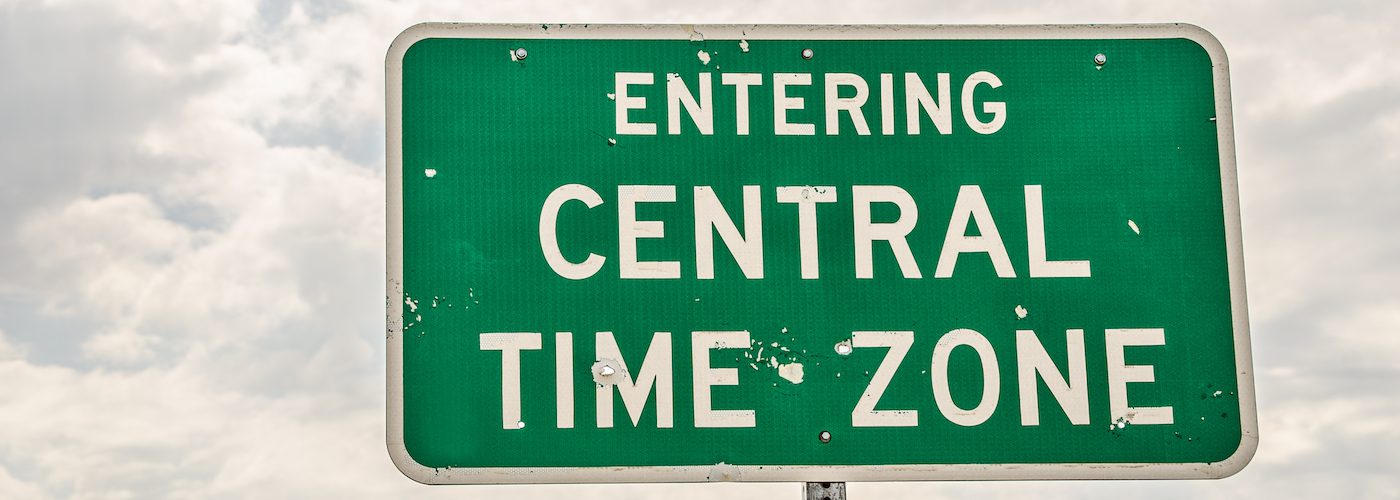
Chicago, like much of the central United States, operates under the Central Time Zone. This designation is pivotal for both residents and visitors, defining the rhythm of daily life in the Windy City.
The Basics of CST/CDT
During the winter months, from roughly early November to mid-March, Chicago observes Central Standard Time (CST). This means the local time is 6 hours behind Coordinated Universal Time (UTC), often written as UTC-6. UTC is the primary time standard by which the world regulates clocks and time, similar to how Greenwich Mean Time (GMT) was once used. Therefore, when it’s 12:00 PM UTC, it’s 6:00 AM in Chicago during CST.
When spring arrives, Chicago transitions to Central Daylight Time (CDT) as part of Daylight Saving Time. This shift moves the clocks forward by one hour, making Chicago 5 hours behind UTC, or UTC-5. This change typically occurs on the second Sunday in March, when clocks “spring forward,” and reverts back on the first Sunday in November, when they “fall back.” The purpose of Daylight Saving Time is to make better use of daylight, traditionally extending daylight into the evening hours during warmer months.
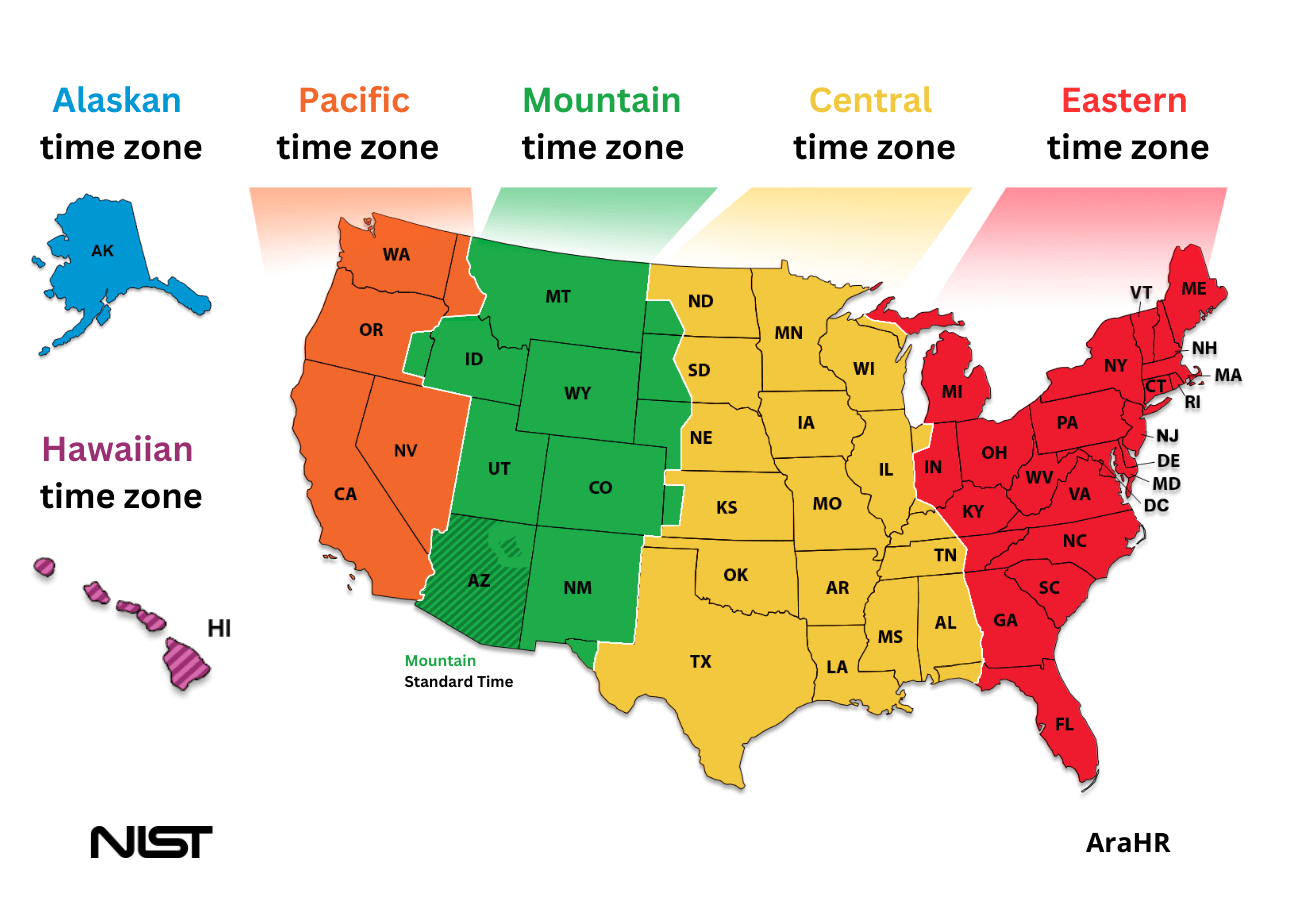
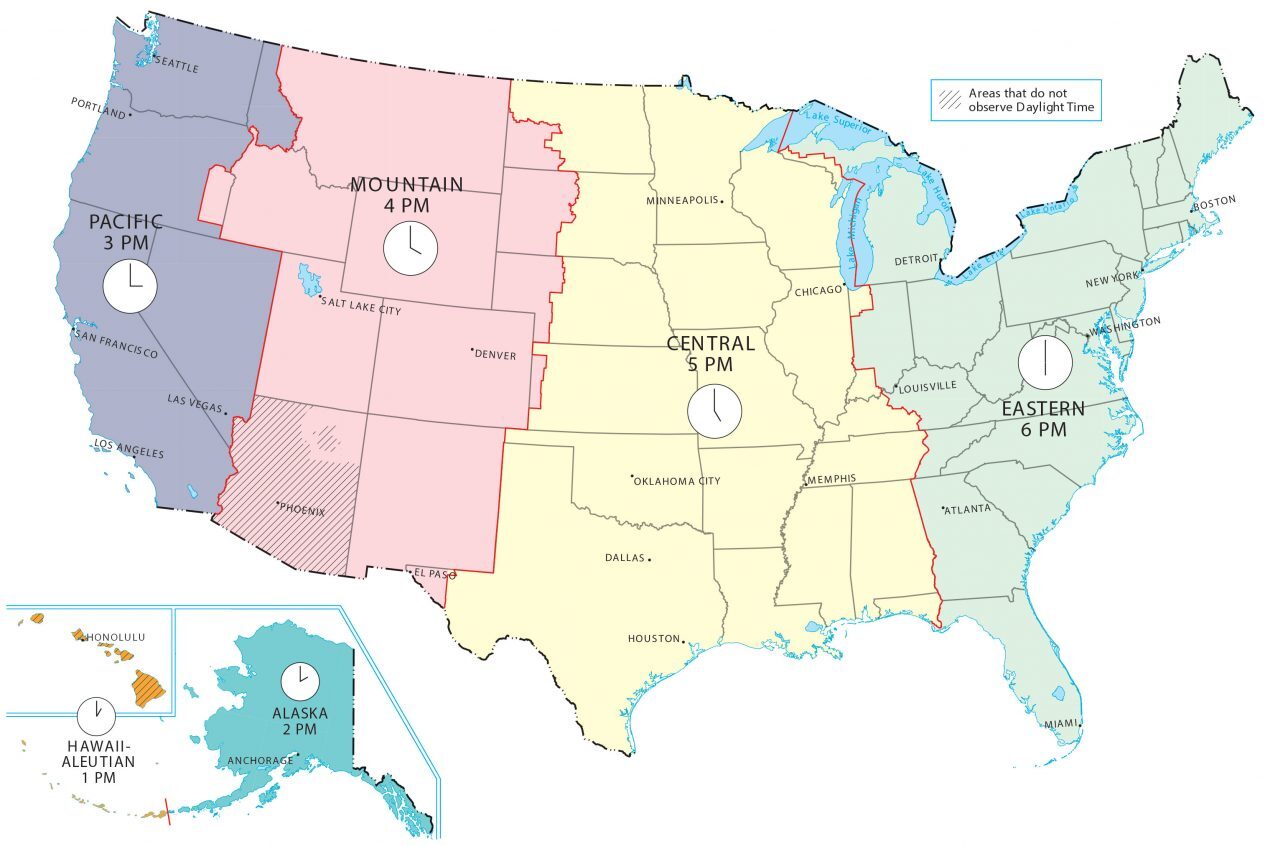
The Central Time Zone itself is a vast geographical area, encompassing all or parts of several U.S. states, including Alabama, Arkansas, Illinois, Iowa, Kansas, Kentucky (western part), Louisiana, Michigan (western part), Minnesota, Mississippi, Missouri, Nebraska, North Dakota, Oklahoma, South Dakota (eastern part), Tennessee (western part), and Texas. It also extends into parts of Canada and Mexico in North America. This broad coverage highlights Chicago’s central location within the country.
Daylight Saving Time in Chicago: When to “Spring Forward” and “Fall Back”
The transition between CST and CDT is a key event to be aware of, especially if your travel dates fall around these periods. In spring, typically the second Sunday in March at 2:00 AM local time, clocks are advanced to 3:00 AM. This means you “lose” an hour of sleep, but gain an hour of daylight in the evening. For travelers, this can affect early morning flights, hotel check-in times, and even the opening hours of attractions on that specific day. It’s often referred to as “springing forward.”
Conversely, in the fall, on the first Sunday in November at 2:00 AM local time, clocks are set back to 1:00 AM. This is when you “gain” an hour, reverting to Central Standard Time. While many appreciate the extra hour of sleep, it means sunsets occur earlier. This change, known as “falling back,” also requires attention to schedules, particularly if you have late-night plans or early morning departures around the transition day. For example, a flight scheduled for 2:30 AM on the day of the fall back might effectively depart an hour later than anticipated if not accounted for. Always double-check your bookings and local schedules during these transition periods.
Navigating Chicago’s Time Zone as a Traveler
Understanding Chicago’s time zone goes beyond just knowing the current hour; it’s about seamlessly integrating into the city’s rhythm and optimizing your travel experience.
Planning Your Chicago Itinerary
When planning your visit to Chicago, factoring in the Central Time Zone is essential for a smooth itinerary.
- Flights and Transportation: If you’re arriving at O’Hare International Airport (ORD) or Midway International Airport (MDW), ensure your flight times are correctly interpreted in Central Time. International travelers, especially, might experience significant time shifts.
- Hotel Check-ins and Check-outs: Most hotels in Chicago, from luxury properties like the Langham Chicago to boutique stays in River North or the Loop, adhere to standard check-in (often 3:00 PM or 4:00 PM) and check-out (typically 11:00 AM or 12:00 PM) times in local Central Time. Aligning your arrival and departure with these times can prevent unnecessary waiting or extra fees.
- Attraction Opening Hours: Chicago’s world-class attractions, such as the Art Institute of Chicago, Shedd Aquarium, Field Museum, and Navy Pier, all operate on Central Time. Always verify their schedules online, especially around holidays or during the Daylight Saving Time changes, to avoid disappointment. For example, if you plan to visit the Willis Tower Skydeck for sunset, knowing the local sunset time (which shifts with DST) is key.
- Dining and Entertainment: Chicago is a culinary paradise and a hub for live music and theater. Reservations for popular restaurants, tickets for Broadway in Chicago shows, or entry to a jazz club in Lincoln Park are all time-sensitive. Be mindful of the time difference when booking from another time zone to ensure you don’t miss out on your desired experiences.
Battling Jet Lag and Maximizing Your Stay
For travelers crossing multiple time zones, particularly those arriving from the West Coast (Pacific Time) or the East Coast (Eastern Time), or even internationally from Europe or Asia, jet lag can impact your initial days.
- Adjust Immediately: Upon arrival, try to switch to Chicago time as quickly as possible. Resist the urge to nap for too long if it’s daytime, and aim to stay awake until a reasonable local bedtime.
- Hydration and Light: Stay well-hydrated and seek natural light exposure. Spending time outdoors in Millennium Park or along Lake Michigan can help reset your internal clock.
- Smart Planning: Schedule less demanding activities for your first day. Consider a leisurely stroll through the Art Institute’s galleries or a casual boat tour of the Chicago River architecture instead of an intense museum crawl or a late-night show.
Business Travel Considerations
Chicago’s status as a major financial and business hub means many travelers visit for work. Understanding the Central Time Zone is paramount for business success.
- Meeting Schedules: When scheduling meetings, always clarify the time zone with your counterparts. If you’re connecting with colleagues on the East Coast, remember they are one hour ahead. With the West Coast, they are two or three hours behind, depending on the season.
- Communication: Adjust your communication patterns. Early morning calls might be suitable for East Coast contacts, while late afternoon might work better for those in California.
- Accommodation and Productivity: Many hotels like the Hyatt Regency Chicago or the Hilton Chicago offer business centers and 24/7 amenities. Utilize these to maintain productivity regardless of your internal clock, and schedule important tasks during your peak energy hours once adjusted to Central Time.
Chicago’s Rhythm: Time Zone and City Life
The Central Time Zone isn’t just a technical detail; it shapes the very pulse of Chicago, influencing everything from sunrise over Lake Michigan to the city’s late-night jazz scene.
Experiencing Chicago Across the Clock
Chicago’s time zone allows for a unique daily rhythm that visitors can fully immerse themselves in.
- Morning Serenity: Wake up early to catch the sunrise painting the skyscrapers of the Loop golden, or take a peaceful jog along the lakefront trail. Coffee shops open early, catering to the city’s busy commuters. Consider an early visit to Cloud Gate (The Bean) in Millennium Park before the crowds gather.
- Daytime Bustle: By mid-morning, the city is fully alive. Museums, shops along the Magnificent Mile, and offices are buzzing. Lunchtime in Chicago often sees a rush to diverse eateries, from deep-dish pizza joints to upscale dining experiences. A midday architectural boat tour offers a unique perspective on the city’s famed buildings.
- Evening Vibrancy: As evening approaches, Chicago transforms. The Willis Tower Skydeck and 360 Chicago observation decks offer breathtaking sunset views. The city’s theater district lights up with performances, while countless restaurants and bars fill with diners and revelers. Whether you’re catching a Cubs game at Wrigleyville or exploring the nightlife in Fulton Market, the Central Time Zone ensures a lively evening culture that extends well into the night.
- Late-Night Charm: For those who thrive after dark, Chicago offers an array of late-night options, from speakeasies to blues and jazz clubs that keep the city swinging until the early hours.
Connecting Chicago to the World
Chicago’s central geographical and temporal location within the United States is a strategic advantage. It acts as a crucial bridge between the East Coast and West Coast, facilitating national commerce and communication. Its major airports, O’Hare and Midway, are among the busiest in the world, serving as gateways connecting North America to international destinations like London, Paris, and beyond.
The Central Time Zone allows for manageable working hours that overlap significantly with both the Eastern and Pacific Time Zones, making Chicago an ideal hub for industries ranging from finance and manufacturing to technology and tourism. This central positioning enhances its appeal as a destination for international conventions and conferences, further solidifying its role as a global city.
Practical Tips for Time Zone Management in Chicago
Ensuring your clock is aligned with Chicago time is simple, but a few proactive steps can save you hassle and enhance your travel experience.
Essential Tools and Apps
Modern technology makes time zone management effortless.
- Smartphone Settings: Your smartphone or tablet will typically update automatically to the local time zone when you arrive in Chicago, provided location services are enabled. Always double-check this, especially after a long flight.
- World Clock Apps: Utilize world clock features on your phone or dedicated apps to keep track of both Chicago time and your home time zone. This is particularly useful for coordinating calls with family or colleagues.
- Smartwatches and Travel Alarms: If you rely on a smartwatch or a travel alarm clock, ensure it’s manually set to Central Time or automatically synced.
Double-Checking Schedules
While most digital systems handle time zone changes seamlessly, human error or outdated information can still pose problems.
- Confirm All Bookings: Before traveling and upon arrival, confirm all your reservations — flights, hotels, tours, restaurant bookings, and event tickets — citing local Chicago time.
- Daylight Saving Time Reminders: If your trip overlaps with the “spring forward” or “fall back” dates in March or November, pay extra attention. Set reminders or double-check with your hotel concierge about any local impacts on public transport or attraction hours.
- Local Information Sources: Consult official websites for attractions, transportation services (like the CTA), and event venues for the most accurate and up-to-date scheduling information.
In conclusion, understanding that Chicago, Illinois, observes the Central Time Zone – shifting between Central Standard Time (UTC-6) and Central Daylight Time (UTC-5) – is a fundamental aspect of planning any visit. By being aware of these time distinctions and their practical implications, you can ensure a smooth, enjoyable, and well-organized trip to this magnificent city. From catching a show in the theater district to exploring the vast collections of the Field Museum or enjoying a stroll through Grant Park and its stunning Buckingham Fountain, every moment in Chicago can be maximized when you’re perfectly in sync with its local time. So, set your watch, embrace the Central Time Zone rhythm, and get ready to experience all the wonders Chicago has to offer.
LifeOutOfTheBox is a participant in the Amazon Services LLC Associates Program, an affiliate advertising program designed to provide a means for sites to earn advertising fees by advertising and linking to Amazon.com. Amazon, the Amazon logo, AmazonSupply, and the AmazonSupply logo are trademarks of Amazon.com, Inc. or its affiliates. As an Amazon Associate we earn affiliate commissions from qualifying purchases.