
Nestled amidst the majestic peaks and expansive wilderness of the American West, Colorado stands as a beacon for adventurers, nature enthusiasts, and those seeking awe-inspiring landscapes. From the towering fourteeners of the Rocky Mountains to the vibrant urban tapestry of Denver, the Centennial State offers an unparalleled blend of natural beauty and cultural richness. Yet, beyond its iconic ski resorts and national parks, there lies a delicate symbol that encapsulates the very spirit of Colorado: its state flower. For many visitors and residents alike, discovering this emblematic bloom is an integral part of understanding the state’s natural heritage and contributes to a deeper appreciation for its diverse ecosystems. This article delves into the identity of Colorado’s state flower, exploring its unique characteristics, historical significance, and how you can experience its splendor firsthand on your next Colorado adventure.

Unveiling Colorado’s Botanical Emblem: The Rocky Mountain Columbine
At the heart of Colorado’s natural identity lies the exquisite and resilient Rocky Mountain Columbine (Aquilegia caerulea). This captivating wildflower, with its intricate structure and vibrant hues, perfectly embodies the rugged beauty and enduring spirit of the state it represents. Designated as the official state flower in 1899, the Columbine has captivated hearts for centuries, becoming a cherished symbol for Coloradans. Its presence signals the arrival of summer in the high country, transforming alpine meadows and forest edges into canvases of delicate artistry. Understanding this flower is not just about appreciating its aesthetics; it’s about connecting with a piece of Colorado’s soul.
A Glimpse into its Unique Beauty and Characteristics
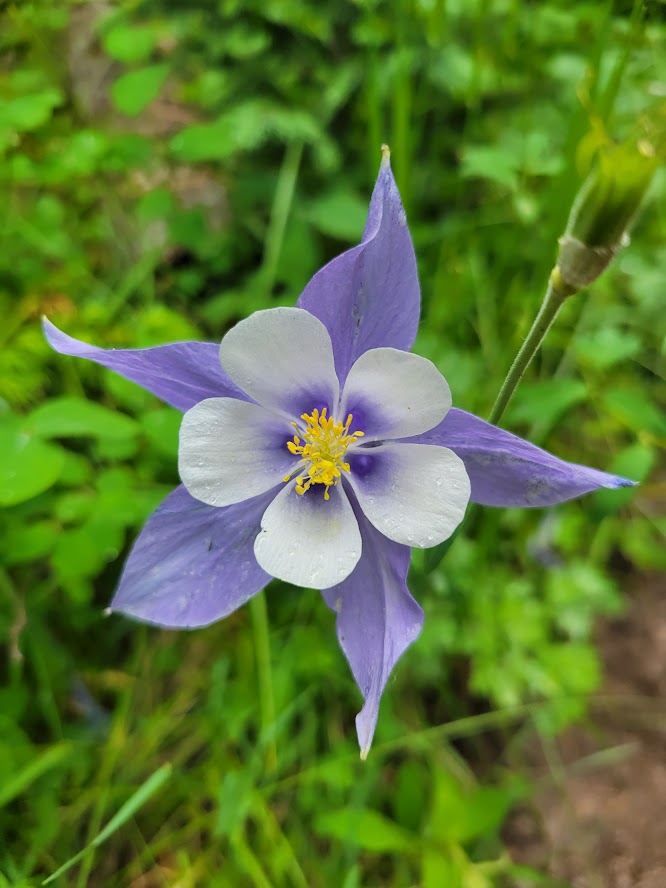
The Rocky Mountain Columbine is immediately recognizable by its distinctive spur-petaled blossoms. Typically, these flowers showcase a harmonious blend of sky blue sepals, white petals, and yellow stamens, creating a striking contrast that stands out against the lush green foliage of its mountainous habitat. However, variations exist, with some species displaying shades of lavender, pink, or even pure white. Each bloom measures approximately 2-3 inches in diameter and features five long, hollow spurs that extend backward from the flower, often containing nectar. These spurs are a crucial adaptation, attracting long-tongued pollinators like hawk moths and hummingbirds, which play a vital role in the flower’s reproductive cycle.
Growing to a height of 1 to 2 feet, the plant typically sports delicate, fern-like leaves that are deeply lobed and grayish-green, forming an attractive basal clump. The stems are slender and often branch out, supporting multiple blooms. Its ability to thrive in the often-harsh conditions of the Rocky Mountains, from subalpine forests to high alpine tundra, speaks volumes about its resilience. It typically prefers partial shade and well-drained soil, often found along stream banks, in open woods, and on rocky slopes at elevations ranging from 7,000 to 10,000 feet. The flowering season usually spans from late spring through mid-summer, typically peaking in June and July, making these months the ideal time for enthusiasts to witness its full glory.
The Journey to Becoming a State Symbol
The journey of the Rocky Mountain Columbine to becoming Colorado’s state flower is a story rooted in public sentiment and legislative action. In the late 19th century, as states across the United States began adopting official symbols, there was a growing movement in Colorado to select a flower that truly represented its unique natural beauty. School children, nature clubs, and local communities passionately advocated for the Columbine, drawn to its ethereal beauty and prevalence in the state’s mountains.
On April 4, 1899, this widespread public support culminated in the official designation of the white and lavender Rocky Mountain Columbine as the state flower by an act of the General Assembly. Further legislation in 1925 made it unlawful to uproot the flower on public lands and limited the number of blossoms that could be picked. This early conservation effort underscored the flower’s importance not just as a symbol, but as a vital part of Colorado’s natural heritage that needed protection. The law also prohibited the commercial sale of the flower, ensuring its wild beauty would not be exploited. This history reflects Colorado’s long-standing commitment to preserving its natural environment, a value that continues to shape its tourism and conservation policies today. The image of the Columbine is proudly displayed on the state’s license plates and official documents, cementing its place as an enduring icon of Colorado.
Discovering the Columbine in its Natural Habitat
For travelers eager to connect with nature and witness the Rocky Mountain Columbine in its authentic setting, Colorado offers a multitude of breathtaking locations. Incorporating a columbine-centric experience into your itinerary is a fantastic way to enhance your travel through the state, blending scenic drives with invigorating hikes and opportunities for stunning photography. The quest to find this delicate bloom often leads adventurers to some of Colorado’s most spectacular landscapes, making the journey as rewarding as the destination itself.
Premier Locations for Columbine Spotting
The high country of Colorado is where the Rocky Mountain Columbine truly thrives. One of the most iconic places to see it is within Rocky Mountain National Park. Trails such as those around Bear Lake, Emerald Lake, and Sprague Lake, as well as the subalpine meadows accessible via Trail Ridge Road, are prime viewing spots during the summer months. The park’s diverse ecosystems provide ideal conditions for the Columbine, often found alongside other vibrant wildflowers.
Beyond the national park, numerous state parks and national forests across Colorado offer excellent opportunities. San Juan National Forest in southwestern Colorado, near towns like Telluride, Ouray, and Silverton, is renowned for its spectacular wildflower displays, with the Columbine being a prominent feature. The legendary Maroon Bells-Snowmass Wilderness near Aspen also boasts extensive fields of Columbines in season, creating postcard-perfect vistas against the backdrop of the iconic twin peaks. For those visiting Vail or Breckenridge, numerous hiking trails around these ski towns transform into wildflower havens in summer, offering accessible viewing opportunities close to luxury resorts and charming alpine villages. Even closer to Denver and Boulder, visitors can find Columbines in the foothills of the Front Range in areas like Golden Gate Canyon State Park or along scenic drives such as the Mount Evans Scenic Byway. For a more curated experience, the Denver Botanic Gardens often features various Columbine species in its dedicated native plant sections, providing an excellent opportunity to learn about the flower in a controlled environment.
Best Times to Witness the Bloom

Timing is everything when planning a trip specifically to see the Rocky Mountain Columbine. Generally, the prime blooming season extends from late May through early August, with the peak typically occurring in June and July. However, the exact timing can vary significantly based on elevation, snowmelt, and the specific weather patterns of a given year.
At lower elevations (around 7,000-8,000 feet), such as the foothills west of Denver, Columbines may begin to appear in late May. As the season progresses and the snow retreats higher into the mountains, the bloom moves upwards. By late June and early July, the mid-elevation trails (8,000-10,000 feet) in areas like Rocky Mountain National Park or near Aspen and Vail are often awash with Columbines. In the highest alpine zones, above the tree line, the flowering period might be condensed into a shorter window in late July and early August. To get the most accurate current information, it’s always advisable to check local park ranger stations, visitor centers, or online wildflower reports just before your visit. These resources can provide up-to-date conditions and suggest the best trails for current blooms, ensuring your efforts to witness Colorado’s state flower are well-rewarded.
Respecting Nature: Conservation and Ethical Viewing
While the allure of the Rocky Mountain Columbine is undeniable, it’s paramount for visitors to practice responsible tourism and respect the conservation efforts in place. Remember, the flower is legally protected in Colorado. It is illegal to pick the Rocky Mountain Columbine on public lands. Even on private property, it’s best to admire it from a distance and leave it undisturbed for others to enjoy and for the plant to propagate naturally.
When hiking in areas where Columbines grow, always stay on marked trails. Trampling off-trail can damage not only the flowers but also the delicate ecosystems that support them. If you wish to capture its beauty, photography is the perfect way to do so without causing harm. Use a zoom lens to get close-up shots, and avoid stepping into flowerbeds. Educate yourself and your travel companions about “Leave No Trace” principles, which advocate for minimizing your impact on the natural environment. By adhering to these guidelines, you contribute to the preservation of this cherished symbol and ensure that future generations can also experience the magic of Colorado’s state flower in its pristine mountain habitat. Your responsible actions are a vital part of sustaining the natural beauty that draws so many to the Centennial State.
Planning Your Columbine-Inspired Colorado Adventure
Integrating the search for Colorado’s state flower into your travel plans can elevate a standard vacation into a truly immersive natural experience. Whether you’re a seasoned hiker, a casual sightseer, or a family looking for educational opportunities, Colorado offers myriad ways to appreciate the Rocky Mountain Columbine while enjoying all the state has to offer. Crafting an itinerary that combines flower spotting with other attractions, suitable accommodation, and local culture will create unforgettable memories.
Curating Your Travel Itinerary
To make the most of your Columbine adventure, consider basing your trip around regions known for their abundant wildflowers and stunning scenery. For example, a journey through the Rocky Mountain National Park area could involve staying in nearby Estes Park and spending several days hiking various trails, keeping an eye out for the delicate blooms. You could then extend your trip south to Breckenridge or Vail, where alpine meadows burst with color in the summer, offering opportunities for gondola rides with panoramic views or guided wildflower walks.
Alternatively, explore the dramatic landscape of southwestern Colorado. A road trip through the San Juan Mountains, connecting towns like Ouray, Telluride, and Durango via the Million Dollar Highway, will not only provide incredible vistas but also access to numerous hiking trails where Columbines flourish. Consider incorporating a visit to the Mesa Verde National Park nearby, blending natural beauty with rich historical and cultural experiences. For those flying into Denver, beginning with a visit to the Denver Botanic Gardens can offer an excellent introduction to native flora before venturing into the wild. Remember to factor in travel time between destinations, especially during peak season, and always book accommodations and any guided tours in advance.
Accommodation Choices for Every Traveler
Colorado’s diverse landscape is matched by its wide array of accommodation options, ensuring that every traveler, from the luxury seeker to the budget-conscious backpacker, can find a perfect place to stay during their Columbine quest.
In popular tourist hubs like Aspen, Vail, and Telluride, you’ll find an abundance of upscale resorts and boutique hotels offering world-class amenities, gourmet dining, and often direct access to hiking trails. Properties such as The Little Nell in Aspen or The Sebastian in Vail provide a luxurious base for exploring the surrounding wildflowers and enjoying post-hike pampering.
Mid-range hotels and charming bed and breakfasts are plentiful in towns like Estes Park, Ouray, and Georgetown, offering comfortable stays and local character. Many B&Bs pride themselves on providing insider tips for local hikes and scenic drives, enhancing your chances of finding Columbines.
For budget travelers or those seeking a more rustic experience, campgrounds are available in most national parks and forests, allowing for an immersive experience sleeping under the stars amidst nature. Alternatively, vacation rentals, from cozy cabins to spacious apartments, can be found on platforms like Airbnb or VRBO in almost any town, offering flexibility and often better value for families or longer stays. When choosing accommodation, consider proximity to your planned hiking routes and local amenities. Booking in advance, especially for summer travel, is highly recommended to secure your preferred options and avoid disappointment.
Beyond the Bloom: Integrating Local Culture and Activities
While the Rocky Mountain Columbine might be the focal point of your trip, Colorado offers a wealth of other activities and cultural experiences to enrich your visit. After a morning of hiking and wildflower photography, explore the vibrant arts scenes in cities like Denver or Boulder, known for their craft breweries, farm-to-table restaurants, and lively music venues. You could visit the Denver Art Museum or stroll through the historic Larimer Square.
For history buffs, the mining towns of Georgetown, Leadville, or Cripple Creek offer a glimpse into Colorado’s rich past, with well-preserved architecture and fascinating museums. Ride the Georgetown Loop Railroad for a historic scenic journey or explore the cliff dwellings at Mesa Verde National Park.
Outdoor enthusiasts can further their adventure with activities such as white-water rafting on the Arkansas River, rock climbing in Garden of the Gods near Colorado Springs, or exploring the vast dunes at Great Sand Dunes National Park and Preserve. Many towns also host summer festivals, from music and art fairs to food and wine tastings, offering a taste of local culture and community spirit. Combining your quest for the Columbine with these diverse activities creates a holistic travel experience, showcasing the multifaceted charm of Colorado and catering to a lifestyle that values both natural beauty and cultural engagement.
Embracing the Spirit of Colorado Through its State Flower
The Rocky Mountain Columbine is far more than just a pretty bloom; it is a living emblem that beautifully encapsulates the essence of Colorado. Its delicate yet resilient nature mirrors the spirit of the people and the landscape of the Centennial State—a place of unparalleled beauty, robust strength, and a deep-seated connection to the natural world. From its intricate design to its historical significance and the legal protections it enjoys, the Columbine invites us to pause, appreciate, and conserve the fragile ecosystems that define this remarkable region.
For any traveler journeying through Colorado, seeking out the state flower provides a unique and enriching dimension to their experience. It encourages exploration of high alpine meadows, scenic forest trails, and picturesque mountain towns, all while fostering a deeper appreciation for native flora and the importance of responsible tourism. Whether you’re planning a luxurious escape to Aspen, a rugged backpacking trip into the San Juan Mountains, or a family vacation around Rocky Mountain National Park, making time to witness the Columbine in its natural splendor is an absolute must. It’s an experience that transcends mere sightseeing, offering a quiet moment of connection with the wild heart of Colorado. As you hike through fields dotted with these exquisite flowers, you’re not just observing nature; you’re participating in a timeless tradition of admiration for a bloom that has charmed and inspired generations. So, pack your bags, lace up your hiking boots, and prepare to be enchanted by the delicate magnificence of Colorado’s state flower on your next unforgettable journey.
LifeOutOfTheBox is a participant in the Amazon Services LLC Associates Program, an affiliate advertising program designed to provide a means for sites to earn advertising fees by advertising and linking to Amazon.com. Amazon, the Amazon logo, AmazonSupply, and the AmazonSupply logo are trademarks of Amazon.com, Inc. or its affiliates. As an Amazon Associate we earn affiliate commissions from qualifying purchases.