
For residents of Louisiana, the annual anticipation of a tax refund can be akin to waiting for a much-anticipated travel bonus. It’s not just about compliance; for many, it’s a potential windfall that could fund a dream vacation, an upgraded staycation, or simply provide a welcome boost to the household budget. When that refund doesn’t arrive as expected, it can introduce a layer of financial uncertainty that impacts lifestyle choices, including future travel plans. Understanding the intricacies of the Louisiana Department of Revenue (LDR) system, particularly when a refund is delayed, is crucial for financial peace of mind and planning your next adventure.
The LDR has been diligently working to modernize its systems, aiming for greater efficiency and transparency in processing tax returns and refunds. However, even with the most advanced systems, delays can occur, leaving taxpayers in limbo. This comprehensive guide will walk you through the process of checking your refund status, delve into the common reasons for delays, and provide actionable advice to ensure your next filing is as smooth as a Mississippi River cruise. More importantly, we’ll explore how to transform that long-awaited refund into memorable travel experiences or enhanced lifestyle choices within the vibrant state of Louisiana and beyond.
Navigating the Louisiana Department of Revenue (LDR) Refund System
The journey of your tax refund begins the moment you file your return. Understanding the system that processes this crucial financial transaction is the first step toward managing your expectations and proactively addressing any potential issues. The LDR has made significant strides in recent years to enhance the taxpayer experience, moving away from older, less integrated systems to a more streamlined, digital approach.
The Shift from CRS to a Modernized LDR
Historically, the Louisiana tax system relied on a legacy platform often referred to as CRS (Compliance Revenue System). While functional, this older system presented various challenges in terms of speed, integration, and the overall taxpayer experience. Recognizing the need for a contemporary solution, the Louisiana Department of Revenue (LDR) embarked on an ambitious modernization initiative. This overhaul involved the implementation of a new, state-of-the-art tax administration system designed to improve efficiency across all facets of tax processing, from filing to refunds.
This modernization isn’t just about technological upgrades; it’s about fostering a more responsive and transparent relationship between the state and its taxpayers. The new system aims to reduce manual processing errors, expedite refund disbursements, and provide taxpayers with more robust self-service options. While such transitions can sometimes lead to temporary adjustments and unforeseen quirks, the long-term goal is to ensure a smoother, more predictable experience for everyone. For those planning their next vacation or considering an upgrade to their travel accommodations, a reliable and timely refund process is paramount to financial planning. The shift to a modernized LDR reflects a commitment to supporting the financial well-being of Louisiana residents, enabling them to confidently pursue their lifestyle and travel aspirations.
Your Digital Guide: Checking Your Refund Status Online
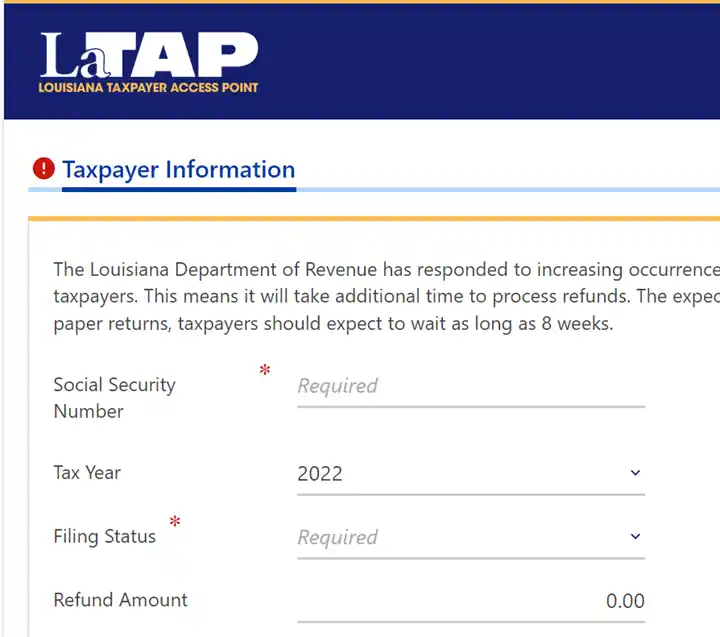
One of the most valuable features introduced by the modernized LDR system is the user-friendly “Where’s My Refund” online tool. This digital portal empowers taxpayers to track the status of their individual income tax refund with ease, eliminating the need for prolonged phone calls or visits to a Taxpayer Service Center during normal processing times. This level of accessibility is a game-changer, providing immediate gratification and crucial information that allows individuals to plan their finances, including how they might allocate their refund for an exciting trip or a luxurious stay.
To utilize this convenient online tool, taxpayers will need to provide a few key pieces of information, ensuring the security and privacy of their financial data. These typically include:
- Your Social Security Number (SSN) or Individual Taxpayer Identification Number (ITIN): This is essential for verifying your identity and accessing your specific tax record.
- Your Filing Status: Whether you filed as Single, Married Filing Jointly, Married Filing Separately, Head of Household, or Qualifying Widow(er), this information helps the system locate your return.
- The Exact Refund Amount: This figure must match the amount indicated on your filed tax return. Any discrepancy here can lead to issues in retrieving your status or might even be an indication of an error in your filing that needs to be addressed.
Once you enter this information on the LDR website’s “Where’s My Refund” page, the system will typically display one of several statuses:
- Received: Your return has been received by the LDR.
- Processing: Your return is currently being reviewed.
- Approved: Your refund has been approved, and a disbursement date will usually be provided.
- Sent: Your refund has been issued via direct deposit or check.
Having real-time access to your refund status not only alleviates anxiety but also empowers you to make informed decisions about your financial planning. Knowing when to expect your funds can mean the difference between booking that coveted hotel suite in New Orleans or waiting for another pay cycle. It’s a tool designed to support a proactive and stress-free financial lifestyle.
Common Hurdles: Why Your Louisiana Refund Might Be Delayed
The expectation of a timely tax refund is a natural one, especially when you’ve planned to use those funds for something special, like a family trip to the Audubon Zoo or a romantic getaway. However, various factors can cause a hold-up in the processing of your Louisiana state refund. Understanding these common delays can help you troubleshoot issues or, even better, prevent them in future filings, ensuring your financial plans stay on track.
Unpacking Common Filing Errors and Missing Information
One of the most frequent culprits behind delayed refunds stems from errors or missing information on the tax return itself. Even minor mistakes can trigger a manual review process, which naturally extends the time it takes for your refund to be issued. The digital nature of e-filing has reduced some types of errors, but human oversight still plays a role.
Common errors include:
- Incorrect Social Security Numbers (SSNs) or ITINs: A transposed digit for yourself, a spouse, or a dependent can render your return unmatchable in the system.
- Mismatched Filing Status: Selecting the wrong filing status can lead to recalculations and delays.
- Incorrect Bank Account Information: If you opt for direct deposit, ensuring your bank routing number and account number are absolutely correct is paramount. A single incorrect digit can send your refund to the wrong account or cause it to bounce back to the LDR, requiring a paper check to be issued, which takes significantly longer.
- Missing or Incorrect Information on Supporting Forms: For example, Form 8453, “U.S. Individual Income Tax Transmittal for an IRS e-file Return,” is used to transmit paper documents that are part of an electronically filed return. If this or other required forms (like W-2s, 1099s, or schedules) are missing or contain inaccuracies, your refund will likely be held.
- Mathematical Errors: Simple addition or subtraction mistakes, especially if you’re manually entering figures, can throw off your return. While tax software often catches these, double-checking is always wise.
The LDR must verify the accuracy of all information before releasing funds. This due diligence protects both the state and the taxpayer. The best way to avoid these delays is meticulous attention to detail during the filing process, ideally leveraging tax software that offers error-checking functionalities. For travelers who rely on these funds for booking flights or hotel stays, proactive error prevention is key to a stress-free experience.
Safeguarding Your Finances: Identity Verification and Fraud Prevention
In an era where cybercrime and identity theft are rampant, the Louisiana Department of Revenue (LDR) takes robust measures to protect taxpayers from fraud. While these safeguards are absolutely necessary, they can sometimes lead to delays in refund processing, especially if there are anomalies detected in your return that trigger a closer look for potential identity theft.
When the LDR suspects that a tax return might not have been filed by the legitimate taxpayer, they will initiate an identity verification process. This often involves sending a letter to the taxpayer requesting additional information or requiring them to verify their identity online or in person. Common triggers for such reviews include:
- Multiple returns filed under the same Social Security Number.
- A sudden change in filing patterns or income reporting that deviates significantly from previous years.
- Returns filed with an unusual address or bank account information.
- Filing a return using an Identity Protection PIN (IP PIN) that doesn’t match the LDR’s records.
While these security checks can be frustrating when you’re eagerly awaiting your refund, they are vital for preventing criminals from claiming your rightful funds. The delay ensures that your money doesn’t fall into the wrong hands, safeguarding your financial health and ultimately your ability to fund travel and lifestyle aspirations. If you receive a letter from the LDR requesting identity verification, respond promptly and accurately to minimize further delays. Your patience here contributes to a more secure financial ecosystem for all Louisiana residents.
The Nuances of Tax Credits: EITC and CTC Considerations
Certain tax credits, while incredibly beneficial to eligible taxpayers, can sometimes lead to extended processing times for refunds. The Earned Income Tax Credit (EITC) and the Child Tax Credit (CTC) are two prominent examples. These credits are often targeted by fraudulent filers due to their significant refund potential, prompting tax authorities, including the LDR, to apply additional scrutiny to returns claiming them.
- Earned Income Tax Credit (EITC): This federal and state credit is designed to help low-to-moderate-income workers and families. Due to its complexity and a history of improper claims, returns claiming the EITC often undergo a more thorough review. The LDR may verify income, residency, and qualifying child information, which can add weeks to the refund timeline.
- Child Tax Credit (CTC): Similarly, the CTC, especially with recent legislative changes and expansions, requires careful verification of qualifying children and income thresholds. Any discrepancies or flags in this area can trigger manual review.
The additional review period for EITC and CTC claims is a protective measure to ensure that these valuable credits are disbursed to eligible individuals and families, preventing fraud and protecting taxpayer dollars. For those relying on these credits to boost their financial standing or fund essential family expenditures, including family vacations or upgrades to their home environment, it’s important to factor in potential delays. Filing early and ensuring all documentation related to these credits is accurate and readily available can help streamline the process. Understanding these nuances helps manage expectations and allows for better planning for the family’s next adventure, perhaps exploring the historic sites of Natchitoches or the vibrant culture of Lafayette.
Beyond the Screen: When to Contact LDR for Assistance
While the “Where’s My Refund” tool is highly effective for general status checks, there are situations where direct communication with the Louisiana Department of Revenue (LDR) becomes necessary. This is particularly true if your online status indicates an issue, your refund is significantly delayed beyond typical processing times (usually 6-8 weeks for e-filed returns and longer for paper returns), or you’ve received a letter requesting further action.
The LDR provides several avenues for direct assistance:
- Taxpayer Service Centers: Louisiana maintains several regional Taxpayer Service Centers across the state, including in major cities like Baton Rouge, New Orleans, and Shreveport. Visiting a center allows for face-to-face interaction with an LDR representative who can access your account details and provide personalized guidance. It’s advisable to bring all relevant tax documents, identification, and any correspondence from the LDR to your appointment.
- Phone Lines: The LDR operates dedicated phone lines for taxpayer inquiries. While hold times can sometimes be long, especially during peak tax season, speaking with a representative can often resolve complex issues that the online tool cannot address. Be prepared to provide your SSN/ITIN, filing status, and refund amount, along with details of your inquiry.
- Written Correspondence: In some cases, particularly for appeals or complex adjustments, written correspondence might be required. Always retain copies of any letters sent to or received from the LDR.
When contacting the LDR, maintain a polite and organized approach. Have all your documentation ready and clearly articulate your issue. While no one enjoys dealing with tax complications, a proactive and informed approach to communication can significantly expedite the resolution process, getting you closer to enjoying that hard-earned refund on your chosen lifestyle or travel experience.
Streamlining Your Refund Process: Tips for a Smoother Experience
While some refund delays are unavoidable due to rigorous fraud prevention or systemic issues, many can be circumvented by adopting best practices in tax filing. By taking proactive steps, Louisiana taxpayers can significantly increase their chances of receiving their state refund promptly, allowing for more confident financial planning for travel, accommodation, and lifestyle enhancements.
The Power of E-Filing and Direct Deposit
Without a doubt, the most effective strategies for accelerating your Louisiana state tax refund are e-filing your return and opting for direct deposit of your refund. These two methods work in tandem to create the fastest and most secure refund delivery system available.
- E-Filing: When you electronically file your tax return, the data is transmitted directly to the Louisiana Department of Revenue (LDR) in a digital format. This eliminates the need for manual data entry at the LDR’s end, drastically reducing the potential for transcription errors and speeding up the initial processing phase. E-filed returns also tend to pass through automated error checks more efficiently than paper returns, which often require human review even for minor discrepancies. The average processing time for e-filed returns is significantly shorter, typically within a few weeks compared to months for paper returns.
- Direct Deposit: Once your refund is approved, choosing direct deposit ensures that the funds are transferred electronically directly into your designated bank account. This bypasses the postal service entirely, eliminating mail delivery delays, the risk of lost or stolen checks, and the time it takes to deposit a paper check yourself. It’s the most secure and efficient way to receive your money.
By combining e-filing with direct deposit, you are utilizing the most streamlined path for your refund. This proactive approach not only reduces stress but also provides greater certainty about when your funds will arrive, empowering you to make timely decisions about booking that hotel for a New Orleans jazz festival weekend or securing a rental for a road trip through Cajun Country. The convenience and speed offered by these methods are invaluable for managing your lifestyle and travel budget effectively.
Leveraging LDR’s New Online Self-Service Features
Beyond the “Where’s My Refund” tool, the Louisiana Department of Revenue (LDR)’s modernization efforts have introduced a suite of new online self-service features designed to enhance taxpayer convenience and control. These tools are part of a broader strategy to empower residents with accessible digital resources, reducing the reliance on phone calls or in-person visits for routine tasks.
Key features often include:
- Personalized Online Accounts: Many modern tax systems, including the LDR’s, allow taxpayers to create secure online accounts. These accounts serve as a central hub for managing your tax affairs, offering a consolidated view of your filing history, past payments, and current balances. This can be incredibly useful for verifying information or retrieving past tax documents.
- Online Payment Options: If you owe taxes, these portals typically provide various secure online payment methods, simplifying compliance and helping avoid penalties.
- Secure Messaging: For specific inquiries, some platforms offer secure messaging systems, allowing you to communicate directly with LDR representatives about your account in a confidential and documented manner.
- Update Contact Information: The ability to update your address or other contact details online ensures that the LDR has your most current information, preventing delays in receiving important correspondence related to your refund or account.
Familiarizing yourself with and actively utilizing these online self-service features can significantly streamline your overall tax experience. They offer a proactive way to manage your obligations, monitor your refund status, and quickly address any minor issues that may arise. For individuals who value efficiency and digital convenience in all aspects of their lives, these tools are indispensable. They free up time and mental energy that can then be devoted to planning your next unforgettable experience, whether it’s exploring the historic Garden District of New Orleans or venturing into the natural beauty of the Atchafalaya Basin.
From Refund to Retreat: Making the Most of Your Louisiana State Funds
Once your Louisiana state refund finally arrives, it represents more than just a return of overpaid taxes; it’s an opportunity. This unexpected influx of funds can be the catalyst for realizing long-held travel dreams, enhancing your immediate surroundings, or indulging in lifestyle upgrades. For those who call Louisiana home, or those simply passing through, the state offers a treasure trove of experiences, from vibrant cultural hubs to serene natural landscapes. Let’s explore how you can transform your refund into unforgettable memories and enriching experiences.
Exploring Louisiana’s Vibrant Culture and Destinations
Louisiana is a state rich in unique culture, history, and natural beauty. Your tax refund can unlock a plethora of travel and tourism experiences right within its borders.
- New Orleans: The Crescent City’s Allure: No visit to Louisiana is complete without immersing yourself in New Orleans. Your refund could cover a comprehensive tour of the historic French Quarter, including a stroll through Jackson Square, listening to live jazz on Bourbon Street, and indulging in world-class Creole and Cajun cuisine. Consider using your refund for a riverboat cruise on the Mississippi River or a visit to the National WWII Museum. For families, the Audubon Aquarium of the Americas offers an incredible aquatic adventure. During Mardi Gras, it can help with accommodations and festivities.
- Baton Rouge: Capital City Charms: As the state capital, Baton Rouge offers a blend of history and modern attractions. Your refund could finance a visit to the Old State Capitol, tour the LSU Rural Life Museum, or explore the USS Kidd Veterans Museum. It’s a great base for exploring nearby plantations like Houmas House Plantation, Oak Alley Plantation, and Laura Plantation.
- Cajun Country: A Taste of Authentic Louisiana: Head west to Lafayette and the heart of Cajun Country. Your refund could fund a swamp tour through the Atchafalaya Basin, a visit to Vermilionville Living History Museum, or a culinary journey to sample authentic gumbo, étouffée, and boudin. Don’t forget to visit Avery Island, home of the Tabasco Factory.
- Shreveport and Bossier City: Northern Hospitality: In northern Louisiana, these sister cities offer gaming, outdoor recreation along the Red River, and attractions like the Sci-Port Discovery Center. Your refund could facilitate a weekend getaway to enjoy a blend of entertainment and nature.
- Historical Gems: Explore the quaint streets of Natchitoches, Louisiana’s oldest settlement, or the charming town of St. Francisville, known for its historic homes and gardens. For beach lovers, a trip to Lake Charles can offer a coastal retreat. Your refund can provide the means to delve into the rich history and diverse landscapes that make Louisiana truly unique.
Elevating Your Stay: Accommodation Options with Your Refund
A substantial tax refund can significantly upgrade your travel experience by allowing you to choose better accommodations. Instead of budget motels, envision staying in luxurious hotels, charming boutique inns, or unique resorts.
- Luxury Hotels in New Orleans: Indulge in the elegance of hotels like the historic Hotel Monteleone in the French Quarter or the opulent The Roosevelt New Orleans, A Waldorf Astoria Hotel. These establishments offer exceptional service, exquisite dining, and amenities like rooftop pools and spas, transforming a simple trip into a pampered retreat.
- Boutique Hotels and Bed & Breakfasts: For a more intimate experience, consider boutique hotels in areas like the Garden District or charming bed and breakfasts in towns like Covington or Mandeville. Your refund can cover the cost of a stay that offers personalized service and a unique local flavor, often in historically significant buildings.
- Resorts and Plantation Stays: Use your refund to book a stay at one of Louisiana’s picturesque plantation homes, some of which offer overnight accommodations. Alternatively, explore resorts in Lake Charles that combine leisure activities with upscale lodging.
- Vacation Rentals: For longer stays or family trips, a vacation rental – a spacious apartment or a private villa – can offer more flexibility, privacy, and amenities like full kitchens, providing a home-away-from-home experience that a standard hotel might not. Your refund can easily make these options more accessible.
Choosing higher-quality accommodation not only enhances comfort but also contributes significantly to the overall enjoyment and relaxation of your travel experience, leaving you refreshed and invigorated.
Lifestyle Choices: From Budget-Friendly Adventures to Luxury Escapes
The flexibility provided by your tax refund empowers diverse lifestyle choices, whether you’re a budget-conscious traveler or someone who prefers the finer things in life.
- Budget-Friendly Adventures: Even with a modest refund, you can plan several exciting, yet affordable, trips within Louisiana. Think camping trips in state parks, exploring free museums and historical sites, or participating in local festivals. Your refund might cover fuel, entrance fees, and delicious local food, enabling multiple small adventures throughout the year. For instance, a trip to Alexandria could involve exploring the local zoo and art museum without breaking the bank.
- Mid-Range Getaways: A moderate refund can upgrade a standard trip to a more comfortable one. This might involve staying in nicer hotels, enjoying more restaurant meals, or splurging on guided tours that enhance your understanding of local culture and history. It’s about maximizing value and comfort without extravagance.
- Luxury Escapes: A significant refund could be the key to that once-in-a-lifetime luxury experience. Imagine a gourmet culinary tour of New Orleans, a private swamp tour with a personal guide, or an extended stay in a five-star resort. This level of spending allows for unparalleled experiences, offering bespoke services and exclusive access that redefine travel as a truly indulgent lifestyle choice. Beyond Louisiana, a generous refund could even contribute to an international journey, providing funds for premium flights or upscale accommodations in global destinations.
Ultimately, your Louisiana state refund is a versatile financial tool. By understanding the refund process and actively planning its use, you can transform it from a mere financial transaction into a gateway for enriching your life, exploring new destinations, and creating lasting memories. So, while waiting for “Where’s My Louisiana State Refund?” can be taxing, the eventual payout can be the launchpad for your next great adventure or a welcome enhancement to your daily lifestyle.
LifeOutOfTheBox is a participant in the Amazon Services LLC Associates Program, an affiliate advertising program designed to provide a means for sites to earn advertising fees by advertising and linking to Amazon.com. Amazon, the Amazon logo, AmazonSupply, and the AmazonSupply logo are trademarks of Amazon.com, Inc. or its affiliates. As an Amazon Associate we earn affiliate commissions from qualifying purchases.