
Embarking on a journey through the scenic beauty and rich history of Connecticut promises an unforgettable experience, whether you’re exploring the coastal charm of Mystic, delving into the academic prestige of New Haven, or conducting business in the bustling financial hubs of Stamford and Hartford. From luxurious resort stays to quaint bed and breakfasts, from gourmet dining to casual roadside eateries, and from world-class museums to thrilling casinos, the Nutmeg State offers a diverse array of attractions and accommodations. However, as with any travel destination, understanding the local tax landscape is crucial for meticulous budget planning and ensuring a smooth, surprise-free trip. The Connecticut sales tax, while seemingly straightforward, carries specific nuances that directly impact the cost of your travel, accommodation, dining, and shopping experiences.
This comprehensive guide will unpack the intricacies of Connecticut’s sales tax, tailoring the information specifically for travelers, tourists, and those seeking accommodation or lifestyle experiences within the state. We’ll explore the standard sales tax rate, delve into special rates for hotels and restaurant meals, and outline how these taxes apply to various aspects of your trip, from booking a suite at The Blake Hotel in New Haven to purchasing souvenirs at the Mystic Seaport Museum. By providing a clear understanding of these financial considerations, we aim to help you optimize your spending, avoid unexpected charges, and fully immerse yourself in all that Connecticut has to offer. Whether you’re planning a romantic getaway, a family adventure, a solo exploration, or an essential business stay, being well-informed about the state’s sales tax will undoubtedly enhance your overall Connecticut experience.
Understanding Connecticut’s Sales Tax for Travelers
For any traveler, whether venturing into Connecticut for a leisurely vacation or an urgent business trip, grasping the fundamental structure of the state’s sales tax is the first step toward effective financial planning. Unlike some destinations that might have highly localized or varying sales tax rates, Connecticut operates with a generally consistent statewide sales tax, though it does feature specific rates for certain categories, which are particularly relevant to the tourism and hospitality sectors.
The Standard Rate and What It Means for Your Purchases
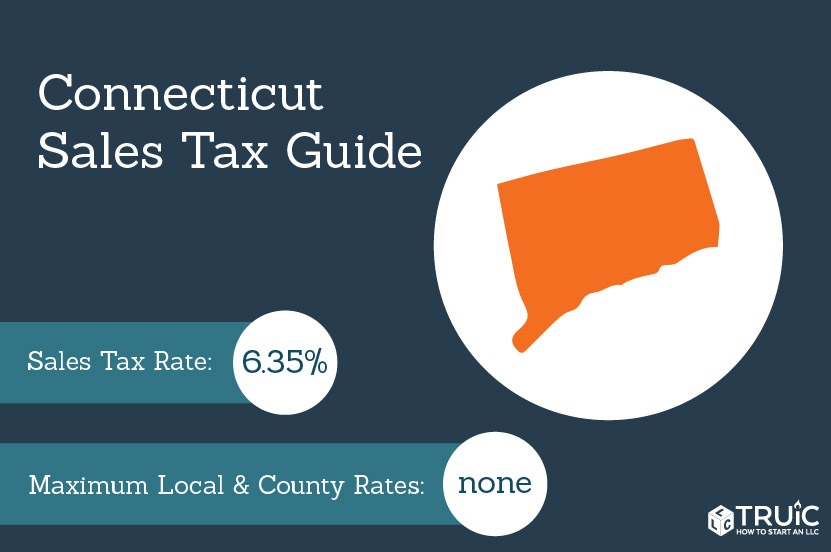
The bedrock of Connecticut’s sales tax system is its standard rate, which applies to most retail sales of tangible personal property and a broad range of services. Currently, the standard sales tax rate in Connecticut is 6.35%. This rate will apply to a vast majority of the items you purchase during your visit.
Imagine strolling through the quaint boutiques in Greenwich or browsing for artisanal goods in a local market. Any non-exempt items you buy, from a new accessory to a piece of local artwork, will have this 6.35% added to the price at the point of sale. For travelers, this means that the price tag you see might not be the final price you pay. It’s always wise to factor this percentage into your budget, especially if you plan on doing a significant amount of shopping for souvenirs, gifts, or personal items.
However, it’s important to note that certain items are exempt from this standard sales tax. Common exemptions, which can be beneficial for tourists, include most non-prepared food items purchased from grocery stores (your picnic supplies, for instance), prescription medicines, and certain articles of clothing and footwear under a specific value (though this can vary and is subject to change, so always double-check current regulations if you have substantial clothing purchases in mind). Understanding these exemptions can offer slight savings, particularly for long-term stays where you might be self-catering some meals.
Special Rates for Hotels and Dining: Key for Your Budget
Where Connecticut’s sales tax significantly diverges and becomes particularly crucial for travelers is in the hospitality sector. The state applies specific, higher rates to lodging and prepared meals, reflecting a common practice in many popular tourist destinations.
When you book a room, suite, or apartment for your stay, whether it’s at a luxury resort like Saybrook Point Resort & Marina or a charming boutique hotel, you will encounter a dedicated lodging tax. The hotel occupancy tax in Connecticut is 15%. This is significantly higher than the standard 6.35% sales tax and can add a substantial amount to your total accommodation bill. This 15% applies not just to the room rate but often to additional services charged to your room, such as certain amenities or in-room dining services provided by the hotel. For a family trip extending over several nights or a business stay requiring premium accommodation, this tax can quickly accumulate, making it an essential figure to include in your initial budget calculations.
Similarly, when you indulge in Connecticut’s diverse culinary scene, from fine dining establishments in Stamford to casual seafood shacks along the coast, you’ll find a different tax rate applied to your bill. The sales tax on restaurant meals, prepared foods, and most beverages sold for immediate consumption is 7.35%. This applies whether you’re dining in, taking out, or having food delivered. While not as steep as the hotel tax, this 7.35% rate means that every meal out will be slightly more expensive than just the menu price, including alcoholic beverages served in restaurants and bars. For travelers who plan to eat out frequently, budgeting for this higher rate across multiple meals throughout their trip is paramount. These specialized rates underscore the importance of looking beyond advertised prices when planning your travel expenses in Connecticut.
Sales Tax Impact on Accommodation and Hospitality
The choice of where to stay and what to eat forms a significant part of any travel experience, and in Connecticut, these decisions are directly influenced by the state’s specific sales tax regulations. Understanding these implications helps travelers, whether on a budget or seeking luxury, to plan their expenses more accurately.
Navigating Hotel and Lodging Taxes
As previously mentioned, the 15% hotel occupancy tax is a major component of accommodation costs in Connecticut. This tax applies broadly to all forms of lodging that fall under the definition of a “hotel” or “lodging house.” This includes traditional hotels, motels, inns, resorts, and even some vacation rentals or bed and breakfasts, especially if they operate similarly to a commercial lodging establishment.
Consider a multi-night stay at a luxurious property like Delamar Greenwich Harbor. If your room rate is $300 per night for three nights, the base cost is $900. With the 15% lodging tax, an additional $135 will be added to your bill, bringing the total to $1035 before any other charges or fees. For long-term stays, some exemptions might apply if a single guest occupies a room for an extended period (e.g., 30 consecutive days or more), where the stay might transition from being subject to the lodging tax to the standard sales tax, or even become exempt if it’s considered a residential rental. However, such exemptions are typically for very long-term guests and less common for the average tourist or short-term business traveler. It’s always best to confirm with the specific accommodation provider if you anticipate a lengthy stay.
Furthermore, it’s important to clarify what constitutes a taxable charge within your accommodation bill. Beyond the room rate itself, charges for amenities such as certain parking fees (if bundled with the room and not separately stated for non-lodgers), in-room movies, or specific hotel services might also be subject to this tax. However, services like spa treatments, gift shop purchases, or separately billed restaurant meals within the hotel would typically fall under their respective sales tax categories (standard 6.35% or 7.35% for prepared foods). Always scrutinize your hotel bill to understand each charge and its corresponding tax.
Dining Experiences: Restaurant Tax Unpacked
Connecticut’s culinary landscape is as diverse as its geography, offering everything from fresh seafood in coastal towns like Norwalk to farm-to-table eateries in its more rural areas. The 7.35% sales tax on restaurant meals and prepared foods impacts virtually every dining decision a traveler makes. This rate applies broadly to all food and beverages sold by restaurants, caterers, cafés, bakeries (for prepared items), and even vending machines (for prepared food items).
Let’s say you’re enjoying a delightful meal at a restaurant in Bridgeport. A $50 dinner bill, before tax, will incur an additional $3.68 in sales tax, making your total $53.68 (plus tip). If you add a round of drinks for $30, that portion will also be subject to the 7.35% tax, adding another $2.20. While seemingly small on a single transaction, these amounts accumulate quickly over multiple meals, especially for families or groups.
This tax applies whether you dine in, get takeout, or order delivery. Even purchasing a coffee and pastry from a café for breakfast on the go will typically include this 7.35% sales tax. Travelers should therefore estimate an additional 7-8% on top of their planned meal expenses to cover this tax. Being aware of this allows for more accurate budgeting, ensuring that you can savor Connecticut’s gastronomic delights without financial surprises.
Beyond the Plate: Catering and Prepared Foods

The 7.35% tax rate also extends beyond traditional restaurant settings to cover catering services and a broader category of “prepared foods.” This is particularly relevant for business travelers attending conferences in Hartford or individuals hosting events during their stay. If you engage a catering service, the entire bill for prepared food and often associated serving charges will be subject to this rate.
Similarly, if you purchase prepared meals from a grocery store deli, a convenience store, or a specialty food shop that are ready for immediate consumption (e.g., hot foods, sandwiches, salads from a salad bar), these items will also be taxed at 7.35%, differentiating them from raw groceries which are generally exempt from the standard 6.35% sales tax. This distinction is important for those planning to pick up quick meals or snacks from supermarkets. Understanding these nuances ensures that all aspects of your food-related expenditures are accounted for, from a lavish catered event to a simple grab-and-go lunch.
Exploring Connecticut: Sales Tax on Attractions, Shopping, and Services
Beyond the essentials of accommodation and dining, a significant portion of any trip to Connecticut involves exploring its rich cultural heritage, vibrant entertainment, diverse retail offerings, and utilizing various services. Each of these categories has its own sales tax implications that travelers should be aware of.
Uncovering the Cost of Attractions and Entertainment
Connecticut boasts a wealth of attractions, from historical landmarks like the Mark Twain House & Museum and Gillette Castle State Park to world-class museums such as the Wadsworth Atheneum Museum of Art and the Yale University Art Gallery. For those seeking excitement, the state is home to major entertainment complexes like Mohegan Sun and Foxwoods Resort Casino.
Generally, admission fees to most attractions, museums, historical sites, and entertainment venues are subject to the standard 6.35% sales tax in Connecticut. So, when you purchase a ticket for a scenic ride on the Essex Steam Train & Riverboat or entry to a concert, factor in that additional percentage. This also applies to participation fees for activities such as guided tours, recreational classes, or access to certain facilities. For travelers visiting multiple attractions, these small additions can add up, so it’s wise to account for them in your “activities budget.” Some non-profit organizations might have specific exemptions for certain events or memberships, but entry fees for general admission are typically taxable. Always check the specific pricing and tax information when booking tickets, especially for large groups or family outings.
Retail Therapy: What You Pay for Souvenirs and More
Shopping is often an integral part of the travel experience, whether it’s for unique souvenirs to remember your trip, gifts for loved ones, or perhaps even essential items you forgot to pack. As established, the standard 6.35% sales tax applies to most retail purchases of tangible personal property in Connecticut.
This means that if you’re buying a locally crafted item in Mystic, a book at the Mark Twain House & Museum gift shop, or even just some toiletries from a pharmacy, the 6.35% tax will be added to the sticker price. As mentioned earlier, clothing and footwear under $50 are generally exempt, which can be a small relief for those looking for budget-friendly apparel. However, this exemption typically applies to individual items costing less than $50; if an item costs $50 or more, the entire price is taxable. This is a distinctive feature of Connecticut sales tax that distinguishes it from some other states in New England.
For luxury travelers indulging in high-end shopping in Greenwich or those looking for special purchases, this 6.35% should always be factored into the overall cost. Remember to keep receipts and monitor your spending to stay within your budget, especially if you’re making several smaller purchases that collectively add up.
Transportation and Essential Services: Tax Considerations
Getting around Connecticut involves various modes of transportation and access to essential services, all of which can have sales tax implications. While public transportation fares are typically exempt from sales tax, private transportation services often are not.
For instance, if you rent a car to explore the scenic byways, the rental car fee itself is generally subject to the standard 6.35% sales tax. Additionally, some states impose separate surcharges or taxes on car rentals, so it’s crucial to review the full breakdown of charges from your rental agency. Ride-sharing services like Uber or Lyft also often include sales tax on their fares, or have specific local fees that might be effectively similar to a tax.
Beyond transportation, many other services that a traveler might utilize are also subject to the standard 6.35% sales tax. This can include services like pet grooming (if traveling with pets), certain repair services (e.g., for electronics), or even some personal care services if they are not specifically exempt. Professional services, such as legal or medical services, are typically exempt from sales tax. When planning your trip, consider any additional services you might require and anticipate the application of the standard sales tax to these expenditures. Being proactive in understanding these costs contributes significantly to a stress-free travel experience.
Practical Tips for a Tax-Savvy Connecticut Getaway
Navigating the sales tax landscape in Connecticut doesn’t have to be a daunting task. With a little foresight and awareness, you can effectively manage your budget and ensure your trip is both enjoyable and financially predictable. Here are some practical tips to help you make the most of your Connecticut adventure while staying tax-savvy.
Exemptions and Savings Opportunities
While the sales tax applies to many purchases, there are specific exemptions that can offer opportunities for savings, particularly for long-term stays or specific types of purchases:
- Groceries: Most unprepared food items purchased at grocery stores are exempt from sales tax. This means if you’re staying in an accommodation with a kitchenette, like a serviced apartment or a villa, buying your own groceries for cooking can significantly reduce your food budget compared to eating out for every meal, which is subject to the higher 7.35% restaurant tax.
- Clothing and Footwear Under $50: As mentioned, individual items of clothing and footwear priced under $50 are exempt from sales tax. If you’re planning on purchasing multiple items, try to select those that fall under this threshold to avoid the 6.35% tax.
- Prescription Medicines: Essential health-related items like prescription medications and certain non-prescription medical supplies are typically exempt.
- Digital Goods (Often Exempt): In many jurisdictions, including Connecticut, purely digital goods like streaming services, e-books, or software downloads are generally exempt from sales tax, although this area can be complex and subject to evolving regulations.
- Tax-Free Weekends: Although not an annual guarantee, Connecticut sometimes holds a “Sales Tax-Free Week” or weekend, usually in August, where most retail clothing and footwear items under a higher dollar amount (e.g., $100 or $300 per item) are exempt from sales tax. If your travel dates align with such an event, it can be an excellent opportunity for significant savings on apparel and other eligible goods. Keep an eye on the official Connecticut Department of Revenue Services website for announcements.
- Non-Profit Events: Some fundraising events or specific activities organized by qualified non-profit organizations might have sales tax exemptions on admission or certain sales. Always check with the event organizer.
Budgeting for Your Connecticut Adventure
Effective budgeting is the cornerstone of any successful trip, and factoring in sales tax accurately is key to avoiding unpleasant surprises.
- Estimate Total Costs: When planning your accommodation, dining, and activity budgets, don’t just use the advertised prices. Add the respective sales tax rates (15% for hotels, 7.35% for prepared meals, 6.35% for most other goods and services) to get a more realistic total. For example, if you anticipate spending $1000 on hotels, add $150 for tax. For $500 on dining, add approximately $37.
- Keep a Buffer: Always allocate a small buffer in your budget for unforeseen expenses or variations in tax application. A 5-10% contingency fund can save you from stress.
- Utilize Hotel/Restaurant Breakdowns: When making reservations or receiving bills, pay close attention to the itemized breakdown. This will clearly show the base price and the applied tax, helping you track your spending.
- Consider “All-Inclusive” Options (Carefully): While true all-inclusive resorts are less common in Connecticut compared to other destinations, some packages might bundle accommodation, meals, and activities. Even then, sales tax might be embedded in the package price, or a portion of the package might still be subject to certain taxes. Always clarify what taxes are included or excluded when booking such packages.
- Digital Tools: Use travel budgeting apps or spreadsheets to meticulously track your expenses in real-time. This allows you to adjust your spending as you go and ensures you stay within your financial limits.
- Ask When in Doubt: If you are unsure about the taxability of a particular item or service, especially for larger purchases or unique experiences, don’t hesitate to ask the vendor or service provider. They can provide clarity and help you understand the final cost.
By being proactive in understanding and accounting for the Connecticut sales tax, you can confidently plan your travel, accommodation, and lifestyle choices within the state. This knowledge empowers you to enjoy the historic charm, natural beauty, and vibrant culture of Connecticut without any unexpected financial hitches, whether you’re visiting the historic It’s a Wonderful Life Museum or enjoying a scenic drive through the autumn foliage of New England. Happy travels!
LifeOutOfTheBox is a participant in the Amazon Services LLC Associates Program, an affiliate advertising program designed to provide a means for sites to earn advertising fees by advertising and linking to Amazon.com. Amazon, the Amazon logo, AmazonSupply, and the AmazonSupply logo are trademarks of Amazon.com, Inc. or its affiliates. As an Amazon Associate we earn affiliate commissions from qualifying purchases.