
Nestled in the heart of the Southwest United States, Albuquerque, New Mexico, is a vibrant city brimming with culture, history, and stunning natural beauty. For any traveler planning a visit, understanding the local time zone is a fundamental first step in seamless trip planning. Whether you’re coordinating flight arrivals, booking tours, or simply managing your schedule, knowing the time in Albuquerque is crucial.
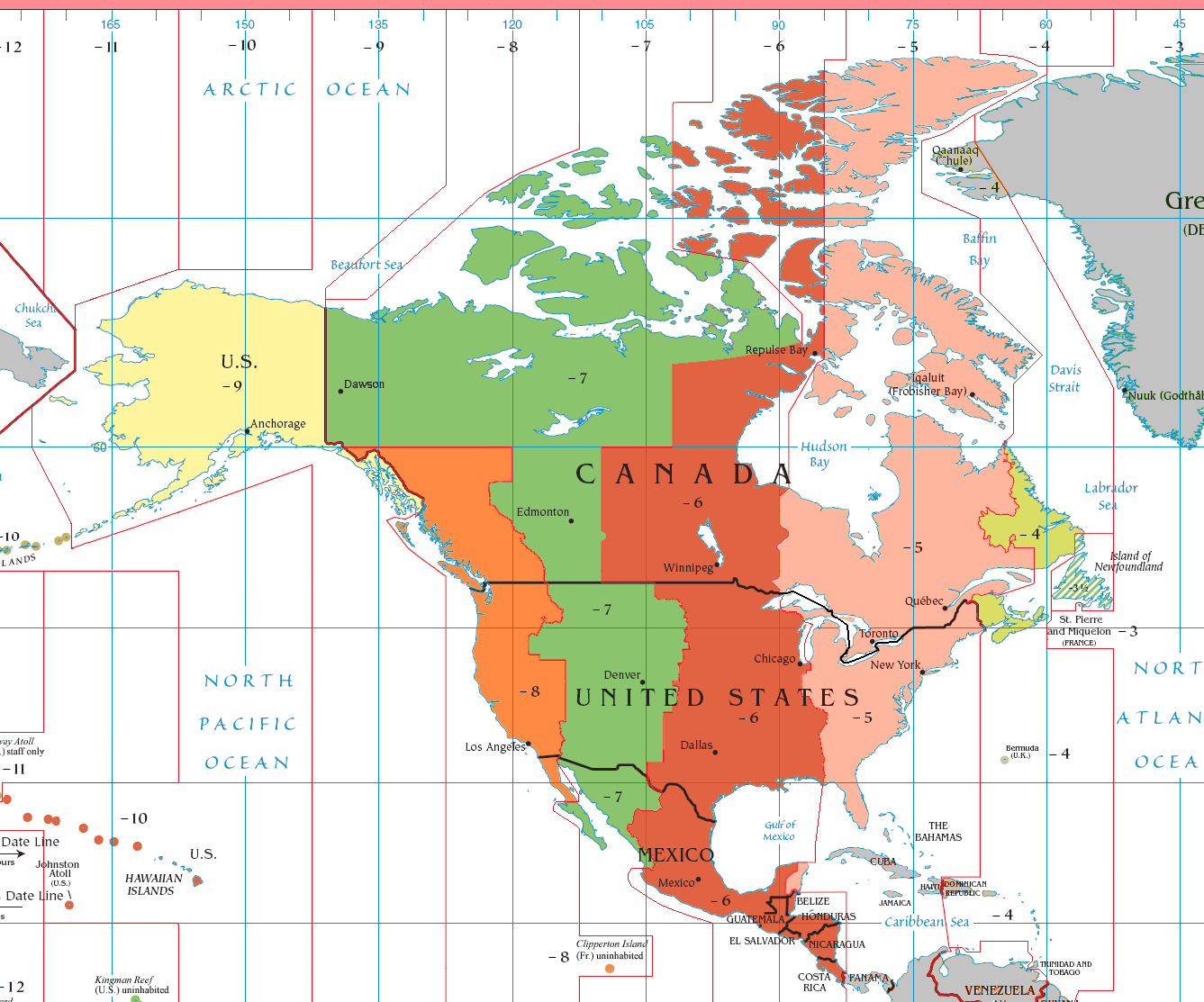
Albuquerque, New Mexico, observes the Mountain Time Zone (MT). This means it is generally seven hours behind Coordinated Universal Time (UTC-7) during Mountain Standard Time (MST) and six hours behind (UTC-6) during Mountain Daylight Time (MDT). This annual shift due to Daylight Saving Time is an essential detail that can impact everything from your hotel check-in to catching the famous sunrise hot air balloon rides. Let’s delve deeper into what this means for your travel plans and how to make the most of your time in this captivating destination.

Understanding Albuquerque’s Time Zone: Mountain Time (MT)
The Mountain Time Zone, often abbreviated as MT, is one of the four primary time zones observed in the continental United States. It spans across states located largely in the Rocky Mountains region, including New Mexico, Colorado, Utah, and parts of others. At its core, Mountain Time operates by two distinct phases throughout the year: Mountain Standard Time (MST) and Mountain Daylight Time (MDT).
From early November to mid-March, Albuquerque is on Mountain Standard Time (MST), which is seven hours behind Coordinated Universal Time (UTC-7). This is the “standard” or base time for the region. During these months, mornings are typically brighter a bit later, and evenings draw in earlier. For travelers visiting during this period, it’s crucial to remember this offset, especially when communicating with contacts in time zones further east or west. For instance, if it’s 10:00 AM in Albuquerque (MST), it would be 12:00 PM (noon) on the East Coast (Eastern Standard Time, EST) and 9:00 AM on the West Coast (Pacific Standard Time, PST).
Conversely, from mid-March to early November, Albuquerque shifts to Mountain Daylight Time (MDT), which is six hours behind Coordinated Universal Time (UTC-6). This change is part of the broader observance of Daylight Saving Time across most of the United States. The purpose is to extend daylight into the evening hours, making after-work and after-school activities more enjoyable and, theoretically, saving energy. During MDT, Albuquerque’s sunsets are noticeably later, offering more time to explore outdoor attractions or enjoy an evening stroll. This also means that the time difference with other zones is compressed by one hour. For example, if it’s 10:00 AM in Albuquerque (MDT), it would be 12:00 PM (noon) on the East Coast (Eastern Daylight Time, EDT) and 7:00 AM in Hawaii (Hawaii Standard Time, HST).
Understanding these two phases of Mountain Time is essential for effective travel planning, especially if your trip spans the transition dates or involves coordinating with people in different parts of the world. Unlike Arizona (with the exception of the Navajo Nation), which does not observe Daylight Saving Time, New Mexico does adhere to the seasonal clock change. So, while Phoenix might stay on MST year-round, Albuquerque will “spring forward” and “fall back,” aligning with cities like Denver and Salt Lake City.
Navigating Daylight Saving Time in New Mexico
Daylight Saving Time (DST) is a practice that can sometimes cause confusion for travelers, and New Mexico is no exception. For most of the United States, including New Mexico, DST begins on the second Sunday in March and ends on the first Sunday in November.
When DST begins, clocks “spring forward” one hour. For instance, if it’s 2:00 AM on the second Sunday in March, the time will immediately jump to 3:00 AM. This means you effectively “lose” an hour of sleep or an hour from your day. Conversely, when DST ends on the first Sunday in November, clocks “fall back” one hour, typically from 2:00 AM to 1:00 AM, allowing for an “extra” hour.
For travelers, these transitions are particularly important to note:
- Arrivals and Departures: If you’re flying into or out of Albuquerque around the DST change dates, double-check your flight times. Airlines usually account for these changes, but it’s always wise to confirm to avoid missing a flight or waiting unnecessarily at the airport.
- Accommodation Check-ins/Check-outs: Hotel policies for check-in and check-out times will adhere to the local time. Ensure your internal clock and devices are updated to avoid any issues with your reservation or late fees.
- Scheduled Activities: Tours, museum visits, restaurant reservations, and other timed activities will always follow the local time. If you’ve planned a specific morning activity, such as a visit to the Indian Pueblo Cultural Center or an early start for hiking in the Sandia Mountains, be sure your clock has adjusted correctly.
- Jet Lag Adjustment: For those traveling from distant time zones, the additional hour gained or lost during DST transitions can subtly influence your body’s adjustment to jet lag. Be mindful of this and allow yourself extra time to acclimate if your trip coincides with these changes.
Modern smartphones and digital devices typically update automatically, which is a great convenience. However, older devices or manual clocks will need to be adjusted. Before your trip, or upon arrival, it’s a good practice to confirm the exact local time in Albuquerque using a reliable source to ensure all your plans remain perfectly timed.
Travel Planning and Time Zones: A Guide for Albuquerque Visitors
Understanding Albuquerque’s time zone isn’t just a technicality; it’s a practical aspect of planning a fulfilling and stress-free trip. From your initial booking to enjoying your final meal, the local time impacts almost every facet of your travel experience.
Flights and Arrivals
When booking flights to Albuquerque International Sunport (ABQ), pay close attention to the arrival and departure times listed, noting whether they are in local time or your originating time zone. If you’re traveling from the East Coast or Midwest, you’ll be gaining one to two hours upon arrival, which can be a welcome buffer for check-in or an early evening activity. Conversely, travelers from the Pacific Time Zone will lose an hour, so plan accordingly to avoid feeling rushed. Upon landing, immediately adjust your watch and devices to Albuquerque’s local time. This helps to set your internal clock and avoid early confusion when navigating the city. Drink plenty of water and try to expose yourself to natural light to help your body adjust to the new time zone, minimizing the effects of jet lag.
Activities, Dining, and Experiences
Albuquerque’s vibrant culture and numerous attractions operate on the local Mountain Time. When planning your itinerary, remember that museum hours, tour start times, and restaurant reservation slots are all based on this. For example, popular attractions like the Explora Science Center and Children’s Museum of Albuquerque or the National Museum of Nuclear Science & History will have specific opening and closing times.
If you’re eager to experience a serene sunrise hot air balloon ride over the Rio Grande Valley, be prepared for very early morning departures—often before dawn—which will feel even earlier if you’re arriving from an eastern time zone. Similarly, dinner reservations at popular spots offering exquisite New Mexican cuisine should be made with the local time in mind, especially if you’re accustomed to dining earlier or later in your home time zone. The later sunsets during Mountain Daylight Time can be a boon for exploring outdoor sites like Petroglyph National Monument or enjoying the stunning views from the Sandia Peak Tramway well into the evening.
Accommodation Considerations
Your choice of accommodation in Albuquerque will also be governed by local time. Standard check-in times are usually in the afternoon (e.g., 3:00 PM or 4:00 PM MT), and check-out times are in the late morning (e.g., 11:00 AM or 12:00 PM MT). If your flight arrives early, clarify with your hotel whether an early check-in is possible. Similarly, if you have a late departure, inquire about a late check-out or luggage storage options.
Many hotels in Albuquerque offer various amenities, such as business centers, fitness facilities, and on-site dining. Their operating hours will align with the local time, so factor this into your daily schedule. For instance, the elegant Hotel Andaluz in Downtown Albuquerque or the luxurious Hotel Chaco near Old Town will have specific hours for their restaurants and services. Business travelers, in particular, will need to be mindful of the time difference when scheduling virtual meetings or coordinating with colleagues in other time zones. Planning for calls during mutually convenient times, respecting Albuquerque’s Mountain Time, is key to productive remote work.
Discovering Albuquerque: Beyond the Clock
While navigating time zones is a practical necessity, Albuquerque offers a wealth of experiences that make the planning worthwhile. Once you’ve set your clock, you’re free to immerse yourself in the rich tapestry of this unique New Mexico city.
Top Attractions and Landmarks
Albuquerque boasts an impressive array of attractions, blending ancient history with modern marvels. The historic Old Town Albuquerque is a must-visit, offering a glimpse into the city’s Spanish colonial past with its adobe buildings, quaint shops, and art galleries. Here, you can explore the San Felipe de Neri Church, the oldest surviving building in Albuquerque, or browse for authentic Southwest souvenirs.
For breathtaking panoramic views, a ride on the Sandia Peak Tramway is an unforgettable experience. As it ascends to the peak of the Sandia Mountains, you’ll witness an expansive vista that stretches for miles across the Rio Grande Valley. Nature enthusiasts will also appreciate the Petroglyph National Monument, where thousands of ancient rock carvings offer a window into the spiritual world of early inhabitants. Meanwhile, the Indian Pueblo Cultural Center provides deep insights into the history and vibrant cultures of New Mexico’s 19 Pueblo tribes, featuring museums, art, and traditional dances. For those interested in science and innovation, the National Museum of Nuclear Science & History offers a fascinating, educational journey.
Local Culture, Food, and Lifestyle
Albuquerque’s lifestyle is deeply rooted in its unique blend of Native American, Hispanic, and Anglo influences. This cultural fusion is most evident in its renowned New Mexican cuisine, famous for its vibrant red and green chiles. Dining here is an experience in itself, whether you’re enjoying a traditional plate of enchiladas smothered in chile or indulging in sweet sopaipillas drizzled with honey.
The city’s art scene thrives, with numerous galleries, studios, and public art installations. You can explore districts like Nob Hill, known for its eclectic shops and vibrant nightlife, or stroll along historic Route 66, which runs right through the city. Albuquerque is also home to the world-famous Albuquerque International Balloon Fiesta every October, a spectacular event that draws visitors from around the globe to witness hundreds of colorful balloons ascend into the New Mexico sky. This event, more than any other, highlights the importance of precise timing and early planning, as many activities begin well before sunrise.
Choosing Your Albuquerque Accommodation
To complement your travel experience, Albuquerque offers a diverse range of accommodation options to suit every preference and budget. From luxurious resorts and full-service hotels to charming boutique inns and comfortable vacation rentals, you’ll find the perfect place to unwind after a day of exploration.
For those seeking upscale luxury travel, properties like the Hyatt Regency Albuquerque or the historic Hotel Andaluz offer sophisticated amenities and prime locations. If you prefer a unique experience that reflects New Mexico’s heritage, Hotel Chaco provides a modern yet culturally inspired stay near Old Town. For travelers on a budget, there are plenty of affordable hotels and apartments that provide comfort and convenience without compromising on access to the city’s highlights. When booking your stay, consider the proximity to the attractions you plan to visit, whether it’s the bustling downtown area, the historic charm of Old Town, or the serenity of the foothills. Remember to factor in check-in/check-out times relative to Albuquerque’s Mountain Time to ensure a smooth arrival and departure, allowing you more time to savor the unique experiences this captivating city has to offer. Whether for family trips or business stays, Albuquerque is ready to welcome you with open arms and a distinct sense of place.
LifeOutOfTheBox is a participant in the Amazon Services LLC Associates Program, an affiliate advertising program designed to provide a means for sites to earn advertising fees by advertising and linking to Amazon.com. Amazon, the Amazon logo, AmazonSupply, and the AmazonSupply logo are trademarks of Amazon.com, Inc. or its affiliates. As an Amazon Associate we earn affiliate commissions from qualifying purchases.