
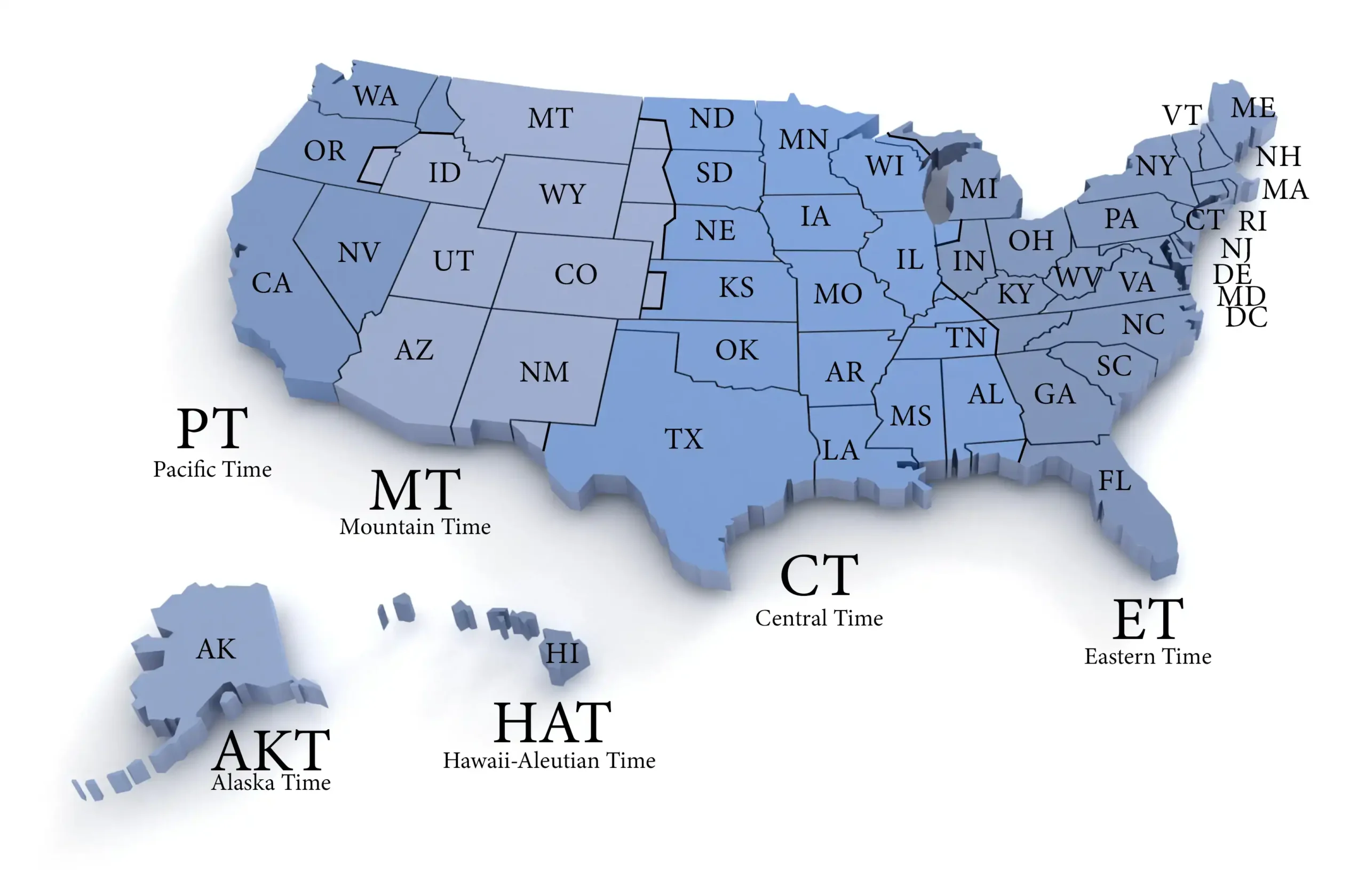
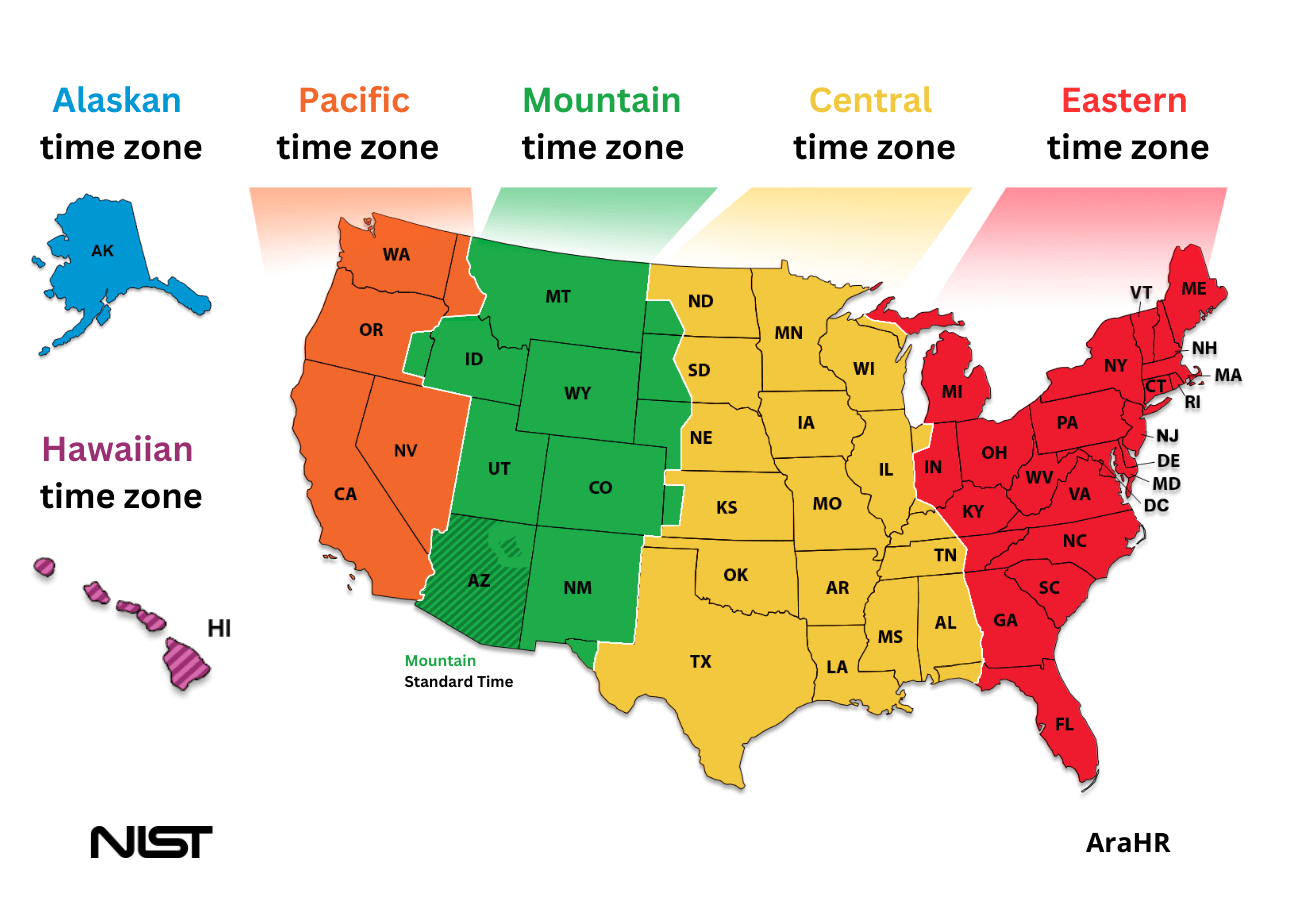
When planning a trip, relocating for work, or simply coordinating with friends and family across different regions, one of the most fundamental pieces of information to ascertain is the local time zone. For those setting their sights on the charming and historic state of Connecticut, the answer is straightforward: Connecticut operates on the Eastern Time Zone (ET). This means the state observes Eastern Standard Time (EST) during the cooler months and transitions to Eastern Daylight Time (EDT) as the days grow longer. Understanding this seemingly simple fact is crucial for a seamless and enjoyable experience, impacting everything from travel itineraries and hotel bookings to local excursions and business engagements.
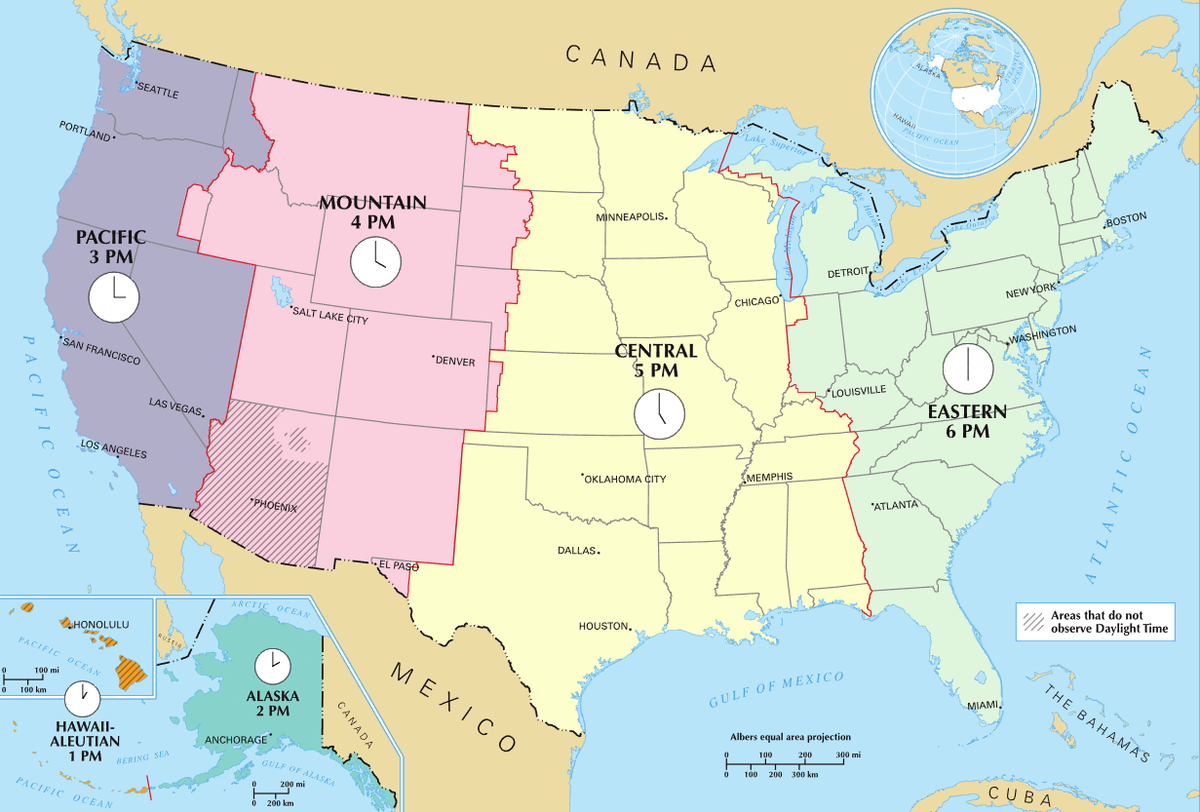
Connecticut’s adherence to the Eastern Time Zone places it firmly within the UTC-5 offset during EST and UTC-4 during EDT. This alignment with much of the United States’s eastern seaboard ensures a consistent rhythm with major hubs like New York City, Boston, and Washington D.C.. For travelers, this consistency simplifies planning, especially for those venturing from neighboring states. For international visitors, it marks a significant shift, often necessitating careful adjustment to avoid the pitfalls of jet lag and missed connections. From the bustling urban centers of Stamford and Hartford to the serene coastal towns and picturesque countryside, every clock in Connecticut marches to the beat of Eastern Time.
Understanding Connecticut’s Time Zone: Eastern Standard Time (EST) and Eastern Daylight Time (EDT)
Delving deeper into Connecticut’s time zone requires a clear distinction between its two phases: Eastern Standard Time (EST) and Eastern Daylight Time (EDT). This biennial shift is a common practice across many parts of the world, designed to maximize daylight hours during specific seasons.
The Dynamics of Eastern Time: UTC Offset and Seasonal Shifts
Eastern Standard Time (EST) is observed from early November to mid-March, maintaining a UTC offset of -5 hours. This means that when it’s noon in Greenwich, England (the Prime Meridian, or UTC+0), it’s 7:00 AM in Connecticut. As spring approaches, typically on the second Sunday in March, Connecticut “springs forward” to Eastern Daylight Time (EDT). During this period, the clocks move forward by one hour, setting the UTC offset to -4 hours. This change grants an extra hour of daylight in the evenings, a welcome shift for both residents and visitors eager to explore the state’s natural beauty and attractions after work or travel. The return to EST, or “falling back,” occurs on the first Sunday in November, restoring the previous hour of morning light.
For anyone planning a visit, especially around these transition dates, it’s paramount to be aware of the shift. Missing a meeting or an attraction’s closing time by an hour can disrupt an otherwise perfectly planned itinerary. Modern smartphones and electronic devices usually adjust automatically, but analog clocks in hotels or rental properties might require manual updating.
Geographical Context and Regional Consistency in the Northeast
Connecticut’s position within the Northeast region dictates its time zone alignment. It shares the Eastern Time Zone with all of its bordering states: New York to the west, Massachusetts to the north, and Rhode Island to the east. This widespread consistency across a densely populated and highly trafficked corridor of the United States is a significant advantage for regional travel. Whether you’re commuting from Fairfield County into New York City for business, driving from Boston to Mystic for a weekend getaway, or taking a train from Philadelphia to New Haven, the time remains constant, eliminating the confusion and potential errors associated with crossing time zone boundaries. This regional harmony underpins the ease of travel and business operations throughout the Northeast, making Connecticut an accessible destination for domestic travelers.
Navigating Time for Travel and Tourism in Connecticut
The implications of Connecticut’s time zone extend far beyond simply knowing what time it is. For travelers and tourists, it’s a critical element in crafting a seamless and stress-free journey, influencing everything from flight bookings to dining reservations.
Planning Your Itinerary: Arrivals, Departures, and Attractions
When booking flights into Bradley International Airport (BDL), Connecticut’s primary air hub, or considering ground transportation via Amtrak to stations in New Haven, Hartford, or Stamford, all schedules will be listed in Eastern Time. Travelers arriving from the Central, Mountain, or Pacific Time Zones, or especially from international destinations, must factor in the time difference. An early morning flight from Los Angeles (Pacific Time) means losing three hours en route, potentially turning an afternoon arrival into a late evening one in Connecticut. This can impact check-in times for hotels and plans for immediate activities.
Beyond travel logistics, operating hours for Connecticut’s diverse array of attractions are strictly adhered to Eastern Time. From the historic charm of the Mark Twain House & Museum in Hartford to the maritime wonders of the Mystic Seaport Museum in Mystic, or the captivating art at the Yale University Art Gallery in New Haven, checking their specific opening and closing times, always expressed in ET, is essential to avoid disappointment. Seasonal variations in these hours are also common, making pre-trip research an invaluable step.
Synchronizing with Local Life and Cultural Experiences
Embracing the local culture often means adapting to the local rhythm. Connecticut’s daily life unfolds according to Eastern Time, influencing everything from the morning coffee rush to evening entertainment. Dining experiences, whether it’s a farm-to-table restaurant in Litchfield Hills or a seafood shack along Coastal Connecticut, will operate on ET. Event schedules, such as concerts at the Xfinity Theatre in Hartford or performances at the Shubert Theatre in New Haven, are all listed and performed in Eastern Time. Being mindful of this helps visitors seamlessly integrate into the local pace, ensuring they don’t miss out on vibrant cultural activities or delicious culinary adventures.
Mitigating Jet Lag for International Visitors
For travelers journeying to Connecticut from distant time zones like Europe or Asia, jet lag can be a significant hurdle. Connecticut’s ET (UTC-5/UTC-4) means a substantial time difference from locations like London (5-hour difference) or Tokyo (13-hour difference). Effective strategies for minimizing jet lag include gradually adjusting sleep schedules a few days before departure, staying hydrated during the flight, and exposing oneself to natural light upon arrival in Connecticut to help reset the body’s internal clock. Planning a relaxed first day with minimal scheduled activities can also aid in adjustment, allowing international visitors to fully enjoy their Connecticut experience without the fatigue that accompanies significant time zone changes.
Accommodation and Lifestyle: Making the Most of Your Stay
The concept of time is intrinsically linked to the operational aspects of accommodation and the rhythm of daily life, both of which are central to a fulfilling travel experience.
Hotel Check-in/Check-out Times and Amenities
Every hotel, from boutique stays like The Goodwin Hotel in Hartford to grand resorts such as Mohegan Sun and Foxwoods Resort Casino in southeastern Connecticut, adheres strictly to Eastern Time for its check-in and check-out procedures. Standard check-in is typically in the afternoon (e.g., 3:00 PM or 4:00 PM ET), and check-out is usually by late morning (e.g., 11:00 AM or 12:00 PM ET). Travelers arriving significantly earlier or departing later than these times might need to arrange for early check-in or late check-out, which can sometimes incur additional fees. Knowing the exact local time is critical for coordinating these logistics, especially if you’re flying in from a different time zone.
Furthermore, hotel amenities like breakfast service, spa appointments, gym access hours, and shuttle services all operate on ET. It’s always advisable to confirm these times upon arrival or during the booking process, ensuring that your plans align perfectly with the services offered. This attention to detail can prevent unnecessary stress and maximize your enjoyment of your chosen accommodation, whether it’s a luxury suite or a cozy apartment rental.
Lifestyle and Activities: Day-to-Day Rhythm and Seasonal Variations
Connecticut’s lifestyle is deeply intertwined with its time zone. Mornings begin with the sunrise, influencing outdoor activities such as jogging along the Connecticut River or hiking in one of the state’s many parks like Sleeping Giant State Park. Afternoons are typically dedicated to work, exploring landmarks, or indulging in retail therapy in vibrant downtowns. Evenings offer a plethora of dining options, cultural events, or simply enjoying the sunset over the Long Island Sound along the Connecticut shoreline. The shift to EDT in spring and summer extends daylight into the evenings, creating more opportunities for outdoor adventures, leisurely strolls, and al fresco dining. Conversely, the earlier sunsets of EST in autumn and winter encourage cozy indoor activities and earlier evening plans. Understanding these seasonal nuances, governed by the time zone, allows travelers to pack appropriately and plan activities that best leverage the available daylight.
Business Travel and Remote Work Considerations
For those visiting Connecticut for business or engaging in remote work from the state, the Eastern Time Zone is a primary consideration. Fairfield County, in particular, is a hub for many corporations, and business travelers often need to coordinate meetings with colleagues on the West Coast or across the Atlantic. This typically means early morning calls for those in Connecticut to connect with Europe or late afternoon/early evening meetings with California. Remote workers must meticulously manage their schedules, using online tools to convert times and ensure punctuality for virtual conferences. Awareness of the time zone is not just a convenience but a professional necessity, ensuring smooth collaboration and effective communication across geographical distances.
Exploring Connecticut’s Landmarks and Attractions Through a Time-Conscious Lens
Connecticut is rich in historical sites, cultural institutions, and natural beauty. Each of these attractions, central to the state’s tourism appeal, operates within the framework of the Eastern Time Zone.
Historical Sites and Cultural Institutions: Precise Opening Hours
The state boasts an impressive collection of historical landmarks and cultural institutions, each offering a unique window into Connecticut’s past and artistic present. Visiting sites like Gillette Castle State Park, a quirky medieval-style castle overlooking the Connecticut River, or the exquisite Hill-Stead Museum in Farmington, home to a stunning collection of Impressionist art, requires adherence to their specific opening and closing times, all based on ET. These institutions often have varying hours depending on the season, with extended periods during peak tourist months and reduced hours in the off-season. Checking their official websites for the most up-to-date schedule, particularly around holidays or special events, is an indispensable part of planning. A missed tour slot or an unexpected early closing can significantly impact a carefully planned day of sightseeing.
Natural Wonders and Optimal Visit Times for Outdoor Activities
Connecticut’s natural landscapes offer boundless opportunities for outdoor enthusiasts, from its scenic hiking trails to its picturesque coastline. The best time to experience these wonders is often dictated by daylight hours, which are directly influenced by the time zone and seasonal shifts. For instance, embarking on a sunrise hike at Sleeping Giant State Park or kayaking on the Connecticut River requires knowing the exact sunrise time in ET to catch the most beautiful light. Similarly, planning a sunset picnic along the Connecticut shoreline in towns like Old Saybrook or Westport necessitates knowing the local sunset time. During EDT, the extended evening daylight allows for longer afternoon excursions, while EST’s earlier sunsets mean outdoor activities must conclude earlier, encouraging visitors to embrace the state’s vibrant nightlife and indoor attractions after dark. This time-conscious approach ensures that visitors can fully immerse themselves in Connecticut’s diverse natural offerings.
In conclusion, Connecticut’s position in the Eastern Time Zone, with its transitions between EST and EDT, is a foundational piece of information for anyone interacting with the state. From meticulously planning travel logistics and understanding hotel operations to fully experiencing local tourism and embracing the distinct Connecticut lifestyle, an awareness of the time zone is paramount. It underpins the seamless flow of daily life and significantly enhances the visitor’s ability to explore the state’s remarkable destinations, attractions, and landmarks without a hitch. By keeping Eastern Time in mind, every journey to Connecticut can be as efficient as it is enriching.
LifeOutOfTheBox is a participant in the Amazon Services LLC Associates Program, an affiliate advertising program designed to provide a means for sites to earn advertising fees by advertising and linking to Amazon.com. Amazon, the Amazon logo, AmazonSupply, and the AmazonSupply logo are trademarks of Amazon.com, Inc. or its affiliates. As an Amazon Associate we earn affiliate commissions from qualifying purchases.