
Florida, the Sunshine State, evokes immediate imagery: sun-drenched beaches, vibrant cities, and, perhaps most prominently, the graceful sway of palm trees against an azure sky. These iconic botanical sentinels have become synonymous with the state’s tropical charm, defining its landscapes from bustling Miami shores to the tranquil Florida Keys and the sprawling theme parks of Orlando. Travelers planning their next escape to this alluring destination often dream of lounging beneath their fronds, sipping a refreshing drink, and basking in the quintessential Florida experience. But behind this postcard-perfect scene lies a fascinating botanical question: are palm trees truly indigenous to Florida, or are many of them welcomed transplants from other corners of the globe?
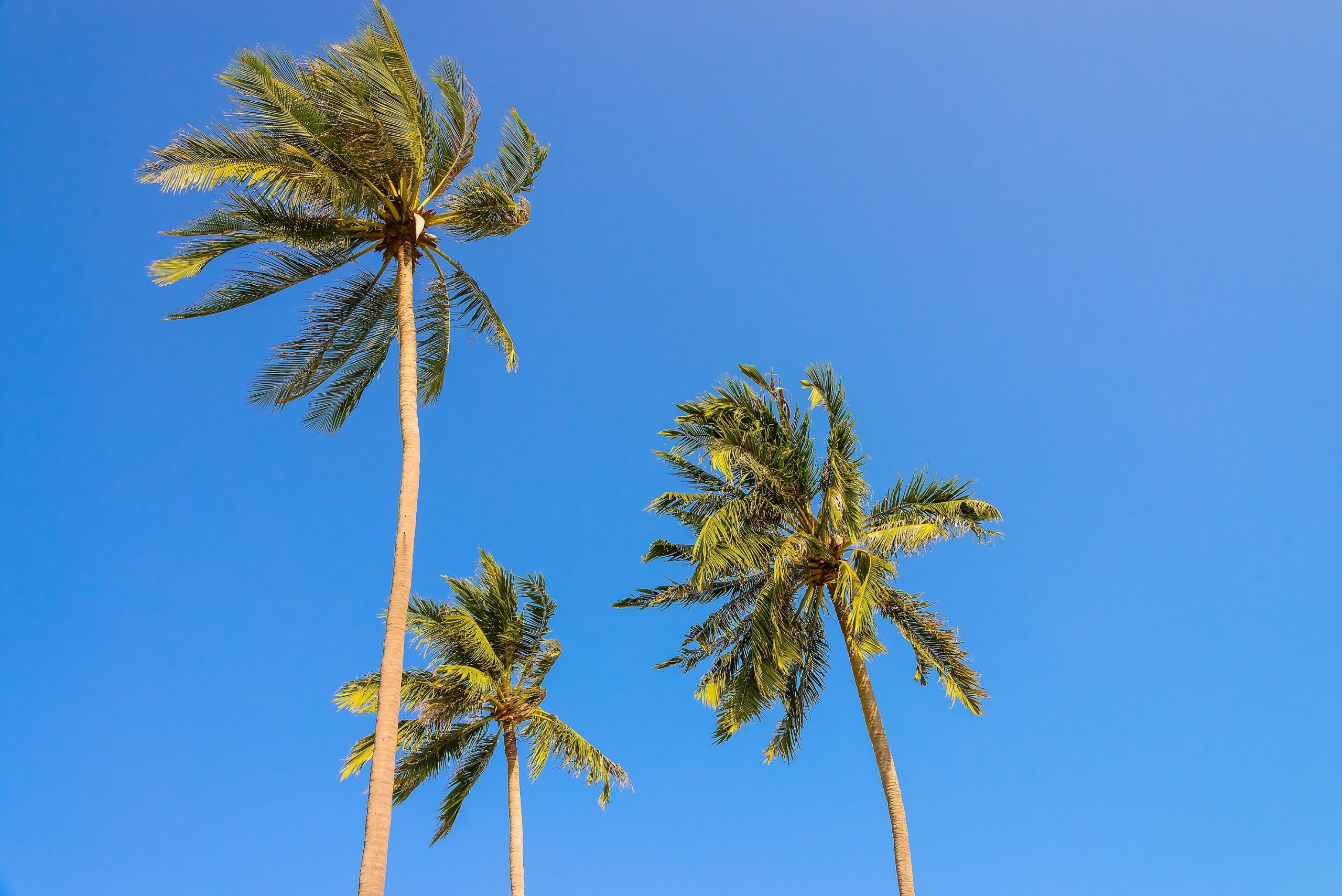
The answer is both surprising and nuanced, revealing a rich tapestry of native biodiversity alongside a history of deliberate introduction driven by human desires for beauty, utility, and the creation of a particular aesthetic. While many species of palm trees flourish across Florida today, contributing significantly to its appeal as a premier travel destination, only a select few are truly native, having evolved and thrived in the state’s unique ecosystems long before human settlement. Understanding this distinction not only deepens our appreciation for Florida’s natural heritage but also offers a more informed perspective for travelers seeking authentic experiences, sustainable tourism, and a deeper connection with the local culture and environment.
The Native Floridian Palm Species: Unveiling Florida’s True Botanical Heritage
To truly answer the question of indigenous palms, we must look beyond the ubiquitous ornamental species that line boulevards and adorn resort properties. Florida boasts a surprising array of native palms, each with its own story, ecological role, and distinct charm. These are the hardy survivors, perfectly adapted to the state’s diverse climates, from the humid subtropical north to the tropical south. For those interested in eco-tourism or exploring Florida’s natural landmarks, seeking out these indigenous species offers a unique and authentic travel experience.
Florida’s True Indigenous Palms
At the heart of Florida’s native palm population stands the Sabal Palm, also known as the Cabbage Palm. This magnificent tree holds the prestigious title of Florida’s official state tree, a testament to its widespread presence and historical significance. The Sabal Palm is incredibly versatile, found in nearly every corner of the state, from coastal dunes and pinelands to swampy hammocks. Its sturdy trunk, often adorned with a crisscross pattern of old leaf bases, and its fan-shaped fronds are instantly recognizable. Historically, it provided sustenance and building materials for indigenous peoples and early settlers, embodying local culture and resilience.
Another prominent native is the Saw Palmetto. While often overlooked due to its shrub-like stature, the Saw Palmetto is a critically important understory plant across vast expanses of Florida’s natural landscapes. Its sharp, saw-toothed leaf stems give it its name, and its berries are a vital food source for numerous wildlife species. Travelers exploring areas like Everglades National Park or various state parks will undoubtedly encounter dense thickets of these resilient palms, playing a crucial role in the local ecosystem.
Moving south, particularly into the extreme southern portions of Florida and the Florida Keys, we find other specialized native palms. The Royal Palm, with its incredibly tall, smooth, grey trunk and regal crown of feathery fronds, is a sight to behold. While often planted ornamentally today, a native variety, Roystonea regia, is indigenous to south Florida, including parts of Everglades National Park and protected hammocks. Its stately presence adds to the natural grandeur of these tropical environments.
Further contributing to the state’s indigenous palm diversity are species like the Silver Palm (Coccothrinax argentata), recognized by the silvery underside of its fan-shaped leaves, and various species of Thatch Palms (Thrinax spp.), which historically provided roofing material for early inhabitants. These smaller, often slower-growing palms are typically found in specific coastal or hammock environments, making them unique landmarks for naturalists and adventurers exploring off-the-beaten-path destinations.
The Ecological Significance of Native Palms
The indigenous palms of Florida are far more than just attractive plants; they are cornerstones of the state’s delicate ecosystems. They provide essential habitat, food sources, and protection for a vast array of wildlife, from birds and insects to mammals. The berries of the Sabal Palm and Saw Palmetto, for example, are crucial for migrating birds, raccoons, bears, and even deer. The dense foliage of these palms offers shelter and nesting sites, contributing to the rich biodiversity that makes Florida a draw for nature-focused tourism.
Their deep root systems also play a critical role in stabilizing soil, preventing erosion, and helping to maintain the health of coastal dunes and wetlands – environments vital for sustainable tourism and the preservation of Florida’s natural beauty. For travelers interested in responsible tourism, supporting initiatives that protect and restore native palm habitats ensures that these invaluable natural landmarks continue to thrive for future generations. Understanding their ecological importance transforms a casual observation into a deeper appreciation of Florida’s unique natural heritage.
The Allure of Exotics: A Global Perspective on Florida’s Palms
While Florida’s native palms are ecologically vital and intrinsically beautiful, much of the imagery associated with the state’s tropical paradise is, in fact, crafted by introduced species. Over centuries, various non-native palms have been brought to Florida, primarily for their aesthetic appeal, rapid growth, and ability to thrive in the state’s warm climate. This influx of exotic species has shaped Florida’s landscapes, turning many cities and resorts into lush, verdant oases that attract millions of visitors annually.
Popular Non-Native Palms in Florida
Perhaps the most famous non-native palm in Florida is the Coconut Palm (Cocos nucifera). While often seen as the quintessential symbol of tropical beaches, its native range is actually in the Indo-Pacific region. Its presence along Florida’s southern coast, particularly in Key West and South Beach, creates that unmistakable “island paradise” vibe that travelers seek. The irony is that it requires true tropical conditions, meaning it struggles north of Palm Beach, but its image is widely projected across the entire state.
Other highly popular introduced species include the Queen Palm (Syagrus romanzoffiana), native to South America, known for its smooth trunk and graceful, arching feathery fronds. It’s a favorite for residential landscaping and street plantings due to its rapid growth and elegant appearance. The Areca Palm (Dypsis lutescens), originating from Madagascar, is a common choice for hedges and privacy screens around hotels and apartments, providing a dense, tropical feel.
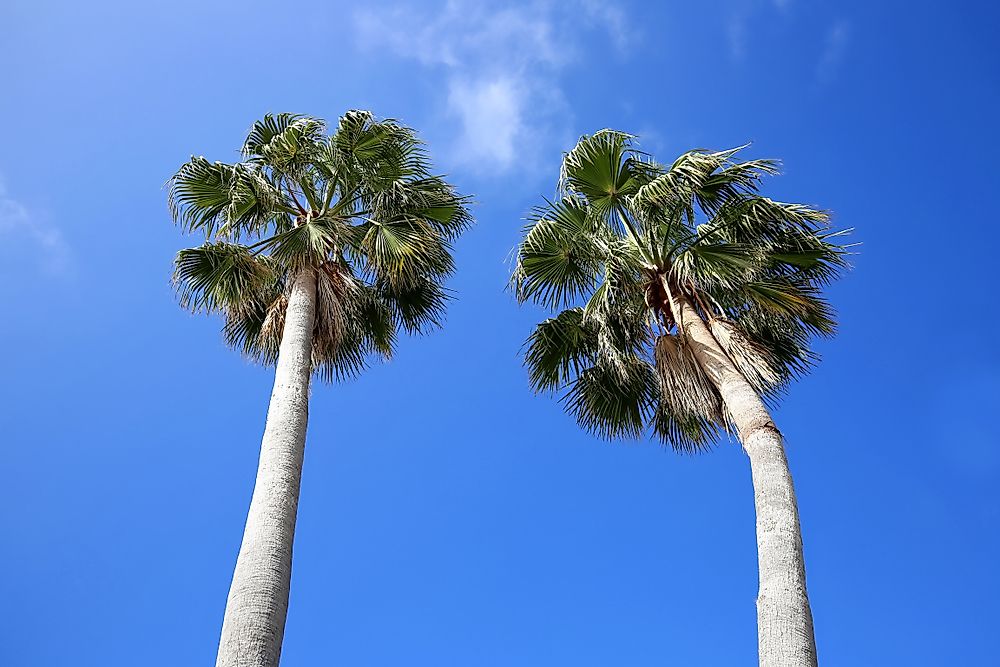
The Date Palm (Phoenix dactylifera), originally from the Middle East and North Africa, and its ornamental cousins like the Canary Island Date Palm (Phoenix canariensis), are also widely planted. These robust palms, with their stout trunks and dramatic crowns, add a touch of grandeur to luxury resorts and public spaces across the state, evoking a sense of ancient exoticism. The Washingtonia Palm (Washingtonia robusta), native to California and Mexico, is another common sight, particularly in urban environments, celebrated for its towering height and ability to withstand varied conditions.
The Role of Tourism and Landscape Architecture
The extensive introduction of non-native palms in Florida is inextricably linked to the state’s development as a premier travel and tourism destination. Early developers and landscape architects intentionally selected these exotic species to cultivate a specific “tropical paradise” aesthetic that resonated with northern visitors seeking an escape from colder climates. The vision of Florida as a lush, warm, and exotic getaway was meticulously crafted, with non-native palms playing a starring role.
From the grand avenues of Palm Beach to the sprawling grounds of resorts in Naples and Sarasota, these imported palms quickly became integral to the state’s brand. They are the backdrop for countless vacation photos, enhance the ambiance of outdoor dining experiences, and provide shade around hotel pools. For instance, a stay at the Biltmore Hotel Miami or the Don CeSar Hotel in St. Pete Beach would feel incomplete without the stately presence of these exotic beauties contributing to the overall luxury travel experience. This deliberate landscaping strategy has been immensely successful in attracting tourists and shaping Florida’s identity as a sun-soaked haven.

Palm Trees and the Florida Experience: Travel, Lifestyle, and Landmarks
For many, the allure of Florida is inseparable from its palm-lined vistas. Whether one is embarking on a luxury travel adventure or a budget-friendly family trip, the presence of these iconic trees enhances every aspect of the travel experience. They are not merely botanical specimens; they are integral to the state’s identity, influencing local culture, defining its famous places, and offering countless opportunities for memorable experiences.
Iconic Florida Destinations and Their Palms
Palm trees are quintessential natural landmarks across Florida, shaping the very essence of its most famous destinations. In Miami Beach, the sight of Coconut Palms swaying over South Beach is emblematic of its vibrant lifestyle and glamorous appeal, complementing the Art Deco architecture and bustling nightlife. Visitors staying at resorts like the Fontainebleau Miami Beach expect the lush, palm-filled grounds that define the luxury accommodation experience.
Further south, Key West embraces its tropical ambiance with an eclectic mix of palms, from the native Sabal Palm to an abundance of Coconut Palms, creating a laid-back, bohemian atmosphere that attracts travelers seeking unique local culture and unforgettable activities. Even in the family-friendly hub of Orlando, the expansive grounds of resorts like the Walt Disney World Resort are meticulously landscaped with various palm species, contributing to the immersive, fantastical environments that define its attractions. These palms, both native and exotic, are carefully integrated into travel guides and destination highlights, serving as a constant reminder of Florida’s distinct tropical character.
Sustainable Tourism and Preserving Palm Heritage
As tourism in Florida continues to grow, there’s an increasing emphasis on sustainable practices and the preservation of natural heritage. For travelers, this means seeking out opportunities to appreciate Florida’s indigenous palms and the ecosystems they support. Visiting natural areas, state parks, and protected preserves offers a chance to see native palms in their undisturbed habitats, providing a deeper connection to Florida’s authentic environment.
Many hotels and resorts are also adopting more sustainable landscaping practices, incorporating native species into their designs. This not only supports local biodiversity but also reduces the need for excessive water and pesticides, contributing to a more environmentally conscious approach to accommodation and tourism. Engaging with local guides who highlight the ecological importance of both native and well-adapted non-native palms can enrich a trip, transforming it from a mere vacation into an educational and culturally immersive experience. Such choices reflect a growing lifestyle trend towards responsible and impactful travel.
Palms as Natural Landmarks and Photo Opportunities
Beyond their ecological and aesthetic value, palm trees serve as natural landmarks and provide endless photo opportunities that capture the essence of a Florida getaway. The towering Royal Palms in Naples Botanical Garden or the dense thickets of Saw Palmettos in Big Cypress National Preserve are famous places in their own right, drawing visitors who appreciate nature and scenic beauty.
Even the meticulously arranged rows of Queen Palms or Canary Island Date Palms lining the grand entrances of luxury hotels or the promenades of Clearwater Beach become memorable backdrops. They are central to the visual narrative of a Florida vacation, symbolizing relaxation, warmth, and adventure. From sunrise to sunset, the silhouettes of palms against vibrant skies offer iconic shots that encapsulate the magic of Florida, making them an essential part of the travel experience and a cherished memory for visitors of all ages and interests.
Choosing Your Florida Palm Experience: From Budget to Luxury Travel
Whether you’re planning a lavish escape or an affordable adventure, Florida’s diverse palm landscape enhances every type of travel. The ubiquity and variety of palms mean that no matter your budget or travel style, these iconic trees will be an intrinsic part of your Florida experience, shaping the ambiance of your accommodation and the feel of your chosen destinations.
Palm Trees in Florida’s Diverse Accommodation Options
Florida’s hotels, resorts, apartments, and villas leverage the beauty of palm trees to create specific moods and experiences. In luxury travel, exclusive resorts often feature meticulously landscaped grounds dominated by impressive Canary Island Date Palms, Royal Palms, and other grand species. These palms enhance the opulent architecture, provide elegant shade around infinity pools, and contribute to a sense of exotic sophistication. Imagine a stay at the Ritz-Carlton, Naples, where the lush, palm-filled surroundings seamlessly blend with five-star amenities to create an unparalleled luxury experience. These establishments often offer guided tours of their botanical gardens, highlighting their diverse palm collection as part of the guest experience.
For mid-range hotels and boutique accommodations, palms are still a key element, often featuring Queen Palms or Areca Palms to provide a tropical atmosphere that’s inviting and relaxing without the need for extensive, high-maintenance landscaping. These palms contribute to the overall appeal, making even a standard hotel feel like a tropical escape. Many properties near attractions like Busch Gardens Tampa Bay or the beaches of Sarasota use palms to immerse guests in a vacation mindset from the moment they arrive.
Even for budget travel and long-term stays in apartments or vacation rentals, palms are a common and welcome sight. They line streets, adorn common areas, and often provide natural shade, elevating the aesthetic of even the most modest accommodations. Their presence helps reinforce the Florida vacation narrative, ensuring that even cost-conscious travelers can enjoy that iconic tropical feel. Booking a cozy apartment in Fort Lauderdale or a charming villa in St. Augustine means you’re never far from the soothing sight of palms.
Planning Your Palm-Infused Florida Getaway
When planning your Florida trip, consider how you want palms to factor into your experience. If you’re a nature enthusiast, incorporating visits to places like Big Cypress National Preserve or the Audubon Corkscrew Swamp Sanctuary will allow you to explore diverse native palm habitats and engage in ecological tourism. These guides and attractions offer deeper insights into Florida’s natural architecture.
For those dreaming of the classic beach vacation, head to destinations renowned for their Coconut Palm fringed shores, such as Key West, South Beach in Miami, or the barrier islands along the Gulf Coast. If you’re enchanted by grand, stately palms that contribute to an elegant ambiance, consider visiting historic districts like St. Augustine or affluent areas like Palm Beach and Naples, where landscape architecture often features magnificent specimens.
Florida offers comprehensive travel guides and unique experiences tailored to various interests, many of which subtly or explicitly showcase its incredible palm diversity. From guided nature walks that identify native species to picturesque resort gardens designed with a global array of palms, these trees are a constant, comforting presence that defines the quintessential Florida lifestyle.
In conclusion, while many of the palm trees that grace Florida’s landscapes today are indeed non-native introductions, a significant and ecologically vital collection of palms are truly indigenous to the state. This blend of native resilience and cultivated exoticism creates the unique botanical character that makes Florida such an unforgettable destination. For any traveler, appreciating this rich diversity – from the humble Saw Palmetto to the majestic Coconut Palm – only deepens the experience of exploring the Sunshine State, connecting you more profoundly with its natural beauty, vibrant culture, and alluring lifestyle.
LifeOutOfTheBox is a participant in the Amazon Services LLC Associates Program, an affiliate advertising program designed to provide a means for sites to earn advertising fees by advertising and linking to Amazon.com. Amazon, the Amazon logo, AmazonSupply, and the AmazonSupply logo are trademarks of Amazon.com, Inc. or its affiliates. As an Amazon Associate we earn affiliate commissions from qualifying purchases.