
The echoes of April 15, 2013, reverberate through the history of Boston, marking a day when the vibrant spirit of a city was tested by an act of terror. What began as a joyous celebration of athleticism and endurance at the world-renowned Boston Marathon quickly devolved into a scene of chaos and tragedy. This pivotal event, orchestrated by the brothers Tamerlan Tsarnaev and Dzhokhar Tsarnaev, shook not only Boston but the entire United States, leaving an indelible mark on its landscape and its collective memory. For travelers and residents alike, understanding “what happened with the Boston bomber” is not just a matter of historical record, but a testament to the city’s remarkable resilience and its enduring appeal as a destination that embodies strength, community, and an unwavering spirit.
This article delves into the timeline of the attack, the ensuing manhunt, the legal proceedings that followed, and crucially, how Boston has not only recovered but thrived. It explores the lessons learned in urban security, the profound impact on tourism and community, and the ways in which visitors can respectfully engage with the city’s past while experiencing its dynamic present. From world-class hotels and diverse accommodation options to iconic landmarks and a rich cultural lifestyle, Boston continues to be a top travel destination, standing as a beacon of determination.
The Day That Shook a City: A Timeline of Terror and Resilience
The morning of April 15, 2013, was quintessential Boston Marathon day—bright, energetic, and filled with anticipation. Thousands of runners, supported by an equally enthusiastic crowd, converged on the finish line near Copley Square on Boylston Street. It was a celebration of human achievement, a spectacle of global tourism, and a deeply cherished local tradition.
The Boston Marathon Bombing: A City Under Siege
At precisely 2:49 PM, the festive atmosphere was shattered by two explosions. Placed roughly 210 yards apart near the marathon’s finish line, these improvised pressure cooker bombs instantly transformed a scene of triumph into one of terror. Three people lost their lives that day: Krystle Campbell, Martin Richard, and Lingzi Lu, a student from China. Hundreds more suffered devastating injuries, many losing limbs, forever altering their lives. The immediate aftermath was a chaotic mix of heroism and horror, as first responders, medical personnel, and ordinary citizens rushed to aid the wounded. Emergency services quickly established triage centers amidst the scattered debris, and nearby hotels and businesses became temporary shelters and aid stations, showcasing the immediate community response that would later define the “Boston Strong” mantra.
The attack sent shockwaves far beyond Boston, raising critical questions about security at large public events, a concern for travelers and event organizers worldwide. The iconic status of the Boston Marathon, an event that draws participants and spectators from every corner of the globe, underscored the vulnerability of even the most beloved gatherings. The incident spurred a global re-evaluation of security protocols for major sporting events, concerts, and festivals, directly impacting how tourism and large-scale public activities are managed in urban centers today.
The Unfolding Manhunt: An Unprecedented Lockdown
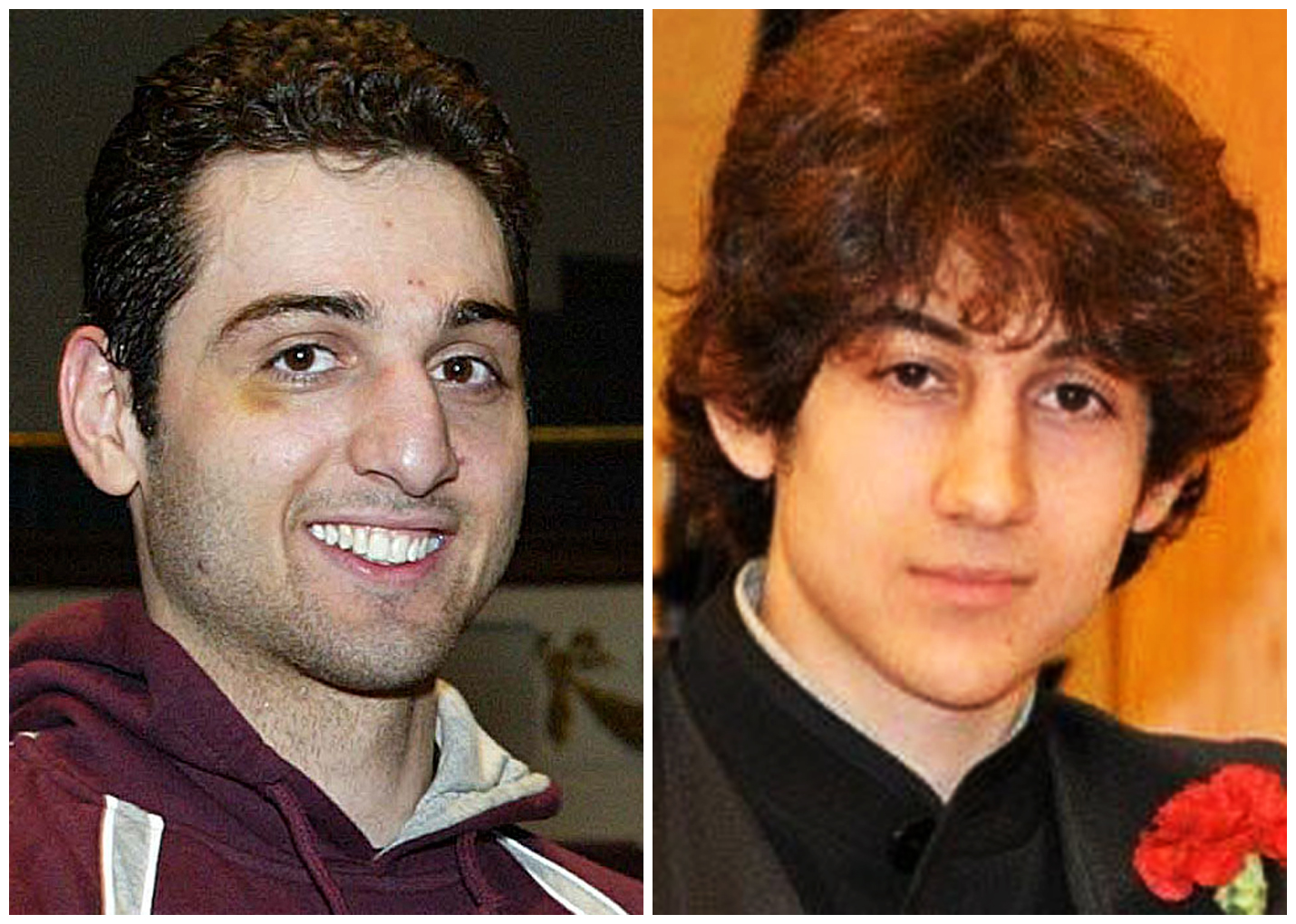
In the wake of the bombings, an intensive investigation was launched by the Federal Bureau of Investigation (FBI) and numerous local and state agencies. The search for those responsible quickly captivated the nation. On April 18, just three days after the attack, the FBI released images of two suspects, later identified as brothers Tamerlan Tsarnaev and Dzhokhar Tsarnaev. These images ignited a dramatic chain of events that unfolded across the greater Boston area.
The evening of April 18 saw the brothers engaged in a violent confrontation on the MIT campus in Cambridge, where they tragically shot and killed MIT Police Officer Sean Collier. This act escalated the situation, leading to a carjacking in Cambridge before the suspects proceeded to Watertown. In the early hours of April 19, a fierce gunfight erupted between the brothers and law enforcement in Watertown, an event that culminated in the death of Tamerlan Tsarnaev.
The hunt for Dzhokhar Tsarnaev intensified, leading to an unprecedented “shelter-in-place” order across Boston and several surrounding communities. Public transportation ceased, businesses closed, and millions of residents were asked to stay indoors. This lockdown created an eerie stillness in a normally bustling metropolitan area, highlighting the profound impact on daily life, urban travel, and the local economy. For those planning trips or already experiencing the city, the event underscored the unpredictable nature of global events and the importance of civic responsiveness. Finally, in the evening of April 19, Dzhokhar Tsarnaev was discovered hiding in a boat in a Watertown backyard and was apprehended after a brief standoff. The capture brought a collective sigh of relief, ending one of the most intense manhunts in United States history.
The Aftermath and Legal Proceedings: Seeking Justice in the Spotlight
The capture of Dzhokhar Tsarnaev marked the end of the immediate crisis, but it heralded the beginning of a lengthy and complex legal battle. The pursuit of justice for the victims and the community became a central focus, drawing national and international attention to the United States judicial system.
The Capture and the Trial: A Nation Watches
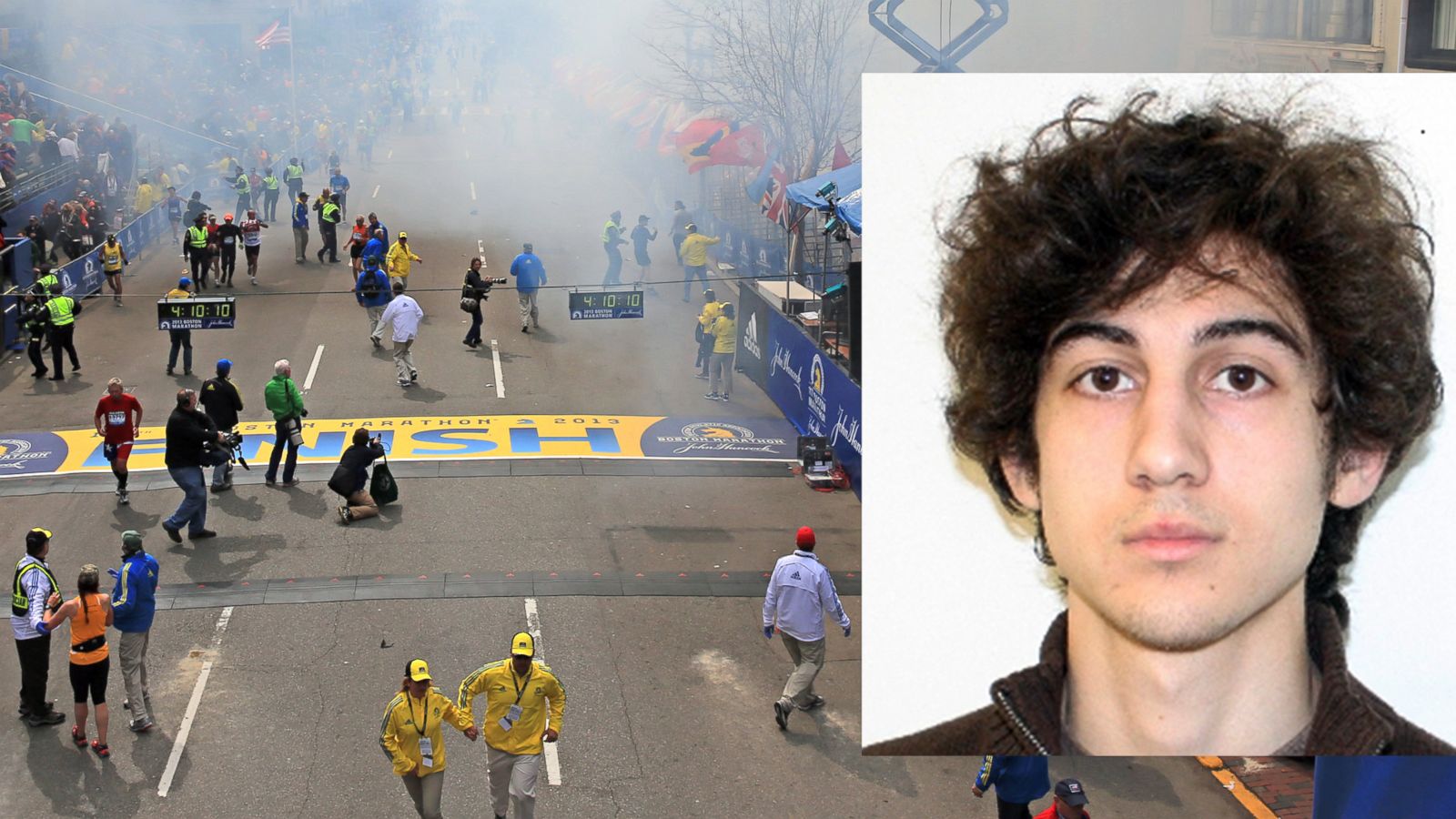
Following his capture, Dzhokhar Tsarnaev was charged with 30 federal counts, including conspiracy and the use of a weapon of mass destruction resulting in death. His trial, held in Boston, began in March 2015 and lasted several weeks. The proceedings were highly publicized, providing a chilling account of the events leading up to and following the bombings. Prosecutors detailed how the brothers, motivated by extremist ideology and a desire for revenge against the United States for its actions in Muslim countries, meticulously planned and executed the attack.
In April 2015, a jury convicted Dzhokhar Tsarnaev on all 30 counts. The sentencing phase followed, and in May 2015, the jury recommended the death penalty on 6 of the 17 capital counts. He was formally sentenced to death by lethal injection. This landmark decision ignited intense debates across the nation regarding capital punishment, particularly in high-profile terrorism cases.
The legal journey, however, was far from over. In July 2020, the First Circuit Court of Appeals vacated Tsarnaev’s death sentence, citing issues with jury selection and the exclusion of evidence related to Tamerlan’s alleged involvement in an earlier triple murder. This decision prompted the Justice Department to appeal to the Supreme Court. In March 2022, the Supreme Court reversed the First Circuit ruling, reinstating the death penalty for Dzhokhar Tsarnaev. As of now, Dzhokhar Tsarnaev remains on federal death row at ADX Florence, a supermax prison in Colorado, awaiting further appeals. The ongoing legal saga ensures that the conversation around the Boston Marathon bombing and its perpetrators continues, influencing public discourse on justice, terrorism, and the legal system within the United States.
Remembering the Victims and Honoring Resilience
Amidst the complex legal battles, Boston has steadfastly focused on healing, remembrance, and community. Memorials stand as poignant reminders of the lives lost and the courage displayed. The finish line on Boylston Street is now a place of reflection, with granite markers dedicated to the victims. Every year on April 15, the city observes “One Boston Day,” encouraging acts of kindness and community service, transforming a day of tragedy into one of unity and civic action.
The stories of the survivors, many of whom have become advocates for peace and resilience, are central to Boston’s narrative. Their determination to rebuild their lives and contribute positively to society exemplifies the “Boston Strong” spirit. For visitors, engaging with these stories and visiting the memorial sites offers a profound opportunity to understand the city’s character and the strength of its people. It’s a testament to how places touched by tragedy can evolve into symbols of hope and enduring human spirit, making Boston not just a city of historical landmarks but also a living monument to resilience.
Boston’s Enduring Spirit: A Travel Perspective
Despite the shadows cast by the 2013 bombings, Boston has emerged stronger, more vigilant, and arguably, even more welcoming. For travelers, the city offers an unparalleled blend of history, culture, innovation, and vibrant urban life, all underpinned by a deep sense of community and safety.
Safety, Security, and Modern Urban Travel
The Boston Marathon bombing served as a stark reminder of the evolving challenges in maintaining security in public spaces. In response, Boston and other major cities globally significantly enhanced security protocols for large-scale events. Visitors to Boston today will notice a discreet yet effective security presence, particularly during major gatherings. This enhanced vigilance includes visible law enforcement, advanced surveillance, and improved crowd management techniques, all designed to ensure the safety of residents and tourists alike without detracting from the visitor experience.
For any traveler, feeling safe is paramount. Boston’s commitment to security, combined with its inherently low crime rate, solidifies its reputation as one of the safest major cities in the United States. This peace of mind allows visitors to fully immerse themselves in the rich tapestry of experiences the city offers, from exploring historic neighborhoods to enjoying its thriving culinary scene.

Exploring a City Reborn: Beyond the Headlines
Boston’s appeal as a premier travel destination extends far beyond its resilience. It is a city steeped in history, offering a direct link to the American Revolution through its iconic Freedom Trail, a walkable path connecting 16 historically significant sites. Wander through the charming cobblestone streets of Beacon Hill, a residential landmark famed for its elegant federal-style rowhouses, or delve into the bustling atmosphere of Faneuil Hall and Quincy Market, where history meets modern culinary delights and artisan crafts.
Art enthusiasts will find themselves captivated by the collections at the Museum of Fine Arts, while sports fans can catch a game at the legendary Fenway Park, home to the Boston Red Sox. The serene expanses of Boston Common and the picturesque Public Garden offer perfect urban escapes, ideal for a leisurely stroll or a classic swan boat ride.
Accommodation in Boston caters to every lifestyle and budget, from luxurious boutique hotels in the Back Bay offering stunning city views to cozy guesthouses in historic neighborhoods and modern apartments suitable for longer stays. The city’s thriving tourism sector ensures a plethora of options for booking, reviews, and comparison, allowing travelers to find their perfect home away from home. Whether you’re seeking a high-end resort experience or a budget-friendly hostel, Boston delivers. Its culinary scene is equally diverse, ranging from classic New England seafood to innovative global cuisines, promising a delightful gastronomic journey.
In essence, Boston not only remembers its past but actively builds upon it, creating a vibrant present and an optimistic future. For those seeking a destination that offers rich history, dynamic culture, top-tier accommodation, and an inspiring narrative of perseverance, Boston, Massachusetts, remains an unparalleled choice. It stands as a powerful example of how a city can heal, adapt, and continue to shine brightly on the global stage, proving that its spirit is truly “Boston Strong.”
LifeOutOfTheBox is a participant in the Amazon Services LLC Associates Program, an affiliate advertising program designed to provide a means for sites to earn advertising fees by advertising and linking to Amazon.com. Amazon, the Amazon logo, AmazonSupply, and the AmazonSupply logo are trademarks of Amazon.com, Inc. or its affiliates. As an Amazon Associate we earn affiliate commissions from qualifying purchases.