
Welcome to the Sunshine State, a vibrant tapestry of sun-drenched beaches, world-famous theme parks, and lush natural beauty that beckons millions of travelers and residents each year. From the thrilling rollercoasters of Orlando to the Art Deco splendor of Miami, and the tranquil shores of the Gulf of Mexico to the dynamic rhythm of the Atlantic Ocean, Florida offers an unparalleled array of experiences. Whether you’re planning an unforgettable family vacation, dreaming of a luxurious long-term stay, or considering a permanent move to this tropical paradise, understanding the local financial landscape is key. One of the most frequently asked questions by newcomers and prospective residents alike revolves around taxation: “Does Florida have a state tax?” The answer, while seemingly straightforward, opens up a fascinating discussion about how the state funds its infrastructure, services, and world-class tourism industry.

For many, the allure of Florida extends beyond its picturesque scenery and endless activities to its unique approach to taxation. This article delves deep into Florida’s tax structure, examining the absence of a state income tax, the prevalence of sales and property taxes, and the impact of the tourist development tax. We’ll explore what this means for travelers budgeting for their dream vacation, for families contemplating a relocation, and for businesses eyeing a strategic base in the United States. By the end, you’ll have a comprehensive understanding of how finances work in Florida, empowering you to make informed decisions for your next adventure or lifestyle change.
The Core Question: Florida’s Approach to Income Tax
The question of state income tax is often at the forefront for individuals and businesses considering a move to a new state. It can significantly impact disposable income, business profitability, and overall cost of living. Florida’s stance on this matter is one of its most defining financial characteristics and a major contributor to its enduring popularity.
No State Income Tax: A Major Draw
The most significant and often celebrated aspect of Florida’s tax system is the absence of a state income tax. This means that residents of Florida do not pay state taxes on their personal wages, salaries, or other forms of income. This unique characteristic sets Florida apart from many other states in the United States, making it an incredibly attractive destination for a diverse range of individuals, including:
- Retirees: For those living on fixed incomes or pensions, the lack of state income tax can mean a substantial increase in their spendable income, making retirement in Florida a financially appealing option. This often translates into a higher quality of life, allowing them to fully enjoy the state’s vibrant communities, senior-friendly amenities, and year-round pleasant weather.
- Remote Workers and Digital Nomads: With the rise of remote work, professionals are increasingly seeking locations that offer both an enviable lifestyle and financial advantages. Florida’s tax-friendly environment, combined with its fantastic weather and recreational opportunities, makes it an ideal hub for those working from anywhere.
- Entrepreneurs and Business Owners: For businesses, particularly small businesses and startups, the absence of state income tax can reduce operating costs and increase profitability. This fosters a more business-friendly environment, attracting new ventures and stimulating economic growth. It enables companies to invest more in their operations, expand their workforce, and innovate, all while contributing to the state’s robust economy.
- High-Net-Worth Individuals: Wealthier individuals often find Florida’s tax structure particularly appealing for wealth preservation and financial planning.
This lack of state income tax is constitutionally enshrined, providing a stable and predictable financial environment for residents. It’s a key factor contributing to Florida’s rapid population growth and its reputation as a desirable place to live, work, and retire.
How Florida Funds Its State
If Florida doesn’t levy a state income tax, how does it manage to fund its extensive public services, infrastructure, and robust tourism promotion efforts? The answer lies in a diversified revenue portfolio, primarily relying on other forms of taxation. The state strategically collects revenue through sales taxes, property taxes, corporate income tax (though it applies to businesses, not individuals), and a variety of specialized taxes and fees, including the often-discussed tourist development tax. This approach shifts the tax burden in a way that aims to be less punitive on individual earnings and more reliant on consumption and property ownership, a model that has proven highly effective for the Sunshine State.
Beyond Income: A Closer Look at Other Taxes in Florida
While the absence of a state income tax is a significant advantage, it’s crucial for both visitors and potential residents to understand the other taxes that contribute to Florida’s revenue stream. These taxes play a vital role in funding local governments, public education, transportation, and, notably, the state’s massive tourism industry.
The Florida Sales Tax: What Tourists and Shoppers Need to Know
The sales tax is arguably the most common tax encountered by everyone in Florida, from a tourist buying souvenirs at Walt Disney World Resort to a local purchasing groceries.
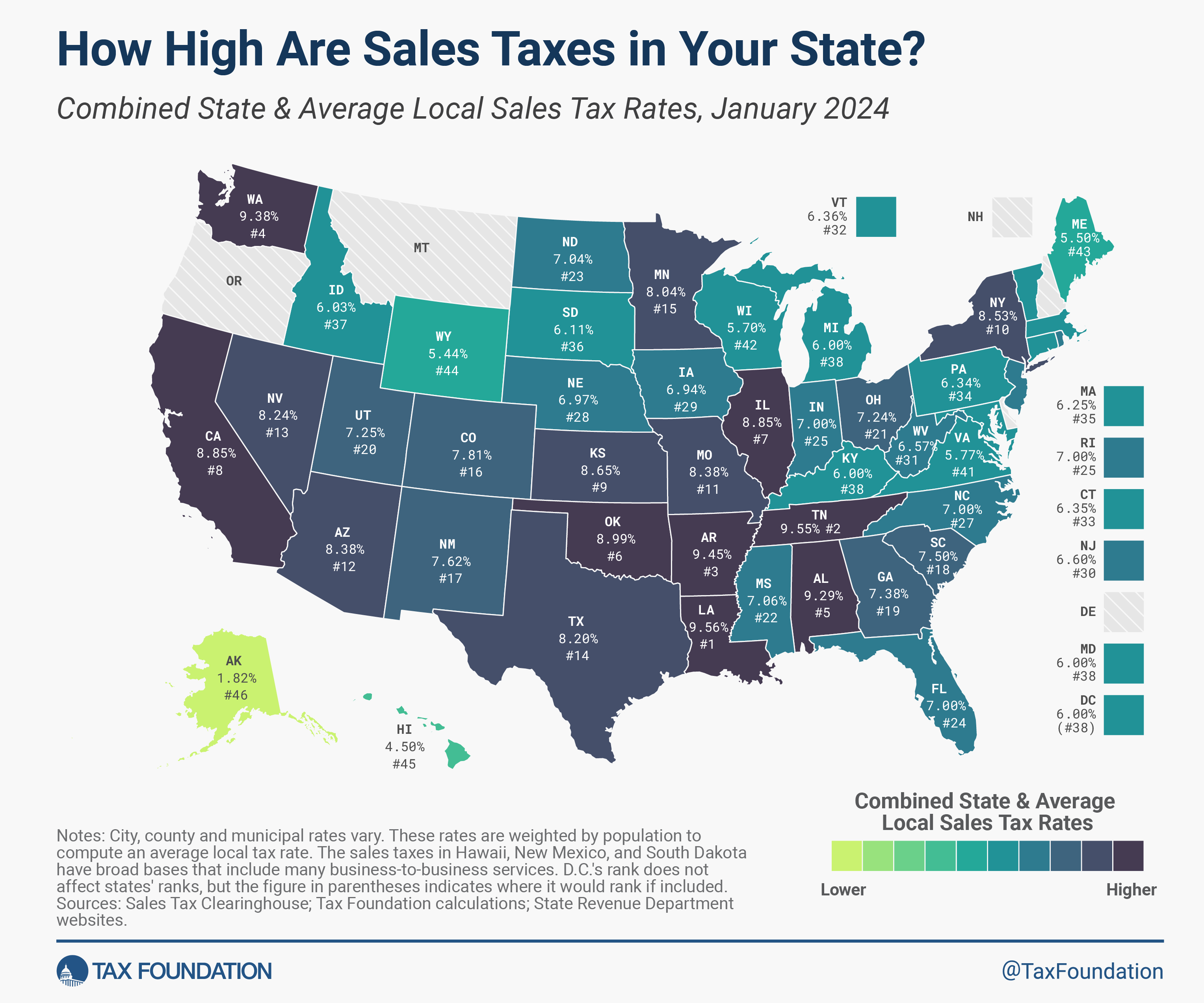
- State Sales Tax Rate: The statewide sales tax rate in Florida is 6%. This rate applies to most goods, tangible personal property, and many services sold within the state.
- Local Option Sales Taxes: In addition to the state rate, many counties in Florida levy a “discretionary sales surtax,” also known as a local option sales tax. These surtaxes vary by county, typically ranging from 0.5% to 2.5%, and are added on top of the state’s 6%. For example, in tourist-heavy areas like Orange County (home to Orlando’s major theme parks) or Miami-Dade County, the combined sales tax rate can be higher. It’s essential for travelers to check the specific rate for the county they are visiting to accurately budget for purchases.
- What’s Taxed and What’s Not:
- Taxable Items: Most retail purchases, restaurant meals, admission tickets to attractions (like Universal Orlando Resort or Busch Gardens Tampa Bay), hotel rooms, rental cars, and many other services are subject to sales tax.
- Exemptions: Notably, unprepared food (most groceries), prescription medicines, and certain medical services are generally exempt from sales tax. This helps to somewhat alleviate the tax burden on essential goods.
For travelers, factoring in sales tax is crucial when budgeting for dining out, shopping sprees, and entertainment. Understanding that the price you see on the tag might not be the final price at the register will help you manage your vacation expenses more effectively.
Property Taxes: Considerations for Homeowners and Investors
Property taxes are a significant revenue source for local governments in Florida, funding public schools, emergency services, local infrastructure, and more. Unlike sales tax, property tax directly impacts homeowners, real estate investors, and those considering long-term accommodation options.
- Levied at the Local Level: Property taxes are assessed and collected at the county and local municipal levels, not by the state. This means rates and assessments can vary considerably from one county or city to another. Factors influencing property tax bills include the property’s assessed value, the local millage rate (which is the tax rate applied per $1,000 of assessed value), and any applicable exemptions.
- Homestead Exemption: For primary residents, Florida offers a valuable homestead exemption. This exemption reduces the taxable value of an owner-occupied primary residence by up to $50,000, significantly lowering the property tax bill for many homeowners. There are also additional exemptions for seniors, veterans, and individuals with disabilities.
- “Save Our Homes” Amendment: This constitutional amendment caps the annual increase in the assessed value of homesteaded properties at 3% or the percentage change in the Consumer Price Index, whichever is less. This provides long-term homeowners with protection against sharp increases in property taxes, offering financial stability.
- Impact on Accommodation and Investment: For individuals looking to purchase vacation homes, investment properties, or considering long-term residential stays, understanding property tax rates and exemptions is essential. Property taxes contribute to the overall cost of homeownership and can influence investment returns. Areas with higher property values, such as beachfront properties in Miami or luxury homes in Naples, will naturally have higher tax bills, even with exemptions.
Tourist Development Tax (Bed Tax): Fueling Local Attractions
The Tourist Development Tax, often referred to as the “bed tax” or “resort tax,” is a critical component of Florida’s revenue strategy, directly supporting its tourism industry.
- Purpose: This tax is levied on the rental of transient accommodations for six months or less, which includes hotels, motels, vacation rentals, apartments, condos, and even campgrounds. The funds generated are specifically earmarked for tourism-related initiatives. This includes promoting tourism, funding convention centers, improving sports facilities, and enhancing cultural venues, all of which directly benefit travelers.
- Rates and Collection: The rate varies by county, typically ranging from 1% to 6%. It is collected by the accommodation provider and remitted to the local county tax collector. For example, Orange County, a major tourist destination, has a higher tourist development tax rate due to the sheer volume of visitors to its theme parks and attractions.
- Impact on Travelers: For anyone booking a hotel, resort, or vacation rental in Florida, this tax will be an additional charge on top of the room rate and state sales tax. It’s important to factor this into your accommodation budget, especially in popular tourist destinations like Orlando, Miami Beach, or Key West. While it adds to the cost, it also directly contributes to maintaining the very attractions and infrastructure that draw visitors to Florida in the first place.
Other Notable Taxes: Fuel, Corporate, and Intangible Personal Property
Beyond the major taxes, Florida also generates revenue through other specific taxes:
- Fuel Tax: Anyone driving in Florida will pay state and federal taxes on gasoline and diesel fuel. These taxes are vital for funding road construction and maintenance, crucial for a state reliant on vehicle travel and extensive road trips, whether you’re exploring the Everglades National Park or driving the scenic route down to The Keys.
- Corporate Income Tax: While individuals don’t pay state income tax, corporations that do business in Florida are subject to a corporate income tax. The rate is currently 5.5% on net income, though certain exemptions and credits apply. This ensures that businesses contribute to the state’s financial well-being.
- Intangible Personal Property Tax (Historical Context): It’s worth noting that Florida historically had an intangible personal property tax on items like stocks, bonds, and mutual funds. However, this tax was fully phased out in 2007, further enhancing Florida’s appeal for investors and wealth management.
Understanding these various taxes provides a clearer picture of Florida’s comprehensive financial strategy. Each tax serves a specific purpose, collectively ensuring the state’s ability to provide services, maintain infrastructure, and promote its world-renowned attractions.
The Florida Advantage: Why the Tax Structure Attracts Tourists and Residents
Florida’s unique tax structure isn’t just a dry financial detail; it’s a fundamental aspect of its identity and a powerful magnet for both tourists and long-term residents. This strategic approach to revenue collection has profound implications for the state’s economy, lifestyle offerings, and overall appeal as a premier global destination.
Boosting Travel and Tourism
The absence of a state income tax, combined with a robust tourist development tax, creates a synergistic effect that significantly benefits Florida’s tourism industry.
- Enhanced Attractiveness: Tourists are drawn to Florida not just for its sun, sand, and theme parks, but also for its relatively straightforward and, in many aspects, less burdensome tax environment compared to some other popular travel destinations. While sales and tourist taxes apply, the overall impression is often one of a financially accessible vacation.
- Funding Tourism Infrastructure: The tourist development tax, specifically, is a brilliant mechanism. By taxing temporary accommodation, the state directly channels funds back into the industry that generates them. This revenue is used to market [Florida](https://lifeoutofthebox.com/florida] worldwide, develop and maintain convention centers, improve local attractions, support cultural events, and ensure the infrastructure (roads, public services) can handle the influx of visitors. Imagine the pristine beaches, state-of-the-art convention facilities, or the continuous innovation at places like Kennedy Space Center Visitor Complex – much of this is directly or indirectly supported by tourism revenue.
- Competitive Edge: This self-sustaining model allows Florida to remain highly competitive in the global tourism market, continuously investing in its offerings to attract repeat visitors and new demographics. It’s a win-win: tourists get world-class experiences, and their contributions directly enhance those experiences and the local economy.
A Favorable Climate for Businesses and Retirees
Beyond tourism, Florida’s tax policies have sculpted an environment highly appealing to businesses and individuals seeking a new lifestyle.
- Economic Growth and Diversification: The lack of state income tax is a huge incentive for businesses to establish or relocate their operations to Florida. This fosters job creation, stimulates local economies in cities like Tampa, Sarasota, and Jacksonville, and encourages diversification beyond just tourism, into sectors like technology, aerospace, logistics, and healthcare. For entrepreneurs, the lower personal tax burden means more capital can be reinvested into their ventures or enjoyed as personal income.
- Retirement Haven: Florida’s reputation as a premier retirement destination is largely underpinned by its tax structure. Retirees can stretch their pension, Social Security, and investment income further without a state income tax eroding their savings. Combined with the attractive climate, excellent healthcare facilities, and a plethora of leisure activities, it’s an irresistible package for those looking to enjoy their golden years. This influx of retirees also brings economic benefits, stimulating demand for housing, services, and local businesses.
- Lifestyle Benefits: For residents, the overall tax environment often translates to more disposable income, which can be spent on enjoying Florida’s’s unique lifestyle. Whether it’s dining out in South Florida, exploring the natural beauty of North Florida, or frequenting the theme parks of Central Florida and the Panhandle, residents often find their money goes further.
Financial Planning for Your Florida Stay
Understanding Florida’s tax landscape is a critical component of effective financial planning, whether you’re visiting for a week or planning a lifetime in the Sunshine State.
- For Travelers: Budgeting for sales tax on purchases and meals, and the tourist development tax on accommodation, is essential. While these might seem small individually, they can add up over the course of a trip, especially for extended stays or luxury travel. Many travel guides and booking platforms now display these taxes upfront, but it’s always wise to confirm the total cost.
- For Residents/Investors: Potential homeowners and investors should dive deeper into specific county property tax rates, understanding exemptions like the homestead exemption and the “Save Our Homes” amendment. Consulting with a local real estate agent or financial advisor can provide tailored insights into the true cost of ownership and the long-term financial implications.
- Overall Financial Health: The lack of state income tax can be a powerful tool for personal wealth management, allowing individuals to save more, invest more, or simply enjoy a higher standard of living. However, it’s always recommended to consult with a tax professional to understand how Florida’s tax laws might uniquely apply to your specific financial situation, particularly if you’re relocating from another state with a different tax structure.
Navigating Florida’s Financial Waters: Tips for Travelers and Potential Residents
Armed with a deeper understanding of Florida’s tax system, you’re better prepared to plan your next adventure or lifestyle change. Whether you’re a first-time visitor or considering making the Sunshine State your permanent home, a few practical tips can help you navigate the financial waters smoothly.
Budgeting for Your Florida Vacation
A well-planned budget can make all the difference in ensuring a stress-free and enjoyable Florida vacation.
- Accommodation Costs: When booking hotels, resorts, or vacation rentals, always check the fine print for the total price, including both the state sales tax and the local tourist development tax. These can significantly increase the advertised nightly rate. For example, a luxurious Miami Beach hotel might have a higher combined tax rate than a budget-friendly option in a less tourist-dense area.
- Dining and Shopping: Remember that the statewide 6% sales tax, plus any local surtaxes, will apply to most restaurant meals and retail purchases. Factor this into your spending estimates for food, souvenirs, and any clothing or electronics you plan to buy. Some travel guides suggest adding 10-15% to your estimated spending on these categories to cover taxes and gratuities.
- Attraction Tickets and Rental Cars: These are typically subject to sales tax. If you’re visiting major theme parks like Walt Disney World Resort or renting a car for a road trip along the Florida coast, account for these additional charges.
- Transportation: If you’re renting a car, factor in the fuel tax. While not a massive percentage of overall costs, it’s part of the picture, especially for longer drives between St. Augustine and Key West.
- Utilize Travel Guides and Apps: Many online travel guides and budgeting apps can help you estimate costs, including taxes, for different Florida destinations and activities.
Understanding the Cost of Living
For those considering a permanent move or long-term stay, understanding the broader cost of living, with taxes as a component, is essential.
- Housing Market: While the lack of state income tax can be a financial boon, Florida’s booming popularity means that housing costs, particularly in desirable coastal areas and major metropolitan hubs like Orlando and Miami, can be higher than in some other states. Balance the tax savings against potential housing expenses.
- Property Taxes: As discussed, property taxes can vary widely by county. Research the millage rates and average home values in your target areas (Tampa, Sarasota, etc.) to get an accurate estimate of potential property tax burdens. Don’t forget to account for any applicable homestead exemptions if you plan to make it your primary residence.
- Insurance Costs: Florida is prone to hurricanes and other natural events, which can lead to higher insurance premiums (homeowners, flood, wind) compared to inland states. Factor these into your overall cost of living calculations.
- Utilities and Services: While not directly tax-related, these costs are part of the living equation. Research average utility bills (electricity, water, internet) for the areas you are considering.

Resources for Further Information
Staying informed is key to making sound financial decisions in Florida.
- Florida Department of Revenue: For the most accurate and up-to-date information on sales tax rates, property tax guidelines, and other state-levied taxes, the Florida Department of Revenue website is the official source.
- County Property Appraiser/Tax Collector Websites: For specific property tax information, visit the websites of the property appraiser and tax collector for the county you are interested in. They provide details on assessed values, millage rates, and exemption applications.
- Financial Advisors and Real Estate Professionals: If you’re making a significant financial decision like relocating or investing in Florida real estate, consult with local financial advisors, tax professionals, and real estate agents. They can offer personalized advice based on your specific circumstances and the intricacies of the local market.
In conclusion, while Florida proudly boasts no state income tax, it maintains a robust financial system through a combination of sales tax, property tax, and the strategically deployed tourist development tax. This structure creates an appealing environment for tourists seeking world-class experiences and residents looking for a vibrant lifestyle and financial advantages. By understanding these nuances, you can confidently plan your visit, make informed decisions about accommodation, or even embark on a new chapter in the dynamic and ever-welcoming Sunshine State. Enjoy the sunshine, the culture, and the adventures that await you in Florida!
LifeOutOfTheBox is a participant in the Amazon Services LLC Associates Program, an affiliate advertising program designed to provide a means for sites to earn advertising fees by advertising and linking to Amazon.com. Amazon, the Amazon logo, AmazonSupply, and the AmazonSupply logo are trademarks of Amazon.com, Inc. or its affiliates. As an Amazon Associate we earn affiliate commissions from qualifying purchases.