
The question “How many deaths in Boston Marathon?” immediately evokes a moment of profound tragedy that forever altered the perception of one of the world’s most historic road races. While the Boston Marathon had a long and celebrated history before April 15, 2013, that fateful day indelibly marked it with a sense of sorrow and an enduring testament to human resilience. Before that horrific event, the Boston Marathon, like most sporting events, was rarely associated with fatalities directly caused by external attacks. Any deaths related to marathons were typically due to participants’ pre-existing health conditions, a rare but acknowledged risk in extreme endurance sports. However, the events of 2013 changed this narrative dramatically.

On that somber Patriot’s Day, two homemade pressure-cooker bombs detonated near the finish line on Boylston Street in Boston, Massachusetts. This act of terror resulted in three immediate fatalities among spectators and hundreds of injuries, many of them catastrophic. In the aftermath, a fourth death was directly linked to the events when a police officer was killed during the subsequent manhunt. This tragedy cast a shadow over the festive atmosphere that typically surrounds the marathon, transforming a day of athletic achievement and community celebration into one of shock, grief, and ultimately, an extraordinary display of unity and strength.
Beyond the immediate human cost, the bombing spurred a profound reflection on public safety at large-scale events and the enduring spirit of communities in the face of adversity. For those interested in travel to Boston or participating in future marathons, understanding this history is crucial. It’s a story not just of loss, but of how a city and an event redefined themselves through courage and remembrance, continuing to invite visitors from around the globe to experience its vibrant culture, rich history, and the unwavering resolve of its people. This article delves into the details of that tragic day, explores the city’s remarkable recovery, and provides insights for tourists looking to engage with Boston’s landmarks and vibrant atmosphere, whether during the marathon or at any other time of the year.
The Tragic Day: Remembering the 2013 Boston Marathon Bombing
The 117th running of the Boston Marathon on April 15, 2013, was a day that began with the usual excitement and anticipation. Thousands of runners, many having trained for years, embarked on the 26.2-mile journey from Hopkinton to the finish line in Copley Square, Boston. Spectators lined the route, cheering on athletes, enjoying the spring weather, and partaking in one of Boston’s most cherished annual traditions. However, the joy turned to horror at 2:49 PM EDT when two bombs detonated just seconds apart, approximately 200 yards from the finish line.
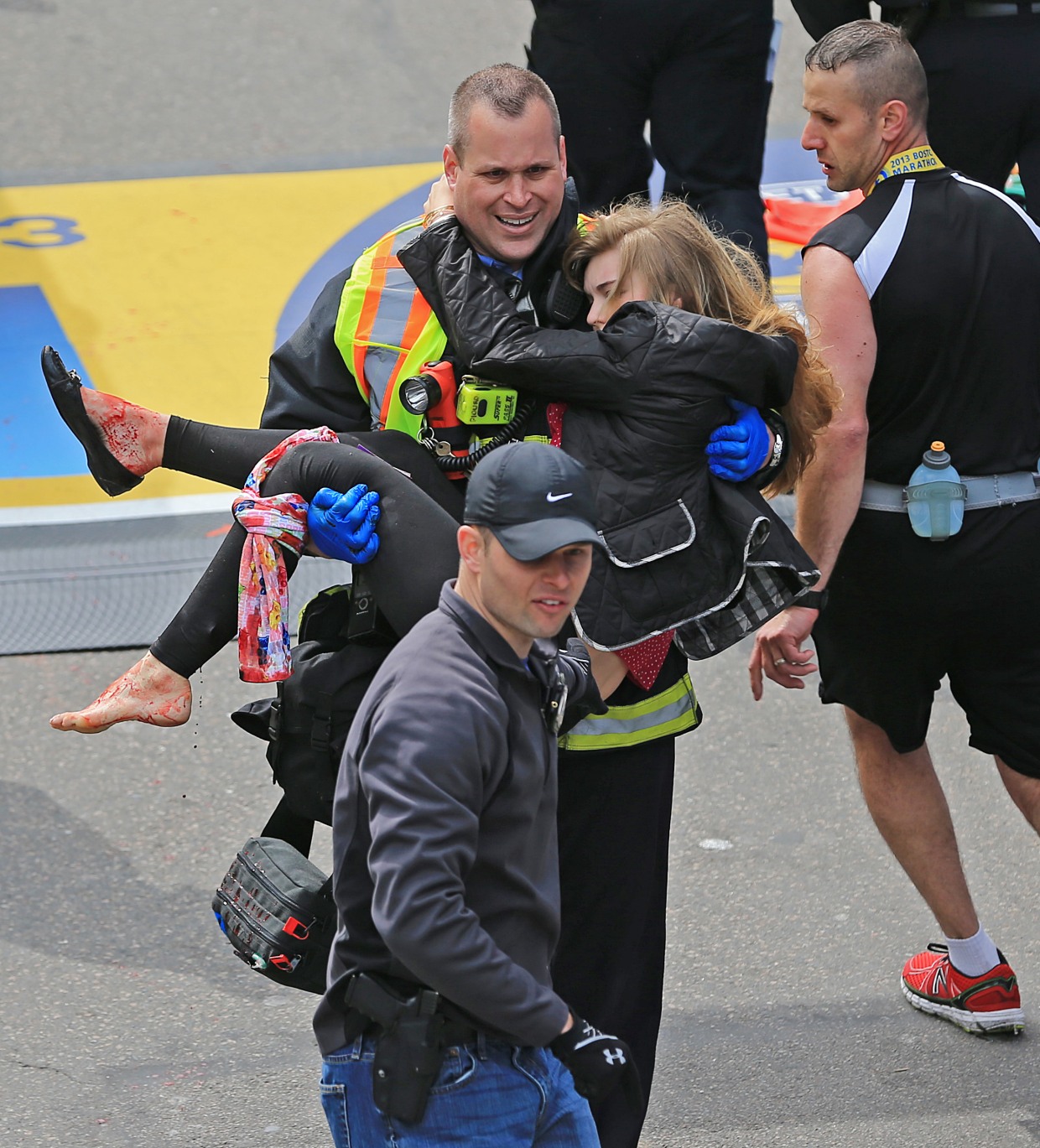
The first bomb exploded outside the Forum Restaurant at 755 Boylston Street, and the second detonated about 12 seconds later and 170 yards away, outside the Marathon Sports store at 671 Boylston Street. The blasts ripped through the crowd, instantly killing three spectators and injuring 264 others. The immediate aftermath was chaotic, with first responders, volunteers, and even other runners rushing to provide aid amidst the smoke, debris, and panic. The heroic actions of ordinary citizens and trained professionals alike undoubtedly saved countless lives.
The three individuals who tragically lost their lives that day were:
- Krystle Campbell: A 29-year-old restaurant manager from Medford, Massachusetts, who was watching the race with a friend.
- Lingzi Lu: A 23-year-old graduate student from China attending Boston University, who was also observing the marathon with friends.
- Martin Richard: An 8-year-old boy from Dorchester, Massachusetts, who was cheering on runners with his family. His sister lost an eye and his mother sustained a brain injury.
In the days that followed, the city of Boston and the entire United States were gripped by a massive manhunt for the perpetrators. During this intense search, on April 18, 2013, MIT Police Officer Sean Collier was ambushed and killed by the bombers in Cambridge, Massachusetts. His death brought the total fatalities directly linked to the bombing and its immediate aftermath to four. The capture of the second bomber, Dzhokhar Tsarnaev, on April 19, brought a collective sigh of relief, but the scars on the city and its people remained profound. The incident underscored the vulnerability of open public gatherings and prompted a global reassessment of security protocols for major events.
Boston’s Enduring Spirit: A City of Resilience and Remembrance
In the wake of the 2013 tragedy, Boston showcased an extraordinary display of fortitude and unity. The phrase “Boston Strong” quickly emerged as a rallying cry, symbolizing the city’s resolve to heal, rebuild, and return stronger than before. This resilience was not merely a slogan; it was evident in the immediate outpouring of support for victims, the tireless work of first responders, and the steadfast determination of residents to reclaim their beloved city and its iconic marathon.
The recovery effort was comprehensive, addressing both the physical and emotional wounds. Medical professionals provided unparalleled care to the injured, many of whom faced long and arduous recoveries, including multiple amputations. Charitable organizations, notably The One Fund Boston, raised tens of millions of dollars to provide financial assistance to victims and their families. This collective effort highlighted the deep sense of community that defines Boston, a characteristic that has long attracted visitors interested in exploring its local culture and engaging with its storied past.
The Boston Marathon as a Symbol of Hope and Unity
The Boston Marathon itself became a powerful symbol of defiance and hope. The very next year, in 2014, the race returned with unprecedented security measures, an increased field of runners, and a palpable sense of determination from both participants and spectators. The crowd surged to an estimated one million people, double the usual turnout, all eager to demonstrate their unwavering support for the marathon and the city. Meb Keflezighi’s victory in the men’s race, the first American male to win since 1983, was seen as a triumphant moment of healing and national pride. Each subsequent marathon has served as an annual reaffirmation of Boston’s resilience, transforming a day that could have been solely associated with tragedy into a beacon of unity and enduring spirit. For many, spectating or running the marathon has become a deeply personal pilgrimage, an experience that transcends mere athletic competition and touches on profound themes of human courage and collective remembrance.
Memorials and Tributes: Honoring the Victims
Boston has ensured that the memory of those lost and injured will never fade. Permanent memorials have been established to honor the victims of the bombing. The most prominent are the twin memorials at the sites of the explosions on Boylston Street. These thoughtfully designed tributes, dedicated on the sixth anniversary of the attack, feature bronze spires with glass lanterns, engraved with the names of the deceased and the date of the tragedy. Interspersed with trees and granite markers, they create a space for quiet reflection amidst the bustling city street.
Additionally, the Martin Richard Foundation was established in honor of the youngest victim, embodying his message of “No more hurting people. Peace.” The foundation promotes peace, justice, and community engagement, organizing events like the Martin Richard Park, an accessible and inclusive park space. Visiting these sites offers tourists a poignant opportunity to understand the depth of the tragedy and the extraordinary spirit of the city that rose from it. These memorials, like many other historical landmarks in Boston, are not just markers of the past but living testaments to the city’s enduring values.

Experiencing the Boston Marathon and the City Beyond the Race
For many travelers, the allure of Boston extends far beyond the marathon, yet the event itself offers a unique window into the city’s character. Whether you’re a seasoned runner, a first-time spectator, or simply a tourist exploring Boston’s rich tapestry of history and culture, planning your visit carefully can enhance your experience. The city’s blend of colonial history, academic prestige, and modern urban appeal makes it a premier destination for a variety of lifestyles, from luxury travelers to those on a budget, and families seeking educational adventures.
Planning Your Visit: Boston for Spectators and Tourists
If you plan to attend the Boston Marathon as a spectator, advance planning is essential, especially regarding accommodation and transportation. Marathon Monday, a public holiday in Massachusetts, transforms much of the city. Roads along the route are closed, and public transport (MBTA or “the T”) can be crowded, but it is often the best way to get around. Popular viewing spots include the start in Hopkinton, the cheering tunnels of Wellesley College, the infamous Heartbreak Hill in Newton, and, of course, the emotional finish line on Boylston Street.
Beyond race day, Boston offers an abundance of attractions. Consider a walking tour along the Freedom Trail, a 2.5-mile red-lined path that leads to 16 historically significant sites, including the Boston Common, Faneuil Hall, the Old North Church, and the Paul Revere House. For those interested in art and culture, the Museum of Fine Arts and the intimate Isabella Stewart Gardner Museum are world-class institutions. Sports enthusiasts will enjoy a visit to Fenway Park, home of the Boston Red Sox, offering tours even when there isn’t a game. Culinary tourism thrives in Boston, from fresh seafood in the Seaport District to authentic Italian fare in the North End.
Where to Stay: Accommodation Options in Boston
Boston provides a diverse range of hotels and accommodation options to suit every preference and budget. During marathon weekend, prices soar and rooms book up far in advance, so securing your stay early is paramount.
- Luxury Hotels: For a high-end experience, consider properties like the Fairmont Copley Plaza, ideally located near the marathon finish line, or the Mandarin Oriental, Boston, known for its opulent amenities and spa. The Four Seasons Hotel Boston, overlooking the Boston Public Garden, offers exquisite service and prime location.
- Boutique Hotels: For a more unique and intimate stay, options like The Lenox Hotel in Back Bay or Hotel Commonwealth in Kenmore Square provide distinct character and personalized service.
- Mid-Range and Budget-Friendly Options: Numerous reputable chains offer comfortable stays at more accessible price points. Look for hotels in areas like the Theater District, Financial District, or near Boston Logan International Airport, which often have shuttle services to downtown. Booking a little further out from the absolute center can provide significant savings.
- Apartments and Vacation Rentals: For longer stays, family trips, or those seeking more space and a kitchen, apartments and vacation rentals via platforms like Airbnb are excellent choices. Neighborhoods like the South End or Beacon Hill offer charming brownstones and a more residential feel.
When considering accommodation, reviews and comparison sites are invaluable for finding the best value and amenities. During peak events like the marathon, booking well in advance, sometimes a year out, is not uncommon to secure preferred locations and prices.
Exploring Boston’s Historic Landmarks and Attractions
Boston is a city steeped in history, offering a wealth of landmarks and attractions that tell the story of the United States. Beyond the aforementioned Freedom Trail, visitors can delve deeper into specific eras and experiences.
- Revolutionary War Sites: Explore the Bunker Hill Monument in Charlestown, commemorating the famous battle. Visit the Old State House, the oldest surviving public building in Boston, where the Declaration of Independence was first read to the people of Massachusetts.
- Parks and Green Spaces: Enjoy the tranquility of the Boston Public Garden, famous for its Swan Boats, or stroll through the Boston Common, America’s oldest park.
- Museums: In addition to the art museums, consider the Boston Children’s Museum for family trips, or the New England Aquarium for marine life enthusiasts. The Museum of Science offers interactive exhibits for all ages.
- Architecture: Admire the blend of historic and modern architecture, from the elegant brownstones of Back Bay to the sleek skyscrapers of the Financial District. The Massachusetts State House, with its distinctive gold dome, is a prominent feature of the city’s skyline.
Engaging with these landmarks offers not just a sightseeing experience but a deeper understanding of the values and history that shaped Boston, including its incredible spirit of resilience.
A Legacy of Strength: The Future of the Boston Marathon and Boston Tourism
The question of “How many deaths in Boston Marathon?” carries with it a solemn weight, reminding us of the fragility of peace and the profound impact of tragedy. Yet, the story of the Boston Marathon and the city of Boston is ultimately one of remarkable strength, remembrance, and continued forward momentum. The initial fatalities were a devastating blow, but the subsequent response from the community, law enforcement, and medical professionals showcased the best of humanity.
Today, the Boston Marathon remains a premier event on the global running calendar, drawing participants and spectators from every corner of the world. Each year, it serves not only as a rigorous test of endurance but also as a powerful tribute to those lost and a celebration of the human spirit’s ability to overcome adversity. Security measures have been significantly enhanced, making the race and surrounding events as safe as possible for everyone involved.
For travelers and tourists, Boston continues to be an inviting and vibrant destination. Its rich history, world-class educational institutions, diverse culinary scene, and lively arts and culture offer something for everyone. Whether you are delving into American history on the Freedom Trail, enjoying a game at Fenway Park, or exploring the charming streets of Beacon Hill, the city exudes a palpable sense of character and pride. The resilience demonstrated in 2013 is woven into the fabric of the city, adding another layer of depth to its already compelling narrative.
Visiting Boston offers an opportunity to connect with a city that has faced profound challenges and emerged stronger, more united, and deeply committed to its values. The marathon’s legacy is now inextricably linked with this narrative of enduring strength, inviting visitors to experience not just a historical race, but a living testament to human courage and community. As Boston looks to the future, it continues to welcome the world, sharing its stories, its hospitality, and its unforgettable spirit.
LifeOutOfTheBox is a participant in the Amazon Services LLC Associates Program, an affiliate advertising program designed to provide a means for sites to earn advertising fees by advertising and linking to Amazon.com. Amazon, the Amazon logo, AmazonSupply, and the AmazonSupply logo are trademarks of Amazon.com, Inc. or its affiliates. As an Amazon Associate we earn affiliate commissions from qualifying purchases.