
For many drivers accustomed to annual vehicle inspections, particularly those focused on emissions, the question “Does Florida have a smog test?” is a common one. Whether you’re planning a permanent move to the Sunshine State, considering a long-term stay, or simply embarking on a road trip through its vibrant cities and breathtaking natural landscapes, understanding local vehicle regulations is crucial. The straightforward answer is no, Florida does not currently require smog tests or emissions inspections for vehicles. This stands in contrast to many other states across the United States that mandate such tests to combat air pollution and ensure vehicles meet specific environmental standards.
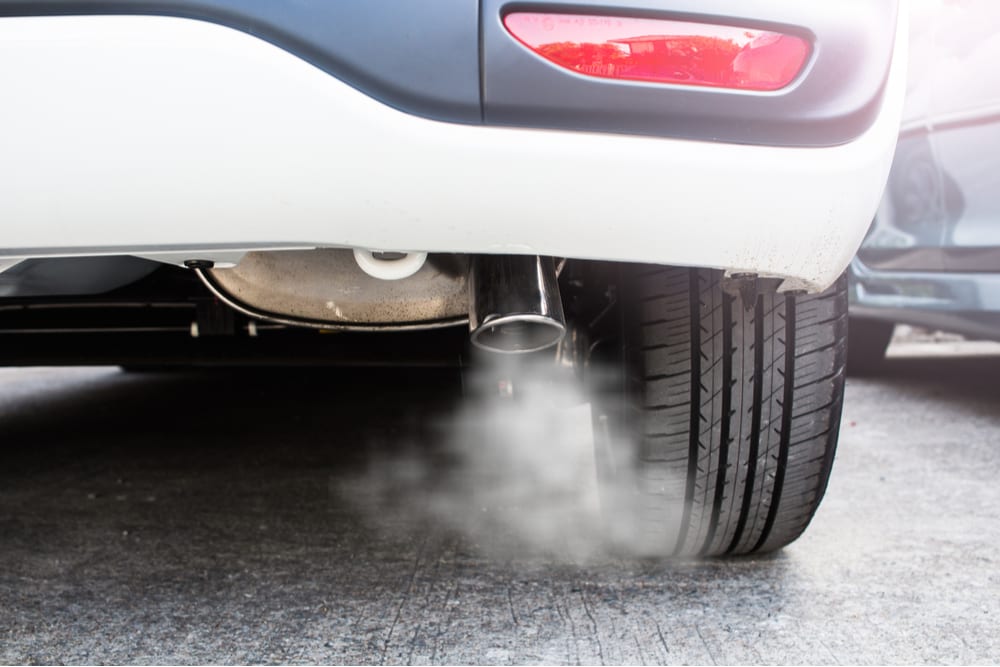
The absence of a smog test in Florida might initially seem surprising, especially given its vast population, bustling tourist hubs like Orlando and Miami, and its commitment to preserving unique ecosystems. However, this policy is the result of a legislative decision made over two decades ago, reflecting a distinct approach to environmental management and vehicle regulation. For travelers, this means one less hurdle to navigate when bringing your own vehicle, and for residents, it simplifies vehicle ownership. Yet, this doesn’t absolve drivers of environmental responsibility or the need to maintain their vehicles for safety and efficiency. This comprehensive guide delves into the history of emissions testing in Florida, its current vehicle requirements, and the state’s broader strategies for environmental protection, offering insights relevant to travel, tourism, and lifestyle experiences that define the Sunshine State.
The History and Repeal of Emissions Testing in Florida
To fully grasp why Florida no longer requires smog tests, it’s essential to look back at the state’s brief implementation of emissions inspections and the subsequent decision to repeal them. This historical context is vital for anyone considering a move or extended visit, offering a glimpse into Florida’s legislative priorities and its evolving approach to environmental policy.
A Look Back: Florida’s Brief Stint with Smog Checks
Florida did, at one point, implement a mandatory vehicle emissions testing program. Initiated in the early 1980s, these tests were a direct response to federal mandates under the Clean Air Act. The Environmental Protection Agency (EPA) encouraged or required states to establish vehicle inspection and maintenance (I/M) programs in areas that failed to meet national ambient air quality standards, particularly for ozone and carbon monoxide.
Counties with higher population densities and greater concerns about air quality, such as Broward, Dade (now Miami-Dade), Palm Beach, Pinellas, and Hillsborough, were among those that required regular emissions inspections. Drivers in these areas would take their vehicles to designated testing stations, where tailpipe emissions were measured. The program’s goal was to reduce pollutants emitted by vehicles, thereby improving regional air quality and public health. For many residents in these burgeoning metropolitan areas, the annual emissions test became a familiar part of vehicle ownership.
However, the program faced increasing criticism regarding convenience, cost, and perceived effectiveness. Public debate and political pressure for its reform or repeal quickly mounted. While the intention was to foster cleaner air, practical implementation encountered challenges, including the availability of testing stations, the economic burden on vehicle owners, and questions about its actual impact on overall air quality relative to the state’s continuous growth in vehicle miles traveled.
The Reasons Behind the Repeal
The repeal of Florida’s emissions testing program in 2000 was a landmark decision driven by several key factors. Primarily, significant advancements in automotive technology played a crucial role. Modern vehicles, equipped with sophisticated engine management systems, catalytic converters, and on-board diagnostics (OBD-II) systems, naturally emit far fewer pollutants than their predecessors from earlier decades. This technological leap reduced the perceived necessity of universal, centralized emissions testing. Many believed that newer vehicles, as long as properly maintained, were inherently “cleaner,” and that the cost and inconvenience of testing outweighed the marginal benefits for a rapidly modernizing vehicle fleet.
Furthermore, political and economic considerations were paramount. The program was often criticized for being an additional financial burden on residents and an inconvenience for businesses. Lobbying efforts from various groups, including auto dealers and consumer advocates, highlighted the financial impact on low-income families and the operational costs of maintaining testing facilities. Politicians, responsive to public sentiment, ultimately sided with discontinuing the program. They argued that the state’s air quality had improved sufficiently, largely due to cleaner new cars and advanced fuel formulations, and that areas previously considered “non-attainment” for federal air quality standards were now in compliance.
The legislative decision to end the emissions testing program in 2000 was a significant shift, signaling Florida’s confidence in a combination of newer vehicle technology, stringent federal manufacturing standards, and other environmental initiatives to maintain air quality without the need for individual vehicle inspections. This change simplified vehicle ownership and registration processes across the state, impacting everything from daily commutes in Jacksonville to leisurely road trips down to Key West.
Understanding Florida’s Current Vehicle Regulations for Residents and Visitors
While the absence of smog testing might simplify one aspect of vehicle ownership or travel in Florida, it’s crucial for both residents and visitors to be aware of the existing vehicle regulations. The state still has robust requirements designed to ensure road safety, proper identification, and financial responsibility. Navigating these requirements smoothly is essential for a stress-free travel experience, whether you’re relocating to a vibrant city like Tampa or just visiting the theme parks of Central Florida.
What You Need to Know When Driving in the Sunshine State
For anyone bringing a vehicle into Florida, whether for an extended vacation staying at luxury hotels in South Florida or establishing a permanent residence, understanding the state’s vehicle registration and titling process is fundamental. If you’re establishing residency, you generally have a limited time (typically 10-30 days, depending on the specific action) to register your out-of-state vehicle with the Florida Department of Highway Safety and Motor Vehicles (FLHSMV). This process involves obtaining a Florida title, applying for new license plates, and paying applicable fees.
A crucial part of this process involves verification of your vehicle’s Vehicle Identification Number (VIN), which can be done by a Florida law enforcement officer or a licensed dealer. While this is not an emissions test, it ensures the vehicle’s identity matches its documentation. For tourists or temporary visitors, your out-of-state registration and license plates are generally valid for the duration of your visit, as long as you maintain legal residency in your home state. However, if you engage in activities that signify permanent residency, such as securing employment or enrolling children in school, the clock for vehicle registration begins to tick. Being aware of these details is key to avoiding unnecessary complications during your stay.

Beyond Emissions: Other Vehicle Requirements in Florida
Even without smog tests, Florida maintains other important vehicle requirements designed to keep its roads safe and its drivers responsible. These generally include:
- Vehicle Registration: All vehicles operated on Florida roads must be properly registered with the FLHSMV and display valid license plates. Registration must be renewed annually or biennially, depending on the vehicle type and owner’s preference.
- Proof of Insurance: Florida is a “no-fault” insurance state, requiring drivers to carry Personal Injury Protection (PIP) and Property Damage Liability (PDL) coverage. Proof of insurance is mandatory at the time of vehicle registration and must be carried in the vehicle at all times. This protects drivers and others on the road in the event of an accident.
- Driver’s License: A valid driver’s license is required to operate a motor vehicle. Visitors with out-of-state or international licenses are generally permitted to drive for a certain period, but residents must obtain a Florida driver’s license.
- Safety Equipment: Vehicles must adhere to basic safety standards, including functional headlights, taillights, brake lights, turn signals, mirrors, and seatbelts. While there’s no state-mandated safety inspection (unlike some other states), law enforcement can issue citations for equipment violations. Keeping your vehicle in good working order is not only a legal requirement but also critical for safe travel and a responsible lifestyle.
For those interested in long-term accommodation or relocating to Florida, understanding these requirements prevents potential fines or legal issues. Whether you’re researching villas in Naples or apartments in Tallahassee, ensure your vehicle is prepared for its new home in the Sunshine State.
Environmental Stewardship in Florida: Beyond the Tailpipe
The absence of a smog test in Florida does not imply a lack of environmental concern. On the contrary, Florida’s environmental challenges are significant, ranging from protecting its vast coastlines and unique wetlands to managing water quality and preserving biodiversity. The state employs a multi-faceted approach to environmental stewardship that extends far beyond vehicular emissions, influencing everything from urban planning and agricultural practices to tourism development and local culture.
Protecting Florida’s Natural Treasures and Tourist Destinations
Florida’s economy is inextricably linked to its natural beauty. Millions of tourists flock annually to its pristine beaches, crystal-clear springs, and world-renowned parks. Iconic landmarks like Everglades National Park, the Florida Keys, and the St. Johns River are not only major attractions but also critical ecosystems requiring vigilant protection. The Florida Department of Environmental Protection (FDEP) plays a pivotal role in this, overseeing programs related to water quality, waste management, land and recreation, and ecosystem restoration.
Instead of focusing heavily on individual vehicle emissions inspections, Florida emphasizes broader strategies to maintain air quality, such as regulating industrial emissions, promoting cleaner energy sources, and implementing stricter fuel standards. The state has also invested in large-scale conservation efforts, acquiring and preserving millions of acres of environmentally sensitive lands, ensuring the long-term health of its natural habitats. These efforts directly benefit tourism, as visitors come to experience unspoiled nature, from kayaking through mangrove tunnels to diving among vibrant coral reefs. Many resorts and hotels across the state have also adopted sustainable practices, recognizing that their business depends on a healthy environment.
For those planning travel to destinations like St. Petersburg or Sarasota, understanding these initiatives can enhance your experience. Exploring Florida’s state parks and national refuges offers a profound connection to the natural world and highlights the importance of collective environmental responsibility. These are not just attractions; they are vital components of the global ecosystem and central to the unique Florida lifestyle.
Sustainable Travel and Lifestyle Choices in Florida
Even without a mandatory smog test, individual actions can significantly contribute to Florida’s environmental health. For residents and visitors alike, embracing sustainable lifestyle choices is a powerful way to support the state’s conservation efforts and ensure that its beauty can be enjoyed for generations to come.
- Vehicle Maintenance: While not legally required for emissions, regular vehicle maintenance is paramount. Keeping your car’s engine tuned, tires properly inflated, and filters clean not only improves fuel efficiency but also significantly reduces harmful emissions. This is a personal responsibility that contributes to cleaner air for everyone, whether you’re commuting in North Florida or cruising the scenic byways of the Keys.
- Eco-Friendly Transportation: Consider alternatives to personal vehicles when possible. Florida’s major cities offer various forms of public transportation, and many tourist areas are walkable or bicycle-friendly. Opting for electric or hybrid rental cars, utilizing rideshares, or exploring designated bike paths in cities like Fort Lauderdale can reduce your carbon footprint and enhance your travel experiences.
- Responsible Tourism: Engage in eco-tourism activities that support local conservation, such as guided tours that educate about wildlife and ecosystems. Choose accommodation providers, from suites to villas, that demonstrate a commitment to sustainability. Patronize local businesses that prioritize environmental responsibility, contributing to a positive tourism landscape.
- Waste Reduction and Conservation: Beyond transportation, general habits like minimizing waste, conserving water, and participating in local clean-up efforts (even as a visitor) can have a cumulative positive impact. This aligns with the broader ethos of protecting Florida’s delicate natural resources, from its unique food sources to its precious waterways.
By making conscious choices, individuals can play a vital role in preserving the pristine environments that make Florida such a sought-after destination for travel, lifestyle, and memorable experiences.

Conclusion: Navigating Florida’s Roads with Environmental Awareness
In conclusion, the answer to “Does Florida have a smog test?” is a definitive no. The state discontinued its mandatory vehicle emissions testing program in 2000, a decision influenced by advancements in automotive technology, improved air quality, and public and political sentiment regarding the program’s cost and effectiveness. For residents, this means a streamlined vehicle registration process free from annual emissions inspections. For the millions of travelers flocking to Florida each year, it translates to one less bureaucratic hurdle when bringing their own vehicle or considering a long-term stay in one of the state’s many inviting destinations.
However, the absence of a smog test should not be misinterpreted as a carte blanche for environmental disregard. Florida faces formidable environmental challenges, and its commitment to preserving its natural wonders – from the wetlands of the Everglades to the coral reefs off the Keys – remains a high priority. The state addresses air quality and environmental protection through a combination of federal regulations on vehicle manufacturing, industrial emission controls, and extensive conservation programs managed by entities like the FDEP.
For anyone exploring the rich tapestry of Florida’s tourism and lifestyle, from luxuriating at resorts in Naples to embarking on adventurous family trips in North Florida, embracing individual environmental responsibility is key. Regular vehicle maintenance, opting for eco-friendly transportation, and supporting sustainable tourism activities all contribute significantly to the collective effort of maintaining the Sunshine State’s pristine allure. By understanding these nuances, both permanent residents and temporary visitors can ensure their journey through Florida is not only enjoyable but also respectful of its invaluable natural heritage. This thoughtful approach ensures that Florida continues to be a vibrant and healthy place for everyone, offering unparalleled experiences for years to come.
LifeOutOfTheBox is a participant in the Amazon Services LLC Associates Program, an affiliate advertising program designed to provide a means for sites to earn advertising fees by advertising and linking to Amazon.com. Amazon, the Amazon logo, AmazonSupply, and the AmazonSupply logo are trademarks of Amazon.com, Inc. or its affiliates. As an Amazon Associate we earn affiliate commissions from qualifying purchases.