
Embarking on an adventure in the Lone Star State, whether it’s for an extended vacation, a new lifestyle chapter, or a business relocation, often involves navigating local regulations to make your stay as smooth and enjoyable as possible. For many, exploring the vast landscapes and vibrant cities of Texas means having your own set of wheels. From the bustling streets of Dallas to the serene beauty of Big Bend National Park, a registered vehicle offers unparalleled freedom. Understanding how to register a vehicle in Texas is not just a bureaucratic necessity; it’s a key step towards fully embracing the travel, tourism, and lifestyle opportunities this diverse state offers.
This comprehensive guide is designed for new residents, long-term visitors, and anyone looking to make their automotive presence in Texas official. We’ll delve into the process, ensuring you’re well-equipped to register your vehicle, allowing you to focus on discovering the unique charm and experiences that define Texas living. Whether your journey takes you to the historic San Antonio Riverwalk or the lively music scene of Austin, a properly registered vehicle is your ticket to seamless exploration.
Navigating Texas as a Traveler: Why Vehicle Registration Matters
For those living a travel-centric lifestyle, the concept of vehicle registration might seem like a mundane detail, but in a state as expansive and welcoming as Texas, it quickly becomes an essential component of a fulfilling experience. The sheer size of Texas, with its diverse geographic regions and distinct cultural hubs, practically necessitates a vehicle for true immersion.
Connecting the Dots: Travel, Lifestyle, and Local Regulations
Imagine planning a sprawling road trip through the Texas Hill Country, or a longer stay to truly experience the local culture and cuisine of Houston. Without a properly registered vehicle, your ability to move freely and adapt to spontaneous travel plans can be significantly hampered. For digital nomads, remote workers, or retirees seeking a new home base, integrating into the local infrastructure, including vehicle registration, is part of establishing a comfortable and compliant lifestyle. It opens doors to living like a local, discovering hidden gems off the beaten path, and commuting effortlessly for work or leisure.
The requirement to register your vehicle within 30 days of establishing residency in Texas is not just a rule; it’s a pathway to becoming a part of the community. It ensures your vehicle meets state safety and environmental standards, contributing to the overall well-being and safety of its roads. For those considering long-term accommodation, perhaps a cozy apartment in Fort Worth or a lavish villa near South Padre Island, having your vehicle legally registered provides peace of mind and avoids potential legal complications down the line. It’s a foundational step that allows you to fully enjoy everything from the luxury resorts to the budget-friendly stays, knowing your primary mode of transport is compliant.
Extended Stays and the Call of the Open Road
Texas is a magnet for those seeking extended stays, whether it’s for seasonal migration, a temporary work assignment, or simply a desire to soak in its unique atmosphere for more than just a few weeks. The call of the open road in Texas is undeniable. From the historic missions of San Antonio, including the iconic The Alamo, to the scientific wonders of Space Center Houston, many of the state’s most compelling attractions are best reached by car.
Consider a family trip to Galveston‘s beaches or a romantic getaway to the wineries of Fredericksburg. The convenience of your own registered vehicle allows for flexible itineraries, impromptu detours, and the freedom to carry all your essentials, from picnic baskets to beach gear. For those who choose to make Texas their temporary or permanent home, registering their vehicle solidifies their commitment to responsible living in the state, ensuring they can enjoy its many offerings without impediment. This commitment often extends to selecting the right long-term accommodation, whether it’s a serviced apartment in the heart of Dallas-Fort Worth Metropolitan Area or a charming rental home in a quaint Texan town, knowing their vehicle is ready for any adventure.
The Essential Steps: A Guide for New Texans and Long-Term Visitors
Registering a vehicle in Texas might seem like a complex maze of paperwork and appointments, but by breaking it down into manageable steps, the process becomes straightforward. This section will guide you through each crucial stage, ensuring you have all the necessary information to confidently register your car, truck, or motorcycle.
Step 1: Secure Your Foundation – Proof of Ownership and Insurance
Before you can even think about driving your vehicle legally on Texas roads, you need to establish both ownership and financial responsibility. These two pillars form the bedrock of the registration process.
Understanding Vehicle Titles and Bills of Sale
The first thing you’ll need is definitive proof that the vehicle belongs to you. This typically comes in one of two forms:
- Vehicle Title: If you’re moving from another state, you’ll generally have an out-of-state title. This document proves legal ownership and will be used to obtain a Texas title. It’s crucial that the title is clean and free of liens, or if there is a lien, that you have the necessary documentation from the lienholder.
- Bill of Sale: If you purchased the vehicle recently from a private seller in Texas, a signed bill of sale, along with the assigned title, will be necessary. If buying from a dealership, they usually handle the title transfer process for you, often including the initial registration.
Ensure all names on the title or bill of sale match your identification and that all required sections are completed accurately. Any discrepancies can lead to delays in your registration process. Keeping these documents secure is vital, not just for registration, but for future transactions involving your vehicle.
Texas Auto Insurance Requirements: Peace of Mind on the Road
Texas law mandates that all registered vehicles carry a minimum amount of liability insurance. This isn’t just a requirement; it’s a critical safety net that protects you and others in case of an accident. The current minimum liability coverage in Texas is often referred to as “30/60/25”:
- $30,000 for bodily injury per person
- $60,000 for total bodily injury per accident
- $25,000 for property damage per accident
You will need to show proof of this insurance when you register your vehicle. It’s advisable to shop around and get quotes from multiple insurance providers to ensure you find a policy that not only meets the state minimums but also provides adequate coverage for your specific needs and travel habits. Many visitors to Texas choose to enhance their coverage beyond the minimum, especially if they plan extensive road trips through various regions or if their vehicle is of significant value. Always have your proof of insurance readily accessible, whether it’s a physical card or digital proof on your phone.
Step 2: Hitting the Road Safely – Texas Vehicle Inspection
Before your vehicle can be registered, it must pass a state-mandated safety inspection. For vehicles registered in certain Texas counties, an emissions test is also required. This step ensures that all vehicles operating on Texas roads meet minimum safety and environmental standards, contributing to a safer and cleaner environment for everyone, including tourists enjoying the local landmarks.
Safety First: What the Inspection Covers
A Texas safety inspection covers various components of your vehicle to ensure it is roadworthy. This typically includes:
- Brakes: Proper function of service and parking brakes.
- Lights: Headlights, taillights, brake lights, turn signals, and license plate lights.
- Tires: Tread depth and overall condition.
- Steering: Proper operation and alignment.
- Windows and Windshield: No cracks or obstructions in the driver’s view, working wipers.
- Horn: Functional horn.
- Seat Belts: All required seat belts are present and functional.
- Mirrors: Presence and condition of rearview mirrors.
- Exhaust System: No leaks or excessive noise.
You can get your vehicle inspected at any official Texas Department of Public Safety (DPS) authorized inspection station. Look for signs that say “Official Vehicle Inspection Station.” After a successful inspection, you will receive a Vehicle Inspection Report (VIR), which you’ll need for the registration process. It’s always a good idea to ensure your vehicle is in good working order before heading to an inspection station to avoid potential re-inspection fees and delays.
Emissions Testing: A Nod to Environmental Responsibility (for certain counties)
In addition to the safety inspection, vehicles registered in certain metropolitan areas and their surrounding counties are also subject to an emissions test. These areas are typically part of non-attainment zones designated by the U.S. Environmental Protection Agency (EPA) to improve air quality. Key counties requiring emissions testing include:
- Travis County (Austin area)
- Dallas County (Dallas area)
- Tarrant County (Fort Worth area)
- Harris County (Houston area)
- Bexar County (San Antonio area)
- And several others in surrounding regions.
The emissions test checks your vehicle’s exhaust system to ensure it’s not emitting pollutants above legal limits. Most vehicles newer than two years old or older than 24 years old, diesel-powered vehicles, and motorcycles are exempt from emissions testing, though they still require a safety inspection. Your inspection station will conduct both the safety and emissions tests if your vehicle and county require it, consolidating the process. This environmental measure reflects a broader commitment to sustainable tourism and lifestyle practices within Texas, ensuring that your travels contribute positively to the state’s natural beauty.
Step 3: Making it Official – The Registration Process and Fees
With proof of ownership, insurance, and a successful inspection in hand, you’re ready for the final step: officially registering your vehicle. This is where you’ll visit your local County Tax Assessor-Collector’s office and pay the necessary fees.
Visiting Your Local County Tax Assessor-Collector
The County Tax Assessor-Collector’s office is the primary point of contact for vehicle registration in Texas. You’ll need to visit the office in the county where you reside. When you go, make sure to bring:
- Proof of ownership: Your out-of-state title or bill of sale.
- Proof of insurance: Your current Texas liability insurance card.
- Vehicle Inspection Report (VIR): The document confirming your vehicle passed inspection.
- Your Texas driver’s license or valid identification.
- Proof of Texas residency: Such as a utility bill, lease agreement, or Texas voter registration card.
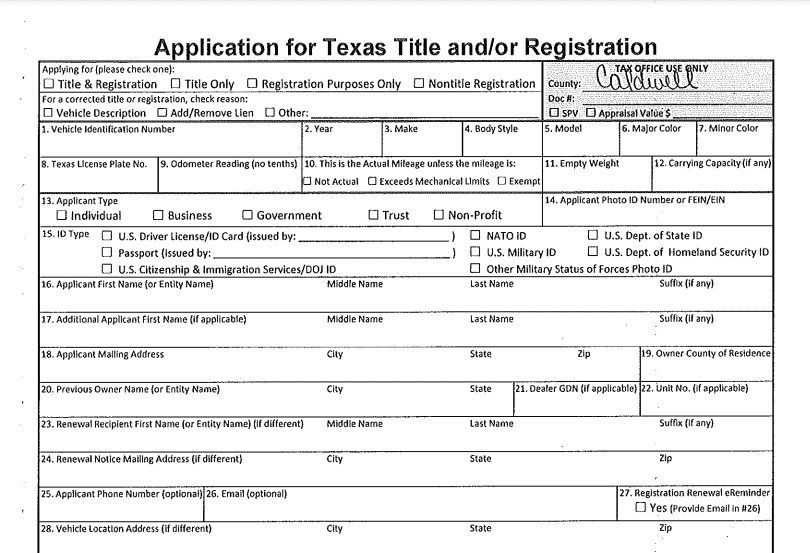
- Form 130-U: Application for Texas Title and/or Registration (available at the office or online).
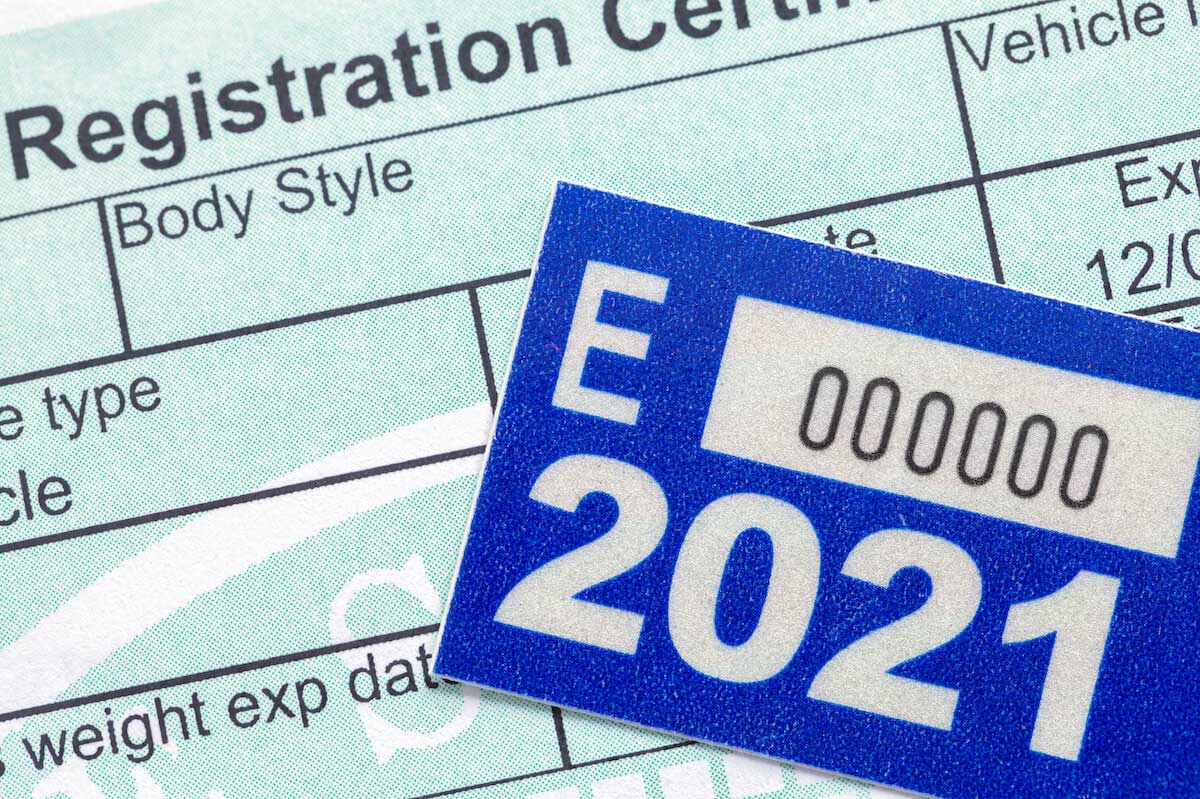
A visit to the County Tax Assessor-Collector’s office is typically efficient, especially if you have all your documents organized. Some offices may allow you to schedule an appointment online, which can save time, particularly in larger metropolitan areas like the Dallas-Fort Worth metroplex. Once everything is processed and fees are paid, you will receive your new Texas license plates and a registration sticker, which must be displayed on your vehicle.
Breaking Down the Costs: Registration, Sales Tax, and Local Fees
The total cost to register your vehicle in Texas will include several components:
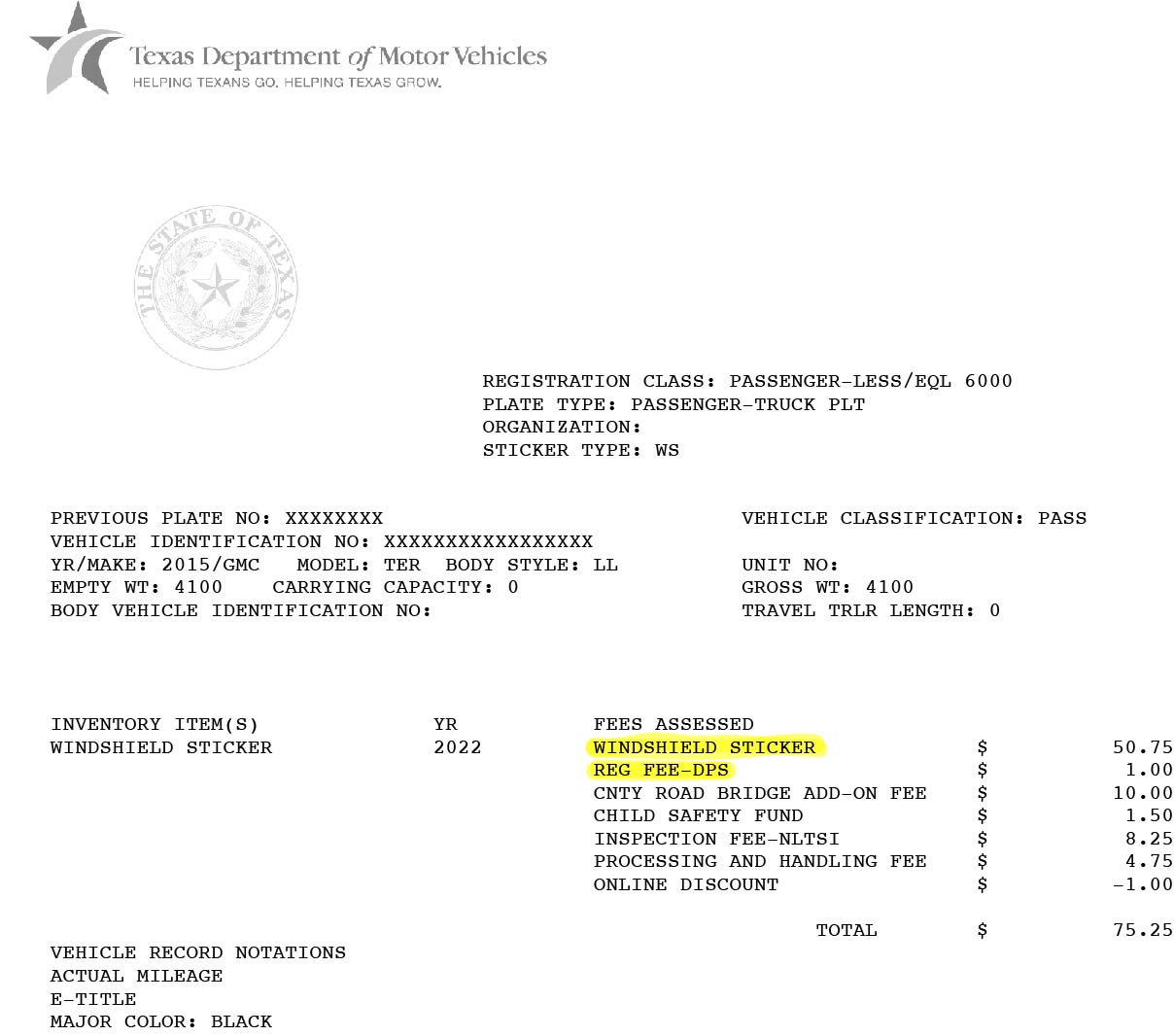
- Base Registration Fee: This is a standard state fee, typically around $50.75 for most passenger vehicles.
- Local Fees: Counties and specific regions may impose additional local fees, which can vary.
- Title Transfer Fee: A fee for transferring your vehicle’s title to Texas, usually around $33.
- Sales Tax: If you purchased your vehicle in Texas, or if you are a new resident bringing a vehicle from out of state that you haven’t paid sales tax on for a certain period, you will likely need to pay Texas motor vehicle sales tax. This is 6.25% of the sales price or standard presumptive value of the vehicle, whichever is greater. There are some exemptions for new residents who have owned and used their vehicle in another state for at least 30 days.
- Vehicle Inspection Fee: Paid directly to the inspection station (typically around $7 to $25, varying by vehicle type and whether emissions testing is included).
Understanding these costs upfront helps you budget accordingly, whether you’re planning a luxurious stay at the JW Marriott San Antonio Hill Country Resort & Spa or a more budget-conscious adventure. Having a registered vehicle is an investment in your freedom to explore and enjoy everything Texas has to offer without financial surprises related to compliance.
Embracing the Lone Star State: Beyond Registration
Once your vehicle is officially registered, the true adventure begins. A registered vehicle transforms your access to Texas, making it not just a place to visit, but a place to live, explore, and truly experience.
Unique Texas Road Trip Adventures
With your Texas plates proudly displayed, the entire state opens up as a playground for road trips and discoveries. The freedom to drive means you can effortlessly transition from bustling urban centers to serene natural wonders, experiencing the full spectrum of Texas’s appeal.
From Big Bend National Park to Padre Island National Seashore
Imagine setting off from the urban sprawl of Houston, perhaps after a comfortable stay at the Marriott Marquis Houston, heading west towards the majestic, rugged beauty of Big Bend National Park. This journey through vast desert landscapes, alongside the Rio Grande, offers unparalleled hiking, stargazing, and an escape into pure wilderness. Alternatively, a trip south could take you to the pristine barrier island of Padre Island National Seashore, where you can drive directly onto the beach, birdwatch, or simply relax by the Gulf of Mexico. These experiences highlight the diverse natural heritage of Texas, all made accessible by your own registered vehicle.
Urban Explorations in Austin, Dallas, and Houston
Beyond the natural parks, Texas boasts world-class cities, each with its own distinct flavor. In Austin, your registered vehicle allows you to easily navigate from the live music venues on Sixth Street to Barton Springs Pool, or explore the burgeoning culinary scene. A stay at the Four Seasons Hotel Austin provides a luxurious base for such explorations. In Dallas, you can effortlessly move between the historic West End, the Dallas Arts District, and iconic sites like the Sixth Floor Museum. Houston offers a similar breadth of experiences, from the Museum District to the diverse neighborhoods that make it a global city. Having your own transportation is key to experiencing these urban landscapes beyond just the immediate vicinity of your hotel or apartment.
Accommodation and Lifestyle: Enhancing Your Texas Experience
Vehicle registration is also intricately linked to your overall lifestyle and accommodation choices in Texas. The flexibility it provides can influence where you choose to stay and how you integrate into the local rhythm.
Choosing Your Base: Hotels, Resorts, and Long-Term Stays
With a registered vehicle, your options for accommodation expand considerably. You’re not limited to hotels within walking distance of public transport. You can choose a charming bed and breakfast in the Texas Hill Country, a family-friendly resort in Arlington near theme parks, or a tranquil long-term rental further from the city center, knowing you can easily commute. This freedom allows you to tailor your accommodation to your lifestyle, whether you prioritize luxury amenities, budget-friendly options, or a quiet retreat surrounded by nature. Many apartments and long-term rental properties in Texas are designed with car owners in mind, offering convenient parking that complements your vehicle’s official status.
Seamless Transitions: Integrating into Texas Life
Ultimately, registering your vehicle is more than just compliance; it’s a seamless transition into the Texan way of life. It’s about having the independence to discover local eateries in every town, attend community events, or simply take a spontaneous drive to watch a breathtaking sunset. It allows you to participate fully in the rich tapestry of Texan culture, whether you’re a temporary visitor seeking unique experiences or a new resident building a life in this vibrant state. This small administrative step unlocks a world of possibilities, making every mile you drive in Texas a part of your unforgettable journey.
Practical Tips and Common Questions
Navigating the specifics of vehicle registration can sometimes raise additional questions, especially for those new to Texas. Here are some practical tips and answers to common inquiries to further smooth your transition.
New Residents: What You Need to Know
If you’re moving to Texas, there are a few extra details to keep in mind beyond the general steps:
- Driver’s License: You must obtain a Texas driver’s license within 90 days of moving to the state. This is often a prerequisite or at least highly recommended to complete your vehicle registration smoothly, as it establishes your official residency.
- 30-Day Rule: As mentioned, you generally have 30 days from the date you become a Texas resident to register your vehicle. Failing to do so can result in penalties.
- Temporary Permits: If you just arrived and haven’t had time to complete all steps, you might be eligible for a temporary permit that allows you to legally operate your vehicle while you gather your documents and complete inspections. Inquire about these at your local County Tax Assessor-Collector’s office.
Temporary Permits and Special Circumstances
There are various scenarios where you might need special permits or have slightly different procedures:
- Out-of-State Purchase: If you bought a vehicle out of state and are bringing it directly to Texas, you might need a “Buyer’s Temporary Tag” to legally drive it to an inspection station and then to the registration office.
- Lost Documents: If you’ve lost your title or registration sticker, you can apply for duplicates through the County Tax Assessor-Collector’s office.
- Non-Operational Vehicles: If your vehicle is not operational, it will still need to pass an inspection once it’s repaired before it can be registered and legally driven.
- Military Personnel: Active duty military personnel may have different rules or exemptions regarding vehicle registration, especially if they maintain residency in another state. It’s always best to check with the Texas Department of Motor Vehicles (TxDMV) or your base’s legal assistance office for specific guidance.
By being proactive and informed, registering your vehicle in Texas can be a straightforward process, leaving you more time to explore its vast landscapes, bustling cities, and charming small towns. From the moment your Texas plates are affixed, you’re not just a driver; you’re an explorer, ready to uncover the unique wonders that make the Lone Star State a premier destination for travel, tourism, and an unforgettable lifestyle.
LifeOutOfTheBox is a participant in the Amazon Services LLC Associates Program, an affiliate advertising program designed to provide a means for sites to earn advertising fees by advertising and linking to Amazon.com. Amazon, the Amazon logo, AmazonSupply, and the AmazonSupply logo are trademarks of Amazon.com, Inc. or its affiliates. As an Amazon Associate we earn affiliate commissions from qualifying purchases.