
For travelers planning an unforgettable adventure in the Sunshine State, understanding the logistics of navigating between its vibrant cities is key. Two of Florida’s most popular destinations, Orlando and Fort Lauderdale, offer distinct yet complementary experiences, drawing millions of visitors each year. Whether you’re seeking theme park thrills or pristine beaches, knowing the distance and best routes between these urban centers is the first step toward a seamless journey.
The straight-line distance, or “as the crow flies,” between Fort Lauderdale and Orlando is approximately 190 miles (306 kilometers). However, for most travelers, the practical driving distance is closer to 200-220 miles (320-350 kilometers), depending on the specific starting and ending points within each metropolitan area and the chosen route. This translates to an average driving time of about 3 to 4 hours, without significant traffic or stops. This comprehensive guide will delve into the various ways to travel between these two iconic Florida cities, offering insights into routes, transportation options, and what to expect along the way, catering to every travel style and preference, from luxury escapes to budget-friendly explorations.
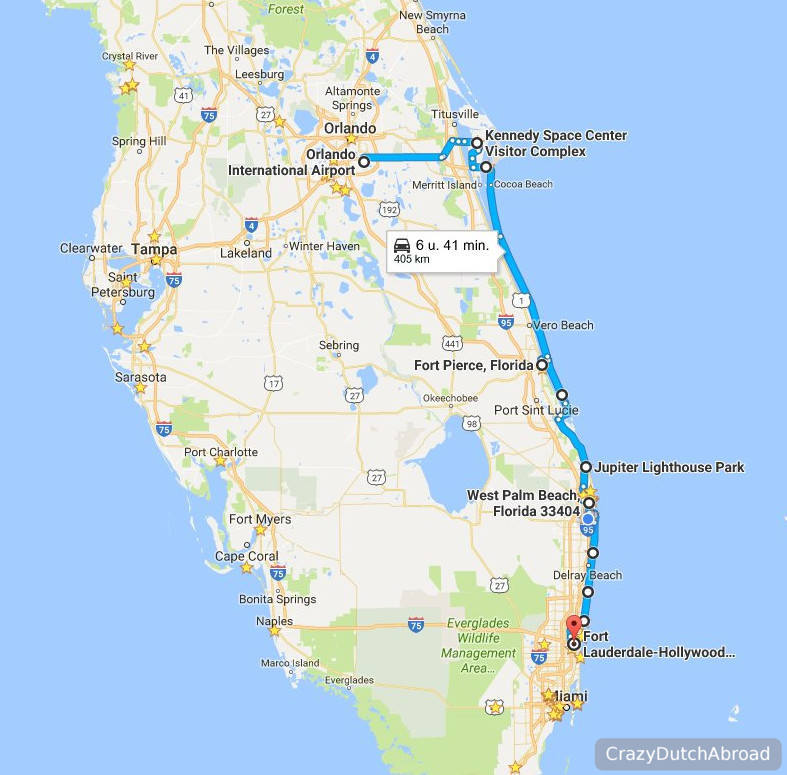
Navigating the Sunshine State: Routes and Road Trips
The journey from the theme park capital of the world to the “Venice of America” offers a quintessential Florida travel experience. Choosing the right route can significantly impact your travel time, scenery, and even the opportunities for roadside adventures.
The Most Direct Driving Routes
For efficiency, most travelers opt for one of two primary routes: Florida’s Turnpike or a combination involving Interstate 95.
1. Florida’s Turnpike (Toll Road): This is generally considered the fastest and most straightforward option. It’s a well-maintained toll road that cuts directly through the heart of Florida, bypassing many smaller towns and urban traffic.
- Distance: Approximately 200-210 miles (320-338 km), depending on your exact origin and destination.
- Estimated Travel Time: 3 to 3.5 hours under normal conditions.
- Pros: Fewer stops, higher speed limits, generally smoother traffic flow.
- Cons: Tolls can add up, so ensure you have a SunPass or equivalent transponder, or be prepared for “Toll-By-Plate” charges which can be higher.
2. Interstate 95 and Other Routes: While Interstate 95 is a major north-south artery along Florida’s east coast, it’s typically less direct for the entire journey between Fort Lauderdale and Orlando. You would likely take Interstate 95 north from Fort Lauderdale to a point around Melbourne or Cocoa Beach, then head west on State Road 528 (Beachline Expressway), which is also a toll road, towards Orlando.
- Distance: Roughly 210-220 miles (338-354 km).
- Estimated Travel Time: 3.5 to 4 hours, potentially longer with coastal traffic.
- Pros: Offers scenic glimpses of Florida’s Space Coast, with potential detours to attractions like the Kennedy Space Center Visitor Complex.
- Cons: Often experiences more traffic, especially during peak hours or holidays, and involves tolls on SR 528.
Scenic Alternatives and Roadside Stops
For those who view the journey as part of the destination, taking a slightly longer, more scenic route can enrich the travel experience. Instead of rushing, consider turning your transfer into a mini-road trip, exploring charming towns and natural wonders along the way.
One such detour involves driving north on Interstate 95 and exploring the coastal communities. You could stop in West Palm Beach for its upscale shopping and dining, or enjoy the vibrant arts scene in Delray Beach. Further north, Cocoa Beach offers a laid-back surf town vibe and easy access to the Kennedy Space Center Visitor Complex, a landmark attraction that provides a fascinating glimpse into space exploration. This route transforms a simple drive into an opportunity to experience different facets of Florida’s unique lifestyle and tourism offerings.
Beyond the Wheel: Other Transportation Options
While driving offers flexibility, it’s not the only way to travel between Fort Lauderdale and Orlando. A variety of transportation methods cater to different budgets, preferences, and travel styles, aligning with varied approaches to travel, from budget-conscious to luxury travel.
High-Speed Rail, Bus, and Traditional Train Services
1. Brightline (High-Speed Rail): Brightline offers a modern, comfortable, and increasingly popular option for intercity travel in Florida. With direct connections between Fort Lauderdale and Orlando, it provides a stress-free alternative to driving, especially for those seeking a premium experience.
- Travel Time: Approximately 3 hours, offering a similar duration to driving without the hassle of traffic or parking.
- Pros: Comfortable seating, Wi-Fi, food and beverage service, city-center stations, ideal for business stays or luxury travel.
- Cons: Can be more expensive than bus travel, tickets should be booked in advance, and local transportation might still be needed to/from stations.
2. Bus Services: Several bus companies, including Greyhound and FlixBus, operate routes between Fort Lauderdale and Orlando. This is often the most budget-friendly option.
- Travel Time: Typically 4 to 5 hours, depending on stops and traffic.
- Pros: Economical, allows travelers to relax and avoid driving, good for budget travel.
- Cons: Longer travel times, less comfort compared to rail or private car, bus stations might be less centrally located.
3. Amtrak: While Florida has an Amtrak network, the route between Fort Lauderdale and Orlando is not as direct or fast as Brightline. It often involves transfers or longer journey times.
- Travel Time: Can vary significantly, often 4+ hours.
- Pros: A nostalgic travel experience, allows for scenic views, comfortable for longer journeys.
- Cons: Not the most efficient option for this specific route, typically slower than driving or Brightline.

Flying and Private Transfers
1. Flying Between Cities: Although seemingly counterintuitive for a relatively short distance, flying is an option, particularly if you are connecting from an international flight or simply prefer air travel. Both cities have major airports: Orlando International Airport (MCO) and Fort Lauderdale-Hollywood International Airport (FLL).
- Flight Time: The actual flight is very short, usually around 45-60 minutes.
- Total Travel Time: When factoring in check-in, security, and travel to/from airports, the total door-to-door time can easily exceed 4-5 hours, making it less efficient than driving or Brightline for most.
- Pros: Fastest direct travel, convenient if you’re already at an airport, offers flexibility with airline options.
- Cons: Not cost-effective for solo travelers, significant time spent at airports, environmental impact.
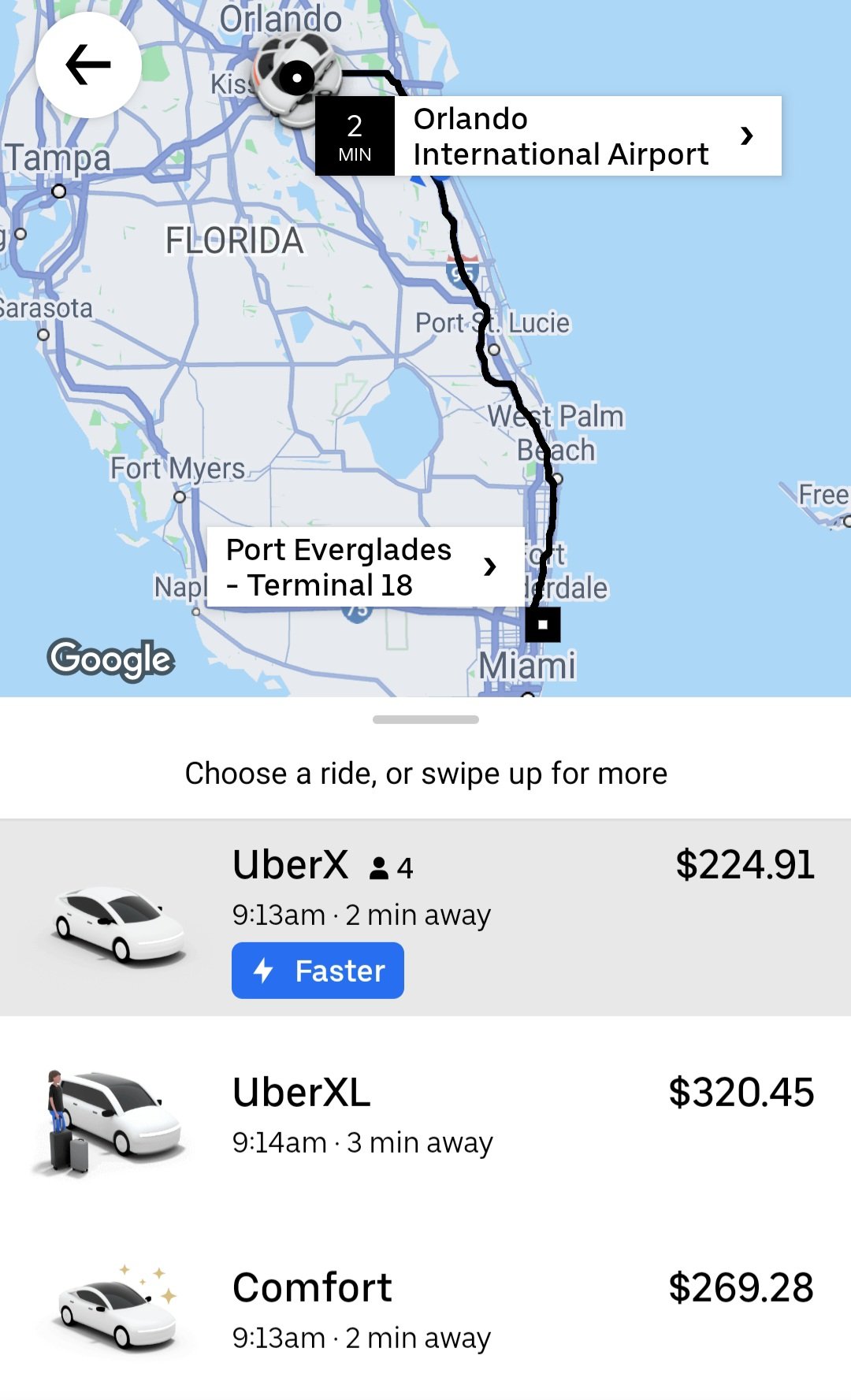
2. Rideshare and Private Transfers: Services like Uber, Lyft, or dedicated private car services offer door-to-door convenience.
- Travel Time: Similar to driving, 3 to 4 hours.
- Pros: Ultimate convenience, privacy, can be cost-effective for groups, good for business stays or luxury travel where comfort is paramount.
- Cons: Can be very expensive for solo travelers, particularly long distances, subject to surge pricing.
Beyond the Journey: Exploring Your Destinations
The trip between Fort Lauderdale and Orlando is more than just covering miles; it’s about transitioning between two distinct worlds of Florida tourism. Each city boasts unique attractions, diverse accommodation options, and a distinct local culture waiting to be explored, catering to family trips, solo adventures, or luxury getaways.
Orlando: The Theme Park Capital and Beyond
Orlando is world-renowned for its colossal theme parks, offering unparalleled entertainment for families and thrill-seekers alike.
- Iconic Attractions: Immerse yourself in the magic of Walt Disney World Resort, explore cinematic worlds at Universal Orlando Resort, or get up close with marine life at SeaWorld Orlando. These destinations alone can fill weeks with activities.
- Beyond the Parks: Orlando’s appeal extends beyond its famous parks. Explore the upscale shops and dining in Winter Park, enjoy the vibrant nightlife in downtown Orlando, or discover the natural beauty of Florida’s springs just a short drive away.
- Accommodation: From sprawling resorts in Lake Buena Vista and Kissimmee) with every imaginable amenity, to boutique hotels near downtown, and budget-friendly suites, Orlando offers a vast array of accommodation options. Luxury travelers might consider the Four Seasons Resort Orlando at Walt Disney World Resort, JW Marriott Orlando Grande Lakes, or The Ritz-Carlton Orlando, Grande Lakes. For those near Universal Orlando Resort, the Hard Rock Hotel or Loews Portofino Bay Hotel offer themed experiences and convenient park access.
Fort Lauderdale: Beaches, Boats, and Boulevard Culture
Often called the “Venice of America” due to its extensive canal system, Fort Lauderdale is a paradise for those seeking sun, sand, and sophisticated coastal living.
- Coastal Charms: The city boasts miles of pristine Fort Lauderdale Beach, perfect for sunbathing, swimming, and water sports. The scenic Las Olas Boulevard is a hub for art galleries, upscale boutiques, and gourmet dining, embodying a chic Florida lifestyle.
- Boating and Cruises: Fort Lauderdale is a major yachting destination and a popular cruise departure point from Port Everglades. Explore the intricate canal system with a water taxi tour or enjoy a sunset cruise on the Atlantic Ocean. For a touch of nature, an airboat tour of the nearby Everglades National Park offers an unforgettable experience.
- Accommodation: Fort Lauderdale’s hotel scene caters to all, from luxurious resorts directly on the beach to charming boutique hotels and family-friendly apartments. High-end options include The Ritz-Carlton, Fort Lauderdale, W Fort Lauderdale, Lago Mar Beach Resort & Club, and Hilton Fort Lauderdale Beach Resort, offering opulent suites and resorts with stunning ocean views and amenities tailored for an indulgent lifestyle. For more budget-conscious travelers or those seeking long-term stays, numerous vacation rentals and more moderately priced hotels can be found throughout the city and neighboring areas like Hollywood and Pompano Beach.
Essential Travel Tips and Local Insights
To ensure your journey between these two Florida gems is as smooth and enjoyable as possible, consider these practical tips.
Timing Your Visit and Navigating Peak Seasons
Florida generally enjoys pleasant weather year-round, but there are distinct peak seasons that can affect travel times, crowd levels, and accommodation pricing.
- Winter (December to February): This is peak season, especially in Fort Lauderdale and other southern Florida coastal areas, as visitors flock to escape colder climates. Expect higher prices for hotels and flights, and increased traffic on major routes like Florida’s Turnpike and Interstate 95.
- Spring (March to May): Spring break brings large crowds to both destinations, particularly Orlando’s theme parks and Fort Lauderdale’s beaches. Booking accommodation and transportation well in advance is crucial.
- Summer (June to August): Characterized by hot, humid weather and afternoon thunderstorms. While crowds can be substantial at theme parks, Fort Lauderdale beaches might be slightly less crowded than in winter. This is also hurricane season, so travelers should monitor weather forecasts closely.
- Fall (September to November): Often considered the shoulder season, offering a good balance of pleasant weather, fewer crowds, and potentially better deals on travel and accommodation. However, it is still within hurricane season.
For the best experience, consider visiting during late spring or early fall to enjoy milder weather and smaller crowds, making it easier to secure preferred hotels and tour experiences.
Dining, Local Culture, and Preparedness
Exploring the local culture through food is a highlight of any trip. Both Orlando and Fort Lauderdale boast diverse culinary scenes, from casual eateries to fine dining establishments. In Orlando, you’ll find everything from international cuisine catering to its diverse tourist base to classic American fare near the theme parks. Fort Lauderdale excels in seafood, with numerous waterfront restaurants offering fresh catches and stunning views. Don’t miss trying a classic Florida Key Lime Pie in either city!
When packing, remember that Florida’s weather can be unpredictable. Light clothing, sunscreen, and a hat are essential year-round. Even in winter, daytime temperatures are mild, but evenings can be cooler. During summer, expect high humidity and frequent afternoon rain showers, so an umbrella or light rain jacket is advisable. Hydration is also key, especially when exploring theme parks or spending time on the beach.
Whether you’re embarking on a solo adventure, a romantic getaway, a family trip, or a business stay, the journey between Fort Lauderdale and Orlando is an integral part of experiencing the diverse attractions and vibrant lifestyle that Florida has to offer. With careful planning and consideration of your travel style, this relatively short distance can open up a world of possibilities, from the magic of theme parks to the tranquility of sun-kissed beaches, ensuring an unforgettable Florida escapade.
LifeOutOfTheBox is a participant in the Amazon Services LLC Associates Program, an affiliate advertising program designed to provide a means for sites to earn advertising fees by advertising and linking to Amazon.com. Amazon, the Amazon logo, AmazonSupply, and the AmazonSupply logo are trademarks of Amazon.com, Inc. or its affiliates. As an Amazon Associate we earn affiliate commissions from qualifying purchases.