
The question of “How far is Seattle to Portland, Oregon?” is more than just a matter of mileage; it’s an invitation to explore the vibrant corridor that connects two of the Pacific Northwest’s most dynamic cities. For travelers planning a road trip, a quick business jaunt, or a leisurely exploration of the region, understanding the distance and the journey involved is paramount. This journey, stretching approximately 170-180 miles depending on the exact route taken, offers a diverse landscape and a wealth of experiences that make the travel time a worthwhile endeavor.
The drive between Seattle and Portland is a quintessential Pacific Northwest experience. It winds through varied terrain, from the bustling urban sprawl of Washington to the lush, evergreen forests that characterize the region, and finally into the distinct charm of Oregon. This relatively short distance belies the significant cultural and scenic differences that unfold as you traverse the border.
Understanding the Distance: The Direct Routes
The most common and straightforward routes between Seattle and Portland primarily utilize Interstate 5 (I-5). This major artery serves as the backbone of travel along the West Coast, connecting these two metropolitan hubs efficiently.
The I-5 Southbound Journey
The primary route, and the one most travelers opt for, is to head south on I-5 from Seattle. This interstate is well-maintained and offers a direct path to Portland. The mileage typically hovers around 174 miles. The estimated driving time, without accounting for traffic or stops, is approximately 3 hours. However, it’s crucial to understand that traffic, especially around the cities of Seattle, Tacoma, and Portland, can significantly impact this duration. Peak commuting hours, holiday weekends, and even unexpected incidents on the road can easily add an hour or more to the journey. Therefore, planning your departure time strategically is a key aspect of a smooth travel experience.
Factors Affecting I-5 Travel Time
- Traffic Congestion: Seattle and Portland are major economic centers, and their surrounding areas experience considerable traffic. Driving during rush hour (typically 6-9 AM and 3-7 PM on weekdays) can lead to substantial delays.
- Construction and Roadwork: Like any major interstate, I-5 is subject to ongoing maintenance and construction projects. These can cause lane closures and slowdowns, especially during warmer months.
- Weather Conditions: While the Pacific Northwest is known for its rain, significant weather events like heavy snow (rare on I-5 at lower elevations but possible), dense fog, or high winds can impact driving speeds and safety.
Alternative, Scenic Routes
While I-5 is the most direct, it’s not the only way to travel between the two cities. For those with more time and a desire to experience the region’s beauty, alternative routes offer a more scenic and engaging journey, albeit with a longer travel time.
The Pacific Coast Scenic Byway (Highway 101)
For a truly breathtaking experience, consider a detour via the Pacific Coast Scenic Byway, also known as U.S. Route 101. This route takes you closer to the Oregon Coast, offering stunning ocean views, charming coastal towns, and access to natural wonders like Cannon Beach and Oswald West State Park. This option requires a significant time commitment, as it involves more miles and slower speeds. It’s a journey that transforms the simple act of traveling between cities into a destination in itself, often requiring at least an extra day of travel to fully appreciate.
State Routes and Backroads
Exploring lesser-traveled state highways and local roads can also provide a different perspective. These routes often wind through agricultural lands, small towns, and rolling hills, offering a glimpse into the rural charm of the region. While these routes can be more intimate and less crowded, they are also less direct and can significantly increase travel time. Navigating them requires a good map or GPS and a willingness to embrace the unexpected.
Travel Modes: Choosing Your Journey
The distance between Seattle and Portland is manageable for various travel modes, each offering a distinct experience and suitability for different traveler needs.
Driving: The Classic Road Trip

The flexibility and freedom of driving are undeniable advantages. Renting a car or using your own vehicle allows for spontaneous stops at roadside attractions, charming diners, or scenic overlooks. This is the most popular method for families, groups, or individuals who want to customize their itinerary and explore at their own pace. The average drive time, as mentioned, is around 3 hours, but this can extend considerably with stops. Many travelers choose to break up the journey, perhaps with an overnight stay in a town like Olympia, the capital of Washington, or a more leisurely exploration of a coastal town if taking a scenic route.
Amtrak Train: A Relaxing Alternative
For those who prefer to relax and enjoy the scenery without the stress of driving, Amtrak offers a convenient and scenic train service between Seattle and Portland. The Amtrak Cascades route provides comfortable seating, onboard amenities, and picturesque views of the Puget Sound, forests, and rivers. The train journey typically takes around 3.5 to 4 hours, often comparable to driving time when factoring in traffic. This mode of transport is ideal for business travelers who need to work en route, or for leisure travelers seeking a more laid-back journey. The stations are conveniently located in the downtown areas of both cities, making for easy onward travel.
Bus Services: Budget-Friendly Options
Several bus companies operate routes between Seattle and Portland, offering a more budget-friendly option. Services like BoltBus, Greyhound, and FlixBus provide affordable transportation, though travel times can be longer due to multiple stops and varying routes. These services are popular with students, backpackers, and budget-conscious travelers. The journey can range from 3.5 to 5 hours, depending on the provider and the number of stops.
Flying: For the Time-Pressed
While it might seem counterintuitive for a distance of 170-180 miles, flying between Seattle and Portland is an option, particularly for those connecting from or to other destinations. Both Seattle-Tacoma International Airport (SEA) and Portland International Airport (PDX) are served by frequent flights. The flight itself is very short, typically under an hour. However, when accounting for travel to and from airports, security procedures, and potential delays, flying often becomes less time-efficient than driving or taking the train for this specific route.
Experiences Along the Way: Enhancing Your Journey
The stretch of land between Seattle and Portland is rich with opportunities for exploration, making the distance less of a barrier and more of a prelude to adventure.
Quaint Towns and Local Flavors
The journey offers numerous charming towns and cities that are worth exploring. Olympia, the capital of Washington, provides historical sites and a beautiful waterfront. Further south, towns like Centralia and Chehalis offer antique shops and a taste of small-town Americana. As you near Oregon, towns like Vancouver (Washington, not the Canadian city) offer historical sites like the Pearson Air Museum and a vibrant downtown. These stops allow travelers to break up the drive, sample local cuisine, and gain a deeper appreciation for the diverse communities that populate this corridor.
Natural Beauty and Outdoor Adventures
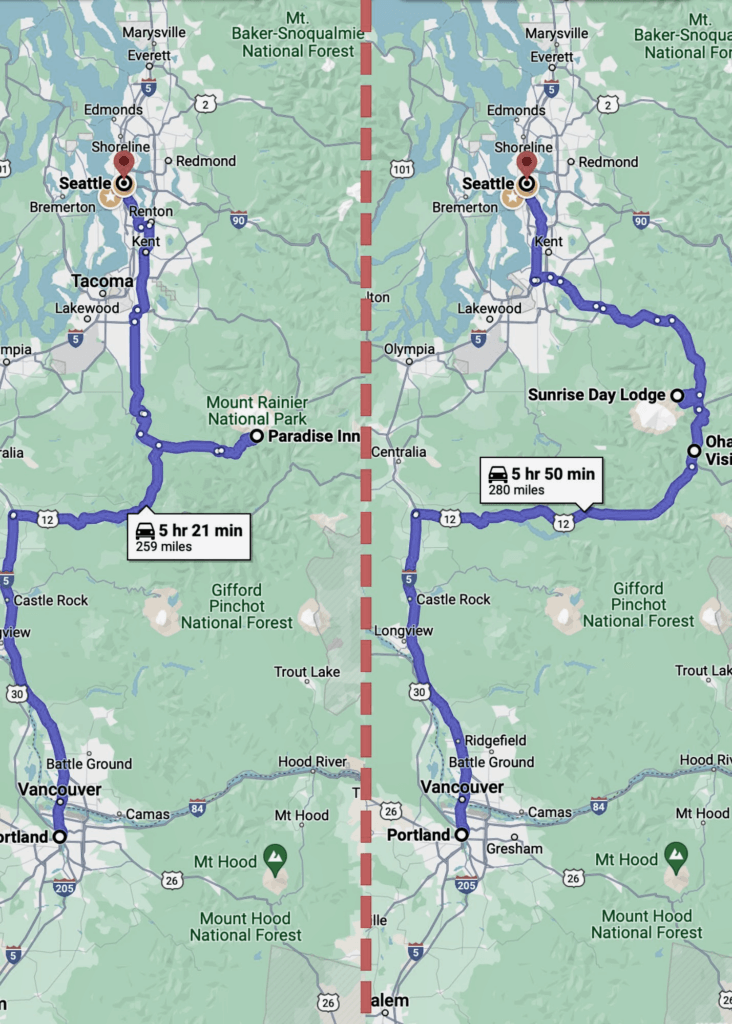
The natural landscape between Seattle and Portland is a significant draw. If taking a slightly longer route, opportunities abound for nature lovers. The Mount Rainier National Park is a majestic detour, offering stunning vistas of its namesake volcano and a network of hiking trails. Closer to the I-5 corridor, parks like Mount Si offer more accessible hiking opportunities for those looking for a quick immersion in nature. The drive itself passes through vast forests, and numerous state parks offer picnic areas and short trails for a refreshing break.
Must-See Stops for Nature Enthusiasts
- Mount Rainier National Park: Though a significant detour, the iconic mountain and its surrounding wilderness are unforgettable.
- Capitol State Forest: Offers numerous trails for hiking and biking, easily accessible from I-5.
- Silver Falls State Park: Located a bit east of I-5 in Oregon, this park is famous for its “Trail of Ten Falls.”

Cultural Attractions and City Exploration
Both Seattle and Portland are hubs of culture, art, and culinary innovation. However, the region between them also boasts attractions that provide a taste of local heritage and contemporary creativity. The Museum of Glass in Tacoma is a world-class institution dedicated to the art of glass. Further south, the Oregon Historical Society Museum in Portland delves into the rich past of the state. Even the smaller towns often feature local art galleries, theaters, and historical markers that tell the story of their development and unique character.
Ultimately, the question of “How far is Seattle to Portland, Oregon?” opens up a world of travel possibilities. Whether you choose the speed and efficiency of I-5, the scenic vistas of the coast, or the charm of backroads, the journey itself is an integral part of the experience, revealing the diverse beauty and rich culture of the Pacific Northwest.
LifeOutOfTheBox is a participant in the Amazon Services LLC Associates Program, an affiliate advertising program designed to provide a means for sites to earn advertising fees by advertising and linking to Amazon.com. Amazon, the Amazon logo, AmazonSupply, and the AmazonSupply logo are trademarks of Amazon.com, Inc. or its affiliates. As an Amazon Associate we earn affiliate commissions from qualifying purchases.