
Florida, the Sunshine State, beckons millions of travelers each year with its pristine beaches, vibrant cities, and world-class attractions. From the magical theme parks of Orlando to the bustling nightlife of Miami and the serene natural beauty of the Everglades National Park, there’s an adventure for every type of visitor. However, as you plan your unforgettable Florida escape, one crucial aspect often overlooked until the last minute is navigating the state’s extensive toll road system. Florida boasts one of the most comprehensive networks of toll roads in the United States, designed to keep traffic flowing smoothly across its major travel corridors and provide quick access to popular destinations. Understanding how to efficiently pay these toll fees is not just about avoiding penalties; it’s about ensuring a seamless, stress-free travel experience, whether you’re embarking on a luxurious Gulf Coast resort stay, a budget-friendly family trip to a quaint coastal town, or a business trip requiring swift transit between metropolitan hubs.
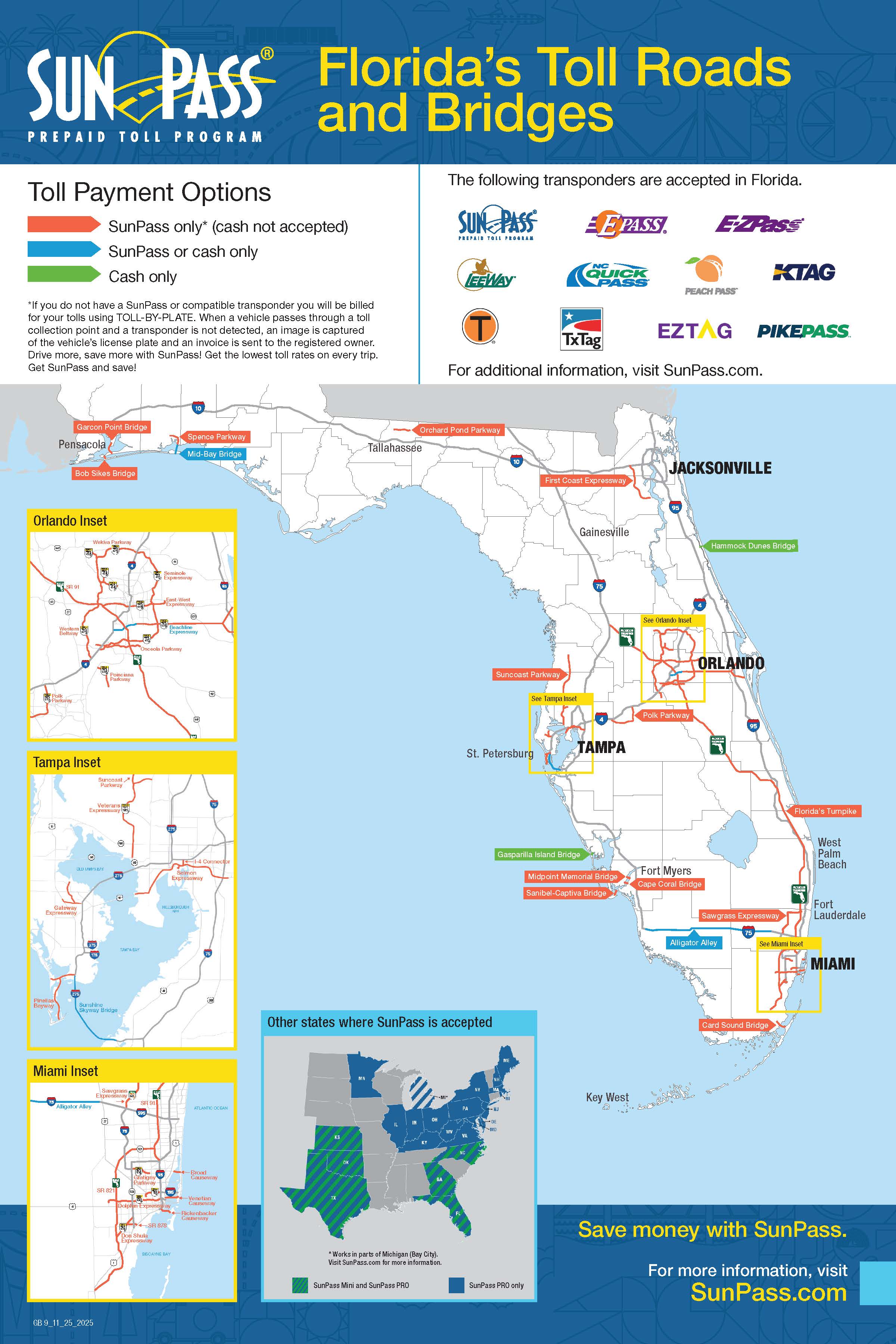
This comprehensive guide is designed to demystify Florida’s toll payment landscape, providing you with all the essential information to navigate its roads with confidence. We’ll explore the various payment methods available, offer insights into choosing the best option for your specific travel needs, and provide practical tips to help you integrate toll planning effortlessly into your Florida itinerary. By the end of this article, you’ll be well-equipped to focus on the sun, sand, and unforgettable memories, rather than worrying about unexpected toll charges.
Understanding Florida’s Extensive Toll Road Network
Florida’s infrastructure is built to handle the immense volume of both resident and tourist traffic, and a significant portion of this involves toll roads. These roads are vital arteries connecting major cities, tourist attractions, and residential areas, offering quicker routes and often less congestion than their free counterparts.
Why Tolls Are Integral to Florida Travel
Tolls in Florida serve a critical purpose: they fund the construction, maintenance, and ongoing improvements of the state’s extensive road network. Without tolls, many of the expressways that allow for swift travel between destinations like Orlando, Tampa, and Miami would likely not exist or would be perpetually gridlocked. For travelers, this means a smoother, faster journey, reducing travel times between hotels, theme parks, and natural landmarks. Whether you’re rushing to catch a sunset on Miami Beach after a long flight, trying to make it to a dining reservation in Fort Lauderdale, or navigating the busy corridors around Walt Disney World Resort in Orlando, tolls play a crucial role in maintaining efficient travel. This system supports everything from daily commutes for locals to the seamless flow of visitors exploring the diverse tourism offerings of the state.
Key Toll Road Systems and Major Routes
The primary toll authority in Florida is Florida’s Turnpike Enterprise, managing major arteries like Florida’s Turnpike, the Sawgrass Expressway, and the Beachline Expressway. Additionally, local toll authorities like the Central Florida Expressway Authority (CFX) operate roads primarily around the greater Orlando area, while others like the Miami-Dade Expressway Authority (MDX) manage expressways in South Florida.
Major toll roads you might encounter include:
- Florida’s Turnpike: A north-south backbone spanning from Miami to Wildwood, providing a fast route through the center of the state, bypassing many smaller towns and making travel between South Florida and Central Florida much more efficient.
- Interstate 4 (I-4) Express Lanes: These managed lanes in Orlando offer a variable toll to bypass congestion, particularly useful for those staying at hotels along International Drive and heading to theme parks.
- State Road 528 (Beachline Expressway): Connects Orlando International Airport to the Atlantic Coast cities like Cocoa Beach and the Kennedy Space Center, essential for many tourists.
- State Road 417 (Central Florida GreeneWay) and State Road 429 (Western Beltway): These roads encircle Orlando, providing convenient access to various theme parks, resorts, and Orlando suburbs without navigating surface streets.
- Alligator Alley (I-75): The section of Interstate 75 that cuts through the Everglades from Naples to Fort Lauderdale, a critical link between Florida’s Gulf Coast and Atlantic Coast.
Your Guide to Florida Toll Payment Methods
Navigating Florida’s toll roads efficiently requires an understanding of the available payment methods. The state has largely transitioned to cashless tolling on most of its major expressways, making electronic payment the most convenient and often the only option.
Electronic Toll Collection: Transponders
Electronic transponders are by far the most recommended way to pay tolls in Florida. They offer the lowest toll rates and the greatest convenience, allowing you to drive through toll plazas without stopping.
-
SunPass: The official transponder program of Florida’s Turnpike Enterprise, SunPass is accepted on all toll roads and most toll bridges in the state. There are two types:
- SunPass Mini Sticker: An adhesive sticker that attaches to your windshield. It’s inexpensive (around $4.99) and ideal for single-car use.
- SunPass PRO Transponder: A portable device that can be moved between vehicles. It costs slightly more (around $14.95) but offers broader interoperability, working with E-ZPass toll systems in 18 other states, which is a boon for travelers who frequent the Northeastern United States or Midwest.
You can purchase SunPass transponders at retail locations like Publix, CVS Pharmacy, Walgreens, and AAA offices, as well as online. You then register it and load it with funds.
-
E-Pass: Operated by the Central Florida Expressway Authority, E-Pass works exactly like SunPass on all Florida toll roads and bridges. The standard sticker transponder is free when you open an account with a minimum starting balance, and there’s also the E-Pass Xtra transponder, which provides the same multi-state interoperability as SunPass PRO. For visitors flying into Orlando International Airport, E-Pass offers a convenient “Visitor Toll Pass” program (discussed further below) that is extremely valuable.
Cash Payment: A Vanishing Option
Once the standard, cash payment is now largely obsolete on Florida’s toll roads. Many major toll roads, especially those managed by Florida’s Turnpike Enterprise and the Central Florida Expressway Authority, are all-electronic. This means there are no toll collectors or baskets to drop coins into. Attempting to pay cash where it’s not accepted can lead to hefty fines and administrative fees. While a few smaller toll bridges or roads might still accept cash, it’s increasingly rare and unreliable, particularly for tourists unfamiliar with specific routes. Relying on cash is a risky strategy that can disrupt your travel plans and incur unnecessary costs.
PlatePay and Toll-By-Plate: What You Need to Know
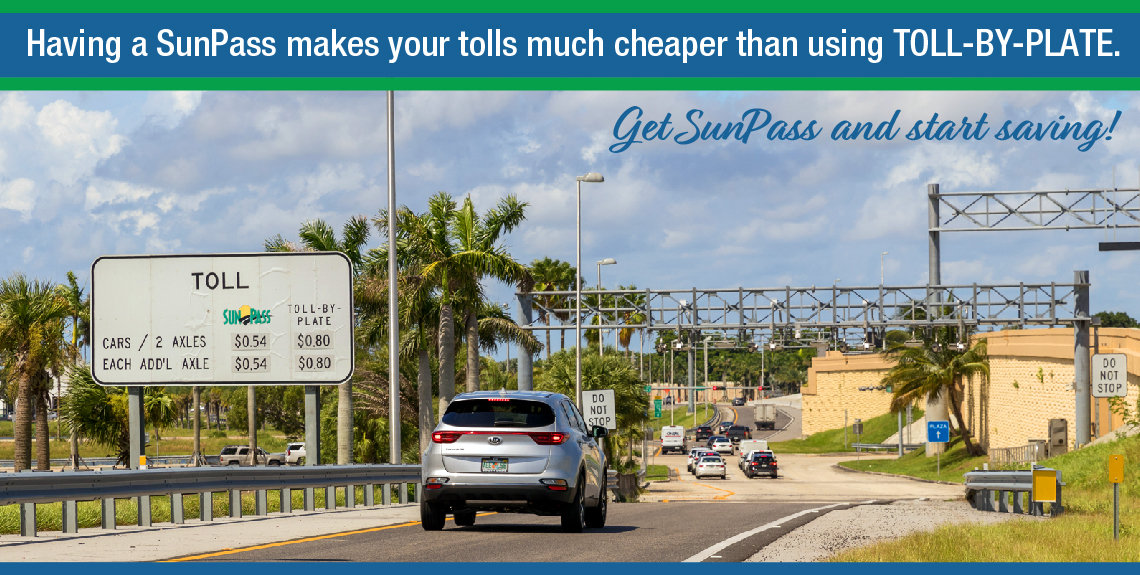
For those without a transponder, Florida’s cashless tolling system relies on “Toll-By-Plate” or “PlatePay.” When your vehicle passes through an electronic toll plaza, a photo of your license plate is taken. A bill for the toll amount, plus an administrative fee (typically $2.50 to $5.00 per billing statement), is then mailed to the registered owner of the vehicle.
- Higher Costs: Toll-By-Plate is significantly more expensive than using a transponder due to these administrative fees. A short trip that would cost a few dollars with SunPass could cost double or triple with Toll-By-Plate once fees are added.
- Rental Cars: This is the most common scenario for visitors. If you drive a rental car through a toll-by-plate lane, the rental car company will receive the bill. They will then charge your credit card for the toll amount plus their own substantial administrative fees. These fees can range from $15 to $25 per toll event or per day you use a toll road, often capped at a maximum per rental period (e.g., $100). These charges can quickly add up, turning what seemed like a cheap toll into a significant expense. Always check your rental car agreement for their specific toll policies.
Handling Tolls in Rental Cars: Essential Advice for Tourists
Managing tolls with a rental car in Florida is one of the most critical aspects for visitors. Here are the best strategies:
- Opt for a Rental Car Toll Program: Many rental car companies offer optional toll programs that allow you to use cashless toll lanes. These usually involve a daily fee (whether you use tolls or not) plus the actual toll charges, or a per-toll transaction fee. While often more expensive than purchasing your own transponder, they are generally less costly than paying individual PlatePay bills from the rental company after the fact. Inquire at the counter or pre-book this option.
- Purchase a SunPass Mini: If you plan on driving extensively on toll roads, especially for longer stays, purchasing your own SunPass Mini sticker at a local grocery store or pharmacy for around $5 is often the most economical solution. Just ensure you register it to your rental car’s license plate for the duration of your trip and remove it when you return the vehicle. Be aware that the rental company might still charge you a small administrative fee for using their vehicle for tolls even if you use your own transponder, so confirm their policy.
- Use E-Pass Visitor Toll Pass (for Orlando International Airport Arrivals): This is an excellent, cost-effective option for travelers flying into Orlando International Airport (MCO). You download the Visitor Toll Pass app, reserve a pass, pick it up at the airport, and attach it to your rental car. It uses your credit card for exact toll amounts with no extra fees, effectively turning your rental into a SunPass vehicle. You return the pass at the airport when you depart. This eliminates rental company surcharges and provides the cheapest toll rates.
- Avoid Tolls Entirely: While sometimes circuitous, using GPS navigation apps like Google Maps or Waze with the “avoid tolls” option can help you stick to free roads. This is a viable strategy for budget travelers or those with ample time, but it might significantly increase travel time between destinations, impacting your overall travel experience.

Choosing the Best Toll Option for Your Florida Adventure
The ideal toll payment strategy depends heavily on your travel style, duration, and destinations within Florida. Considering whether you’re on a family vacation, a luxury getaway, or a budget-conscious tour will help you select the most efficient and economical method.
For Frequent Travelers and Residents
If you live in Florida or visit frequently, investing in your own SunPass or E-Pass transponder is a no-brainer.
- Cost Savings: You’ll always pay the lowest electronic toll rates, avoiding all administrative fees.
- Convenience: Drive through toll plazas without stopping, saving time and reducing stress.
- Interoperability: A SunPass PRO or E-Pass Xtra provides compatibility with E-ZPass systems across a vast network of states, perfect for those with interstate travel needs.
Setting up an online account allows for easy management, auto-reloading of funds, and viewing of toll history, streamlining your lifestyle and commute.
For Short-Term Visitors and Tourists
This category is where careful planning makes the biggest difference to your budget.
- Flying into Orlando International Airport? The E-Pass Visitor Toll Pass is often the best choice for maximum savings and convenience. It’s designed specifically for tourists and eliminates common rental car surcharges.
- Renting a car elsewhere in Florida? Inquire about the rental company’s toll program. Compare their daily or per-use fees to the cost of buying a SunPass Mini sticker (around $5) and factoring in your estimated toll usage. For a week-long trip with moderate toll road usage, buying your own SunPass Mini is usually cheaper than most rental car programs. Remember to link it to the rental car’s license plate online and remove it upon return.
- Minimal Toll Road Use: If you plan to predominantly stay in one area (e.g., within Walt Disney World Resort or Miami Beach) and avoid long drives on expressways, opting for the occasional Toll-By-Plate or navigating via non-toll routes might be acceptable, but be prepared for the higher per-toll costs.
Budget-Conscious Travel: Minimizing Toll Costs
For travelers focused on keeping expenses low, strategic planning is key.
- “Avoid Tolls” GPS Setting: Always utilize this feature on your navigation app. Be aware that this might add significant time to your journey and could involve navigating more complex surface streets, but it completely eliminates toll expenses. This is particularly useful when exploring smaller towns or scenic routes where time is not a critical factor.
- Public Transportation/Ride-Shares: In major cities like Miami and Orlando, consider using public transportation or ride-sharing services (Uber/Lyft). Ride-shares will typically include tolls in their fare, but it might be cheaper than a rental car with all its associated toll fees if you’re only making a few key journeys.
- Accommodation Location: When booking your accommodation, consider its proximity to major attractions and whether toll roads are necessary to reach them. A resort slightly further out but with direct, non-toll access to your primary destination could save money compared to a closer hotel that requires daily toll road usage.
Navigating Florida’s Iconic Destinations and Avoiding Toll Surprises
Florida’s most popular destinations are often intertwined with its toll road network. Knowing how tolls affect access to these landmarks and attractions can help you plan your routes intelligently and avoid unexpected costs.
Planning Routes to Orlando’s Theme Parks
Orlando is the epicenter of Florida tourism, drawing millions to Walt Disney World Resort, Universal Orlando Resort, and other attractions.
- Orlando International Airport (MCO) to Theme Parks: The most direct routes from MCO often involve toll roads like SR 528 (Beachline Expressway) and SR 417 (Central Florida GreeneWay). These are all-electronic. The E-Pass Visitor Toll Pass is highly recommended for this journey.
- Around the Parks: While the immediate vicinity of Walt Disney World Resort and Universal Orlando Resort might involve some surface streets, using toll roads like SR 429 can offer quicker access between different resorts, attractions, and International Drive accommodations. If staying at a resort like the Hyatt Regency Grand Cypress, understanding your daily commute options is vital.
- Interstate 4 (I-4) Express Lanes: These variable-toll lanes offer a way to bypass congestion during peak hours, which can be invaluable when trying to make a park opening or dinner reservation.
Exploring Miami and South Florida
Miami and South Florida have a complex network of expressways, many of which are tolled.
- Florida’s Turnpike: Essential for North-South travel, bypassing local traffic.
- Local Expressways: Roads like the Dolphin Expressway (SR 836) and Palmetto Expressway (SR 826) (partially tolled) are critical for navigating Miami-Dade County, especially if you’re commuting from Miami International Airport to South Beach or exploring diverse neighborhoods.
- Alligator Alley (I-75): If you’re driving from Fort Lauderdale or Miami to Naples and the Gulf Coast, this is a mandatory toll road.
For visitors enjoying luxury travel in South Florida and staying at resorts like the Fontainebleau Miami Beach, the convenience of a transponder-based system is paramount for maximizing relaxation and minimizing transit delays.
Coastal Drives and Nature Parks
Even when seeking nature and tranquility, tolls can play a role.
- Key West and the Florida Keys: While US-1 through the Keys itself is not tolled, accessing it from mainland Florida via Florida’s Turnpike (ending at Florida City) is.
- Canaveral National Seashore: Access roads might not be tolled, but the quickest way to reach the area from Orlando involves the Beachline Expressway.
- State Parks and Beaches: Many smaller toll bridges exist across the state, particularly leading to barrier islands and popular beaches. These are often cash-only or require a transponder. Always check local signs.
Practical Tips for a Seamless Florida Road Trip
A well-planned Florida road trip is a truly rewarding experience, and anticipating tolls is a key component of that planning.
Pre-Trip Planning and Route Optimization
- Map Your Route: Before you leave, use online mapping tools or GPS apps (e.g., Google Maps, Waze) to map your intended route. These apps often indicate toll roads and can provide estimated toll costs. Critically, use the “avoid tolls” feature to see alternative routes and compare travel times. This is especially helpful for family trips where every minute counts, or for business stays requiring punctuality.
- Estimate Toll Costs: Websites like SunPass and E-Pass offer toll calculators that can give you a good estimate of costs, helping you budget accurately for your travel.
- Account for Rental Car Policies: If you’re renting, solidify your toll payment plan with the rental agency before you pick up the car. Understanding their charges for tolls, whether it’s a daily fee or per-transaction, is vital to avoid sticker shock.
Understanding Toll Signs and Zones
Florida uses clear signage to indicate toll roads and payment methods.
- “Toll” Signs: Clearly mark upcoming toll segments.
- “Cash” vs. “SunPass Only” / “E-Pass Only” Lanes: Pay close attention to lane signage at plazas. Most major roads are now “SunPass Only” or “Toll-By-Plate.” If you see a sign that only mentions a transponder or “Toll-By-Plate,” assume no cash is accepted.
- “No Cash” Signs: These are becoming increasingly common and are a definitive indication that you must have a transponder or be prepared for a Toll-By-Plate bill.
What to Do If You Miss a Toll
It happens to the best of us: you might accidentally drive through a cashless toll lane without a transponder or sufficient funds.
- Don’t Panic: You will likely receive a “Toll-By-Plate” bill in the mail.
- Act Quickly: If you realize you’ve missed a toll, you can often proactively pay it online within a few days to avoid additional fees. Visit the websites for Florida’s Turnpike Enterprise or the Central Florida Expressway Authority and look for options to pay a missed toll using your license plate number.
- Rental Cars: If you’re in a rental car, the bill will go to the rental company, who will then charge you. It’s almost always cheaper to proactively engage with your rental company about a missed toll or, even better, use one of the recommended transponder options. Ignoring a toll notice can lead to significant penalties, vehicle registration holds, and problems with future rental agreements.
In conclusion, navigating Florida’s toll roads doesn’t have to be a source of stress. With a little foresight and understanding of the various payment methods, you can ensure your journey through the Sunshine State is as smooth and enjoyable as the destinations themselves. Whether you’re planning a luxurious boutique hotel stay, a thrilling adventure at a theme park, or a tranquil escape to a hidden beach, being prepared for tolls will enhance your overall travel experience and allow you to fully immerse yourself in the beauty and excitement that Florida has to offer. Safe travels!
LifeOutOfTheBox is a participant in the Amazon Services LLC Associates Program, an affiliate advertising program designed to provide a means for sites to earn advertising fees by advertising and linking to Amazon.com. Amazon, the Amazon logo, AmazonSupply, and the AmazonSupply logo are trademarks of Amazon.com, Inc. or its affiliates. As an Amazon Associate we earn affiliate commissions from qualifying purchases.