
The vibrant blue hue of the Texas Bluebonnet blanketing fields and roadsides each spring is one of the most iconic and beloved natural sights in the Lone Star State. These hardy wildflowers, with their distinctive bonnet-like petals, are not just a pretty face; they are the official state flower of Texas, deeply woven into its cultural fabric and a source of immense pride for Texans and a captivating draw for travelers. As spring approaches, tourists flock to the state, cameras in hand, eager to capture the breathtaking beauty of these sprawling floral carpets. With such widespread admiration comes a common, often debated question: Is it illegal to pick a bluebonnet in Texas?

This query sparks conversations among locals and visitors alike, often leading to conflicting information and old wives’ tales. Many believe there’s a specific, codified law prohibiting the picking of bluebonnets, while others argue it’s merely a strong tradition. For anyone planning a Texas wildflower adventure, understanding the truth behind this popular misconception is crucial for responsible tourism and preserving this cherished natural beauty for future generations. Let’s delve into the legalities, ethical considerations, and how best to enjoy the magnificent bluebonnet season.
The Truth About Picking Texas Bluebonnets
The simple, widely accepted answer is that there is no specific state law in Texas that explicitly makes it illegal to pick a bluebonnet. Unlike some protected species or plants in national parks, the bluebonnet itself is not designated under a statute that forbids its collection. However, this seemingly straightforward answer comes with significant caveats and crucial considerations that every visitor must understand. The spirit of the question often arises from a well-intentioned desire to protect the flowers, and while there isn’t a direct “no picking bluebonnets” law, there are plenty of other laws and ethical principles that effectively discourage it, making it an ill-advised practice.
Understanding the Law and Landowner Rights
While the act of picking a bluebonnet isn’t inherently against the law, the circumstances surrounding where and how you pick it almost certainly are. The primary legal hurdle involves landowner rights. The vast majority of those stunning, expansive bluebonnet fields that draw photographers and sightseers are located on private property. Stepping onto private land without permission, whether to admire or pick flowers, constitutes trespassing, which is very much illegal under the Texas Penal Code. Landowners in Texas have strong property rights, and unauthorized entry can lead to legal penalties, including fines or even arrest.
Even fields that appear to be “open” or “abandoned” often belong to someone. Fences, “No Trespassing” signs, or even simply the absence of a public access point should signal private ownership. Furthermore, many bluebonnets grow along public roadsides. While these areas might seem accessible, stepping off the shoulder of the road and into a ditch or field often means you’ve crossed onto privately owned land or into the state’s right-of-way, which can still have restrictions. Damaging vegetation, even on public property, can sometimes fall under local ordinances or regulations related to property damage. So, while you might not be arrested specifically for holding a bluebonnet in your hand, you could face charges for trespassing or damaging property to get it. It’s this nuance that often leads to the popular misconception of a bluebonnet picking law. The real issue is less about the flower and more about where it grows and who owns that land.
The Ethical Dilemma: Why Preservation Matters
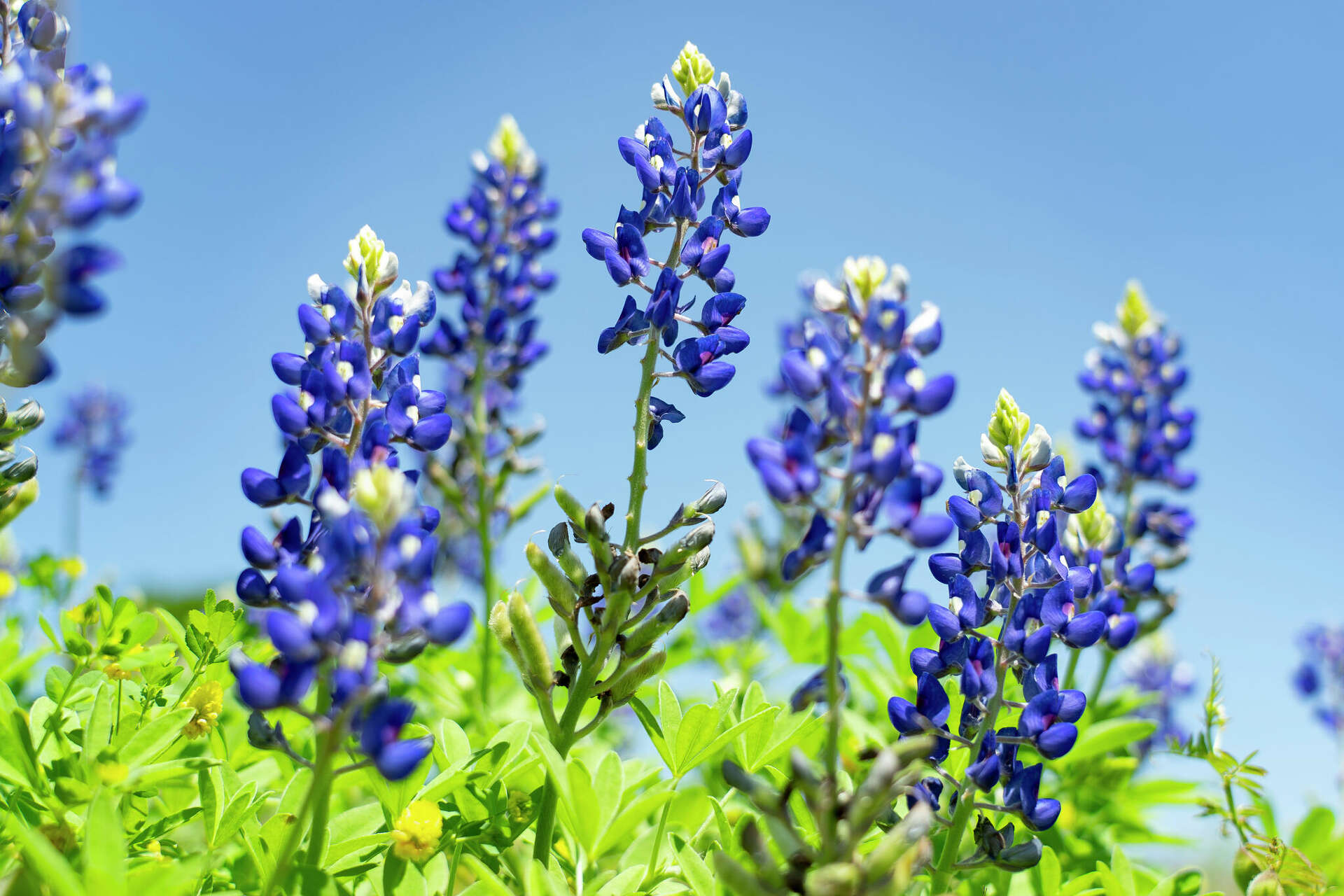
Beyond legal implications, there’s a profound ethical responsibility that comes with enjoying Texas Bluebonnets. These aren’t just pretty flowers; they are an integral part of the state’s ecosystem and a symbol of its natural beauty. Bluebonnets are annual plants, meaning they complete their life cycle within one year, relying entirely on seeds produced at the end of their bloom cycle for the next season’s growth. When a bluebonnet is picked, it prevents the plant from going to seed, directly impacting the proliferation of bluebonnets in that location for the following year. While picking a single flower might seem harmless, imagine thousands of visitors each doing the same. The cumulative effect can significantly diminish the vibrant displays that so many cherish.
This principle aligns with the broader ethos of “Leave No Trace” – a set of outdoor ethics promoting conservation in the outdoors. For travelers and nature enthusiasts, practicing environmental conservation means leaving natural areas as you found them, allowing others to enjoy their pristine state. Bluebonnets also play a role in supporting local ecosystems, providing nectar for pollinators like bees and butterflies, which are vital for the health of many plant species, including those that produce our food. Respecting the bluebonnets means allowing them to complete their natural cycle, ensuring their survival and the continuation of this beloved Texas tradition. The goal of any responsible ecotourism is to appreciate, not appropriate, the environment.
Embracing the Bluebonnet Experience: A Traveler’s Guide
Understanding the legal and ethical reasons not to pick bluebonnets frees visitors to focus on truly enjoying the breathtaking bluebonnet experience in Texas. The spring bloom season transforms vast swathes of the state into a vibrant canvas, offering unparalleled opportunities for scenic drives, memorable family photos, and a deep appreciation for the natural world. Planning your visit requires knowing where to go, when to go, and how to capture the magic respectfully.
Top Destinations for Wildflower Viewing
The best time to witness the bluebonnets in full glory is typically from late March to mid-April, though this can vary slightly depending on rainfall and temperature. The prime region for bluebonnet viewing is undoubtedly the Texas Hill Country, a picturesque area known for its rolling hills, charming small towns, and, of course, its spectacular wildflowers.
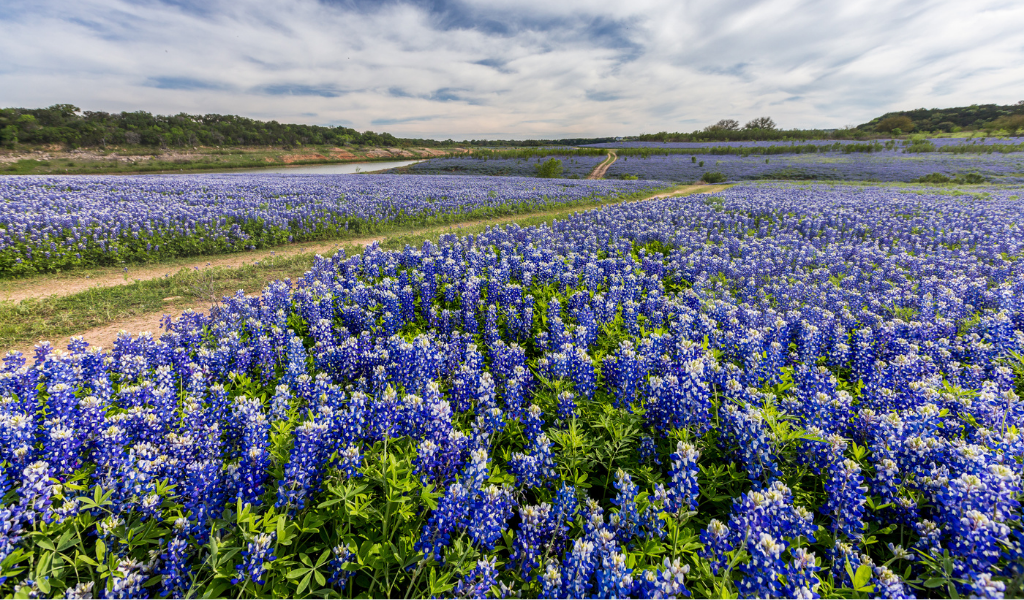
- Fredericksburg: This charming German town is a perennial favorite for bluebonnet hunters. Beyond the flowers, Fredericksburg offers fantastic wineries, Peach Street shopping, and historic sites. Nearby, the Willow City Loop is a famous scenic drive that winds through stunning wildflower-filled valleys and hills, though caution is advised as much of the land is private.
- Burnet: Proclaiming itself the “Bluebonnet Capital of Texas,” Burnet hosts an annual Bluebonnet Festival, drawing crowds with live music, arts and crafts, and guided wildflower tours.
- Ennis: Located south of Dallas (which I should link to avoid creating “Dallas” as an unlinked proper noun later), Ennis boasts the Official Texas Bluebonnet Trail, a series of scenic drives curated by the local Garden Club that spans over 40 miles of prime viewing. They publish daily updates on the best routes.
- Chappell Hill: Nestled in Washington County, this historic town is another fantastic spot for bluebonnets and hosts its own annual Wildflower Festival.
- Lady Bird Johnson Wildflower Center in Austin: For a guaranteed, educational, and completely guilt-free bluebonnet experience, this botanical garden is a must-visit. You can safely walk among vast fields of bluebonnets and other Texas wildflowers without fear of trespassing or damaging plants. It’s an ideal spot for families and those seeking structured viewing.
- Big Bend National Park: While far from the Hill Country and often featuring different species of bluebonnets (such as the Chisos bluebonnet) that bloom later, Big Bend National Park offers a rugged, awe-inspiring backdrop for wildflower viewing for the more adventurous traveler.
When planning your trip, consider checking local tourism websites or wildflower reports, as conditions vary year to year. These resources often provide real-time updates on bloom status and recommended routes for scenic drives and roadside attractions.
Photography Tips and Best Practices
Capturing the essence of the bluebonnet fields through photography is a popular activity, and doing so responsibly enhances the experience for everyone. Here are some photography tips and best practices:
- Stay on Paths: If a field has a designated path, use it. If not, look for areas that are already trampled or where the flowers are sparse to minimize your impact. Never walk through a dense patch of flowers, as this will crush them and prevent seeding.
- Respect Private Property: Always assume a field is private unless clearly marked otherwise. Many landowners understand the appeal of bluebonnets and may allow access with permission, but always ask first.
- Get Creative with Angles: You don’t need to be in the middle of a field to get a great shot. Use low angles to make the bluebonnets appear taller and more encompassing. Incorporate foreground elements like fences, old barns, or trees to add depth and context.
- Golden Hour Magic: The hours just after sunrise and before sunset, known as the “golden hour,” provide the softest, most flattering light for photography, enhancing the blue and green hues.
- Mind Your Surroundings: Be aware of traffic if you’re pulling over on a roadside. Also, watch out for wildlife, particularly snakes, which can hide in tall grass.
- Consider a Professional: For truly iconic shots, some professional photographers collaborate with landowners to access prime spots, ensuring ethical and legal access.
- Leave No Trace: Take all trash with you. Do not disturb wildlife. The goal is to leave the area exactly as you found it, preserving its beauty for the next visitor and for the flowers’ continued growth. This applies to wildlife photography as well; never disturb animals for a photo.
Planning Your Texas Wildflower Adventure
A Texas wildflower adventure is more than just seeing bluebonnets; it’s an immersive travel experience that blends natural beauty with local culture, delicious food, and comfortable accommodation. To make the most of your trip, thoughtful planning is key, especially during the peak spring season.
Finding the Perfect Accommodation
Because bluebonnet season attracts numerous visitors, especially to popular Hill Country towns, booking your accommodation well in advance is highly recommended. You’ll find a range of options to suit various preferences and lifestyle choices, from cozy B&Bs to luxurious resorts.
- B&Bs and Guesthouses: Towns like Fredericksburg and Wimberley (another proper noun to link) offer a plethora of charming B&Bs and guesthouses, many with a rustic Hill Country Hideaway feel. These often provide a more personalized experience and insights into the local culture.
- Hotels and Resorts: Larger cities like Austin or San Antonio serve as excellent bases, offering a wider selection of hotels, from boutique hotels like Hotel Emma in San Antonio to family-friendly resorts such as the Hyatt Regency Lost Pines Resort and Spa outside of Austin. These options often come with various amenities like pools, spas, and dining options, catering to both luxury stays and those on a budget travel plan.
- Vacation Rentals: For families or groups, vacation rentals (homes, cabins, or apartments) can offer more space, privacy, and kitchen facilities, providing a home-away-from-home experience amidst the wildflowers. Many can be found in popular wildflower viewing destinations or near state parks.
When comparing options, consider factors like proximity to wildflower trails, dining choices, and other attractions you plan to visit. Websites offering booking and reviews are invaluable tools for finding the perfect spot.
Local Culture and Beyond the Blooms
While bluebonnets are undeniably the star of the spring show, a trip to Texas during this season offers much more. Integrating wildflower viewing with other Texas attractions enriches your overall travel experience.
- Wineries and Breweries: The Texas Hill Country is home to a burgeoning wine region, with numerous wineries offering tastings and tours. Many are set against beautiful backdrops, perfect for pairing a glass of local wine with wildflower views.
- Historic Sites and Landmarks: Explore the rich history of Texas by visiting iconic landmarks like the Alamo in San Antonio, or the historical battlefields and missions that dot the landscape. Small towns like Chappell Hill offer glimpses into frontier life.
- Live Music Scene and Arts: Austin, the “Live Music Capital of the World,” offers endless entertainment options. Many smaller towns also feature local music venues and art galleries showcasing Texas talent.
- Texas Cuisine: No trip to Texas is complete without indulging in its famous barbecue, Tex-Mex, and other regional specialties. Seek out local eateries for authentic flavors.
- Wildflower Festivals: Beyond Burnet and Chappell Hill, many towns celebrate the bloom with special events. The Ennis Bluebonnet Trails Festival is another prime example, offering a vibrant community experience alongside nature appreciation.
- Outdoor Activities: Beyond scenic drives, consider hiking in state parks, kayaking on rivers, or exploring geological formations. The Texas landscape offers a diverse range of outdoor activities for every enthusiast.
Visiting Texas during bluebonnet season is a truly unforgettable experience, offering a unique blend of natural beauty, vibrant local culture, and a sense of wonder.
In conclusion, while there’s no specific law against picking a single bluebonnet in Texas, the underlying legal issues of trespassing and the crucial ethical imperative of preservation matters strongly advise against it. The true beauty of the bluebonnets lies in their collective display, an endless sea of blue that defines the Texas spring. By observing them respectfully, staying on public lands or designated paths, and allowing them to go to seed, we ensure that this breathtaking natural spectacle continues to enchant visitors and residents for many years to come. Plan your Texas wildflower adventure thoughtfully, embrace the spirit of responsible travel, and enjoy the unparalleled joy of spring in the Lone Star State.
LifeOutOfTheBox is a participant in the Amazon Services LLC Associates Program, an affiliate advertising program designed to provide a means for sites to earn advertising fees by advertising and linking to Amazon.com. Amazon, the Amazon logo, AmazonSupply, and the AmazonSupply logo are trademarks of Amazon.com, Inc. or its affiliates. As an Amazon Associate we earn affiliate commissions from qualifying purchases.