

While the allure of [Florida] is undeniable, it’s also a state situated in a region prone to tropical cyclones. Understanding the reality of hurricane season, knowing how to prepare, and being aware of resources are crucial elements for any traveler or resident. This article aims to equip you with the knowledge to confidently plan your [Florida] adventure, ensuring you can still enjoy its wonders while being prepared for potential weather events. We’ll delve into the nuances of hurricane preparedness, smart travel planning, and how to make the most of your [Florida] experience, come rain or shine.
Understanding Florida’s Hurricane Season: What Travelers Need to Know
For many, the thought of a hurricane can be daunting, but with proper understanding and preparation, it doesn’t have to derail your travel dreams. [Florida]’s hurricane season officially runs from [June] 1st to [November] 30th each year, with the peak activity typically occurring between mid-August and late October. This doesn’t mean a hurricane is guaranteed during these months, nor does it mean travel is impossible or inadvisable. Instead, it highlights the importance of being informed and proactive.
Historically, [Florida] has faced its share of powerful storms, such as [Hurricane Ian] and [Hurricane Michael], which serve as stark reminders of nature’s formidable power. Yet, the state has also developed robust infrastructure and comprehensive emergency response systems. For travelers, this means focusing on readiness rather than apprehension. Understanding the general timeline and impact potential allows for smarter booking decisions, whether you’re eyeing a luxury stay at [The Breakers Palm Beach] or a family adventure near [Walt Disney World Resort].
When to Expect the Unexpected: Peak Season Insights
While hurricanes can occur throughout the season, data suggests a heightened period of activity. Travel during these peak months can sometimes come with lower prices on flights and accommodations, offering a tempting incentive for budget-conscious travelers. However, it also means a slightly increased likelihood of encountering tropical weather.
If your travel dates fall within the peak season, it becomes even more critical to monitor weather forecasts closely, especially as your departure date approaches. Resources like the [National Hurricane Center] provide real-time updates and predictions, which are invaluable for travelers. Many of [Florida]’s popular destinations, including [Miami], [Fort Lauderdale], and [Tampa], have well-established communication channels to inform both residents and visitors of developing weather situations. Local tourism boards and hotel management are typically very proactive in advising guests on safety protocols and potential changes to their plans. For instance, a stay at a resort like [Loews Portofino Bay Hotel] in [Orlando] would mean access to comprehensive guest services designed to assist during any unforeseen event.
Historical Context and Modern Preparedness
[Florida]’s history with hurricanes has led to significant advancements in building codes and emergency management. Modern hotels and resorts, particularly those built or renovated in recent decades, are often constructed to withstand substantial wind forces. Many properties, from grand resorts to boutique hotels, have detailed hurricane preparedness plans that include securing premises, arranging for guest safety, and providing emergency services if needed. These plans often encompass everything from securing outdoor furniture to ensuring backup power and maintaining communication with guests.For those considering longer stays, perhaps in a beachfront villa in [Naples] or an apartment in [Sarasota], it’s wise to inquire about the property’s specific hurricane readiness plan. Understanding the evacuation zones, access to shelters, and the availability of emergency supplies are all part of responsible travel planning in [Florida]. The state’s infrastructure is continuously improved, aiming to minimize disruption and enhance recovery efforts after a storm. This robust framework, combined with individual preparedness, forms the backbone of safe travel during hurricane season.
Safeguarding Your Florida Travel Plans: Essential Strategies
Preparing for a potential hurricane during your [Florida] trip doesn’t have to be complicated. It primarily involves a few key steps that empower you to mitigate risks and ensure peace of mind, allowing you to focus on the excitement of your upcoming journey, whether you’re exploring the historic streets of [St. Augustine] or the vibrant marine life of [Key West]. These strategies revolve around smart financial protection, resilient accommodation choices, and staying informed.
Travel Insurance: A Non-Negotiable Consideration
The single most important recommendation for anyone traveling to [Florida] during hurricane season is to purchase comprehensive travel insurance. This isn’t just about covering lost luggage; it’s about protecting a significant investment and providing peace of mind. Policies vary widely, but good travel insurance for hurricane season should cover:
- Trip Cancellation: If a hurricane forces you to cancel your trip before departure.
- Trip Interruption: If a hurricane cuts your trip short, covering the cost of getting home.
- Travel Delay: For expenses incurred due to weather-related delays, such as extra nights at a hotel or meals.
- Emergency Medical: For any unforeseen medical needs during your trip.
Some advanced policies offer “Cancel for Any Reason” (CFAR) coverage, which, while more expensive, provides the ultimate flexibility, allowing you to cancel your trip for any reason not covered by standard policies, often recouping a significant percentage of non-refundable costs. Always read the fine print to understand what is and isn’t covered, especially concerning natural disasters. It’s also crucial to purchase insurance before a storm is named or becomes a significant threat, as most policies won’t cover events that are already “foreseeable.”
Choosing Resilient Accommodation: Beyond the Amenities
When selecting your accommodation, think beyond swimming pools and spa services, especially during hurricane season. Opt for properties known for their robust construction and comprehensive emergency plans. Many modern resorts and hotels in [Florida] are built to stricter hurricane-resistant standards. Look for accommodations that:
- Have Backup Power: On-site generators can be a lifesaver during power outages, ensuring air conditioning, lights, and essential services remain operational.
- Offer Interior Rooms: If available, an interior room on a middle floor can provide an added sense of security, especially if you’re concerned about wind or rain.
- Are Not Directly on the Beachfront (if concerned about storm surge): While beachfront properties offer unparalleled views, those slightly set back or in higher elevation areas might be less vulnerable to storm surge.
- Have Clear Communication Protocols: A good hotel will have a well-defined communication plan for guests before, during, and after a storm. Inquire about how they notify guests of severe weather and what their evacuation procedures are.
- Are Reputable and Well-Managed: Brands like [Hyatt Regency Orlando] or [Grand Floridian Resort & Spa] typically have extensive resources and experienced staff trained in emergency management, providing a higher level of guest safety and support.
Considering different types of accommodation, from luxury hotels to vacation rentals, it’s always prudent to check reviews and ask direct questions about hurricane preparedness before booking.
Staying Informed and Flexible: Your Best Defense
The most empowering tool you have as a traveler is information. Before and during your trip, make it a habit to:
- Monitor Official Sources: Regularly check the [National Hurricane Center] website, local news channels in your chosen [Florida] destination (e.g., [Miami] news, [Orlando] news), and weather apps.
- Sign Up for Alerts: Many local emergency management agencies in [Florida] offer SMS or email alerts for severe weather.
- Communicate with Your Providers: Stay in touch with your airline, cruise line, and hotel. They will provide the most up-to-date information regarding operations and any necessary changes.
- Have a Flexible Itinerary: Be prepared to adjust your plans. This might mean rescheduling a day trip to [Everglades National Park] or altering your route to [Dry Tortugas National Park]. Sometimes, a slight shift in dates or destinations can make all the difference.
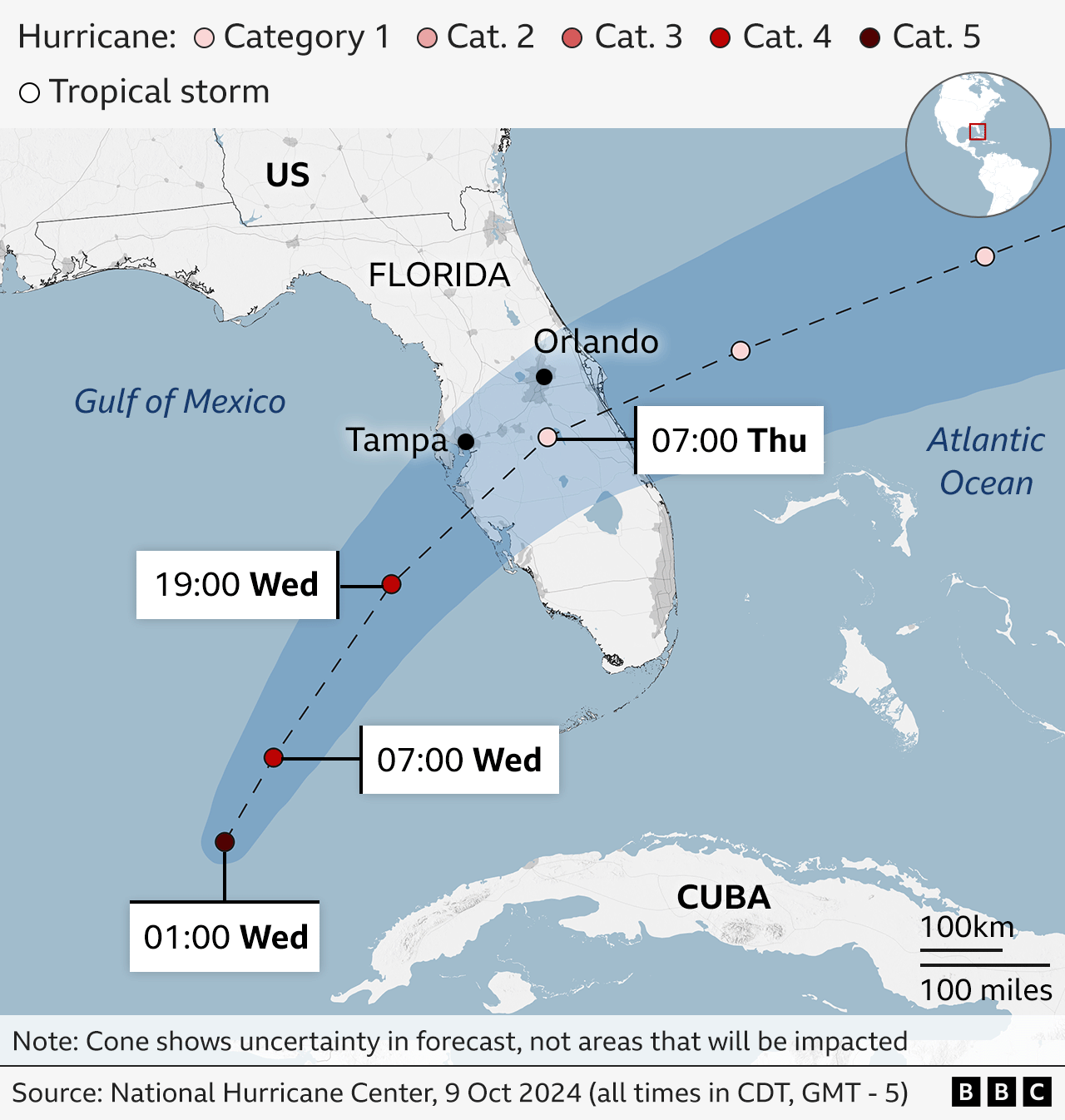
Navigating a Potential Storm: On the Ground in Florida
Should a tropical storm or hurricane develop during your [Florida] vacation, having a clear understanding of what to do can significantly reduce stress and ensure your safety. While the vast majority of [Florida] trips unfold without a hurricane impact, being prepared for the unlikely scenario is the hallmark of a savvy traveler.
Emergency Kits and Essential Supplies
Even if your accommodation is well-prepared, having a personal emergency kit is advisable. This doesn’t mean hauling a full survival pack, but rather a small, accessible bag with essentials:
- Medications: At least a 3-day supply of any prescription medications.
- Important Documents: Copies of passports, insurance policies, booking confirmations, and identification, stored in a waterproof bag.
- Cash: ATMs might not be operational during power outages.
- Chargers and Power Banks: Keep your phone and other devices charged.
- Basic First-Aid: Band-aids, antiseptic wipes, pain relievers.
- Non-Perishable Snacks and Water: A small supply, just in case.
- Flashlight with Extra Batteries: Essential for power outages.
Many hotels will provide guests with information on what to do and what supplies are available on-site during an emergency. Following their guidance is paramount.
Evacuation Procedures and Shelters
One of the most critical aspects of hurricane preparedness is understanding evacuation orders. [Florida] counties use a zoned system to determine which areas need to evacuate based on storm surge risk. If an evacuation order is issued for your area:
- Follow Instructions Immediately: Do not delay. Roads can become congested quickly.
- Know Your Route: Pre-plan your evacuation route. Many online resources and apps can help with this.
- Seek Designated Shelters: If you cannot travel out of the area, local shelters will be opened. Information on these will be widely broadcasted by local authorities. Your hotel should also be able to guide you.
- Stay in Communication: Inform family or friends of your whereabouts.
Remember, evacuation orders are issued for safety. While inconvenient, adhering to them is crucial for your well-being.
Post-Storm Recovery and Support
If a storm passes through your area, patience and adaptability will be key. Initial post-storm periods can involve power outages, limited access to services, and disrupted travel.
- Prioritize Safety: Listen to local authorities for advisories on road closures, boil water notices, and other safety information.
- Check with Your Hotel/Airline: They will provide updates on their operational status and assist with rebooking or alternative arrangements.
- Stay Connected (if possible): Use your fully charged phone sparingly, or seek out designated charging stations often set up by relief organizations.
- Support Local Businesses (when safe): Once the immediate danger has passed, returning to normalcy often involves supporting local establishments, which helps the community recover.
Beyond the Storm: Enjoying Florida Responsibly
Even with the reality of hurricane season, [Florida] remains a top-tier travel destination. The key is to approach your trip with awareness and flexibility, allowing you to fully immerse yourself in the state’s diverse offerings, from the thrills of [Universal Studios Florida] to the tranquility of [Biscayne National Park].
Selecting Off-Peak Travel Times
If you have flexibility in your travel dates, consider visiting [Florida] outside the peak hurricane months. Late spring ([April] to May) and early winter ([December] to [February]) offer excellent weather with significantly lower hurricane risk. These periods still boast comfortable temperatures, fewer crowds, and the full range of attractions, whether you’re exploring the [Kennedy Space Center Visitor Complex] or relaxing on [South Beach].
However, if your schedule dictates a visit during hurricane season, the strategies outlined above will ensure you’re well-prepared. Many travelers visit [Florida] during hurricane season without encountering any issues at all, enjoying fantastic weather and fewer crowds.
Exploring Inland and Less Vulnerable Destinations
While coastal areas like [Miami Beach] and [Key West] are undeniably popular, [Florida] offers numerous inland destinations that are less prone to direct hurricane impacts or storm surge. Cities like [Orlando] (home to [Walt Disney World Resort] and [Universal Studios Florida]) are centrally located and generally at a lower risk from storm surge, though they can still experience heavy rains and winds.
Other options include:
- [Gainesville]: A vibrant college town with a rich cultural scene and beautiful natural springs nearby.
- [Ocala]: Known for its equestrian industry and stunning natural parks, offering a different side of [Florida]’s charm.
- Central [Florida]’s Lakes Region: Perfect for those seeking outdoor adventures, fishing, and quieter retreats away from the coast.
These areas provide excellent alternatives or additions to a coastal itinerary, diversifying your experience and potentially reducing your exposure to severe weather risks. Even [Busch Gardens Tampa Bay] offers an exciting alternative to the beach, while still within easy reach of many major cities.
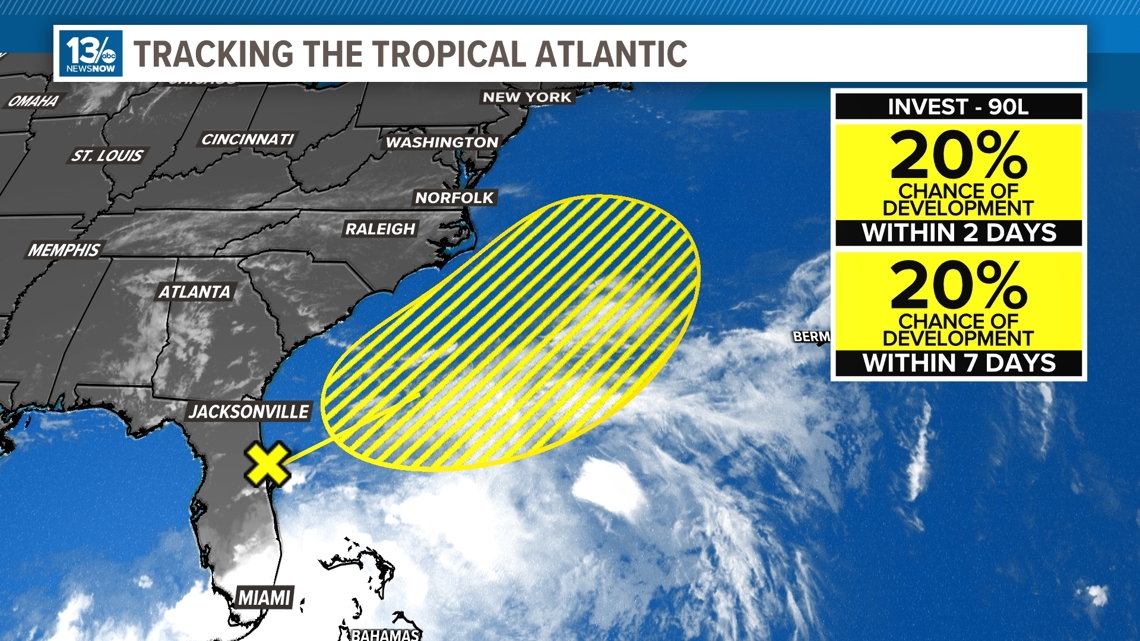
Supporting Local Tourism After a Storm
In the unfortunate event that a hurricane impacts a part of [Florida], remember that tourism is a vital part of the state’s economy. Once an area is declared safe and open for visitors, consider planning a trip there. Your presence and spending contribute directly to the recovery efforts, helping local businesses, hotels, and residents get back on their feet. Many communities actively encourage visitors to return once they are ready, as it signals a return to normalcy and injects much-needed revenue.
In conclusion, the question “Is another hurricane coming to [Florida]?” is a valid one, and one that encourages thoughtful travel planning. By understanding hurricane season, investing in travel insurance, choosing resilient accommodations, staying informed, and being flexible, you can ensure your [Florida] adventure remains exciting, memorable, and safe. The Sunshine State’s magic endures, and with the right approach, you can experience it to its fullest, regardless of the season.
LifeOutOfTheBox is a participant in the Amazon Services LLC Associates Program, an affiliate advertising program designed to provide a means for sites to earn advertising fees by advertising and linking to Amazon.com. Amazon, the Amazon logo, AmazonSupply, and the AmazonSupply logo are trademarks of Amazon.com, Inc. or its affiliates. As an Amazon Associate we earn affiliate commissions from qualifying purchases.