
Planning a trip to the Sunshine State often involves meticulous budgeting for flights, accommodation, attractions, and dining. However, one crucial element frequently overlooked by travelers is the impact of state and local taxes. Understanding “How Much Is Florida State Sales Tax?” is not just a matter of financial prudence; it’s key to accurately predicting your travel expenses and ensuring a seamless, stress-free vacation, whether you’re embarking on a luxurious resort getaway or a budget-friendly family adventure.
Florida, a premier global destination renowned for its pristine beaches, world-class theme parks, vibrant cities, and unique natural landscapes, relies significantly on sales tax revenue. As a visitor, almost every purchase you make, from a souvenir T-shirt to a gourmet meal, and especially your hotel stay, will be subject to some form of sales tax. This comprehensive guide will break down the intricacies of Florida’s sales tax system, offering insights crucial for every traveler, from the casual sightseer to the long-term stay guest.
Understanding Florida’s Sales Tax Landscape for Travelers
The sales tax system in the United States can be complex, as rates often vary not only by state but also by local jurisdictions. Florida is no exception, and a clear understanding of its structure is essential for any visitor aiming to manage their travel budget effectively.
The Core State Sales Tax Rate
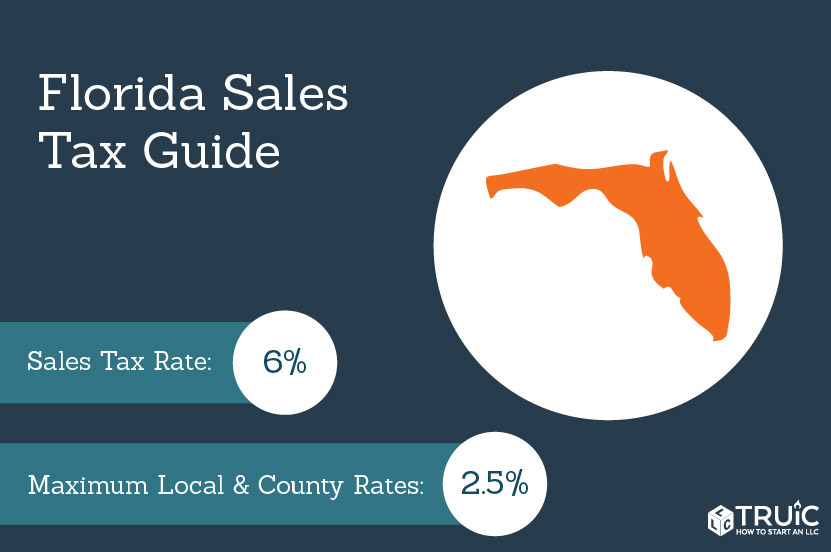
At its foundation, Florida levies a statewide sales tax rate of 6%. This rate applies to the retail sale of most goods, tangible personal property, and specific services within the state. For travelers, this means that the price tag you see on an item might not be the final price you pay at the register. Whether you’re buying sunscreen for the beach, a new pair of flip-flops, or a book to read by the pool, that 6% will be added to your total.
This seemingly small percentage can accumulate quickly, especially when considering the myriad purchases made during a typical vacation. For instance, purchasing souvenirs at Disney Springs or Universal CityWalk, or indulging in some retail therapy at destinations like Orlando International Premium Outlets or Sawgrass Mills, will all incur this state sales tax. Understanding this baseline rate is the first step in accurately estimating your spending across various aspects of your Florida journey, from day-to-day essentials to extravagant splurges.
Navigating Local Discretionary Sales Surtaxes
Adding another layer of complexity to Florida’s sales tax system are the local discretionary sales surtaxes, often referred to as county sales taxes. These surtaxes are levied by individual counties and are added on top of the statewide 6% sales tax. The rates for these surtaxes vary significantly from county to county, ranging from 0% to as much as 1.5%.
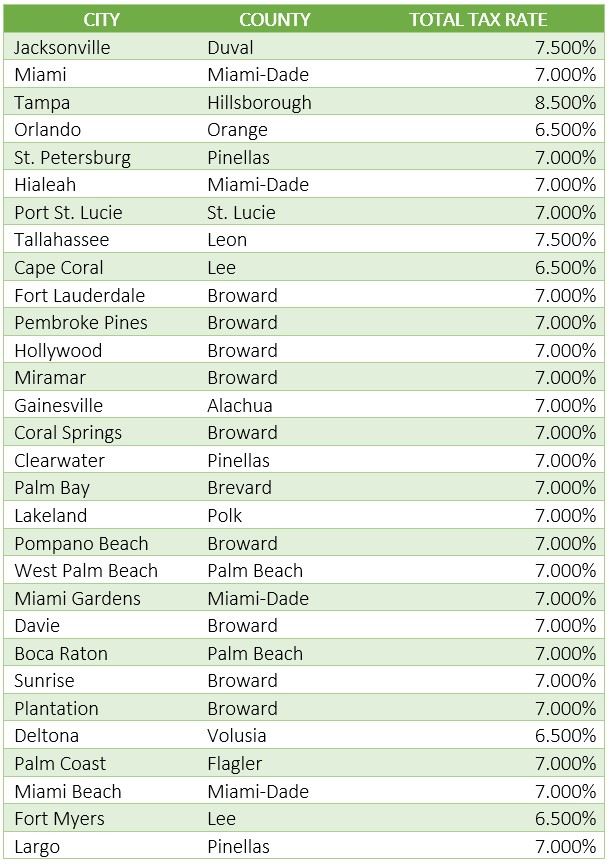
This means that depending on which county you’re visiting in Florida, your total sales tax rate could be anywhere from 6% to 7.5%. For example, popular tourist hubs like Miami-Dade County and Osceola County (home to much of Walt Disney World and Universal Orlando Resort) have specific local surtaxes that will impact your purchases. Conversely, some smaller, less populous counties might not impose any additional surtax, keeping the rate at the statewide 6%.
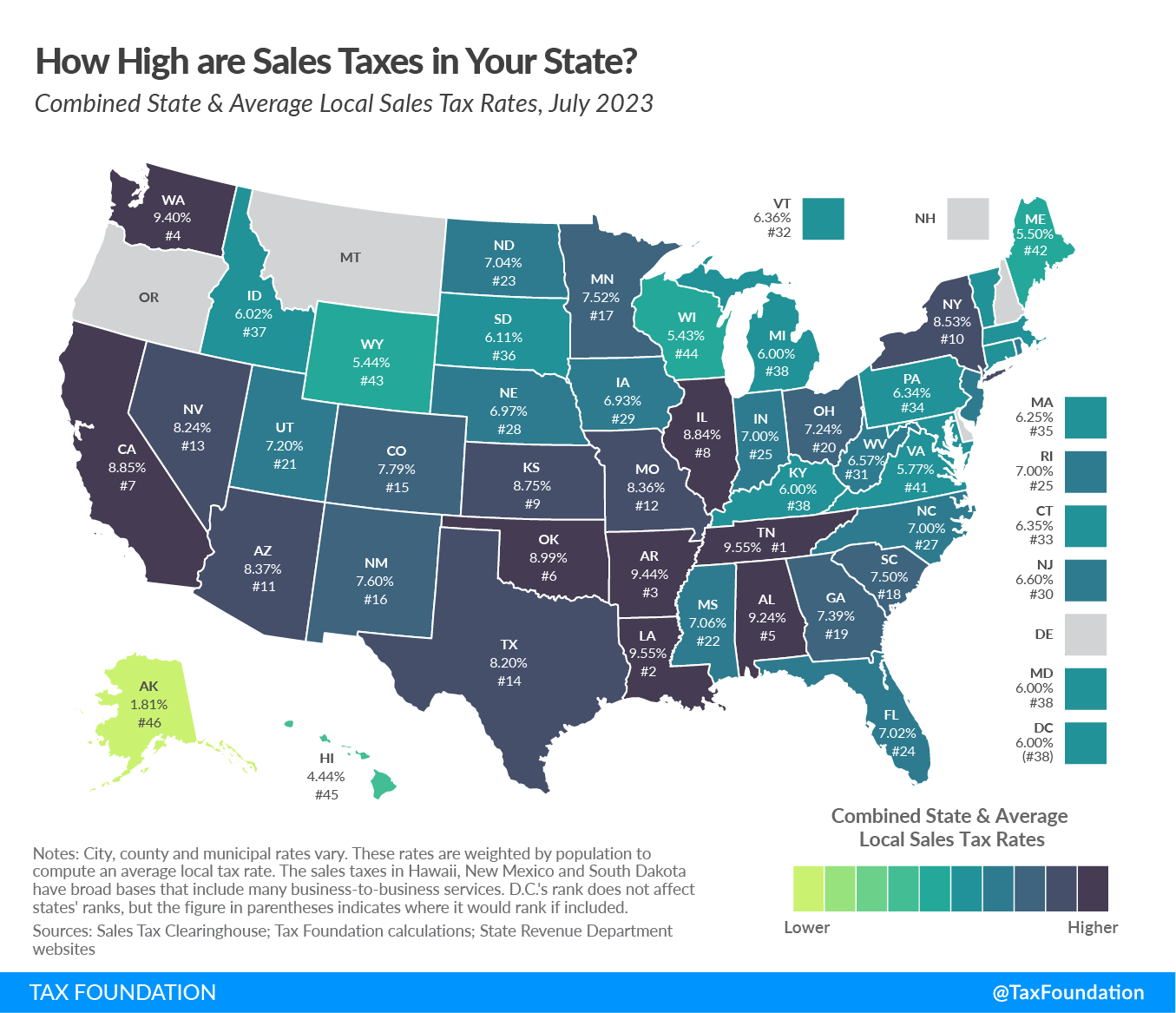
Travelers exploring different regions of Florida, from the vibrant nightlife of South Beach in Miami to the tranquil beaches of Naples or the historic charm of St. Augustine, should be aware that the total sales tax rate can fluctuate with their location. A purchase made in Orlando might have a different effective sales tax rate than the same purchase made in Tampa or Fort Lauderdale. The Florida Department of Revenue provides detailed information on current county surtax rates, which can be a valuable resource for itinerary planning, especially for those considering multi-county trips or major purchases. Understanding these local variations is crucial for comprehensive travel budgeting and avoiding any surprises at checkout.
Sales Tax Impact on Your Florida Travel Budget
Beyond general retail purchases, sales tax significantly influences the major components of any travel budget: accommodation, dining, and attractions. For visitors to Florida, these categories often represent the largest expenditures, making an understanding of their tax implications paramount.
Accommodation: Hotels, Resorts, and Vacation Rentals
This is arguably where sales tax has the most significant impact on a traveler’s budget. When booking a stay in Florida, whether it’s a luxurious boutique hotel in South Beach, a sprawling family-friendly resort near Walt Disney World, or a private vacation apartment through platforms like Airbnb or Vrbo, the advertised nightly rate is rarely the final price.
Firstly, the standard state sales tax of 6% applies to the rental of transient accommodations. This means your hotel room, resort suite, or luxury villa will incur this 6% tax on its published rate. On top of that, any applicable local discretionary sales surtaxes from the county will also be added.
However, the major additional tax component for accommodation in Florida is the Tourist Development Tax (TDT), often referred to as the “bed tax” or “resort tax.” This tax is levied by individual counties specifically on the rental of accommodations for six months or less. TDT rates vary widely by county, typically ranging from 1% to 6%. For example, popular tourist destinations like Orange County (home to Orlando’s major theme parks) and Miami-Dade County often have higher TDT rates due to the sheer volume of visitors.
When combining the 6% state sales tax, the county discretionary sales surtax (if any), and the Tourist Development Tax, the total tax on accommodation can easily reach between 10% and 13.5% or even higher in certain areas. For a traveler budgeting for a week-long stay at a $300-per-night resort, this can add hundreds of dollars to the final bill. For instance, a $300 room in a county with a 6% state sales tax, a 0.5% county surtax, and a 6% TDT would incur an additional $37.50 in taxes per night, totaling over $260 for a week-long stay.
It’s crucial to look beyond the base nightly rate and understand the full breakdown of taxes and any additional resort fees when booking your stay. Many booking platforms will show an “estimated total,” but confirming the exact tax breakdown is always advisable, especially for luxury hotels like The Breakers Palm Beach or Ritz-Carlton properties, where the base rates are higher. For those on a tighter budget, choosing accommodation in counties with lower TDT rates or considering longer stays (which can sometimes alter the tax structure after six months, rendering the TDT inapplicable) might offer some savings.
Dining and Food Purchases
Food is another significant expenditure for travelers, and Florida’s sales tax rules differentiate between prepared food and groceries.
- Prepared Meals: When you dine out at restaurants, cafes, food trucks, or even purchase prepared hot food from a supermarket deli, these purchases are subject to the full state sales tax of 6% plus any applicable local discretionary sales surtax. This applies to everything from a quick breakfast at a roadside diner in the Florida Keys to a celebratory seafood dinner in Miami Beach. This means the menu price you see will be lower than the final bill.
- Groceries (Unprepared Food): In contrast, most unprepared food items purchased at grocery stores, supermarkets, and farmers’ markets for consumption at home are exempt from Florida sales tax. This exemption applies to staples like fresh produce, meats, dairy, and most packaged foods. This is a significant consideration for budget travelers or families looking to save money on food during their trip. Cooking some meals in your vacation apartment or villa rather than eating out for every meal can lead to substantial savings, not just on the food cost itself but also by avoiding sales tax on prepared meals.
Understanding this distinction allows travelers to make informed decisions about their dining habits. Opting for a picnic lunch prepared with tax-exempt groceries instead of a restaurant meal can be both a cost-saving measure and a delightful way to experience Florida’s scenic beauty, perhaps at Everglades National Park or along Clearwater Beach.
Attractions, Experiences, and Retail Therapy
Florida is synonymous with attractions and unique experiences, from the thrilling rides of Walt Disney World and Universal Studios Florida to the cultural treasures of St. Petersburg and the natural wonders of the Everglades. Most tickets for admission to these attractions, including theme parks like Epcot, Magic Kingdom, Busch Gardens Tampa Bay, SeaWorld Orlando, museums like the Frost Science Museum or The Ringling, and various tours such as Everglades airboat tours, are subject to the standard state sales tax of 6% plus any applicable local surtaxes. This means the advertised price for a park ticket or an experience will have tax added at checkout.
Similarly, general merchandise purchases—anything from souvenirs and clothing to electronics and beach gear—are subject to the same sales tax rates. Retail therapy is a popular activity for many visitors, whether at high-end boutiques like Bal Harbour Shops or outlet malls. Factor in the sales tax when setting your budget for shopping to avoid unexpected costs.
However, Florida occasionally offers sales tax holidays for specific categories of goods, which can be a boon for savvy travelers. These temporary exemptions, often lasting a week or two, typically target items like school supplies, certain clothing items, and hurricane preparedness supplies. While primarily aimed at residents, visitors can also take advantage of these periods. For families traveling with children, purchasing back-to-school essentials during a tax holiday could offer a small but welcome saving. Likewise, if your trip coincides with a hurricane preparedness tax holiday, you might find certain items like batteries or portable chargers exempt from tax. Keeping an eye on the Florida Department of Revenue website for announcements about these holidays can be a smart move, especially for those planning their trips far in advance or looking for ways to maximize a budget-friendly lifestyle.
Key Exemptions and Special Considerations for Visitors
While sales tax is pervasive in Florida, understanding specific exemptions and nuances can empower travelers to manage their expenses more effectively and enjoy a more transparent financial experience.
What’s Generally Exempt from Sales Tax?
Beyond unprepared groceries, several other categories of goods and services are typically exempt from Florida sales tax, which can be beneficial for visitors:
- Medical Services: Most medical and dental services, including prescriptions, are generally exempt from sales tax. While hopefully not a major part of your vacation, it’s good to know in case of an unforeseen need.
- Services (Generally): Unlike tangible goods, most professional services are not subject to sales tax in Florida. This includes services like haircuts, legal advice, or dry cleaning. However, certain services related to tangible products (e.g., car repairs that involve parts) or amusement services (like entry to theme parks or concerts) are indeed taxed. For travelers, this means a spa treatment might not be taxed, but a rental car often will be (though car rental taxes are typically a separate excise tax, not general sales tax, though sometimes conflated).
- Tuition and Educational Materials: Purchases related to educational institutions and certain educational materials are often exempt. While this might not directly apply to most tourists, it’s part of the broader exemption landscape.
- Prescription Drugs and Prosthetic Devices: These essential items are exempt, ensuring that healthcare needs are not burdened by sales tax.
For the typical tourist, the most impactful exemption is on groceries. This encourages a balanced approach to dining, allowing for cost savings by preparing some meals yourself in accommodation equipped with kitchenettes, common in vacation apartments and extended-stay hotels.
Florida’s Sales Tax Holidays: A Chance to Save
As briefly mentioned, Florida periodically implements sales tax holidays. These events provide a limited window during which certain categories of items can be purchased without the state or local sales tax. The most common sales tax holidays include:
- Back-to-School Sales Tax Holiday: Typically held in late July or early August, this holiday exempts clothing, footwear, and accessories under a certain price point (e.g., $60-$100 per item), as well as school supplies and learning aids. For families visiting Orlando or Tampa during this period, it could be an opportune time to stock up on essentials or even some new wardrobe items.
- Disaster Preparedness Sales Tax Holiday: Usually occurring in late May or early June, this holiday focuses on items critical for hurricane preparedness, such as batteries, flashlights, radios, tarps, and generators. While less directly applicable to the average tourist, it can be useful for those with vacation homes or extended stays, or even just for picking up emergency kit items for their car rental.
- Freedom Week Sales Tax Holiday: Introduced more recently, this holiday often targets recreational items, including fishing supplies, camping gear, entry to state parks, and sporting event tickets. For adventure travelers looking to explore the natural beauty of Florida’s Gulf Coast or Atlantic Coast, this can offer savings on activities like snorkeling in Key West or fishing in Destin.
Planning your trip around these sales tax holidays, especially for families or budget-conscious travelers, can significantly reduce overall expenses. While the savings on individual items might seem small, they can add up, freeing up more funds for experiences, attractions, or perhaps an extra night at a favored resort. Always check the official announcements from the Florida Department of Revenue for the exact dates, eligible items, and price limitations for each tax holiday, as these can change year to year.
Navigating Florida Sales Tax Like a Local
Becoming adept at navigating Florida’s sales tax system can significantly enhance your travel experience, allowing for more precise budgeting and a clearer understanding of your expenditures. This is particularly valuable for those considering longer stays or business trips.
Budgeting and Transparency
The first step to confidently managing sales tax is to incorporate it into your budgeting process from the outset. When planning your trip, don’t just allocate funds for the base prices of your hotel rooms, rental cars, and attraction tickets. Always factor in the additional percentage for sales tax and, for accommodation, the Tourist Development Tax.
- Accommodation: When researching hotels or vacation rentals, look for the “total price” that includes all taxes and fees, rather than just the nightly rate. Many online booking sites provide this, but it’s always wise to double-check. Consider contacting the property directly for a full breakdown if it’s unclear.
- Dining: Assume that all prepared food and beverages will incur the full sales tax rate (state + local). Build a buffer into your dining budget.
- Shopping and Attractions: For significant purchases or attraction tickets, mentally add 6% to 7.5% (depending on the county) to the advertised price.
Upon receiving receipts, take a moment to review the itemized breakdown. This transparency allows you to see exactly how much you’re paying in state sales tax, local surtaxes, and any other fees. This practice can help you identify any discrepancies and better understand your spending patterns. For those using budgeting apps, manually adding a tax line item for major categories can provide a more accurate financial picture of your trip.
Long-Term Stays and Business Travel
For individuals planning extended visits to Florida, such as snowbirds enjoying the winter months, or business travelers on extended assignments, specific tax rules can apply to accommodation:
- Exemption for Stays Exceeding Six Months: If you rent an accommodation for a continuous period longer than six months and enter into a written lease agreement (or sometimes other evidence of intent), the rental is generally exempt from both the state sales tax on transient rentals and the Tourist Development Tax. This can lead to substantial savings for long-term residents or visitors. It’s crucial, however, to ensure that the rental agreement explicitly states the intention for a long-term lease. Many short-term vacation rentals and hotels are not set up to facilitate this, so it’s best explored with landlords or property management for dedicated long-term apartment or villa rentals.
- Business Travel: While business travelers generally pay the same sales taxes as tourists, companies with extensive operations in Florida or specific industry classifications might be eligible for certain tax exemptions or rebates on purchases related to their business. However, for the individual business traveler expensing their costs, sales tax will be part of their eligible reimbursements. Keeping detailed receipts is paramount for proper expense reporting, as the IRS requires clear documentation of all travel-related expenditures.
Understanding these nuances is particularly important for those who frequent Florida for work or leisure for extended periods. It transforms the sales tax from a simple added cost into a strategic consideration for planning and budgeting.
Conclusion: Maximizing Your Florida Experience with Sales Tax Savvy
The question, “How Much Is Florida State Sales Tax?” might seem simple, but its answer unravels a layer of financial considerations crucial for any traveler to the Sunshine State. With a baseline state sales tax of 6%, combined with variable county surtaxes and the significant Tourist Development Tax on accommodation, the total tax burden can significantly influence your travel budget.
From the moment you book your hotel in Miami or Orlando, through dining experiences in Sarasota, to purchasing tickets for Busch Gardens or Kennedy Space Center Visitor Complex, sales tax is an omnipresent factor. However, by understanding these rates, recognizing key exemptions (like most groceries), and staying informed about seasonal sales tax holidays, you can navigate Florida’s tax landscape like a seasoned local.
Embrace transparency by always checking the full, itemized cost of your purchases and bookings. For longer stays, explore the potential for tax exemptions on accommodation. For those on a budget, strategize with grocery shopping and plan trips around tax-free holidays when feasible.
Ultimately, being informed about Florida’s sales tax system empowers you to make smarter financial decisions, ensuring that your focus remains on enjoying the incredible destinations, attractions, and experiences that make the state an unparalleled travel haven. Plan wisely, spend smartly, and soak up every bit of that Florida sunshine without any unexpected financial clouds.
LifeOutOfTheBox is a participant in the Amazon Services LLC Associates Program, an affiliate advertising program designed to provide a means for sites to earn advertising fees by advertising and linking to Amazon.com. Amazon, the Amazon logo, AmazonSupply, and the AmazonSupply logo are trademarks of Amazon.com, Inc. or its affiliates. As an Amazon Associate we earn affiliate commissions from qualifying purchases.