
Florida, often celebrated as the Sunshine State, is a magnet for travelers, retirees, and those seeking a vibrant lifestyle amidst beautiful beaches and world-class attractions. From the bustling streets of Miami to the magical theme parks of Orlando, and the historic charm of St. Augustine, millions flock to this peninsula each year, whether for a dream vacation, a long-term stay, or a complete relocation. With such a dynamic influx of people, understanding the state’s legal framework, especially concerning employment, becomes paramount for anyone considering a move or even a seasonal job in the thriving hospitality industry.
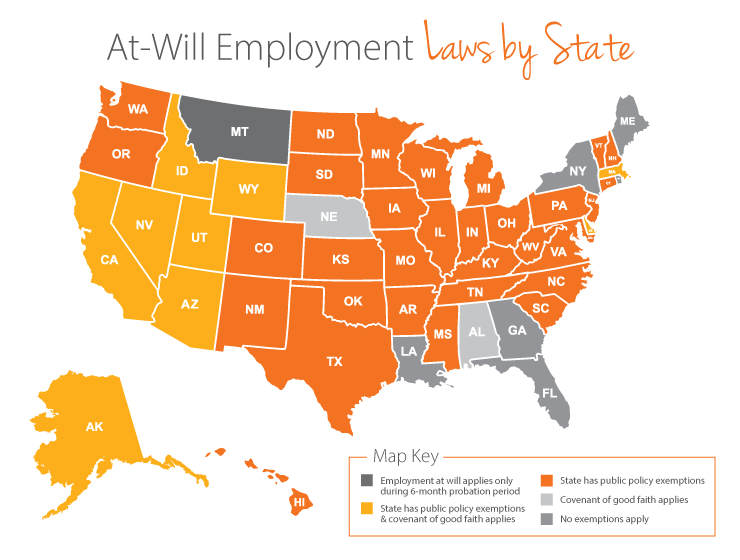
One of the most fundamental questions for prospective residents and employees is about the nature of employment law: Is Florida an at-will employment state? The answer is a resounding yes. Florida, like many other states in the United States, operates under the principle of at-will employment. This means that both an employer and an employee generally have the right to terminate the employment relationship at any time, for any reason, or even for no reason at all, provided that the reason for termination is not illegal. This legal doctrine has significant implications for job security, employee rights, and employer obligations across the diverse economic landscape of the state, from luxury resorts and boutique hotels to burgeoning tech companies in Tampa and agricultural enterprises in the state’s heartland. For those planning a life or a career transition to this popular destination, a clear grasp of at-will employment is as crucial as understanding local [tourism](https://lifeoutofthebox.com/tourism trends or booking the perfect accommodation.
Understanding At-Will Employment: A Foundation for Florida Workers
The concept of “at-will employment” is a cornerstone of labor law in many parts of the United States, and Florida’s adherence to this principle shapes the employer-employee relationship significantly. For visitors enchanted by the idea of making the Sunshine State their permanent home, particularly those eyeing career opportunities in its robust service sectors, understanding this fundamental legal framework is a critical first step.
What “At-Will” Truly Means
In an at-will employment state, the phrase “at-will” essentially means that the employment relationship is voluntary and indefinite. Unless there is a specific contract or legal exception that dictates otherwise, either party—the employer or the employee—can end the working relationship without providing notice, cause, or explanation. For an employer, this typically means they can terminate an employee for a wide range of reasons, from performance issues to budgetary constraints, or even simply a personality clash, as long as the reason is not discriminatory or otherwise illegal. Conversely, an employee is also free to leave their job at any time without penalty, offering flexibility to pursue new opportunities or personal endeavors, a factor often appealing to those drawn to Florida’s dynamic lifestyle.
This broad flexibility is both a strength and a potential vulnerability. For companies, especially those in the highly seasonal and demand-driven tourism and hospitality industries that characterize much of Florida’s economy, at-will employment provides the agility to adjust staffing levels quickly in response to fluctuating visitor numbers or economic conditions. Imagine a major resort in Orlando needing to scale up or down its workforce based on convention bookings or theme park attendance; at-will status allows for this operational flexibility. For employees, while it offers freedom, it also implies a lack of inherent job security in the traditional sense, making it imperative for individuals to understand their rights and the common exceptions to this rule.
The Legal Landscape in the Sunshine State
Florida law explicitly recognizes and upholds the doctrine of at-will employment. There isn’t a single comprehensive statute that codifies “at-will” employment; rather, it is a common law principle that has been consistently affirmed by Florida’s courts over many decades. This means that if you are employed in the Sunshine State without a specific contract dictating otherwise (such as a collective bargaining agreement, an executive employment contract, or a fixed-term agreement), your employment relationship is generally presumed to be at-will.
This legal stance means that employers in Florida are not legally required to provide “just cause” for termination, nor are they typically required to follow a progressive disciplinary process before letting an employee go. This stands in contrast to some other countries or even a few U.S. states where “just cause” is often a prerequisite for dismissal. For those considering a move to Florida from such jurisdictions, this can represent a significant shift in workplace expectations and employee protections. Whether you’re considering a career at Walt Disney World Resort, managing a boutique hotel in South Beach, or working in the burgeoning marine industry in Fort Lauderdale, understanding that the default employment relationship is at-will is foundational.
Navigating the Exceptions: When At-Will Employment Isn’t Absolute
While Florida firmly adheres to the at-will employment doctrine, it’s crucial to understand that this principle is not without its limitations and exceptions. These exceptions serve to protect employees from truly unfair or unlawful termination practices, establishing important boundaries for employers. For anyone considering employment in Florida, especially those drawn to its vibrant lifestyle and diverse job market, knowing these exceptions is paramount.
Protected Classes and Anti-Discrimination Laws
The most significant and widely recognized exceptions to at-will employment stem from anti-discrimination laws. Both federal and state statutes prohibit employers from terminating an employee based on certain protected characteristics. These laws override the general at-will rule, ensuring that employees are not dismissed for reasons that are deemed unjust and illegal.
Federally, key laws include Title VII of the Civil Rights Act of 1964, which prohibits discrimination based on race, color, religion, sex (including sexual orientation and gender identity), and national origin. The Age Discrimination in Employment Act (ADEA) protects individuals aged 40 and older, while the Americans with Disabilities Act (ADA) prohibits discrimination against qualified individuals with disabilities. Furthermore, the Family and Medical Leave Act (FMLA) protects an employee’s job when they take eligible leave for specific family and medical reasons.
Florida has its own robust anti-discrimination legislation, the Florida Civil Rights Act of 1992. This state law largely mirrors its federal counterparts, prohibiting discrimination in employment based on race, color, religion, sex, national origin, age, handicap (disability), and marital status. Therefore, even in an at-will state, an employer cannot legally fire an employee because of their gender, for example, or because they belong to a particular religious group, whether that employee works at a resort in Key West or a startup in Jacksonville. Any termination based on these protected characteristics would be considered wrongful dismissal.
Contractual Agreements and Public Policy Exceptions

Beyond anti-discrimination laws, other circumstances can create exceptions to the at-will doctrine:
- Express Contracts: When an employer and employee enter into a formal, written employment contract, the terms of that contract will typically supersede the at-will rule. These contracts often specify the duration of employment, conditions for termination (e.g., “for cause only”), notice periods, and severance packages. Such agreements are common for executives, professional athletes, or employees in highly specialized roles within companies that might manage luxury hotels or major tourist attractions. If an employer breaches the terms of such a contract, the employee may have grounds for legal action, regardless of Florida’s at-will status.
- Implied Contracts: While rarer and generally harder to prove in Florida, an implied contract can sometimes be formed through verbal assurances, consistent past practices, or statements made in an employee handbook. For instance, if an employer consistently tells an employee they will only be fired for “good cause” and follows a strict progressive discipline policy detailed in a handbook, a court might, in some limited circumstances, interpret this as modifying the at-will relationship. However, most Florida employers include clear disclaimers in their handbooks explicitly stating that the document does not constitute a contract and that employment remains at-will, effectively preventing such claims.
- Public Policy Exceptions: This is another important, though narrowly defined, category. An employer generally cannot terminate an employee for reasons that violate a clear public policy established by law. Common examples include:
- Whistleblower Protection: Employees who report illegal activities of their employer (whistleblowers) are protected from retaliation under both federal and Florida’s Whistleblower Act.
- Exercising a Legal Right: Firing an employee for filing a workers’ compensation claim after an injury (e.g., a hotel staff member slipping at a resort in Naples), serving on a jury, or performing military service is typically illegal.
- Refusal to Commit an Illegal Act: An employer cannot fire an employee for refusing to engage in illegal activity.
The Role of Employee Handbooks and Company Policies
Employee handbooks and company policies play a critical dual role in Florida’s at-will landscape. On one hand, they can set clear expectations and provide guidance on workplace conduct, benefits, and procedures. For many companies in the tourism and hospitality sectors, detailed handbooks help manage a diverse workforce, ensuring consistency from front-desk staff at a Miami hotel to groundskeepers at a golf resort on the Gulf Coast.
On the other hand, employers must be very careful with the language used in these documents. Without proper disclaimers, certain phrases or policies might inadvertently be interpreted as creating an implied contract, thereby modifying the at-will status. For this reason, most Florida employers include prominent disclaimers, often on the first page, stating that the handbook is not an employment contract, that the policies are subject to change, and that employment remains strictly at-will. This helps protect the employer’s flexibility while still providing employees with a framework for workplace expectations.
For employees, understanding what an employee handbook does and does not guarantee is crucial. It’s an important resource for understanding company culture and basic procedures, but it rarely offers protection against at-will termination unless it contains specific, contractually binding language to the contrary, which is rare.
Lifestyle and Livelihood: At-Will Employment in Florida’s Dynamic Economy
Florida’s allure extends far beyond its sun-drenched beaches and world-renowned attractions. It represents a vibrant lifestyle choice for many, fueled by a robust economy that consistently creates new job opportunities. For those considering a move to the Sunshine State to embrace this lifestyle, understanding the nuances of its at-will employment doctrine becomes an integral part of their planning, particularly as they seek to integrate their livelihood with their desired way of life.
For Those Moving to or Visiting Florida for Work
The decision to relocate to Florida is often driven by a combination of factors: the appealing climate, the absence of state income tax, and the promise of a more relaxed pace of life. Whether you’re a recent graduate looking for a first job in Orlando’s vast hospitality sector, an experienced professional seeking opportunities in Miami’s burgeoning finance and tech scenes, or a seasonal worker drawn to the Atlantic Coast’s tourism hubs like Daytona Beach, comprehending at-will employment is essential.
For many, the perceived trade-off for Florida’s desirable lifestyle is the inherent flexibility, and sometimes perceived lack of job security, that comes with at-will employment. It means that while the state offers a wealth of employment options, especially in sectors catering to travel and leisure, the initial period of employment often feels like an extended trial, for both employer and employee. This dynamic often encourages a proactive approach to career development, networking, and maintaining professional excellence, as employees are largely responsible for securing their tenure through performance and fit.
Moreover, the high turnover rates sometimes observed in Florida’s rapidly expanding industries can be influenced by the at-will nature of employment. This isn’t necessarily a negative, as it can also mean frequent opportunities for job seekers to find roles that better align with their skills and career aspirations. For digital nomads or those seeking short-term contracts while enjoying a long-term stay in Florida, the at-will framework offers both them and their employers maximum flexibility, aligning well with the transient and project-based nature of their work.
Opportunities and Challenges in Hospitality and Tourism
Florida’s economy is inextricably linked to its colossal tourism and hospitality industries. Millions visit landmarks like the Kennedy Space Center Visitor Complex, explore the natural wonders of Everglades National Park, or immerse themselves in the magic of Universal Orlando Resort. The vast workforce supporting these ventures, from front-desk staff and tour guides to culinary professionals and entertainment performers, largely operates under at-will employment.
The at-will doctrine presents both opportunities and challenges within these sectors. For employers managing hotels, resorts, and attractions, it allows them to quickly adapt their staffing to seasonal demands, peak travel periods, and unforeseen events, ensuring operational efficiency. This flexibility is critical in an industry prone to rapid shifts in consumer behavior and global events.
However, for employees in these sectors, particularly those relying on their income to support a Florida lifestyle, understanding their limited job security under at-will conditions is vital. It underscores the importance of:
- Networking: Building connections within the industry can open doors to new roles if one position is terminated.
- Skill Development: Continuously enhancing skills makes employees more valuable and employable.
- Financial Planning: Having an emergency fund is even more crucial in an at-will environment.
- Understanding Rights: Being aware of anti-discrimination laws and other exceptions is critical to prevent wrongful termination.
While unions do exist in some parts of Florida’s hospitality sector, often through collective bargaining agreements, they represent a minority of the workforce. For unionized employees, the terms of their collective bargaining agreement will generally dictate conditions of employment and termination, thereby modifying the at-will rule. However, for the vast majority of non-union employees, particularly in the numerous small to medium-sized businesses that dot Florida’s tourism landscape, at-will employment remains the default.
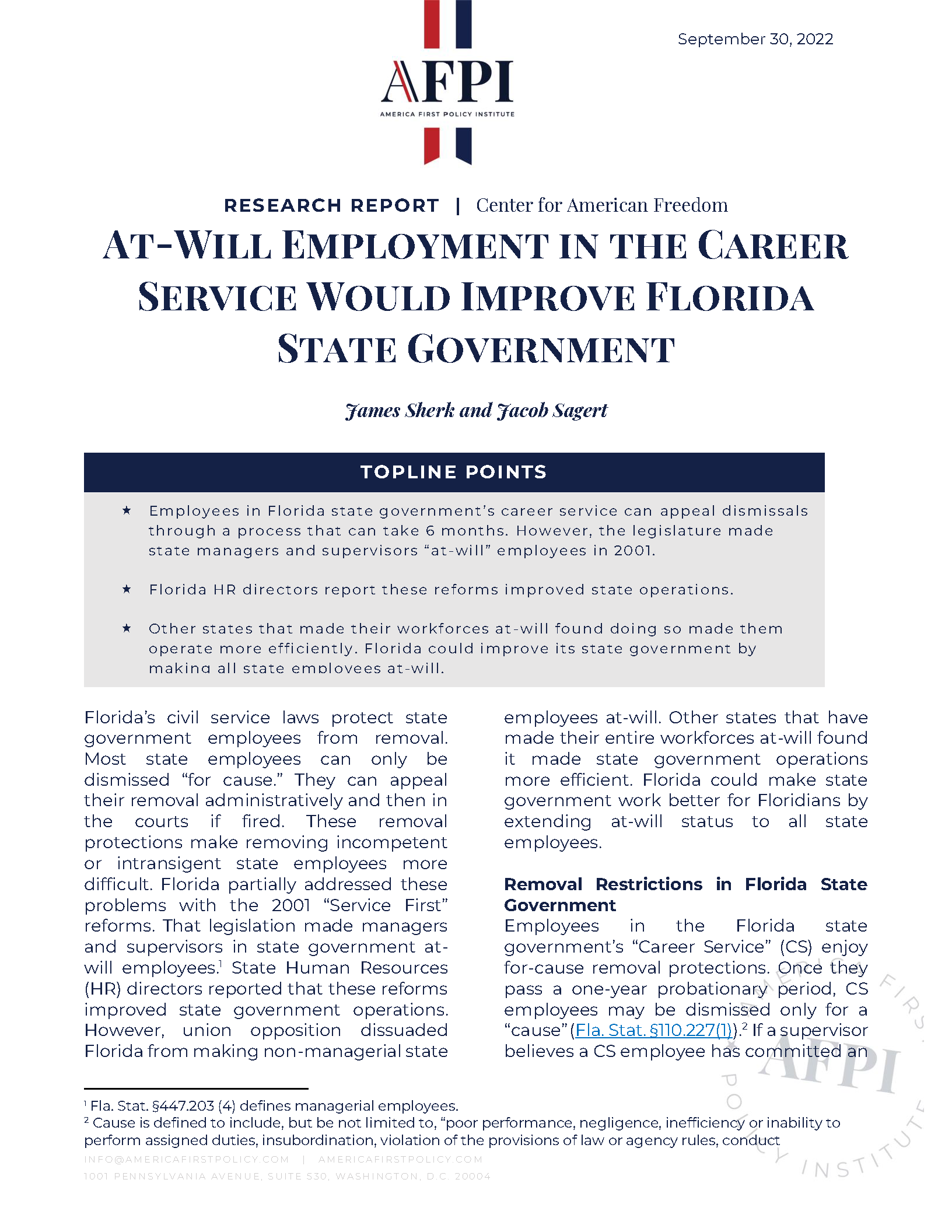
In conclusion, Florida is indeed an at-will employment state, a fundamental aspect of its legal and economic framework. While this principle grants broad flexibility to both employers and employees, it is not absolute. Crucial exceptions exist, primarily through anti-discrimination laws and specific contractual agreements, safeguarding employees against unlawful termination. For anyone drawn to the vibrant lifestyle and diverse opportunities in the Sunshine State, a clear understanding of at-will employment is not just a legal technicality but a practical necessity for navigating their career and ensuring peace of mind in this captivating destination.
LifeOutOfTheBox is a participant in the Amazon Services LLC Associates Program, an affiliate advertising program designed to provide a means for sites to earn advertising fees by advertising and linking to Amazon.com. Amazon, the Amazon logo, AmazonSupply, and the AmazonSupply logo are trademarks of Amazon.com, Inc. or its affiliates. As an Amazon Associate we earn affiliate commissions from qualifying purchases.