
Often dubbed the Sunshine State, Florida is a premier travel destination renowned for its pristine beaches, vibrant cities, and world-class attractions. From the theme park capital of Orlando to the Art Deco splendor of Miami and the historic charm of St. Augustine, millions flock to its shores annually seeking leisure, adventure, and relaxation. As travelers meticulously plan their itineraries, from booking hotels and resorts to scheduling flights and tours, a crucial but often overlooked detail surfaces: time zones. The seemingly simple question, “Is Florida in the Eastern Time Zone?” holds a surprising nuance that can significantly impact a visitor’s experience and daily schedule.
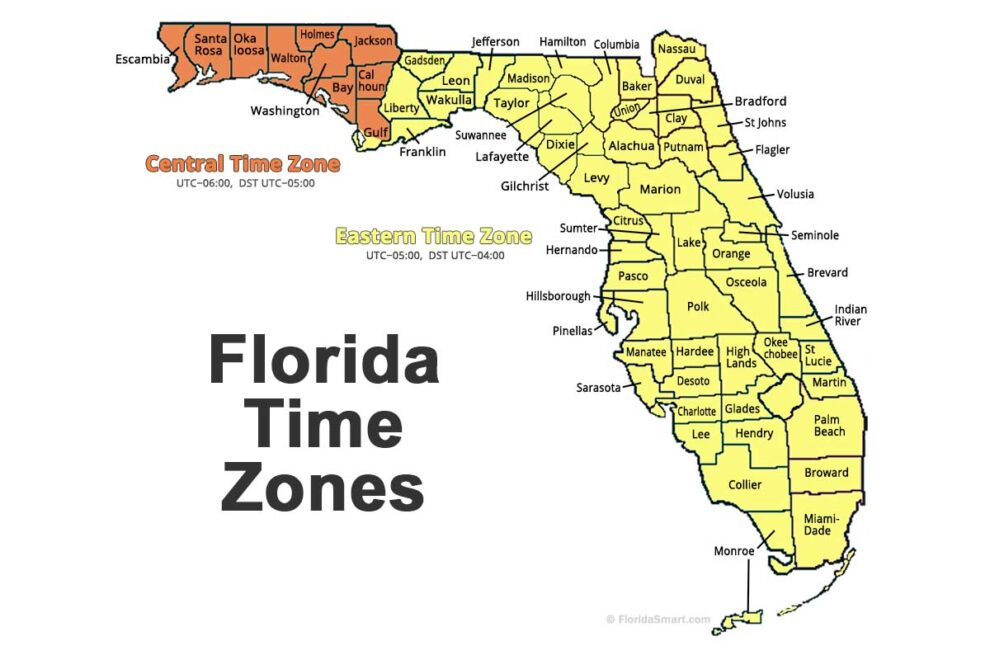
The short answer is predominantly yes, but with a significant geographical exception that every traveler and potential resident should be aware of. The vast majority of Florida operates on Eastern Standard Time (EST) during standard time and Eastern Daylight Time (EDT) during daylight saving periods. This alignment with the Eastern Seaboard of the United States simplifies logistics for most domestic and international travelers arriving in major hubs like Orlando International Airport (MCO) or Miami International Airport (MIA). However, a distinct western portion of the state, specifically the Florida Panhandle, observes the Central Time Zone, introducing a one-hour time difference that can easily catch unprepared visitors off guard. Understanding this dual-time zone reality is essential for seamless travel, efficient accommodation planning, and a truly optimized tourism experience in the diverse landscape of Florida.
Unpacking Florida’s Time Zone Geography
The diverse geography of Florida extends beyond its varying landscapes, encompassing a split in its temporal alignment. For a state so compact, having two different time zones is a point of interest and, for some, a minor logistical challenge. This division is not arbitrary but rather a reflection of historical and geographical considerations, primarily the state’s elongated shape and its proximity to neighboring states that adhere to the Central Time Zone.
The Dominance of Eastern Standard Time
From the bustling metropolis of Jacksonville in the northeast down to the tropical paradise of Key West at its southernmost tip, the vast majority of Florida operates under the Eastern Time Zone. This includes all the major tourist magnets and commercial centers that draw millions of visitors annually. Cities like Orlando, home to the enchanting Walt Disney World Resort and Universal Orlando Resort, along with Miami, Fort Lauderdale, Tampa, St. Petersburg, Sarasota, and Naples, all observe Eastern Time Zone.
For travelers arriving from the Eastern Time Zone or those adjusting from other time zones, this consistency across most of Florida is a relief. It means flight schedules, hotel check-in times, attraction opening hours, and restaurant reservations will all align with a single clock for the bulk of their Florida travel experience. Whether you’re planning to explore the historic landmarks of St. Augustine, immerse yourself in the vibrant nightlife of South Beach, or discover the natural wonders of Everglades National Park, your time will be synchronized with Eastern Time Zone. This simplifies the lifestyle of both residents and tourists, offering a predictable rhythm to daily activities across the peninsula.
The Central Time Zone Enclave: Florida’s Panhandle
The exception to Florida’s Eastern Time Zone rule lies within its northwestern region, affectionately known as the Florida Panhandle. This narrow strip of land, extending west from the Apallachicola River, primarily follows the Central Time Zone. Major cities within this zone include Pensacola, Panama City Beach, and Destin. The state capital, Tallahassee, however, remains firmly in the Eastern Time Zone, serving as a crucial transition point.
The dividing line between the two time zones is generally considered to be the Apallachicola River. This means that towns to the east of the river, like Port St. Joe, are in Eastern Time Zone, while those immediately to the west, such as Mexico Beach, switch to Central Time Zone. This can create an interesting situation for visitors driving along the Gulf Coast who might experience a sudden one-hour shift in their schedules.
For travelers venturing into the Florida Panhandle, especially those coming from other parts of Florida, this time difference is critical. A flight arriving in Pensacola from Orlando will effectively gain an hour upon landing, while a drive from Tallahassee to Panama City Beach will require a clock adjustment. This distinction is vital for timing everything from dinner reservations to check-in at beachfront resorts and tours of local attractions. Understanding this geographic nuance is key to a smooth and enjoyable tourism experience in this beautiful, but temporally unique, part of the state.
Navigating Time Zones for Florida Travelers
Successfully navigating Florida’s dual-time zone system is a hallmark of an experienced traveler. While the change is just one hour, it can have ripple effects across an entire itinerary, impacting everything from transportation to accommodation and planned activities. Careful planning and awareness are your best allies in ensuring a seamless travel experience, whether you’re sticking to the Eastern Time Zone or venturing into the Central Time Zone of the Panhandle.
Planning Your Itinerary: A Time Zone Checklist
When crafting your Florida adventure, incorporating a time zone checklist can prevent unnecessary stress. Here’s what to consider:
- Flight Schedules: Always double-check arrival and departure times for flights, especially if your journey involves a transfer or destination within the Florida Panhandle. Airports like Pensacola International Airport (PNS) and Northwest Florida Beaches International Airport (ECP) in Panama City Beach operate on Central Time Zone, while Tallahassee International Airport (TLH) is in Eastern Time Zone. A flight from Orlando (EDT) to Pensacola (CDT) will “gain” an hour, meaning an 11 AM departure might arrive at 11 AM local time, even with flight duration.
- Driving Times: If you’re undertaking a road trip that crosses the Apalachicola River, factor in the hour difference. A four-hour drive could feel like five, or three, depending on your direction. Your smartphone will typically adjust automatically, but it’s wise to have a mental note or a traditional watch as a backup.
- Tours and Excursions: Confirm the local time zone for any pre-booked tours, boat trips, or guided experiences. A dolphin cruise departing at 9 AM in Destin will be an hour earlier than 9 AM in Jacksonville.
- Restaurant Reservations: Dining experiences are a highlight of Florida tourism. Ensure your reservation times align with the local time of the restaurant, particularly if you’re traveling across the time zone boundary on the day of your booking.
Accommodation and Attractions: Mind the Clock

When it comes to hotels and attractions, the time zone difference is especially pertinent.
- Accommodation Check-in/Check-out: Hotels and resorts strictly adhere to local time for check-in and check-out procedures. Arriving an hour late or missing a check-out deadline due to a time zone miscalculation can lead to frustration or additional charges. Always verify the time zone of your booked property when reviewing reservation confirmations. For example, a beachfront villa in Panama City Beach will operate on Central Time Zone, while a luxury suite in Miami will be on Eastern Time Zone.
- Attraction Operating Hours: Major attractions like Walt Disney World Resort and Busch Gardens Tampa Bay in the Eastern Time Zone publish their hours in Eastern Time Zone. Similarly, local attractions and activities in the Panhandle, such as the National Naval Aviation Museum in Pensacola, will list their hours in Central Time Zone. Missing an opening time for a popular theme park or an important show can disrupt your entire day. Pay close attention to these details, especially when planning a packed day of sightseeing.
- Special Events: Festivals, concerts, and other timed special events will always be advertised in the local time zone. Confirming this ensures you don’t arrive too early or, worse, too late for a highly anticipated experience.
By keeping these points in mind, travelers can confidently navigate Florida’s time zones, ensuring their travel plans unfold without a hitch and they fully enjoy all that the state has to offer, from its diverse destinations to its unique local culture.
Daylight Saving Time and Its Impact
The intricacies of Florida’s time zones are further complicated by the observance of Daylight Saving Time. Like most of the United States, Florida adjusts its clocks twice a year, “springing forward” in March and “falling back” in November. This means that during the warmer months, the Eastern Time Zone portion of Florida operates on Eastern Daylight Time (EDT), which is UTC-4, and the Panhandle operates on Central Daylight Time (CDT), which is UTC-5. During the cooler months, they revert to Eastern Standard Time (EST, UTC-5) and Central Standard Time (CST, UTC-6), respectively.
Crucially, both zones transition on the same dates, maintaining the one-hour difference between them throughout the year. While this might seem straightforward, it can still cause confusion, especially for international travelers who may not be accustomed to Daylight Saving Time adjustments in their home countries. Modern smartphones and electronic devices typically adjust automatically, but it’s always wise to confirm the current time, particularly around the transition dates.
Florida has, at various times, considered proposals to make Daylight Saving Time permanent. In 2018, the state legislature passed the “Sunshine Protection Act” which would keep Florida on Daylight Saving Time year-round, effectively putting the entire state on UTC-4 permanently. However, this act requires approval from the U.S. Congress to take effect, which has not yet been granted. If such a change were to occur, it would mean that during the winter months, Florida’s clocks would not “fall back” with the rest of the Eastern Time Zone, creating a potential two-hour difference with states observing Central Standard Time and a one-hour difference with states observing Eastern Standard Time. This legislative possibility highlights the dynamic nature of time zone regulations and the importance of staying informed about potential changes, especially for frequent visitors or those considering long-term accommodation or relocation.
For the time being, Florida continues to observe Daylight Saving Time and the existing dual-time zone structure. Therefore, travelers should remain vigilant, especially when their trips coincide with the biannual clock changes. An hour lost or gained can impact crucial connections, tour timings, or simply the enjoyment of a leisurely morning.
Time Zone Considerations for a Seamless Florida Experience
A memorable Florida experience is built on seamless planning and anticipation, and understanding its time zones is an often-underestimated component of this. Whether you’re a first-time visitor or a seasoned Floridian, the practical implications of a split time zone, coupled with Daylight Saving Time, extend beyond simple timekeeping to influence convenience, safety, and overall enjoyment of your travel or lifestyle within the state.
East Coast vs. Panhandle: Key Differences for Visitors
The distinction between Eastern Time Zone Florida and the Central Time Zone Panhandle creates specific differences that visitors should note:
- Sunrises and Sunsets: Due to the westward position within the time zone, the Panhandle generally experiences later sunrises and sunsets than the Eastern Time Zone regions of Florida. This means more daylight in the evenings for beach activities in Destin or Panama City Beach, which can be a boon for tourism and experiences. Conversely, early morning activities in the Panhandle might feel darker later.
- Booking Discrepancies: When booking accommodations or attractions online, especially through third-party sites, always confirm the local time zone of the service provider. While most reputable sites specify, a simple oversight could lead to missing a pre-paid event or tour.
- Emergency Services: While emergency services operate on local time, being aware of the time zone is crucial when communicating with family or making travel arrangements that rely on time-sensitive information, especially if calling across the time zone boundary.
- Business Hours: Shops, banks, and local government offices will operate strictly on their local time zone. If you have errands to run, or appointments to keep, remember to factor in the shift.
For a family vacation spanning from the theme parks of Orlando to the white sand beaches of Panama City Beach, coordinating schedules for children, booking restaurant reservations, and planning drive times requires explicit consideration of the time zone change. It becomes part of the adventure, a unique geographical characteristic that adds another layer to the diverse appeal of Florida.

Lifestyle and Business: Adapting to the Clock
Beyond tourism, the dual-time zone reality impacts the lifestyle and business operations within Florida. For residents, especially those who frequently travel between the peninsula and the Panhandle, adapting to the clock change becomes routine. Professionals with business across the state, such as real estate agents or state government officials, must constantly verify appointment times to avoid mix-ups. This is particularly relevant for those dealing with the state capital, Tallahassee, which is in the Eastern Time Zone, while many of its western neighbors are in the Central Time Zone.
For businesses, especially those with statewide operations or those catering to tourists from different parts of Florida, clear communication regarding operating hours is paramount. Online booking systems, customer service hotlines, and event organizers must be meticulously accurate with their time zone declarations to prevent customer confusion and dissatisfaction. The logistics of statewide events, deliveries, or synchronized meetings also require precise time zone management.
Ultimately, understanding the “is Florida in the Eastern Time Zone?” question extends beyond a simple yes or no. It’s an invitation to appreciate the geographical and cultural nuances that define this vibrant state. By acknowledging and planning for the time zone split, visitors can ensure their Florida travel is not only enjoyable but also perfectly synchronized, allowing them to fully immerse themselves in every memorable moment, from the magic of theme parks to the tranquility of the Gulf Coast beaches. With a little foresight, the clocks in Florida will always be on your side, whether you’re springing forward into adventure or falling back into relaxation.
LifeOutOfTheBox is a participant in the Amazon Services LLC Associates Program, an affiliate advertising program designed to provide a means for sites to earn advertising fees by advertising and linking to Amazon.com. Amazon, the Amazon logo, AmazonSupply, and the AmazonSupply logo are trademarks of Amazon.com, Inc. or its affiliates. As an Amazon Associate we earn affiliate commissions from qualifying purchases.