
Embarking on a new chapter in the Lone Star State, whether for an extended stay, work, or simply to explore its vast landscapes, often comes with the essential task of securing a Texas Driver’s License. For many, a driver’s license isn’t just a legal document; it’s a key to unlocking the full breadth of what Texas has to offer. From the bustling metropolises of Houston and Dallas to the scenic routes of the Texas Hill Country and the historic charm of San Antonio, independent travel by car is often the most convenient and enriching way to experience this diverse state.
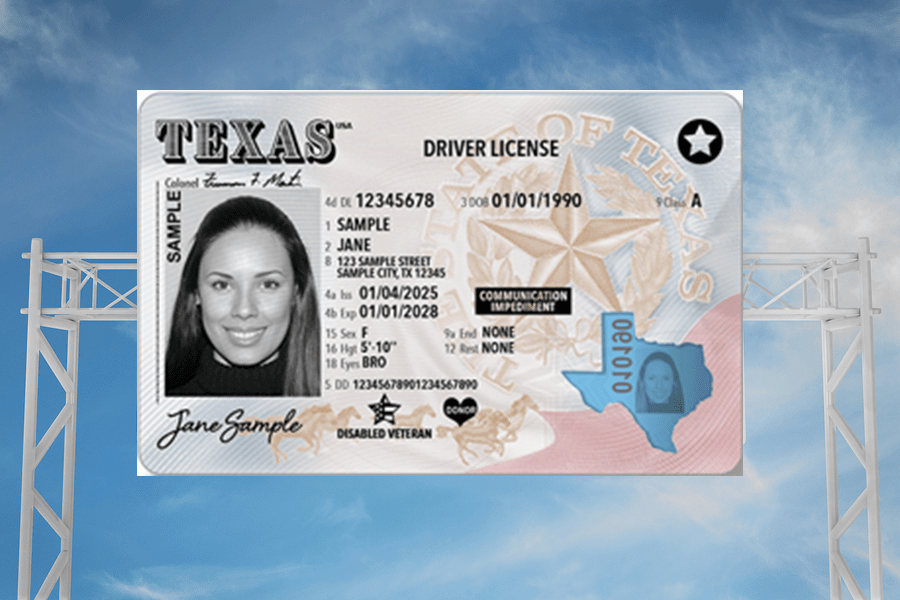
Our website, focusing on travel, hotels, tourism, and lifestyle, recognizes that obtaining a local driver’s license is a significant milestone for anyone looking to truly settle in or thoroughly explore a new place. It facilitates everything from daily commutes to spontaneous road trips, allowing you to discover hidden destinations, sample local cuisine, and access a wider range of accommodation options that might not be easily reached by public transport. This comprehensive guide aims to demystify the process of obtaining a Texas Driver’s License, ensuring your transition into the Texas way of life is as smooth as a drive down a country road.
Eligibility and Preparation: Your First Steps
Before you even step foot into a Texas Department of Public Safety (DPS) office, understanding the eligibility criteria and meticulously gathering your required documents is paramount. This foundational step will save you significant time and potential frustration, setting the stage for a successful application. For those new to Texas, whether relocating for work, study, or retirement, securing this credential is often among the first items on a lengthy to-do list, right alongside finding suitable accommodation and exploring local attractions.
Who Needs a Texas Driver’s License?
Generally, if you are a new resident of Texas and plan to drive, you are required to obtain a Texas Driver’s License within 90 days of establishing residency. This applies to individuals who have moved from another U.S. state or territory. For international visitors, the rules can vary. If you hold a valid driver’s license from another country, you might be able to drive in Texas for a limited period, typically up to one year, or for the duration of your authorized stay, whichever is shorter. However, for long-term stays, employment, or if you plan to make Texas your home, getting a Texas license becomes necessary.
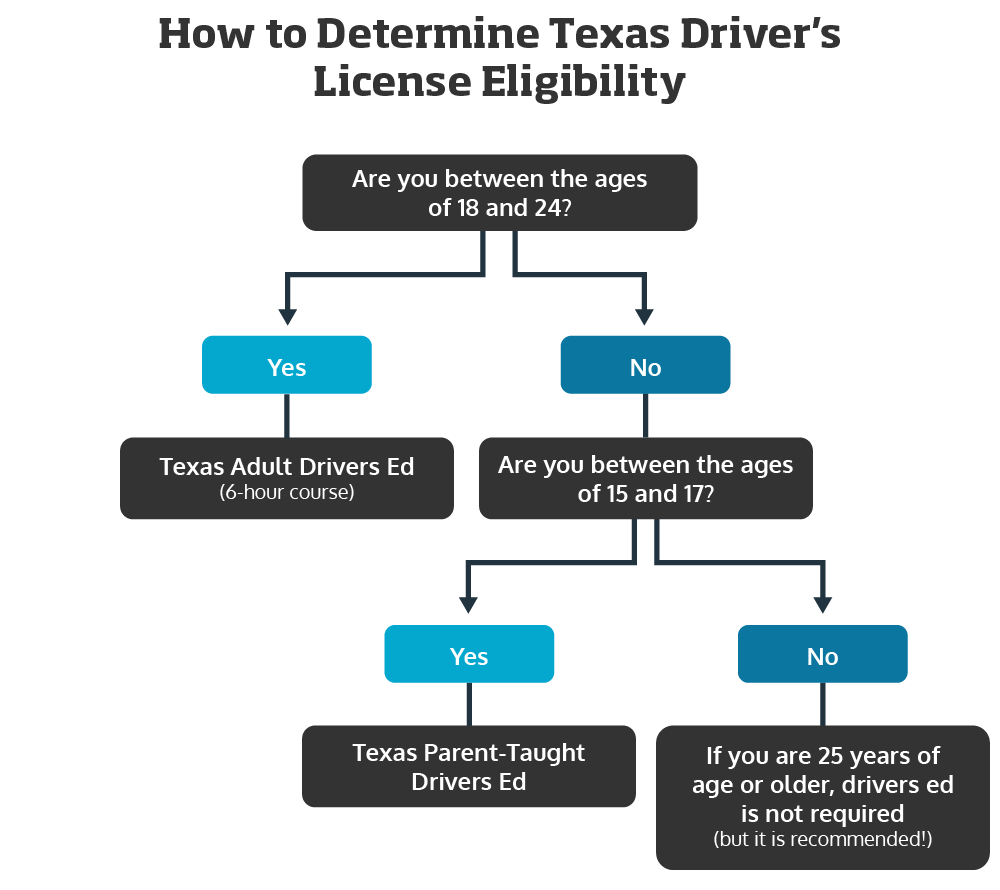
Furthermore, anyone 18 years or older who does not hold a valid driver’s license and wishes to operate a motor vehicle on public roads in Texas must obtain one. Special provisions and additional requirements apply to applicants under 18, involving driver education courses and graduated licensing programs, which are crucial for young adults embarking on their journey to independence and mobility within the state.
Gathering Your Essential Documents
This is arguably the most critical stage of the entire process. The Texas DPS requires specific proofs to establish your identity, U.S. citizenship or lawful presence, residency, and Social Security number. Missing even one document can lead to delays or outright denial of your application, necessitating another visit. Preparing these items thoroughly will ensure your visit to the DPS is productive.
The core categories of documents you’ll need typically include:
- Proof of Identity: This usually requires two primary documents or one primary and one secondary document. Examples of primary documents include an unexpired U.S. passport, certificate of citizenship, or permanent resident card. Secondary documents might include an original or certified birth certificate or a state-issued identification card from another USA state. For international applicants, a valid foreign passport with appropriate visa (such as an H-1B Visa, F-1 Visa, or J-1 Visa) and I-94 record are essential.
- Proof of U.S. Citizenship or Lawful Presence: For U.S. citizens, a birth certificate or passport typically suffices. Non-U.S. citizens must provide documentation proving lawful presence in the United States. This could include a valid foreign passport with a visa, I-94 form, or employment authorization document. The duration of your license will often be tied to your authorized period of stay.
- Proof of Texas Residency: The DPS generally requires two documents showing your name and current Texas address. These can include a current utility bill (electricity, water, gas, internet), a current rental lease agreement, a home mortgage statement, or a homeowner’s insurance policy. This is especially important for individuals who have recently moved to Texas and are setting up their new lives, perhaps in a short-term rental or a newly purchased home.
- Proof of Social Security Number (SSN): Your Social Security card or a document displaying your SSN (e.g., W-2 form, SSA-1099 form, pay stub with your SSN) is required. If you do not have an SSN, you must affirm this on the application, though this can sometimes complicate the process for non-immigrants who are not authorized to work.
- Proof of Vehicle Registration and Insurance: If you plan to take the driving test, you must present proof of current Texas vehicle registration and a valid insurance card for the vehicle you will be using.
It is highly recommended to visit the official Texas DPS website or use their interactive document checklist to verify the exact requirements based on your specific circumstances, as these can be updated. Having all original documents, and preferably copies, on hand will streamline your application process considerably.
Navigating the Application Process
With your documents in order, the next phase involves direct interaction with the Texas DPS. This stage includes scheduling an appointment, completing the application form, paying the necessary fees, and successfully passing the required knowledge and vision tests. Understanding each step will help you navigate the system efficiently, getting you closer to enjoying the freedom of the open road in Texas.
Scheduling Your Visit to the DPS
In today’s environment, it is almost always necessary to schedule an appointment online for a visit to a Texas DPS office. Walk-ins are often not accommodated or involve extremely long wait times. The DPS website provides a convenient scheduling portal where you can find the nearest office and book a time slot that works for you. Early morning appointments tend to be less crowded. Remember, you’re not just getting a driver’s license; you’re also obtaining a REAL ID compliant document, which will be essential for domestic air travel and accessing certain federal facilities in the future.
The Application and Fees
Upon arrival at the DPS office for your appointment, you will first check in and then proceed to complete an application form (DL-14A). This form gathers personal information, including your name, address, date of birth, and responses to questions about your medical history and driving record. Be prepared to provide accurate information.
After submitting your application and having your documents verified, you will be required to pay the applicable fee. As of current regulations, the fee for a standard Class C driver’s license for individuals 18-84 years old is typically around $33. For those 85 and older, the fee is reduced to $9. These fees are subject to change, so confirming the current rates on the DPS website beforehand is advisable. Payment can usually be made by cash, check, money order, or credit card.
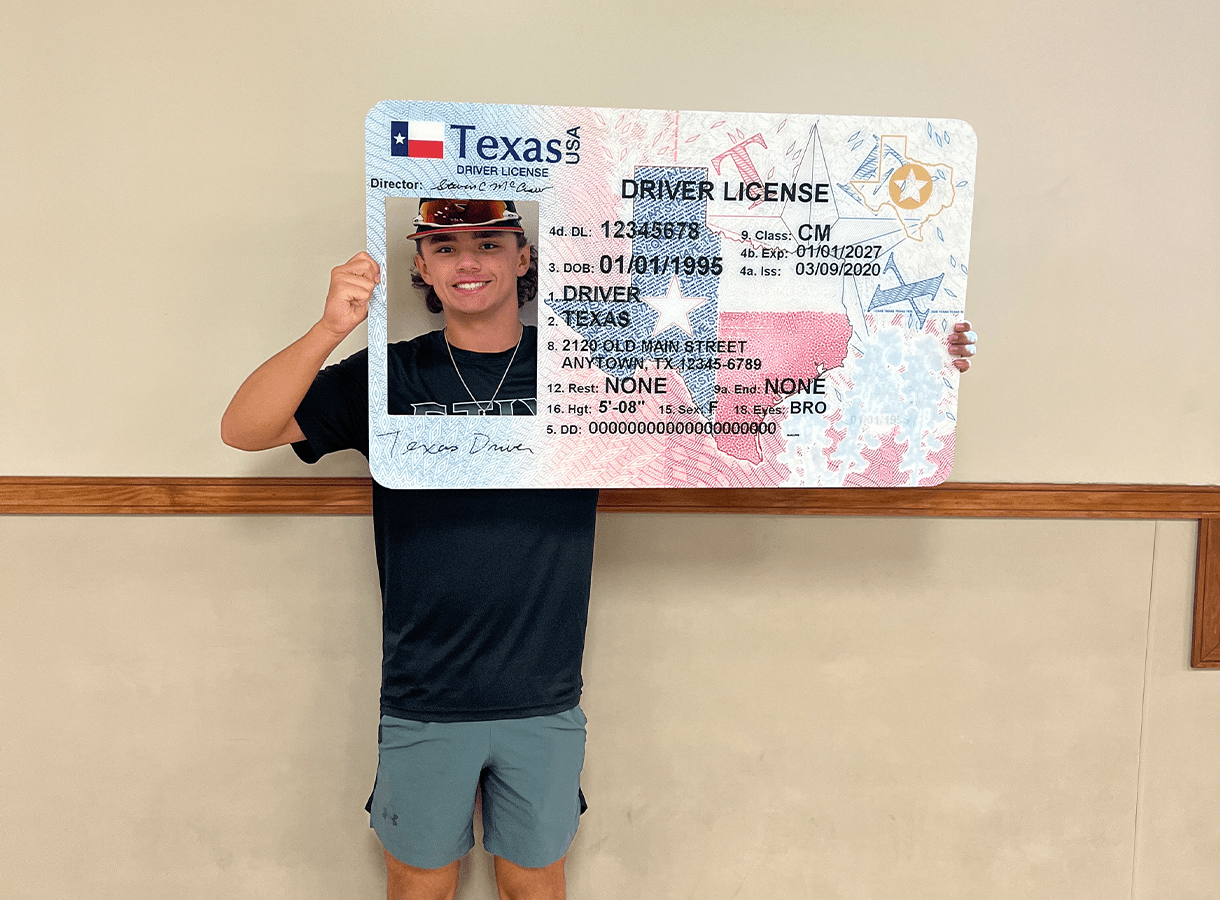
Vision and Written Exams
Once the administrative steps are complete, you’ll move on to the testing phase.
- Vision Exam: This is a straightforward test designed to ensure you meet the minimum vision requirements for safe driving. You will read letters or numbers on an eye chart. If you wear corrective lenses (glasses or contact lenses), be sure to wear them for this test, as this restriction will be noted on your license.
- Written Exam (Knowledge Test): The knowledge test assesses your understanding of Texas traffic laws and road signs. It typically consists of multiple-choice questions. To prepare for this, it is crucial to study the official Texas Driver Handbook. This handbook covers everything from basic driving rules and speed limits to intricate right-of-way scenarios and emergency procedures. Many online resources and practice tests are also available to help you prepare. Familiarity with road signs is particularly important, as they guide you through unfamiliar destinations and ensure your safety during your travels across the state. Passing this exam demonstrates your readiness to drive responsibly on Texas roads.
Conquering the Road Test and Beyond
Successfully passing the written and vision tests brings you one step closer. The final hurdle for new drivers, and some out-of-state transfers, is the driving skills test, commonly known as the road test. This practical evaluation ensures you can safely operate a vehicle and demonstrate competency in various driving maneuvers.
Preparing for the Driving Test
The driving test is a practical assessment of your ability to safely and legally operate a motor vehicle. You must provide a vehicle for the test, and it must meet specific requirements: it needs to be properly registered, insured, and in safe operating condition (e.g., working turn signals, brake lights, horn). An adult must accompany you to the DPS office in the vehicle if you do not yet have a valid license.
During the test, an examiner will ride with you, evaluating your driving skills. Common maneuvers and observations include:
- Vehicle Control: Smooth acceleration, braking, and steering.
- Traffic Laws: Adherence to speed limits, traffic signals, and stop signs.
- Lane Usage: Proper lane changes, staying in your lane.
- Turns: Correct signaling, speed, and positioning.
- Parking: Usually parallel parking, but can also include backing in or straight-back parking.
- Observation: Checking mirrors, blind spots, and overall awareness of your surroundings.
Practicing these skills in various driving conditions before your test is invaluable. If you’re new to Texas, familiarizing yourself with local driving habits and road layouts can be beneficial. Consider taking a few practice drives around the area near your chosen DPS office. Passing the road test is not just about getting your license; it’s about demonstrating your capability to navigate Texas’s diverse road network, from urban streets in Austin to rural highways leading to Big Bend National Park, ensuring a safe and enjoyable journey for yourself and others.
What Happens After You Pass?
Congratulations! If you successfully pass the driving test, the examiner will inform you immediately. You will then return to the DPS office to have your picture taken and finalize the issuance of your temporary driver’s license. This temporary license is valid immediately and allows you to drive legally until your permanent card arrives in the mail. The physical card is typically mailed to your provided Texas address within two to three weeks.
Upon receiving your permanent Texas Driver’s License, you’re officially equipped to explore the state independently. This opens up a world of possibilities, from spontaneous weekend getaways to exploring the vibrant Dallas Arts District, visiting The Alamo in San Antonio, or experiencing the nightlife on Sixth Street in Austin.
Special Considerations for Newcomers and International Travelers
Texas welcomes people from all corners of the globe, and the DPS has specific procedures for individuals arriving from other states or countries. Understanding these nuances can simplify your application process.
Transferring an Out-of-State License
If you are moving to Texas from another U.S. state, the process is generally simpler. You will still need to provide proof of identity, U.S. citizenship or lawful presence, Texas residency, and Social Security number. However, if your out-of-state license is valid and unexpired, you typically will not need to take the written or driving tests. You will be required to surrender your old license. This streamlined process acknowledges your prior driving experience and is designed to ease your transition into the Texas driving community, allowing you to quickly get on the road to enjoy the state’s myriad attractions.
Visitors and International Driving Permits
For international visitors, the situation depends on the duration and purpose of your stay. If you hold a valid driver’s license from your home country, you can generally drive in Texas for up to one year or for the period your entry document allows, whichever is shorter. It is highly recommended to also carry an International Driving Permit (IDP) alongside your foreign license. An IDP is not a standalone license but rather a translation of your existing foreign license into ten languages, making it easier for law enforcement officers to understand your driving privileges. IDPs are issued in your home country (e.g., through AAA in the USA, or similar automobile associations in Canada, Mexico, Europe, Asia, Africa, South America, or Australia).
However, if you establish residency in Texas (e.g., by obtaining employment, enrolling in school for an extended period, or renting a permanent home), you will be required to obtain a Texas Driver’s License. The process then mirrors that for any new resident, including the written and driving tests, as your foreign license is no longer sufficient for long-term residency. This is crucial for anyone planning to integrate into the Texas lifestyle and access local services, including perhaps applying for certain jobs or even checking into some hotels or booking longer-term accommodation where a local ID is preferred.
Obtaining a Texas Driver’s License is more than just a bureaucratic step; it’s an investment in your independence, mobility, and ability to fully immerse yourself in the rich tapestry of the Lone Star State. Whether you’re planning a trip to Space Center Houston, a swim at the Schlitterbahn Waterpark, a stroll along the San Antonio Riverwalk, or exploring the vibrant Gulf Coast beaches, having your own driver’s license allows for unparalleled freedom and flexibility. By diligently following these steps and preparing thoroughly, you’ll soon be well on your way to exploring the boundless destinations and unique experiences that make Texas an unforgettable place to live and visit.
LifeOutOfTheBox is a participant in the Amazon Services LLC Associates Program, an affiliate advertising program designed to provide a means for sites to earn advertising fees by advertising and linking to Amazon.com. Amazon, the Amazon logo, AmazonSupply, and the AmazonSupply logo are trademarks of Amazon.com, Inc. or its affiliates. As an Amazon Associate we earn affiliate commissions from qualifying purchases.