
Florida, often affectionately known as the Sunshine State, beckons millions of travelers each year with its pristine beaches, vibrant cities, world-class theme parks, and unique natural wonders. From the magic of Walt Disney World Resort in Orlando to the Art Deco charm of South Beach in Miami, and the historic allure of Key West, the state offers an unparalleled array of experiences. For many visitors, understanding local laws and customs is an essential part of responsible travel planning. Among the growing number of inquiries from travelers today is the question of cannabis legality, particularly concerning recreational use. As cannabis laws evolve across the United States, it’s crucial for anyone planning a trip to Florida to be well-informed about the current regulations.
The legal landscape surrounding cannabis can be complex and varies significantly from one state to another. What might be permissible in California or Colorado is often strictly prohibited in others. For a state as popular with tourists as Florida, clarity on this issue is paramount, especially for those seeking to indulge in adult-use cannabis as part of their vacation experience. This comprehensive guide will delve into Florida’s current cannabis laws, explain the nuances for both residents and visitors, and provide essential tips for navigating your travel plans with confidence and compliance.
The Current Legal Landscape: Understanding Cannabis in Florida
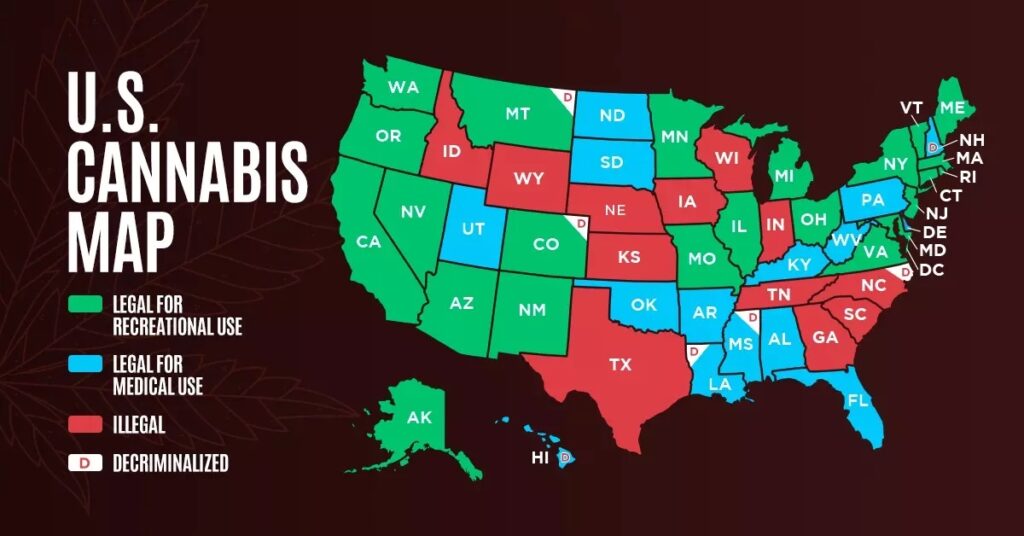
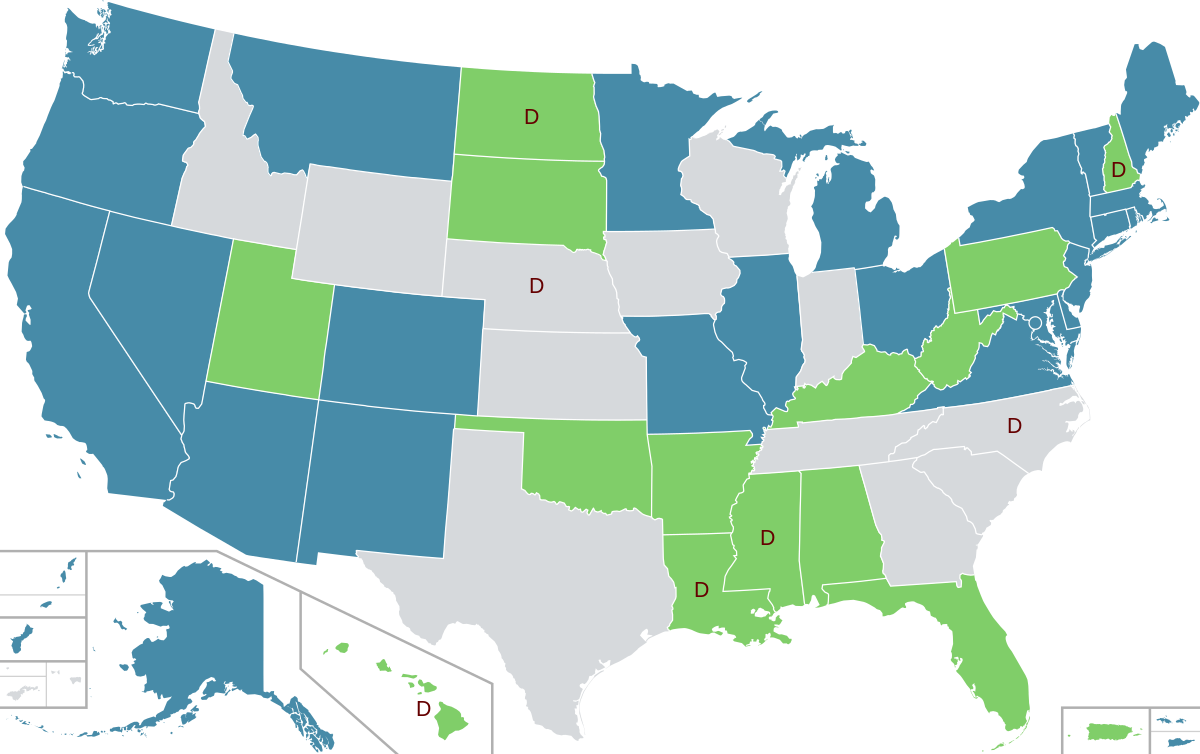
To address the core question directly: No, recreational cannabis is currently not legal in Florida. While the state has a well-established medical marijuana program, adult-use recreational cannabis remains illegal under state law. This distinction is vital for anyone traveling to or residing in the Sunshine State.
Medical Marijuana: What’s Permitted?
Florida voters approved medical marijuana use in 2016 through Amendment 2, leading to the establishment of the Office of Medical Marijuana Use (OMMU) under the Florida Department of Health. This program allows qualifying patients with specific debilitating medical conditions to obtain a medical marijuana card, which then permits them to purchase and use cannabis products from licensed dispensaries.
Key aspects of Florida’s medical marijuana program:
- Qualifying Conditions: Patients must have conditions such as cancer, epilepsy, glaucoma, HIV/AIDS, PTSD, ALS, Crohn’s disease, Parkinson’s disease, multiple sclerosis, or other comparable debilitating conditions as determined by a qualified physician.
- Residency Requirement: To obtain a medical marijuana card, an individual must be a permanent or seasonal resident of Florida. This is a critical point for travelers. Even if you have a medical marijuana card from another state where medical or recreational cannabis is legal, it is NOT recognized in Florida. Attempting to purchase or possess cannabis with an out-of-state card can lead to legal penalties.
- Licensed Dispensaries: Medical cannabis can only be purchased from state-licensed Medical Marijuana Treatment Centers (MMTCs). These dispensaries are regulated to ensure product quality and safety.
- Forms of Cannabis: The program permits various forms of medical cannabis, including oils, edibles, vapes, capsules, and — as of a 2019 law change — smokable flower.
For tourists, this means that unless you meet the stringent residency and medical condition requirements to obtain a Florida medical marijuana card before your visit, you are not legally permitted to purchase or possess cannabis in the state.
The Push for Recreational Legalization: Where Do We Stand?
While recreational cannabis is not currently legal, the landscape is subject to change. There have been ongoing efforts by advocacy groups to place adult-use cannabis legalization initiatives on the ballot. These initiatives typically aim to allow individuals aged 21 and older to possess and use small amounts of cannabis for non-medical purposes, often with a regulatory framework similar to alcohol.
As of early 2024, a proposed amendment (Amendment 3) to legalize recreational adult-use cannabis is set to appear on the November 2024 general election ballot. If approved by 60% of Florida voters, this would mark a significant shift in the state’s cannabis policy. However, until such an amendment passes and is implemented, the current laws remain in effect. Travelers should always check the most up-to-date legal status before their trip, especially if their visit coincides with potential legislative changes.
Decriminalization vs. Legalization: Key Distinctions
It’s also important to understand the difference between decriminalization and legalization.
- Decriminalization typically means that possessing small amounts of cannabis is treated as a minor offense, often punishable by a fine rather than jail time, similar to a traffic ticket. Several Florida counties and cities, such as Miami-Dade County, Orlando, Tampa, Key West, Jacksonville, St. Petersburg, and Fort Lauderdale, have enacted their own local ordinances to decriminalize small amounts of marijuana, often under 20 grams. This means a civil citation might be issued instead of an arrest in these specific jurisdictions.
- Legalization, on the other hand, means that the substance is legal for adult use, with a regulatory system for sales, taxation, and consumption, similar to alcohol. This is what Florida currently does not have for recreational cannabis at the state level.
While local decriminalization measures offer some relief from severe penalties in specific areas, they do not make recreational cannabis legal. State law still considers possession a criminal offense, and federal law always considers cannabis illegal. This patchwork of laws can be confusing, highlighting the need for caution, particularly for tourists unfamiliar with local nuances.
Navigating Florida as a Tourist: What You Need to Know
For travelers planning their perfect Florida getaway, understanding how these cannabis laws impact your visit is crucial for a smooth and enjoyable experience. The consequences of violating cannabis laws can range from significant fines to arrest and potential long-term legal issues, which can certainly put a damper on any vacation.
Public Consumption and Possession: The Rules for Visitors
Since recreational cannabis is illegal statewide, any public consumption or possession by individuals without a valid Florida medical marijuana card is against the law. This applies to all public spaces, including:
- Beaches: Even on the most secluded stretches of Florida’s Gulf Coast or Atlantic Coast.
- Parks: Whether it’s a bustling city park in Miami or a serene nature trail in Everglades National Park.
- Sidewalks and Streets: Simply walking down a street with cannabis, even if not consuming, can lead to legal issues.
- Restaurants and Bars: Public establishments are off-limits for cannabis use.
- Theme Parks: Walt Disney World Resort, Universal Studios Florida, and all other major attractions have strict no-drug policies and security measures.
Possession of even small amounts of recreational cannabis (under 20 grams) can result in a misdemeanor charge, punishable by up to a year in jail and a $1,000 fine. Possessing more than 20 grams escalates to a felony charge, with harsher penalties. It’s simply not worth the risk during your vacation.
Driving Under the Influence: Strict Enforcement
Driving under the influence (DUI) of any impairing substance, including cannabis, is illegal and strictly enforced in Florida. Law enforcement agencies are equipped to detect impairment, and a cannabis DUI carries severe penalties, including:
- License Suspension: Immediate and potentially long-term suspension of driving privileges.
- Fines: Substantial monetary fines.
- Jail Time: Mandatory jail sentences, even for first offenders.
- Vehicle Impoundment: Your rental car or personal vehicle could be impounded.
- Increased Insurance Rates: Long-term financial consequences.
Even if you are a medical marijuana patient, driving while impaired is illegal. The best advice is always to separate cannabis use (if legal for you) from operating a vehicle. Utilize ride-sharing services or designated drivers if you choose to consume cannabis.
Crossing State Lines and Air Travel: Federal Law Reigns Supreme
Perhaps one of the most critical aspects for travelers to understand is the supremacy of federal law, especially concerning interstate travel and air travel. While individual states may have legalized cannabis, it remains an illegal Schedule I controlled substance under federal law.
- Airports and Air Travel: The Transportation Security Administration (TSA) states that while its screening procedures are focused on security threats, if officers discover substances that appear to be illegal drugs, they are obligated to refer the matter to law enforcement (local police or federal agents like the Drug Enforcement Administration). This means attempting to bring cannabis (medical or recreational) into or out of Florida via an airport, even from another state where it’s legal, is a federal offense. Never attempt to fly with cannabis products.
- Crossing State Lines by Car: Similarly, transporting cannabis across state lines, even between two states where it might be legal, constitutes federal drug trafficking. This is a severe felony offense. When driving into Florida, ensure no cannabis products are in your vehicle.
The safest and most recommended approach for all travelers is to avoid bringing cannabis into Florida and to refrain from purchasing or possessing it within the state unless you are a qualifying Florida medical marijuana patient adhering to all state laws.
Accommodation and Cannabis: Hotel Policies and Your Stay
Your choice of accommodation is a significant part of any travel experience, and cannabis laws can certainly influence hotel policies. Even if recreational cannabis were legal in Florida, private businesses, including hotels and resorts, would retain the right to prohibit its use on their property.
Finding Cannabis-Friendly Stays (If Any)
Given that recreational cannabis is illegal in Florida, there are virtually no “cannabis-friendly” hotels or accommodations in the state in the sense of allowing open recreational use. Hotels operate under state and federal laws, and allowing illegal activities on their premises would expose them to significant legal and financial risks.
- General Policy: Most hotels, resorts, and vacation rentals in Florida will have strict no-smoking policies, which universally extend to cannabis, even for medical patients. Many also specifically prohibit the possession or use of illegal drugs on their property.
- Medical Patients: While a Florida medical marijuana patient can legally possess cannabis, using it in a way that violates a hotel’s non-smoking policy (e.g., smoking flower in a room) is still against the hotel’s rules and can result in fines, eviction, or both. Patients are generally advised to use discretion and non-smokable forms of cannabis (e.g., edibles, tinctures) in private, if the hotel’s policies implicitly allow for discrete consumption within the confines of a no-smoking room. However, it’s always best to clarify directly with the accommodation provider if you have a Florida medical card and need to consume cannabis.
Vaping, Smoking, and Odor Concerns in Hotels
Even if a hotel allowed for some forms of cannabis use, the issues of smoke and odor are major concerns for property managers.
- Smoking: Smoking cannabis (flower) will almost certainly trigger smoke detectors and leave a lingering odor that is difficult and costly for hotels to remove. Expect hefty cleaning fees (often hundreds of dollars) and potential eviction if caught smoking cannabis in a non-smoking room.
- Vaping: While vaping may produce less odor than smoking, it can still trigger sensitive smoke detectors and leave a detectable scent. Many hotels treat vaping similarly to smoking in terms of policy enforcement.
- Edibles and Tinctures: These forms of cannabis produce no smoke or odor and are generally the most discreet. If you are a Florida medical patient and authorized to possess cannabis, these forms would be the least likely to cause issues with hotel policies, provided they are consumed discreetly and do not violate any “no illegal drug” clauses.
Always review your hotel’s specific policies regarding smoking and drug use upon booking or check-in. When in doubt, err on the side of caution.
Impact on Family Travel and Resort Stays
Florida is a premier family travel destination, with countless resorts and attractions catering to all ages. The illegality of recreational cannabis aligns with the family-friendly atmosphere that many of these establishments strive to maintain.
- Child Protection: Public health and safety regulations, particularly those concerning children, would be a major factor even if recreational cannabis were to become legal. Expect strict prohibitions on cannabis use in areas where children are present, such as resort pools, playgrounds, and family dining areas.
- Resort Culture: Major resorts, especially those associated with theme parks like Walt Disney World Resort or Universal Studios Florida, cultivate a wholesome, family-oriented image. They are highly unlikely to become cannabis-friendly environments, regardless of future legal changes. Their policies will prioritize guest safety, comfort, and a family-appropriate atmosphere.
- Business Stays: For those traveling to Florida for business, adherence to laws and professional conduct is paramount. Engaging in illegal activities like recreational cannabis use could have serious professional repercussions.
In essence, when choosing accommodation in Florida, assume a default “no cannabis” policy unless explicitly stated otherwise for Florida medical cardholders and in specific, rare, or future-established settings.
Exploring Florida’s Attractions and Lifestyle with Cannabis in Mind
Florida’s diverse attractions offer something for everyone, from adrenaline-pumping rides to serene natural escapes. When considering cannabis, it’s vital to remember that these public and private spaces operate under current state and federal laws.
Theme Parks and Public Spaces: Zero Tolerance
As mentioned, Florida’s world-famous theme parks, including Walt Disney World Resort, Universal Studios Florida, and Busch Gardens Tampa Bay, enforce strict zero-tolerance policies regarding illegal drugs. This means no cannabis use, possession, or being under the influence of cannabis is permitted on their properties.
- Security Checks: Many parks conduct bag checks upon entry, and security personnel are trained to identify prohibited items.
- Immediate Expulsion: Violating these policies will result in immediate expulsion from the park, often without a refund, and potentially legal consequences if local law enforcement is involved.
- National Parks and State Parks: Florida is also home to stunning natural landmarks like Everglades National Park and numerous state parks. Since these are often federally managed or receive federal funding, federal laws prohibiting cannabis take precedence. Even within state parks, state laws apply, making recreational cannabis use illegal.
For those planning activities like visiting museums, historic sites in St. Augustine, or enjoying the nightlife in Miami, the same rules apply: recreational cannabis is illegal and should be avoided.
Medical Card Holders: Accessing Dispensaries
For Florida residents who are authorized medical marijuana patients, accessing dispensaries is straightforward. There are numerous licensed MMTCs located throughout the state, including in major tourist hubs like Orlando, Miami, and Tampa. Patients simply need to present their valid Florida medical marijuana card and a valid Florida identification at the dispensary.
It’s important for medical patients to remember that while they can legally possess and consume cannabis, public consumption is still prohibited, and they must adhere to the possession limits prescribed by their physician and state law.
The Future of Cannabis Tourism in Florida
Should Florida ultimately legalize recreational cannabis in the future, the state could potentially become a major destination for cannabis tourism, much like Las Vegas or Denver have. With its existing tourism infrastructure, warm climate, and diverse attractions, it could attract a new segment of travelers interested in a cannabis-inclusive vacation experience.
However, even with legalization, it is highly probable that regulations would be strict:
- Designated Consumption Areas: Like alcohol, public consumption would likely remain illegal, with designated lounges or private areas for consumption.
- Age Restrictions: Strict 21+ age limits would be enforced for purchase and consumption.
- Limited Sales: Regulations on where and how cannabis can be sold, likely through state-licensed dispensaries.
- Continued Federal Illegality: The tension between state legalization and federal prohibition would persist, particularly concerning air travel and national parks.
Until then, travelers should operate under the clear understanding that recreational cannabis is illegal in Florida.

Final Thoughts for Your Florida Vacation
Florida offers an incredible array of experiences, from the thrilling rides of Orlando’s theme parks to the serene beaches of Daytona Beach and the vibrant culture of Miami. To ensure your trip is memorable for all the right reasons, it is crucial to respect and adhere to the state’s laws.
For recreational cannabis users, the answer to “Is Florida recreational weed?” is a definitive no. Attempting to purchase, possess, or consume recreational cannabis in Florida as a tourist carries significant legal risks and can severely disrupt your travel plans. Focus on enjoying the myriad legal attractions and experiences the Sunshine State has to offer. By being informed and responsible, you can ensure a safe, enjoyable, and unforgettable Florida vacation. Always consult the most current official state resources for legal updates before your travel.
LifeOutOfTheBox is a participant in the Amazon Services LLC Associates Program, an affiliate advertising program designed to provide a means for sites to earn advertising fees by advertising and linking to Amazon.com. Amazon, the Amazon logo, AmazonSupply, and the AmazonSupply logo are trademarks of Amazon.com, Inc. or its affiliates. As an Amazon Associate we earn affiliate commissions from qualifying purchases.