
Florida, the Sunshine State, is a perennially popular destination, renowned for its pristine beaches, vibrant cities, world-class theme parks, and diverse natural landscapes. From the magical enchantment of Walt Disney World Resort in Orlando to the bustling urban energy of Miami and the serene beauty of the Florida Keys, millions of travelers flock here annually seeking relaxation, adventure, and unforgettable experiences. However, like any tropical paradise situated between the Atlantic Ocean and the Gulf of Mexico, Florida is susceptible to hurricanes during a specific season each year.
For anyone planning a trip – whether it’s a luxury getaway, a budget-friendly family vacation, a romantic escape, or a crucial business stay – the prospect of a hurricane can be a significant concern. Understanding when hurricane season occurs, how to monitor potential storms, and what steps to take if one is forecast is paramount for a stress-free and safe travel experience. This comprehensive guide aims to equip you with all the necessary information, allowing you to confidently plan your Florida adventure, even amidst hurricane season. We’ll delve into everything from reliable forecasting to accommodation protocols, ensuring your focus remains on enjoying the rich local culture, exquisite food, and myriad activities that make Florida truly special.

Understanding Florida’s Hurricane Season and Forecasting
The key to navigating travel to Florida during the storm season is knowledge and preparedness. Being informed about the typical timing of hurricanes and where to find accurate, up-to-the-minute information can make all the difference in mitigating risks and ensuring a smooth journey.
When is Hurricane Season in Florida?
Hurricane season officially runs from June 1st to November 30th each year, encompassing nearly half of the calendar. While storms can technically form outside this window, the vast majority of tropical cyclones impacting Florida occur within these six months. The peak of the season typically falls between mid-August and late October, with September historically being the most active month. During this period, warmer ocean waters provide the necessary fuel for storm development, making it crucial for travelers to be especially vigilant.
It’s important to remember that “hurricane season” does not mean a constant state of threat. Many hurricane seasons pass with minimal or no direct impacts on specific areas of Florida. However, the potential is always there, which is why foresight and flexible planning are highly recommended. For those seeking to avoid hurricane season altogether, the period from December through May offers cooler temperatures, lower humidity, and significantly reduced storm risk, making it an ideal time to explore Florida‘s attractions and landmarks without weather-related anxieties.
Reliable Sources for Hurricane Tracking
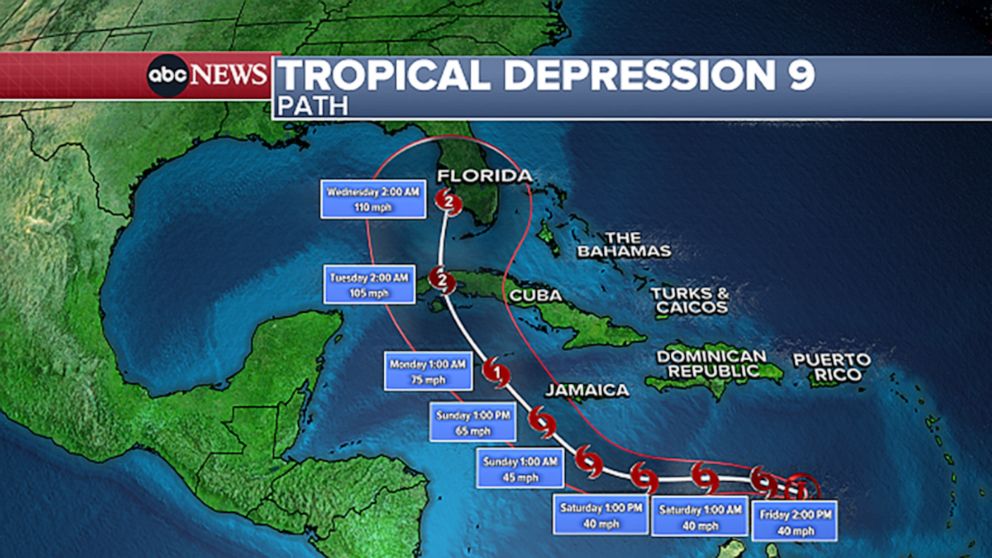
In the age of information, there’s no shortage of weather updates, but discerning credible sources is vital. For travelers heading to Florida, the most authoritative and trustworthy information comes from official meteorological organizations. The National Hurricane Center (NHC), a division of the National Oceanic and Atmospheric Administration (NOAA), is the primary source for all tropical weather forecasts and advisories affecting the Atlantic Ocean and Gulf of Mexico. Their website provides detailed cone forecasts, discussion packets, and up-to-date information on storm intensity, projected path, and potential impacts.
Beyond the NHC, local news outlets in Florida cities like Tampa, Fort Lauderdale, and St. Petersburg are excellent resources for localized information, including evacuation orders, shelter locations, and post-storm recovery efforts. Many hotels and resorts also have internal communication systems to keep guests informed. Downloading a reliable weather app that offers push notifications for severe weather alerts can also be a valuable tool, ensuring you receive timely updates directly on your mobile device, even while exploring.
Decoding Hurricane Categories and Impacts
Hurricanes are classified into five categories based on the Saffir-Simpson Hurricane Wind Scale, which primarily uses sustained wind speed to determine intensity. Understanding these categories helps travelers grasp the potential severity of a storm:
- Category 1 (74-95 mph): Very dangerous winds will produce some damage.
- Category 2 (96-110 mph): Extremely dangerous winds will cause extensive damage.
- Category 3 (111-129 mph): Devastating damage will occur.
- Category 4 (130-156 mph): Catastrophic damage will occur.
- Category 5 (157 mph or higher): Catastrophic damage will occur, rendering most areas uninhabitable for weeks or months.
While wind speed is a crucial factor, it’s essential to remember that a hurricane’s impact extends far beyond just wind. Storm surge (an abnormal rise of water generated by the storm, above the predicted astronomical tide) is often the deadliest aspect, especially in low-lying coastal areas. Heavy rainfall leading to widespread inland flooding, and tornadoes spun off by the storm, can also cause significant damage and pose serious threats. Therefore, paying attention to all aspects of a forecast – including projected rainfall, storm surge estimates, and potential for tornadoes – is vital for a complete understanding of a storm’s danger.
Navigating Travel Plans During Hurricane Threats
Even with the best planning, a hurricane might loom during your intended travel dates. Knowing how to react, what policies to check, and where to seek safety is crucial for any visitor to Florida.
Before You Go: Booking Flexibility and Travel Insurance
The most effective way to protect your travel investment and peace of mind during hurricane season is through proactive planning regarding bookings and insurance. When reserving flights, accommodations (whether it’s a suite at a Ritz-Carlton resort, an apartment, or a villa), or activities, inquire about their hurricane policies. Many reputable hotels and resorts, particularly those in high-risk areas like Key West or along the Gulf Coast, offer flexible cancellation or rebooking options if a hurricane warning is issued for their location. Look for “hurricane guarantees” or similar policies that allow fee-free changes.
Travel insurance is your strongest ally. A comprehensive travel insurance policy that includes “cancel for any reason” (CFAR) or specific hurricane/weather clauses can safeguard your financial investment. Carefully read the fine print to understand what is covered, when coverage begins (often policies must be purchased a certain number of days before a storm is named), and what documentation is required for a claim. This is especially important for multi-component trips involving flights, car rentals, and various accommodations booked through different providers like Expedia or Booking.com. Investing in the right policy can transform a potentially devastating financial loss into a manageable inconvenience, allowing you to rebook your dream Florida trip for a safer time.
During Your Stay: Hotel Protocols and Evacuation Routes
If you are already in Florida when a hurricane threat emerges, your accommodation provider will be your primary source of immediate information and guidance. Most major hotel chains like Marriott and Hilton, as well as independent resorts and villas, have well-established hurricane preparedness plans. These plans typically include:
- Guest Communication: Regular updates via in-room notices, television channels, or direct messaging from staff.
- Securing the Property: Bringing in outdoor furniture, boarding windows, and ensuring backup power.
- Emergency Supplies: Ensuring water, non-perishable food, and first-aid kits are available.
- Evacuation Procedures: If an evacuation order is issued by local authorities, hotels are mandated to assist guests in understanding and executing the evacuation. This might involve providing information on designated shelters, safe routes out of the area, or even arranging transportation.
It is crucial to pay attention to local authorities’ instructions and your hotel’s guidance. Do not try to ride out a major storm in an evacuation zone. Familiarize yourself with designated evacuation routes for your specific location upon arrival. Maps are often available in hotel lobbies or online through county emergency management websites. Having a full tank of gas in your rental car, or knowing public transportation options for evacuation, is also a wise precaution. Your safety is the utmost priority, and complying with official directives is non-negotiable.
After the Storm: Assessing Damage and Recovery Efforts
Following a hurricane, the immediate aftermath can be challenging. Power outages, communication disruptions, road closures, and limited access to essential services are common. If you were forced to evacuate, do not attempt to return until local officials declare it safe. Upon returning, or if you sheltered in place, be prepared for potential damage to infrastructure and limited amenities.
Florida has a robust system for post-hurricane recovery, often with assistance from federal agencies like FEMA. However, recovery is a process, not an instantaneous event. Travel plans immediately following a storm may still be disrupted. Airports might be closed, and roads impassable. It’s essential to check with your airline and accommodation provider before attempting to travel. For those considering long-term stays, be aware that recovery efforts might impact local services for an extended period. Patience and understanding are vital during this time, as communities work tirelessly to rebuild.
Florida’s Resilience: Enjoying the Sunshine State Safely
Despite the seasonal hurricane threat, Florida’s resilience and commitment to visitor safety mean that it remains an incredible destination year-round. Understanding how different regions prepare and considering alternative times or destinations can enhance your travel experience.
Top Florida Destinations and Their Hurricane Preparedness
Different regions of Florida have varying vulnerabilities and preparedness levels. Inland cities like Orlando, while not immune to heavy rain, wind, and tornadoes, are generally less susceptible to the devastating storm surge that impacts coastal areas. Theme parks like Universal Studios Florida have highly sophisticated emergency plans, often serving as shelters of last resort for their guests and employees.
Coastal cities like Miami, Naples, and Panama City Beach, while more exposed, also possess extensive infrastructure for hurricane readiness, including robust building codes, early warning systems, and clear evacuation protocols. Iconic landmarks such as South Beach and Everglades National Park have plans in place to secure their assets and ensure visitor safety. When researching your destination, look for local government emergency management websites to understand their specific preparedness plans and resources. This diligence contributes to a sense of security, whether you’re planning a luxurious beach vacation or a nature-focused adventure.
Exploring Safe Season Alternatives and Hidden Gems
If the thought of hurricane season gives you pause, consider planning your Florida trip during the quieter months. From December to May, the weather is often superb, characterized by sunny skies and comfortable temperatures, perfect for exploring without the humidity or storm concerns. This is an excellent time for enjoying outdoor activities, visiting cultural attractions, or simply relaxing on the beach.
Alternatively, if you must travel during hurricane season, consider inland destinations or areas with historically lower direct hurricane impacts. While no place is entirely risk-free, destinations further north in the state or away from the immediate coast might offer a slightly different risk profile. Explore Florida’s “hidden gems” – perhaps a charming town with unique local culture, an off-the-beaten-path state park, or an eco-tourism experience that’s less reliant on coastal weather patterns. The vastness of Florida means there’s always an alternative experience awaiting discovery, from the historical richness of St. Augustine to the natural springs of Central Florida.
Support Local Tourism: Rebuilding and Rediscovering Florida
Florida’s tourism industry is incredibly resilient, and after a hurricane, the support of visitors is more crucial than ever. Many communities depend heavily on tourism for their livelihoods, and a swift return of travelers (once it’s safe and infrastructure allows) significantly aids in economic recovery. If you’ve had to reschedule a trip, consider rebooking for a later date. Keep an eye on official tourism websites and social media channels for updates on specific destinations, as many businesses often open quickly after a storm.
Visiting a recovering area, even for a budget trip, can be a profound experience. It offers a chance to engage directly with the local culture, sample authentic cuisine from re-opened restaurants, and support local artisans and businesses. Beyond the famous landmarks like the Kennedy Space Center Visitor Complex, these communities offer unique activities and experiences that are often overlooked. By choosing to visit when the time is right, you’re not just enjoying a vacation; you’re contributing to the strength and spirit of Florida’s vibrant communities.
Practical Tips for Travelers and Accommodations
Beyond understanding the big picture, there are actionable steps every traveler can take to ensure a safer and more enjoyable trip to Florida, regardless of the season.
Essential Packing for Unexpected Weather
While you’ll undoubtedly pack your swimsuits and sunblock, a hurricane season trip warrants a few extra considerations:
- Emergency Kit Essentials: A small, easy-to-carry kit with non-perishable snacks, a flashlight with extra batteries, a portable power bank for charging devices, a basic first-aid kit, and any necessary prescription medications (with enough for a few extra days).
- Important Documents: Keep copies of passports, IDs, insurance policies, and booking confirmations in a waterproof bag. Consider digital copies stored securely on your phone or in cloud storage.
- Weather-Appropriate Clothing: Pack light rain gear, sturdy walking shoes that can handle wet conditions, and extra changes of clothes.
- Cash: ATMs and credit card machines may not function during power outages, so having some cash on hand is wise.
These items are not just for hurricanes; they’re generally good practice for any travel where unexpected weather or minor inconveniences might arise, whether you’re on a family trip or a business stay.
Communication Strategies and Emergency Contacts
Maintaining communication is paramount during a potential emergency.
- Charge Devices: Keep your phone and other electronic devices fully charged, especially when a storm is approaching. A portable power bank is invaluable.
- Emergency Contacts: Program essential contacts (family, friends, hotel, airline, rental car company, insurance provider) into your phone and write them down in case your phone is unusable.
- Local Emergency Numbers: Know the local non-emergency numbers for police and fire departments, in addition to 911 for life-threatening emergencies.
- NOAA Weather Radio: Consider a small battery-powered NOAA Weather Radio for critical weather alerts, especially if power or cell service is unreliable.
- Inform Others: Let family or friends back home know your travel plans and how to reach you. Establish a check-in routine.
Accommodation Choices: From Resorts to Long-Term Stays
When choosing your accommodation, consider its location and the robustness of its emergency plan. Larger resorts and hotels typically have more extensive emergency protocols and backup power systems than smaller, independent vacation rentals or villas. If you’re considering a long-term stay, particularly during hurricane season, research the building’s construction, proximity to evacuation zones, and the rental agency’s emergency communication plan.
Many accommodations, from luxury suites to budget-friendly apartments, pride themselves on guest safety. Don’t hesitate to contact the property directly with questions about their hurricane preparedness, especially if you have specific needs or are traveling with family or individuals requiring special assistance. Understanding these details upfront can provide significant peace of mind and ensure that your Florida trip, no matter the season, is filled with delightful experiences rather than unforeseen challenges. Florida’s allure is undeniable, and with smart planning, you can experience its magic safely and confidently.
LifeOutOfTheBox is a participant in the Amazon Services LLC Associates Program, an affiliate advertising program designed to provide a means for sites to earn advertising fees by advertising and linking to Amazon.com. Amazon, the Amazon logo, AmazonSupply, and the AmazonSupply logo are trademarks of Amazon.com, Inc. or its affiliates. As an Amazon Associate we earn affiliate commissions from qualifying purchases.