
For many travelers planning a vibrant escape to the Sunshine State, the question of cannabis legality often arises. Florida, renowned for its pristine beaches, world-famous theme parks, and lively cultural scene, attracts millions of visitors annually. As more states across the United States embrace recreational marijuana, it’s natural for tourists to wonder about the current status in Florida. The short answer, as of now, is no: recreational marijuana is not legal in Florida. However, the situation is nuanced, with a well-established medical marijuana program and ongoing debates about future legalization. Understanding these distinctions is crucial for anyone planning a responsible and enjoyable trip to this dynamic destination. This comprehensive guide will navigate the complex landscape of cannabis laws in Florida, providing essential information for travelers concerning everything from legalities and penalties to accommodation policies and future outlooks, ensuring your Florida adventure remains hassle-free and compliant with local regulations.
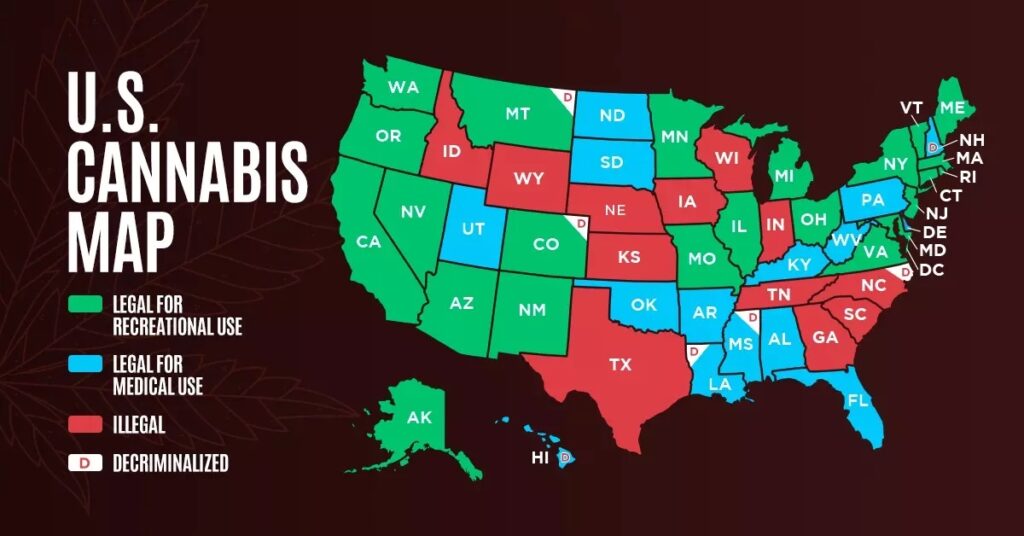
The Current Legal Landscape: Is Recreational Marijuana a Reality in Florida?
The legal status of cannabis in Florida can be a source of confusion for those accustomed to more liberal policies in other states. While the state has made significant strides in medical cannabis access, recreational use remains firmly prohibited. For travelers, this distinction is paramount, as misunderstanding the law can lead to severe consequences, potentially derailing an otherwise perfect vacation.
A Clear Distinction: Medical vs. Recreational Use
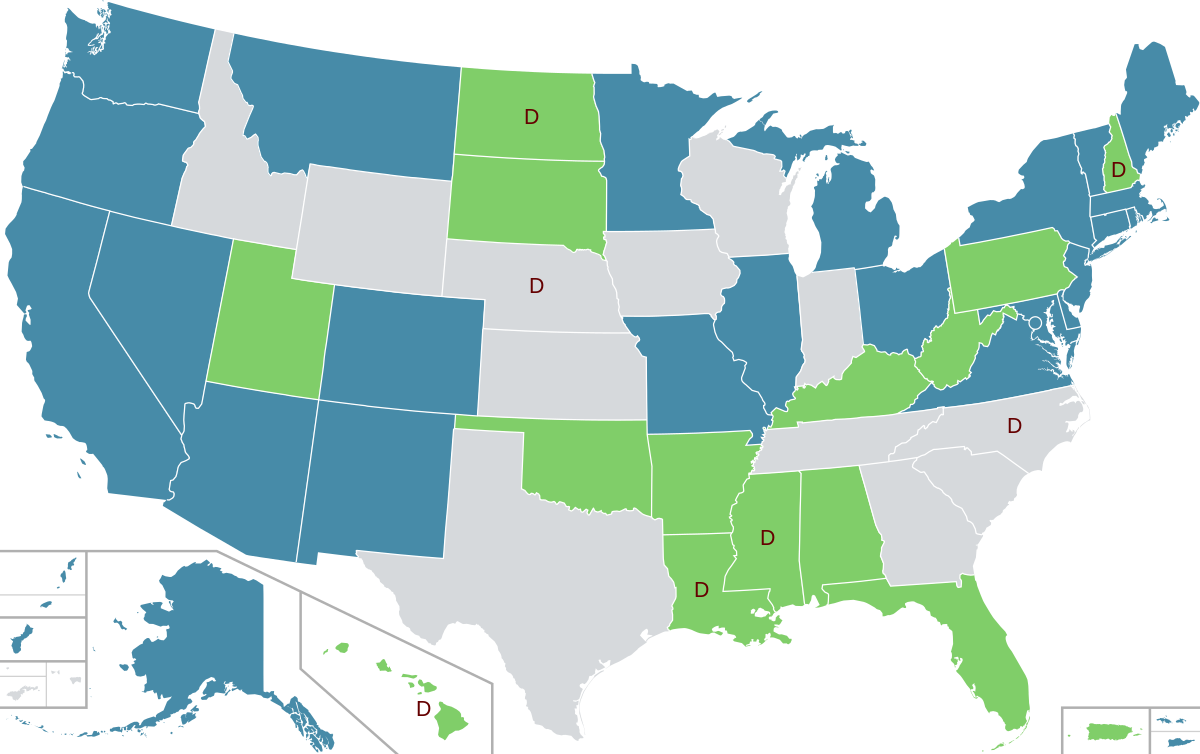
Florida officially legalized medical marijuana in 2016 through Amendment 2, passed by a significant majority of voters. This amendment established the Office of Medical Marijuana Use (OMMU), which oversees the state’s medical cannabis program. Under this program, qualifying patients with specific debilitating medical conditions, such as cancer, epilepsy, glaucoma, HIV/AIDS, PTSD, and chronic pain, can obtain a medical marijuana card after being evaluated by a state-licensed physician. With this card, patients can purchase cannabis products from licensed Medical Marijuana Treatment Centers (MMTCs) across the state. These products include flower, edibles, oils, tinctures, and vaporizers.
Crucially, this program is strictly for medical purposes, and recreational use or possession by non-patients remains illegal. Possessing even small amounts of cannabis without a medical card can lead to significant penalties. Possession of 20 grams or less is typically a misdemeanor, punishable by up to one year in jail and a $1,000 fine. Possession of more than 20 grams, or any amount with intent to distribute, can be a felony with much harsher sentences, including several years in prison and substantial fines. Unlike states such as California or Colorado, where adults 21 and over can legally purchase and consume cannabis for recreational purposes, Florida maintains a firm stance against non-medical use. The state’s legal framework for cannabis is designed to provide therapeutic relief to patients, not to enable casual consumption, a fact every visitor must respect.
The Legislative Journey: Past Attempts and Ongoing Debates
The journey towards potential recreational cannabis legalization in Florida has been marked by several legislative attempts and grassroots initiatives. Advocates for adult-use cannabis have repeatedly pushed for ballot measures, aiming to bring the issue directly to Florida voters, similar to how medical marijuana was legalized. However, these efforts have faced significant hurdles, including strict requirements for signature collection, legal challenges to ballot language, and opposition from various political and public safety groups.
Historically, proposed amendments have often been challenged by the Florida Supreme Court over issues of clarity and single-subject requirements. This rigorous review process ensures that any proposed constitutional amendment is clearly understood by voters and doesn’t encompass multiple unrelated policy changes. Despite these setbacks, the conversation around recreational legalization continues to gain momentum, fueled by public opinion shifts, the economic benefits observed in other states, and the increasing number of residents who support broader cannabis reform. The debate often centers on balancing individual liberties, potential tax revenues for the state, and concerns about public health and safety. As of late, another significant push is underway to get a recreational cannabis initiative on a future ballot, signaling that while recreational use isn’t a reality yet, the discussion is far from over in the Sunshine State.
Navigating Florida’s Medical Marijuana Program: What Tourists Need to Know
While recreational cannabis is off-limits, the existence of Florida’s medical marijuana program often leads travelers to wonder if they can access it during their visit. The answer, unfortunately for most out-of-state visitors, is generally no, but understanding the nuances is important.
Eligibility and Patient Registration for Visitors
The Florida medical marijuana program is primarily designed for state residents. To qualify for a medical marijuana card, an individual must be a permanent or seasonal resident of Florida and be diagnosed with a qualifying medical condition by a certified Florida physician. A seasonal resident is defined as any person who temporarily resides in Florida for at least 31 consecutive days in a calendar year, maintains a temporary residence, returns to a place of permanent residence outside of Florida at least once during the calendar year, and is registered to vote or pays income tax in another state.
For the vast majority of tourists, who do not meet these residency requirements, obtaining a medical marijuana card during a short visit is not feasible. Even if an out-of-state visitor has a medical marijuana card from their home state, it is not recognized under Florida law. This means that a medical card issued in New York or Michigan, for example, would not grant legal access to cannabis dispensaries in Florida. The rules are strict to ensure the integrity of the state’s medical program. Therefore, travelers should not plan their trip assuming they can access medical cannabis, even if they qualify in their home state. This clarity helps prevent potential legal issues for unaware tourists.
Accessing Licensed Dispensaries and Products
For registered Florida medical marijuana patients, accessing products is a straightforward process. Once a patient has their medical marijuana card, they can visit any licensed Medical Marijuana Treatment Center (MMTC) – commonly referred to as dispensaries – throughout the state. These dispensaries, such as Trulieve, Curaleaf, or MÜV, offer a wide array of products, including smokable flower, oral solutions, edibles, concentrates, and topical applications. Patients can place orders online for pickup or delivery, or consult with knowledgeable staff in-store to select products that best suit their needs.
However, for non-patients and tourists, these dispensaries are strictly off-limits for purchases. Attempting to purchase cannabis from an MMTC without a valid Florida medical marijuana card is illegal and will be denied. Moreover, purchasing cannabis from unlicensed sources or individuals is not only illegal but also poses significant safety risks, as products may be unregulated and unsafe. The OMMU regularly updates its list of licensed dispensaries and provides information on patient care, ensuring transparency and adherence to state regulations. Tourists should avoid any situation that involves attempting to bypass these strict rules, as doing so can lead to legal complications.
Traveler’s Guide to Cannabis Consumption: Rules and Regulations While Visiting Florida
Understanding Florida’s cannabis laws is paramount for any traveler, particularly concerning consumption. Given that recreational use is illegal, visitors must be acutely aware of what they can and cannot do to avoid legal repercussions that could turn a dream vacation into a nightmare.
Public Consumption and Legal Penalties
One of the most important rules for all visitors to Florida, including medical marijuana patients, is that public consumption of cannabis is strictly prohibited. This includes smoking or vaping cannabis in public places such as streets, parks, beaches, restaurants, bars, and any venue accessible to the public. Even within the confines of private property, landlords and property owners can (and often do) set their own rules regarding cannabis consumption. For medical patients, consumption is generally restricted to private residences, and even then, discretion is advised.
The penalties for public consumption, or for possession by non-patients, are severe. As mentioned, possession of 20 grams or less is a misdemeanor, carrying potential jail time and fines. Larger quantities escalate to felony charges. Beyond direct legal consequences, an arrest or citation can create significant travel disruptions, including court appearances, legal fees, and potential difficulties with future travel or visa applications, particularly for international visitors. Law enforcement in Florida is generally vigilant, and while some municipalities have implemented “cite and release” policies for minor marijuana offenses, this is not uniform across the state and does not constitute legalization. It is always safest to assume that any public display or consumption of cannabis will lead to legal trouble.
Driving Under the Influence and Transportation Restrictions
Florida has stringent laws against driving under the influence (DUI) of any impairing substance, including cannabis. Even if you are a medical marijuana patient, driving while impaired by cannabis is illegal and carries penalties similar to alcohol-related DUIs, including fines, license suspension, mandatory DUI school, and potential jail time. Law enforcement officers are trained to recognize signs of impairment, and chemical tests can detect the presence of cannabis metabolites. It’s important to remember that impairment is not solely based on the amount consumed but on how it affects your ability to operate a vehicle safely.
Furthermore, transporting cannabis, even for medical patients, comes with specific restrictions. Cannabis products must be kept in their original packaging from an MMTC, sealed, and out of reach of the driver, preferably in the trunk. Transporting cannabis across state lines, even to another state where it is legal, is a federal offense, as cannabis remains illegal under federal law. This applies even when flying domestically. Federal properties within Florida, such as national parks like Everglades National Park or federal courthouses, also prohibit cannabis, regardless of state law. Tourists should be particularly cautious about these federal restrictions to avoid serious legal complications.
The Grey Area of CBD and Delta-8 Products
The cannabis market extends beyond traditional marijuana, encompassing products derived from hemp, which have a different legal standing. Cannabidiol (CBD) products, derived from hemp containing less than 0.3% Delta-9 THC (the primary psychoactive compound in cannabis), are generally legal to purchase and possess in Florida under state and federal law. These products are widely available in health food stores, pharmacies, and specialty shops across the state and are often marketed for wellness benefits without the psychoactive “high.”
However, a newer category of hemp-derived products, particularly Delta-8 THC, introduces a grey area. Delta-8 THC is a cannabinoid found in cannabis plants, but typically in much smaller concentrations than Delta-9 THC. It is mildly psychoactive, offering a “high” that is generally less intense than Delta-9 THC. Because it is derived from hemp and often contains less than 0.3% Delta-9 THC, manufacturers argue it falls under the federal definition of legal hemp products. As a result, Delta-8 THC products are openly sold in many gas stations, vape shops, and convenience stores in Florida.
Despite its widespread availability, the legal status of Delta-8 THC in Florida has been subject to legislative challenges and regulatory uncertainty. While it remains largely unregulated, ongoing efforts by state lawmakers seek to restrict or outright ban these products due to concerns about their psychoactive effects and lack of quality control. Tourists should exercise extreme caution with Delta-8 THC products. Their legal status could change, and consuming them might still lead to impairment, affecting driving ability or triggering drug tests. When in doubt, it’s best to stick to clearly legal and non-impairing options.
Planning Your Florida Getaway: Accommodation, Attractions, and Cannabis Considerations
When planning a trip to Florida, cannabis considerations extend beyond just legality and into the practical aspects of your travel experience, from where you stay to what you do. Integrating awareness of Florida’s cannabis laws into your travel planning will ensure a smooth and enjoyable visit.
Hotel Policies and Accommodation Choices
Accommodation choices are a critical factor for any traveler, and hotel policies regarding cannabis are generally strict across Florida. Major hotel chains like Hilton, Marriott, and independent boutique hotels almost universally enforce non-smoking policies within their rooms and common areas. This policy extends to cannabis, regardless of whether it’s for medical use or recreational. Smoking or vaping cannabis in a hotel room can lead to significant cleaning fees, eviction, and even legal trouble. The strong odor of cannabis, particularly smoked flower, can permeate furnishings and annoy other guests, prompting hotels to act decisively.
For those considering alternative accommodations such as vacation rentals through platforms like Airbnb or VRBO, the rules are set by individual property owners. While some owners might be more lenient, most rental agreements will prohibit smoking of any kind inside the property to protect their investment and ensure guest satisfaction. It is essential to review the specific house rules of any rental property before booking. “Cannabis-friendly” accommodations are virtually non-existent for recreational use in Florida and would likely operate outside legal parameters. Travelers seeking a relaxing experience should plan to enjoy Florida’s legal offerings and avoid any cannabis use within their chosen lodging.
Theme Parks, Beaches, and Public Spaces
Florida is world-renowned for its family-friendly attractions, and these venues maintain strict policies against drug use. Theme parks like Walt Disney World in Orlando and Universal Studios Florida have zero-tolerance policies for illegal substances, including cannabis. Security measures are in place, and individuals found with cannabis or consuming it on park property will be removed and potentially face legal action. Similarly, public beaches, state parks, and other natural attractions across Florida are considered public spaces where cannabis consumption is explicitly prohibited.
The focus of Florida’s tourism industry is on providing safe, wholesome, and enjoyable experiences for all ages. Visitors should immerse themselves in the state’s vibrant culture, explore its natural beauty, indulge in its diverse culinary scene, and enjoy the myriad of legal entertainment options available in cities like Miami, Tampa, and St. Petersburg. Attempting to consume cannabis in these settings not only risks legal trouble but also detracts from the experience and could cause discomfort to other visitors.
Lifestyle Choices: Staying Informed and Responsible
Ultimately, a responsible approach to travel in Florida means staying informed about the state’s laws and making choices that ensure a hassle-free trip. For visitors, this means accepting that recreational marijuana is not a part of the current Florida experience and planning accordingly. While discussions about legalization continue, current laws are strictly enforced.
Embrace the legal aspects of the Sunshine State – from airboat rides in the Everglades to exploring the historic streets of St. Augustine or enjoying the nightlife in South Beach. Focus on the fantastic food, beautiful natural scenery, diverse attractions, and unique culture that Florida offers. Staying compliant with local laws ensures that your focus remains on creating unforgettable positive memories rather than navigating legal complications.
Looking Ahead: The Future of Recreational Cannabis in the Sunshine State
While recreational cannabis remains illegal in Florida today, the political and social landscape is constantly evolving. The prospect of future legalization is a frequently discussed topic, with significant implications for both residents and the state’s massive tourism industry.
Upcoming Ballot Initiatives and Political Climate
The path to recreational cannabis legalization in Florida is most likely through a constitutional amendment, requiring a supermajority (60%) vote by citizens. Pro-cannabis advocacy groups are consistently working to place new initiatives on the ballot, with considerable resources dedicated to signature gathering and legal review. For example, a significant initiative titled “Adult Personal Use of Marijuana” has garnered considerable support and is poised to potentially appear on a future statewide ballot, possibly as early as the 2024 general election. This proposed amendment aims to allow adults 21 and older to possess and consume cannabis for non-medical purposes.
The political climate surrounding cannabis in Florida is complex. While public opinion polls often show majority support for legalization, legislative leaders and the Governor’s office have historically expressed reservations, citing concerns about public health and potential societal impacts. The Florida Supreme Court plays a crucial role in reviewing proposed ballot language for clarity and adherence to legal standards, often rejecting initiatives that are deemed misleading or encompass multiple subjects. The success of any future ballot initiative will depend on overcoming these legal challenges, securing sufficient public support, and navigating a conservative political landscape, but the momentum for change is undeniable.

Economic Implications for Florida’s Tourism Industry
Should Florida legalize recreational cannabis, the economic implications for its colossal tourism industry would be profound. States that have legalized recreational marijuana, such as Colorado, Nevada (home to Las Vegas), and California, have seen the emergence of “cannabis tourism,” attracting visitors specifically interested in legal cannabis experiences. For Florida, this could mean a significant influx of new tourist demographics, seeking unique travel experiences that combine traditional attractions with legal cannabis access.
Potential new businesses could flourish, including specialized cannabis dispensaries catering to tourists, cannabis lounges, infused dining experiences, and even cannabis-themed tours. The state could also see a substantial boost in tax revenue, which could be allocated to public services, infrastructure, or education, similar to models in other states. However, legalization would also present challenges. [Florida](https://lifeoutofthebox.com/florida] would need to develop a robust regulatory framework to manage sales, consumption, and public safety. There would also be a need to balance the state’s existing reputation as a premier family-friendly destination with the introduction of a new adult-oriented attraction. The integration of recreational cannabis into Florida’s tourism strategy would require careful planning to capitalize on economic benefits while maintaining the state’s broad appeal.
In conclusion, while recreational marijuana is not currently legal in Florida, the conversation is far from over. For now, travelers should focus on enjoying the many legal wonders the Sunshine State has to offer, confident in the knowledge that they are traveling responsibly and in full compliance with local laws. By staying informed and respecting current regulations, visitors can ensure their Florida vacation is memorable for all the right reasons.
LifeOutOfTheBox is a participant in the Amazon Services LLC Associates Program, an affiliate advertising program designed to provide a means for sites to earn advertising fees by advertising and linking to Amazon.com. Amazon, the Amazon logo, AmazonSupply, and the AmazonSupply logo are trademarks of Amazon.com, Inc. or its affiliates. As an Amazon Associate we earn affiliate commissions from qualifying purchases.