
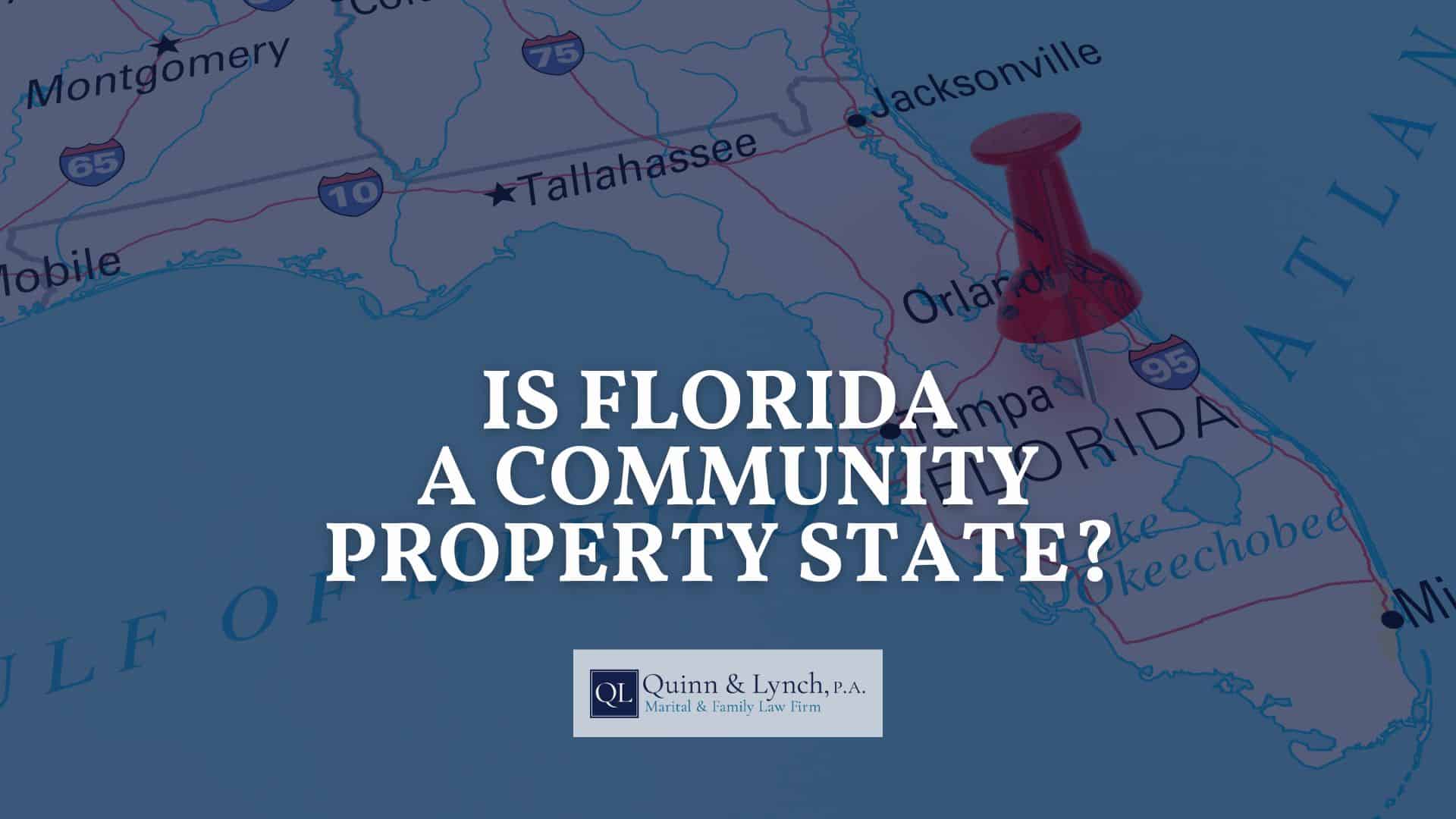
Florida, often lauded as the Sunshine State, beckons millions of visitors annually with its pristine beaches, vibrant cities, and world-class attractions. From the magical theme parks of Orlando to the Art Deco splendor of Miami Beach, and the serene Gulf Coast havens of Naples and Sarasota, it offers an unparalleled tapestry of travel experiences. Many visitors, captivated by its allure, consider making Florida their permanent home, a winter retreat, or a lucrative destination for real estate investments. Yet, beyond the allure of its resorts and villas, lies a crucial legal framework that potential residents and investors must understand: its property division laws. So, is Florida a community property state? The answer, unequivocally, is no. Florida operates under an equitable distribution system, a distinction that carries significant implications for anyone planning a long-term stay, purchasing property, or contemplating a lifestyle change within its sunny borders.
This understanding is particularly vital for those accustomed to community property laws, perhaps relocating from states like California, Texas, or Arizona, or even contemplating international moves to the United States. The differences can profoundly impact how assets are divided in the event of a divorce or legal separation, influencing everything from the ownership of a luxury condo in South Beach to a family villa near Walt Disney World Resort. For a website dedicated to travel, hotels, tourism, and lifestyle, grasping this legal nuance is essential for offering comprehensive guides and tips that extend beyond mere sightseeing, delving into the practicalities of making Florida a part of one’s long-term journey.
Understanding Property Laws: Florida’s Approach to Asset Division
To fully appreciate Florida’s stance, it’s crucial to first define the two primary systems of marital property division found in the United States: community property and equitable distribution. Understanding this distinction is the cornerstone for anyone considering an investment or relocation within the Sunshine State.
Equitable Distribution vs. Community Property: The Core Difference
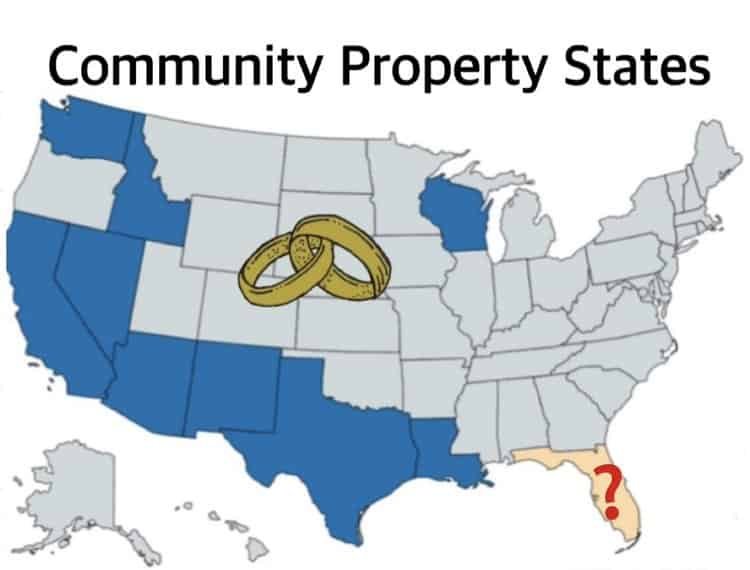
Nine states in the United States adhere to community property laws: Arizona, California, Idaho, Louisiana, Nevada, New Mexico, Texas, Washington, and Wisconsin. In a community property state, all assets and debts acquired by either spouse during the marriage are considered “community property” and are owned equally (50/50) by both spouses. This means that, in a divorce, these assets are generally divided straight down the middle, irrespective of who earned the income or whose name is on the title. Property owned before the marriage or received as a gift or inheritance during the marriage typically remains “separate property” and is not subject to this equal division.
Florida, however, is an equitable distribution state. This system dictates that marital assets and debts are divided fairly, but not necessarily equally, between spouses in a divorce. The court considers various factors to determine what is “equitable,” which can lead to a division that is 50/50, 60/40, or any other percentage deemed just by the judge. This flexibility is a significant departure from the rigid 50/50 split of community property states. Factors influencing equitable distribution can include the duration of the marriage, the economic circumstances of each spouse, contributions to the marriage (including homemaking, childcare, and career building of the other spouse), and any marital misconduct that depletes marital assets. For a couple who has invested in a luxury waterfront home in Fort Lauderdale or a string of vacation rental apartments in Kissimmee, this distinction can be pivotal, influencing long-term financial planning and the security of their investments.
What Does “Marital Property” Mean in Florida?
Under Florida law, “marital property” generally includes all assets and debts acquired by either spouse during the marriage, from the date of marriage until the filing of a petition for dissolution of marriage. This can encompass a broad range of items pertinent to lifestyle and travel, such as:
- Real Estate: The family home, a vacation condo in Miami, investment properties in Jacksonville, or undeveloped land in Ocala.
- Financial Accounts: Savings accounts, checking accounts, investment portfolios, stocks, bonds, and cryptocurrency acquired during the marriage.
- Retirement Accounts: 401(k)s, IRAs, pensions, and other retirement benefits earned during the marriage.
- Business Interests: Any business or professional practice established or acquired during the marriage.
- Personal Property: Vehicles, boats (especially common in Florida), artwork, jewelry, furniture, and other valuable personal possessions.
- Debts: Mortgages, credit card debts, car loans, and personal loans incurred during the marriage.
Conversely, “non-marital property” typically includes assets acquired before the marriage, inheritances, and gifts received by one spouse individually during the marriage, as well as assets excluded by a valid prenuptial or postnuptial agreement. Understanding what constitutes marital versus non-marital property is critical for anyone considering establishing roots in Florida, particularly those engaging in substantial property acquisitions, such as a St. Petersburg beachfront hotel investment or a charming historic home in Key West.
Why Property Laws Matter for Florida Travelers and Potential Residents
The distinction between community property and equitable distribution has far-reaching implications that extend beyond just divorce proceedings. For those drawn to Florida for its diverse travel experiences, vibrant tourism scene, and appealing lifestyle, these laws shape how one approaches everything from booking long-term accommodation to making significant financial investments.
Investing in Florida Real Estate: Vacation Homes and Long-Term Stays
Florida’s real estate market is a powerful magnet for both domestic and international investors. Many travelers, after enjoying a stay at a luxury resort or a charming boutique hotel, envision owning a piece of the Sunshine State themselves. This might be a vacation home in Destin, a rental property near Universal Studios Florida, or even a primary residence for retirement in Vero Beach.
For married couples, the equitable distribution system means that how they structure their property ownership, even for what seems like a simple vacation villa, can have significant consequences. If a couple buys a condo in Miami as an investment, and one spouse contributes significantly more financially, but the other contributes through managing renovations, booking rentals, or maintaining the property, a Florida court would consider these diverse contributions when dividing the asset. This differs from a community property state, where the 50/50 split would largely ignore who contributed what efforts, focusing purely on its community nature.
Moreover, for couples relocating from a community property state, understanding that their assets might be treated differently in a Florida divorce is crucial. Assets accumulated in their previous community property state might retain their community property character under “quasi-community property” principles in some contexts, but subsequent assets acquired in Florida or changes to existing assets can become subject to equitable distribution. This complexity underscores the need for sound legal advice when making the move or acquiring significant assets.

Planning Your Florida Lifestyle: Beyond the Beaches
The appeal of Florida extends beyond its physical landmarks and attractions. It’s a lifestyle destination, offering everything from serene retirement communities to bustling metropolitan hubs, vibrant art scenes in Sarasota, and unparalleled outdoor adventures in Everglades National Park. Whether planning a luxury travel experience, a budget-friendly family trip, or a long-term business stay, financial planning forms an invisible but critical layer of the experience.
For couples considering a long-term lifestyle in Florida, understanding the equitable distribution system impacts decisions far beyond real estate. It affects how they view joint bank accounts, shared investments, and even substantial purchases like a yacht to explore the Florida Keys or a private plane based near Miami International Airport. If marital troubles arise, the division of these lifestyle assets will be subject to a court’s determination of fairness, not a strict 50/50 split. This demands a more proactive approach to financial transparency and, often, the creation of prenuptial or postnuptial agreements to outline asset division according to their specific wishes, rather than leaving it solely to judicial discretion. Such agreements can provide peace of mind, allowing couples to fully immerse themselves in the joys of the Florida lifestyle without underlying legal uncertainties.
Practical Considerations for Visitors and Newcomers
For anyone enchanted by the prospect of Florida – be it for a prolonged vacation, a seasonal retreat, or a full relocation – navigating these legal waters requires thoughtful consideration. The goal is always to maximize the enjoyment and benefits of the Sunshine State while safeguarding one’s interests.
Seeking Professional Advice for Your Florida Move or Investment
Given the complexities of property law, especially when transitioning from one state’s legal framework to another, seeking professional legal advice is paramount. Before purchasing a significant asset like a vacation villa in Kissimmee, a commercial property in Tampa, or even committing to a long-term rental, consulting with a Florida-licensed attorney specializing in family law or real estate is highly recommended. An attorney can provide tailored advice on:
- Understanding Marital vs. Non-Marital Property: Clarifying which assets fall into which category based on your specific circumstances.
- Prenuptial and Postnuptial Agreements: Drafting agreements that explicitly outline how assets will be divided, offering clarity and peace of mind.
- Title Ownership: Advising on the best way to title property (e.g., joint tenancy with right of survivorship, tenancy in common) to align with your intentions and estate planning goals.
- Asset Protection Strategies: Exploring options to protect individual or family assets, especially for those with complex financial portfolios or existing assets from community property states.
This proactive step can save significant time, stress, and financial resources in the long run, ensuring that your Florida dream remains just that – a dream, not a legal quagmire.
Protecting Your Assets While Enjoying the Sunshine State
Whether you’re visiting for a short stay or planning a permanent move, financial awareness is a key component of a stress-free Florida experience. While the focus here has been on marital property, the principle of understanding local laws extends to all aspects of financial interaction. For travelers, this might mean being aware of consumer protection laws, understanding terms and conditions for hotel bookings, and safeguarding personal financial information while exploring attractions.
For those considering a long-term commitment, protecting assets in an equitable distribution state means being mindful of how new assets are acquired and managed. Couples might choose to keep certain assets separate, maintain clear financial records, and regularly review their financial plans and legal documents. This diligent approach allows individuals and families to fully embrace the unparalleled lifestyle Florida offers, from exploring the natural beauty of Amelia Island to experiencing the thrill of a rocket launch at Kennedy Space Center Visitor Complex, all while having the security of knowing their financial future is well-protected and understood within the state’s legal framework.
In conclusion, while Florida may not be a community property state, its equitable distribution system is designed to provide a fair, though not necessarily equal, division of marital assets. For anyone envisioning Florida as a destination for travel, investment, or a new chapter in life, understanding this fundamental legal principle is as crucial as knowing where to find the best beaches or the most enchanting resorts. It ensures that your journey in the Sunshine State is not only filled with unforgettable experiences but also built on a solid and informed legal foundation.
LifeOutOfTheBox is a participant in the Amazon Services LLC Associates Program, an affiliate advertising program designed to provide a means for sites to earn advertising fees by advertising and linking to Amazon.com. Amazon, the Amazon logo, AmazonSupply, and the AmazonSupply logo are trademarks of Amazon.com, Inc. or its affiliates. As an Amazon Associate we earn affiliate commissions from qualifying purchases.