
For anyone planning a trip to the vast and diverse state of Texas, understanding the intricacies of sales tax is more than just a trivial detail; it’s a crucial aspect of budgeting for travel, accommodation, dining, and shopping. Texas, a land of sprawling cities, historic landmarks, and stunning natural beauty, offers an array of experiences from the bustling metropolis of Dallas and Houston to the vibrant culture of Austin and the historical charm of San Antonio. Whether you’re a luxury traveler indulging in high-end resorts, a budget-conscious adventurer exploring state parks like Big Bend National Park, or a family seeking memorable attractions, sales tax will inevitably factor into your expenses. This comprehensive guide will demystify sales tax in Texas, explaining its components, how it applies to various aspects of your trip, and offering tips to help you manage your travel budget effectively.
Understanding the Texas Sales Tax Landscape
The sales tax system in the United States can often seem complex due to variations from state to state and even within different localities. Texas is no exception, with a combination of state and local taxes that together determine the final rate you pay on eligible purchases. For travelers and those considering long-term stays, grasping these fundamentals is essential for accurate financial planning and avoiding unexpected costs.
The Base Rate and Local Additions
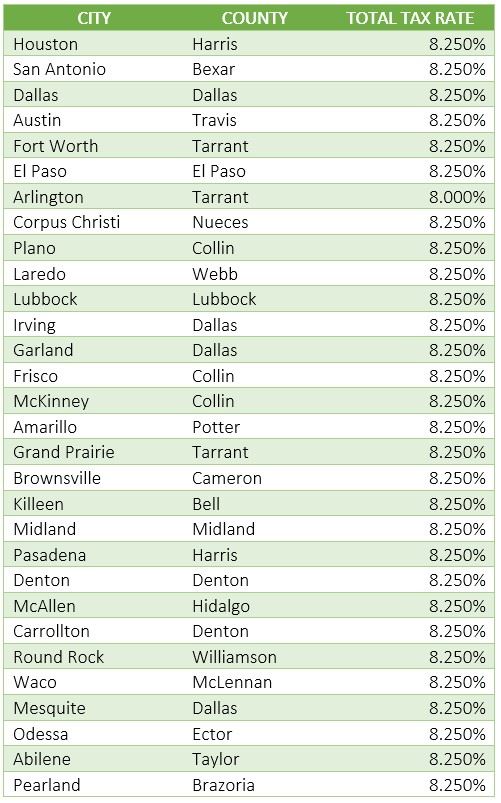
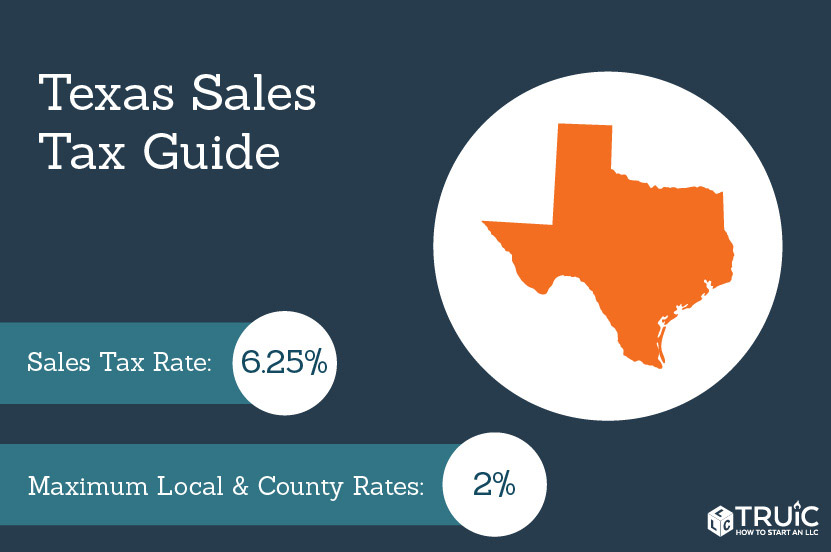
At its core, the statewide sales tax rate in Texas is 6.25%. This percentage is applied to the sale price of all taxable goods and services across the state. However, this is just the starting point. Cities, counties, special purpose districts, and transit authorities have the authority to impose their own local sales taxes on top of the state rate. These local taxes can add up to an additional 2%, bringing the combined maximum sales tax rate in some areas to 8.25%.
It’s crucial to understand that this combined rate isn’t uniform across the entire state. For instance, you might find an 8.25% rate in major metropolitan areas like Dallas or Houston, while a smaller town might only levy the state’s 6.25% or slightly more. When booking accommodation, dining out, or making purchases, it’s wise to consider the local sales tax rate applicable to that specific destination. This variable rate impacts everything from the cost of a souvenir at Space Center Houston to your meal at a restaurant on Austin’s Sixth Street. For long-term accommodation, especially in furnished apartments or extended-stay hotels, these taxes can accumulate significantly.
What is Taxable? Goods vs. Services
Generally, sales tax in Texas applies to most tangible personal property. This includes items you buy at a store, such as clothing, electronics, souvenirs, and most prepared food and drinks. However, the taxation of services can be more nuanced. Many services are exempt from sales tax, but certain services that are considered “repair,” “remodeling,” or “maintenance” of tangible personal property are taxable. For travelers, this typically means that your hotel room, rental car, and restaurant meals will have sales tax applied, but services like medical consultations or professional legal advice usually won’t. Understanding this distinction is key for both short-term visitors and those considering a more extended stay in Texas.
Sales Tax and Your Texas Travel Budget
Travelers to Texas will encounter sales tax across various expenditure categories. From booking a luxurious suite in Fort Worth to buying a simple snack on the Riverwalk in San Antonio, sales tax will be an added cost. Being aware of where and how these taxes apply can help you create a more accurate budget and avoid any surprises.
Hotel Occupancy Tax Explained
One of the most significant taxes for travelers is the Hotel Occupancy Tax (HOT). This is separate from the general sales tax and is specifically applied to the cost of hotel rooms, short-term rentals, and other types of lodging. In Texas, the state imposes a 6% Hotel Occupancy Tax. In addition to this, cities and counties can also levy their own local Hotel Occupancy Taxes, which can push the total rate much higher. For example, many major cities in Texas have total HOT rates exceeding 15% – a combination of state, city, and sometimes county or venue taxes.
This means that a $100 per night hotel room could easily cost you $115 or more after all occupancy taxes are applied, before even considering any general sales tax on incidentals or services provided by the hotel. For a week-long stay at a resort like a Hyatt Regency or a boutique hotel, this can add a substantial amount to your overall accommodation cost. It’s particularly relevant for those planning extended trips or considering different accommodation options, from a budget motel near Galveston beach to a high-end Marriott Marquis in downtown Houston. Always check the exact occupancy tax rate for your specific destination and type of accommodation when booking to ensure your budget is precise.
Dining Out and Sales Tax
Whether you’re savoring authentic Tex-Mex, indulging in world-famous barbecue, or enjoying a fine dining experience, sales tax will be added to your restaurant bill. In Texas, sales tax applies to all prepared food and beverages purchased for immediate consumption, regardless of whether you dine in, take out, or have it delivered. This includes meals at full-service restaurants, fast food establishments, coffee shops, and even packaged snacks from convenience stores if they are considered prepared food. The rate applied will be the combined state and local sales tax rate for that particular city or county, potentially up to 8.25%.
It’s important to remember that this tax applies to the total cost of your meal, including non-alcoholic beverages. Alcoholic beverages often have additional specific taxes, which are distinct from the general sales tax. For a family vacation, where dining out is a frequent occurrence, these taxes can quickly add up, affecting your daily spending and overall budget for local culture and food experiences.
Shopping for Souvenirs and Goods
No trip to Texas is complete without picking up a few souvenirs, whether it’s cowboy boots in Fort Worth, a memento from the Alamo, or unique artisanal crafts from Austin’s South Congress Avenue. Most tangible goods purchased in Texas are subject to sales tax. This includes clothing, electronics, books, gifts, and even certain packaged foods from grocery stores if they are not considered “food products” for home consumption (e.g., candy, soft drinks).
The sales tax rate will again be the combined state and local rate for where the purchase is made. For avid shoppers, especially those frequenting large shopping malls in Dallas or Houston, it’s essential to factor in this additional percentage. A significant shopping spree could see hundreds of dollars added in sales tax alone. This is particularly relevant for those considering luxury lifestyle purchases while traveling.
Rental Cars and Other Services
Renting a car is a common necessity for exploring the vast landscapes of Texas, from the scenic Hill Country to the beautiful Gulf Coast. The rental fee for a vehicle is generally subject to the combined state and local sales tax rate. Additionally, car rentals in Texas often come with various other fees and surcharges, some of which may also be taxable, such as airport concession fees or energy surcharges. It’s always best to get a clear breakdown of all charges, including taxes, when booking a rental car to avoid surprises.
Other services that travelers might use, such as guided tours, admission to certain attractions (like museums or amusement parks), and even some personal care services, can also be subject to sales tax. It’s worth noting that transportation services like bus fares or taxi rides are typically exempt from sales tax. However, specific tours or recreational activities may include the tax. Always verify the total cost, including all applicable taxes, when booking experiences and activities.
Navigating Exemptions and Special Cases
While sales tax in Texas is broadly applied, there are specific exemptions and special cases that can impact your purchases. Understanding these can sometimes lead to savings, particularly for residents or certain types of businesses, but also occasionally for travelers.
Common Exemptions for Goods and Services
Several categories of goods and services are exempt from sales tax in Texas. The most common and significant exemption for most people is unprepared food products purchased from grocery stores for home consumption. This means your groceries for cooking at an apartment rental or long-term stay accommodation are generally not taxed, while a pre-made sandwich from the same store might be. Other common exemptions include:
- Prescription drugs and many over-the-counter medicines: Essential health items are typically exempt.
- Most services: While some specific services are taxed (like certain repair services), the majority of services, such as dry cleaning, barbershops, or legal consultations, are not subject to sales tax.
- Medical devices: Items like prosthetics, wheelchairs, and other medical equipment are usually exempt.
- Water and electricity: Residential utilities are generally exempt, which is relevant for long-term accommodation where you pay utility bills directly.
For travelers, the food exemption for groceries is perhaps the most impactful, allowing for cost savings if you choose to prepare some of your meals rather than always dining out.
Specific Exemptions for Travelers (Limited)
While most exemptions cater to residents or specific business operations, there are a few scenarios where travelers might benefit. One notable aspect is the Texas Tax-Free Shopping program, which allows international visitors to receive a refund of Texas sales tax on purchases they take out of the United States. To qualify, visitors must present their passport, I-94 entry form, and purchased goods along with original receipts at a participating refund center, typically found at major airports or border towns. This program is particularly attractive for tourists from Mexico or other countries who engage in significant shopping while in Texas.
It’s important to note that this is a refund program, not an upfront exemption, and there are minimum purchase requirements and processing fees involved. For most domestic travelers, however, such specific exemptions are rare, and sales tax will apply as usual.
The Economic Impact and Planning Your Trip
Sales tax is not merely a cost; it’s a vital revenue source for the state and local governments. These funds are channeled back into public services, infrastructure, and initiatives that directly benefit both residents and visitors. For instance, a portion of the Hotel Occupancy Tax is often dedicated to promoting tourism and convention activities, improving local attractions, and funding cultural events in cities like San Antonio or Corpus Christi. This means that the sales tax you pay ultimately contributes to enhancing the very travel experiences and amenities that draw people to Texas.
Tips for Budgeting Sales Tax
- Always factor in the “up to 8.25%” rule for general sales tax: When estimating the cost of purchases, use the higher end of the range if you’re unsure of the exact local rate, especially in major cities.
- Research Hotel Occupancy Tax rates specifically: Do not assume the general sales tax rate applies to hotels. Texas HOT rates can be significantly higher (15% or more in some areas). Check the specific city’s tourism or hotel association website, or clarify with your accommodation provider directly.
- Distinguish between prepared and unprepared food: Save on groceries by purchasing unprepared food items for home cooking if your accommodation allows, as these are generally exempt.
- Keep track of large purchases: For significant items like electronics or furniture (for long-term stays), remember that sales tax will add a considerable amount to the sticker price.
- International travelers, explore tax-free shopping: If you’re visiting from abroad, research the Texas Tax-Free Shopping program to potentially reclaim sales tax on eligible purchases.
- Use budgeting apps or spreadsheets: Incorporate sales tax estimates into your daily spending plan for meals, shopping, and activities.
- Consider package deals: Sometimes, travel packages might bundle services in a way that some taxes are less apparent, but it’s still crucial to ask for a full cost breakdown.
Comparing Texas to Other States
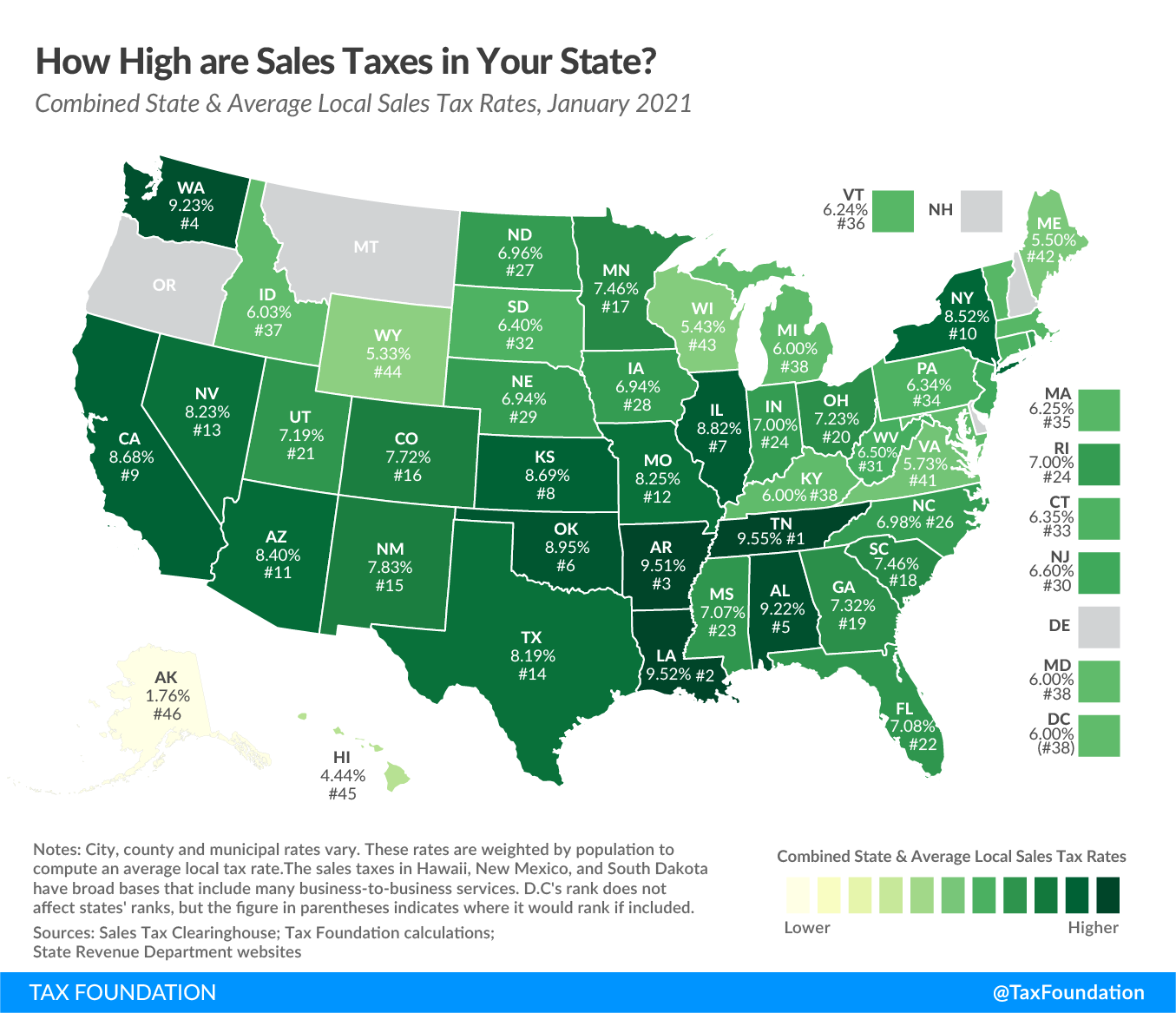
Texas’s sales tax rate is generally comparable to or slightly above the national average for states with sales tax. Neighboring states like Louisiana and Arkansas often have higher combined rates, while New Mexico and Oklahoma might have similar or slightly lower rates depending on the locality. States with no state sales tax (e.g., Delaware, Montana, New Hampshire, Oregon) offer a different cost dynamic, though they often compensate with higher property or income taxes. Understanding where Texas stands in this comparison can help travelers coming from or going to other states manage expectations.
Conclusion: Planning for a Seamless Texas Experience
Navigating the sales tax landscape in Texas is an integral part of planning any visit, whether it’s for a weekend getaway, an extended vacation, or even a business stay. From the base state sales tax of 6.25% to the potential for an 8.25% combined local rate, and the separate, often higher, Hotel Occupancy Tax, these percentages add up. By understanding what’s taxable, recognizing key exemptions, and leveraging practical budgeting tips, you can ensure that financial surprises don’t detract from your enjoyment of everything the Lone Star State has to offer. Whether you’re exploring the historical depths of the Alamo, relaxing on the beaches of South Padre Island, or immersing yourself in the vibrant arts scene of the Dallas Arts District or Houston’s Museum District, being tax-savvy will contribute to a smoother and more enjoyable Texas adventure. Happy travels!
LifeOutOfTheBox is a participant in the Amazon Services LLC Associates Program, an affiliate advertising program designed to provide a means for sites to earn advertising fees by advertising and linking to Amazon.com. Amazon, the Amazon logo, AmazonSupply, and the AmazonSupply logo are trademarks of Amazon.com, Inc. or its affiliates. As an Amazon Associate we earn affiliate commissions from qualifying purchases.