
The allure of encountering a creature as majestic and enigmatic as the Florida Panther draws nature enthusiasts and adventurous travelers to the subtropical wilderness of Florida. As a critically endangered subspecies of puma, Puma concolor coryi, its elusive nature makes it one of the most sought-after wildlife sightings in the United States. Understanding where these magnificent big cats reside is the first step in appreciating their significance, planning an eco-conscious trip, and even contributing to their survival. This guide delves into the panther’s historical and current range, highlighting key locations for potential observation, and offering advice for responsible tourism in their delicate habitats.

The Elusive Domain of the Florida Panther
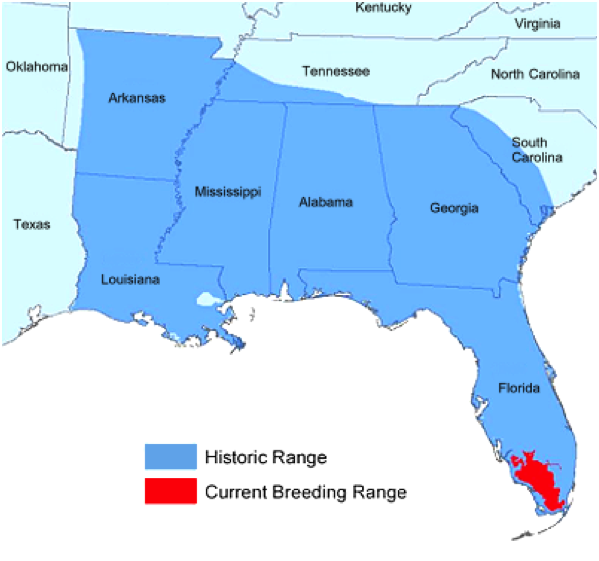
Once roaming across much of the Southeast United States, the Florida Panther’s territory has drastically shrunk due to habitat loss and fragmentation. Today, the vast majority of the estimated 120-230 panthers inhabit a relatively small, but incredibly vital, region of South Florida. This stronghold is a mosaic of protected lands, including vast swamps, dense forests, and pinelands, primarily concentrated within the Greater Everglades ecosystem.
Historical Range vs. Current Strongholds
Historically, the range of the Florida Panther extended from eastern Texas and Arkansas across Louisiana, Mississippi, Alabama, Georgia, South Carolina, and throughout Florida. European settlement, followed by agricultural expansion, logging, and urban development, progressively fragmented and destroyed their habitat, leading to a dramatic decline in their population. By the mid-20th century, the Florida Panther was believed to be nearly extinct, with only a small, isolated population clinging to survival in the remotest corners of South Florida.
Thanks to dedicated conservation efforts that began in the 1970s, the population has seen a modest rebound, though they remain critically endangered. Their primary breeding population is now found almost exclusively south of the Caloosahatchee River, with some transient males venturing north. This concentrated core habitat is where travelers have the highest, albeit still very slim, chance of experiencing the wild beauty of these magnificent animals.
Key Geographical Areas
The heart of Florida Panther territory is located in the southwestern portion of the state, encompassing parts of Collier County, Lee County, and Hendry County. Several large, interconnected preserves and parks form the backbone of their existence:
-
Everglades National Park: As one of the largest wetlands in the world and a UNESCO World Heritage Site, the Everglades offers expansive, untouched wilderness. While panthers certainly utilize the park, their vast territories mean they are spread thin across its immense landscape. The remoteness makes direct sightings extremely rare.
-
Big Cypress National Preserve: Directly north of Everglades National Park, Big Cypress is often considered the most crucial stronghold for the Florida Panther. Its mosaic of cypress swamps, pinelands, and prairies provides ideal hunting grounds for deer and wild hogs, the panther’s primary prey. The preserve is managed by the National Park Service and is more accessible in certain areas, particularly along U.S. Highway 41 (Tamiami Trail) and Interstate 75 (Alligator Alley).
-
Florida Panther National Wildlife Refuge: Established specifically for the protection of the Florida Panther, this refuge covers over 26,000 acres in Collier County. Managed by the U.S. Fish and Wildlife Service, it represents critical habitat for breeding, feeding, and dispersal. Access for visitors is limited to designated hiking trails and observation points to minimize disturbance to the wildlife.
-
Fakahatchee Strand Preserve State Park: Known as “the Amazon of North America” due to its incredible biodiversity and deep cypress swamps, Fakahatchee Strand is another vital piece of the panther puzzle. It boasts a stunning collection of native orchids and offers boardwalks and tram tours, providing a unique way to experience a panther’s potential hunting grounds.
-
Corkscrew Swamp Sanctuary: While primarily known for its ancient bald cypress forest and abundant birdlife, Corkscrew Swamp Sanctuary, managed by the National Audubon Society, is adjacent to panther habitat and serves as an important ecological corridor. While a direct panther sighting is rare, it offers a glimpse into the rich ecosystem that sustains them.
These protected lands, along with several other state forests and private conservation lands like the Okaloacoochee Slough State Forest, form a contiguous network crucial for the panther’s survival and future expansion.
Experiencing Florida Panther Habitats: Ecotourism and Conservation
While the dream of spotting a Florida Panther in the wild is powerful, it’s important to approach such aspirations with realistic expectations and a strong commitment to responsible ecotourism. Panther sightings are exceedingly rare, even for experienced biologists, due to their solitary, nocturnal nature and camouflage. However, visiting their habitats offers a profound connection to Florida’s unique wilderness and supports the very efforts that help these animals thrive.
Prime Locations for Wildlife Viewing (with caveats)
For those hoping to immerse themselves in panther country, focusing on the larger preserves offers the best chance of simply being in their territory.
- Big Cypress National Preserve: Drive Scenic Loop Road or explore designated trails during dawn or dusk. These are typically the most active times for panthers, though they are still incredibly elusive. Visitor centers often have information about recent sightings (usually via remote cameras) and educational exhibits.
- Florida Panther National Wildlife Refuge: While access is limited, the refuge offers a short loop trail, the Wildlife Drive, and a few hiking trails. These allow visitors to experience the panther’s preferred habitats, enhancing appreciation for their environment.
- Fakahatchee Strand Preserve State Park: Consider joining a guided swamp walk or tram tour. Experienced guides can point out signs of wildlife, including potential panther tracks or scat, and provide valuable insights into the ecosystem.
Remember, the goal of visiting these areas should be to appreciate the entire ecosystem. You are much more likely to see a diverse array of other fascinating wildlife, such as alligators, various bird species (including wading birds and raptors), black bears, and white-tailed deer, all of which are part of the panther’s natural world.
Responsible Tourism and Supporting Conservation
When traveling to Florida Panther country, mindful and responsible tourism is paramount.
- Respect Wildlife and Their Space: Never attempt to approach any wild animal. Observe from a distance using binoculars.
- Stay on Marked Trails: Venturing off-trail can disturb delicate habitats, disrupt wildlife, and even put yourself at risk.
- “Leave No Trace” Principles: Pack out everything you pack in. Do not litter.
- Minimize Noise and Light Pollution: Especially during dawn and dusk, keep noise levels down and avoid bright lights that could disturb nocturnal animals.
- Support Conservation Organizations: Many non-profits and government agencies work tirelessly to protect the Florida Panther. Donations or volunteer work can directly contribute to their survival.
- Be Aware of Vehicle Collisions: Road mortality is a significant threat to panthers. Drive slowly and attentively, especially at night and in areas marked with Panther Crossing Zones or panther warning signs.
By adhering to these guidelines, visitors can ensure their travel leaves a positive impact on the environment and the endangered species it harbors.
Planning Your Trip: Accommodation and Travel Tips
Embarking on a journey to explore the habitats of the Florida Panther requires thoughtful planning, especially concerning accommodation and transportation. The region is rich with options, from bustling city hubs to secluded eco-lodges, catering to various travel styles and budgets.
Lodging Near Panther Habitats
Since the primary panther habitats are remote wilderness areas, lodging will typically be found in nearby towns and cities.
- Naples and Fort Myers: These cities in Southwest Florida serve as excellent bases for exploring panther country. Naples offers a range of luxurious resorts, boutique hotels, and vacation rentals, many with amenities like pools, spas, and fine dining. It provides easy access to the western edges of Big Cypress, Fakahatchee Strand, and Corkscrew Swamp Sanctuary. Fort Myers offers a slightly more budget-friendly array of hotels and resorts, perfect for family trips or those seeking a more relaxed pace.
- Miami and Fort Lauderdale: On the eastern side, these vibrant metropolitan areas can serve as gateways, particularly if you’re flying into South Florida. From here, you can easily drive west along Interstate 75 (Alligator Alley) into the heart of the Everglades and Big Cypress. Accommodation here ranges from opulent beachfront resorts to charming boutique hotels and practical extended-stay apartments.
- Immokalee, Everglades City, and Ochopee: For a more rustic and immersive experience, consider smaller towns closer to the preserves. Options here are more limited, often including simple motels, charming bed and breakfasts, or even camping within designated areas of Big Cypress or Everglades National Park. These locations offer a unique opportunity to connect with local culture and the frontier spirit of the Everglades. Camping in these areas is a fantastic budget travel option and places you right in the midst of nature, albeit with necessary precautions for wildlife.
When choosing accommodation, look for places that align with sustainable tourism practices. Many eco-lodges and resorts in Florida are committed to environmental stewardship, which complements the goal of supporting panther conservation.
Navigating the Everglades and Southwest Florida
A car is essential for exploring Florida Panther territory. The distances between parks and points of interest can be considerable, and public transportation is non-existent in these wilder regions.
- Roads: The main arteries are U.S. Highway 41 (Tamiami Trail) and Interstate 75 (Alligator Alley), which cut through parts of the Everglades and Big Cypress. These roads are flanked by beautiful scenery and offer glimpses of the vast wetlands. Be extra vigilant when driving, especially at dawn, dusk, and night, due to the presence of panthers and other wildlife.
- Visitor Centers: Start your visit at the visitor centers of Everglades National Park, Big Cypress National Preserve, or the Florida Panther National Wildlife Refuge. Park rangers can provide the latest information on trail conditions, wildlife activity, and safety protocols.
- Guided Tours: Consider booking guided airboat tours (in approved areas), swamp buggies, or interpretive walks led by experienced naturalists. These tours offer safe and informative ways to navigate the landscape and learn about its ecosystem, often with insights into the Seminole and Miccosukee cultures that have long coexisted with this environment.
Preparing for Florida’s subtropical climate is also crucial: bring plenty of water, insect repellent, sun protection, and appropriate clothing for hiking and potentially wet conditions. The best time to visit is during the dry season (November to April) when temperatures are cooler and insects are less prevalent, making for a more comfortable experience in the panther’s domain.
Understanding the Florida Panther: A Species in Peril
The story of the Florida Panther is one of resilience and a testament to the importance of human intervention in protecting endangered species. Its location is not just a geographical point but a reflection of the intense struggle for survival in the face of an expanding human footprint.
Threats and Conservation Successes
The primary threats to the Florida Panther include:
- Habitat Loss and Fragmentation: Continued development, especially in Southwest Florida, shrinks and isolates panther habitats.
- Road Mortality: Collisions with vehicles are the leading cause of panther deaths, particularly along major highways like Interstate 75 and U.S. Highway 41.
- Genetic Inbreeding: Historically, the small, isolated population suffered from severe inbreeding, leading to health problems.
- Prey Depletion: Reduction in prey species, primarily white-tailed deer and wild hogs, can impact panther populations.
- Disease and Toxins: Exposure to diseases and environmental toxins poses additional risks.
Despite these challenges, significant conservation successes have been achieved. The most notable was the genetic restoration project in 1995, where eight female pumas from Texas were introduced into the Florida population. This intervention successfully reversed the decline caused by inbreeding, leading to an increase in population numbers and overall health. Furthermore, land acquisition, the construction of wildlife crossings on major roads, and public education campaigns by organizations like the Florida Fish and Wildlife Conservation Commission and the U.S. Fish and Wildlife Service continue to be vital. The designation of large tracts of land as national parks, preserves, and refuges is the cornerstone of the panther’s continued existence.

The Panther’s Role in Florida’s Ecosystem
As an apex predator, the Florida Panther plays a crucial role in maintaining the health and balance of its ecosystem. By preying on herbivores like deer and hogs, panthers help regulate their populations, preventing overgrazing and the spread of disease. This, in turn, allows for healthier vegetation and a more diverse array of other species. The presence of a thriving panther population is an indicator of a healthy Everglades ecosystem, reflecting the success of broader conservation efforts.
Protecting the Florida Panther extends beyond just one species; it safeguards the entire web of life within South Florida’s unique wetlands and forests. For travelers interested in nature, landmarks, and responsible tourism, understanding the panther’s location and its story is not just about a destination; it’s about connecting with a critical piece of America’s natural heritage and becoming an advocate for its future.
In conclusion, while spotting a Florida Panther remains a rare privilege, the journey through their habitats in Southwest Florida offers an unparalleled adventure. It’s an opportunity to explore breathtaking landscapes, witness diverse wildlife, and contribute to the ongoing efforts to ensure these magnificent cats continue to roam wild for generations to come. Whether you opt for luxury travel in Naples, a family trip exploring the visitor centers, or budget camping under the Florida stars, your visit supports the very essence of ecotourism and conservation.
LifeOutOfTheBox is a participant in the Amazon Services LLC Associates Program, an affiliate advertising program designed to provide a means for sites to earn advertising fees by advertising and linking to Amazon.com. Amazon, the Amazon logo, AmazonSupply, and the AmazonSupply logo are trademarks of Amazon.com, Inc. or its affiliates. As an Amazon Associate we earn affiliate commissions from qualifying purchases.