
Nestled in the high desert landscape of the Southwest United States, Santa Fe, New Mexico, holds a unique charm, not least because of its impressive elevation. Often referred to as “The City Different,” Santa Fe is renowned for its rich history, vibrant arts scene, distinct Pueblo-style architecture, and its stunning natural surroundings. But for many travelers, the city’s altitude is a primary consideration that shapes their entire experience, from how they feel physically to the kind of activities they can comfortably enjoy. Understanding Santa Fe’s elevation is not merely a matter of trivia; it’s a crucial piece of information for planning a healthy, enjoyable, and unforgettable trip to this enchanting destination.
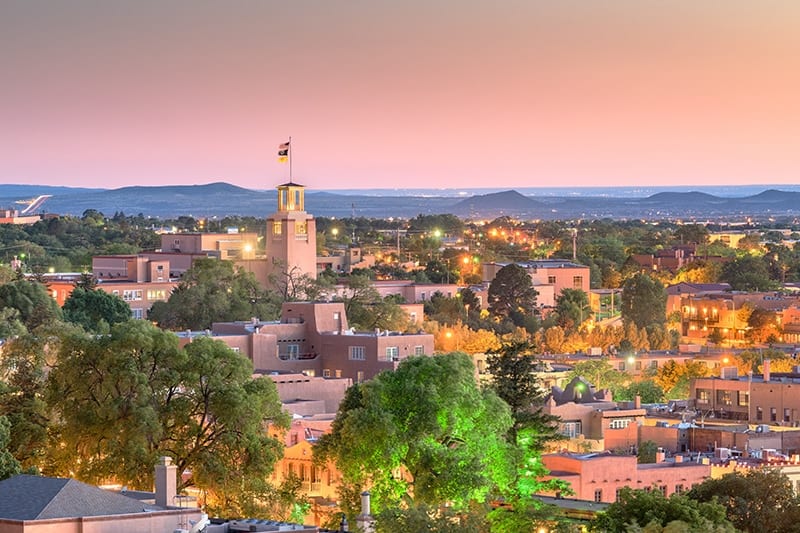
So, what is the precise elevation of Santa Fe? The city’s official elevation is 7,199 feet (2,194 meters) above sea level. This makes it the highest state capital in the United States. This significant altitude places Santa Fe squarely in a high desert environment, influencing everything from its arid climate and distinct weather patterns to the types of flora and fauna that thrive here. For visitors coming from lower elevations, this can present a unique set of challenges and opportunities, making preparedness key to maximizing your travel experience. From choosing the right accommodation with suitable amenities to planning your daily itinerary, acknowledging and respecting Santa Fe’s elevation is the first step towards a truly memorable adventure.
The High Desert Setting: Unpacking Santa Fe’s Unique Elevation
Santa Fe’s elevation of 7,199 feet isn’t just a number; it’s a defining characteristic of the city’s geography and atmosphere. Situated at the foot of the majestic Sangre de Cristo Mountains, which are the southernmost subrange of the Rocky Mountains, Santa Fe benefits from breathtaking vistas and a distinct four-season climate. This elevated position means thinner air, which translates to lower oxygen levels compared to sea level. While this is rarely a severe issue for most healthy individuals, it’s something every visitor should be aware of, particularly during their first day or two.
The high desert environment contributes to Santa Fe’s unique appeal, offering clear, crisp air and an abundance of sunshine year-round. The lower humidity levels, typical of desert climates, mean that even warm temperatures feel more comfortable than in humid regions. However, this also implies a greater risk of dehydration. The thin air combined with abundant sunshine leads to intense UV radiation, necessitating diligent use of sunscreen and protective clothing. Winters, while often sunny, can be quite cold, with significant snowfall in the surrounding mountains, providing opportunities for winter sports like skiing at nearby resorts such as Ski Santa Fe.
Understanding this geographical context is vital for appreciating Santa Fe not just as a cultural hotspot but also as a natural wonder. The elevation contributes to the dramatic sunsets and starry nights that define the region, offering a serene backdrop for exploring ancient traditions and modern artistic expressions. It influences the types of outdoor activities available, from hiking and mountain biking in warmer months to snowshoeing and skiing in winter. For travelers seeking an immersive experience, embracing the unique environmental conditions is part of what makes Santa Fe so special.
Climate and Weather Patterns at High Altitude
The high elevation significantly dictates Santa Fe’s climate. The city experiences distinct seasons, each offering a different facet of its beauty. Summers are warm and dry, often punctuated by afternoon monsoon showers in July and August, which can bring dramatic thunderstorms and cool down the air. These showers are a welcome relief and contribute to the vibrant greenery that emerges in late summer. Daytime temperatures can reach into the 80s Fahrenheit (27-32°C), but evenings cool down considerably, making it pleasant for outdoor dining and stargazing.
Spring and autumn are generally mild and sunny, with crisp air and brilliant blue skies. Fall, in particular, is a spectacular time to visit, as the aspens in the Sangre de Cristo Mountains turn golden, offering breathtaking scenic drives and hiking opportunities. Winters are cold, with average daytime temperatures in the 40s Fahrenheit (4-9°C), often dropping below freezing at night. While the city itself may not see heavy snowfall, the surrounding mountains receive ample amounts, creating ideal conditions for winter sports. The high desert’s intense sunshine means that even on cold days, the sun can feel warm, contributing to the invigorating atmosphere. Understanding these weather patterns helps in packing appropriately and planning activities to make the most of your visit.
Navigating the Altitude: Tips for Travelers
For visitors unaccustomed to high altitudes, Santa Fe’s elevation can sometimes lead to mild symptoms of altitude sickness, commonly known as Acute Mountain Sickness (AMS). These symptoms can include headaches, nausea, dizziness, fatigue, and shortness of breath. While usually not severe, they can certainly detract from your travel experience. Fortunately, with a few simple precautions, most travelers can acclimate comfortably and enjoy all that Santa Fe has to offer. Preparation is key to ensuring a smooth transition and a pleasant stay.
Acclimatization Strategies
The most important advice for arriving in Santa Fe is to take it easy during your first 24-48 hours. Avoid strenuous physical activity, even if you feel energetic. Allow your body time to adjust to the reduced oxygen levels. This means foregoing that intense hike or long bike ride immediately upon arrival. Instead, opt for leisurely strolls around the Santa Fe Plaza or a visit to a museum. Gradual acclimatization is far more effective than trying to push through. Many people find that arriving late in the day and getting a good night’s rest helps significantly. If you’re driving, consider breaking up your journey with an overnight stop at a slightly lower elevation if coming from very low areas.
Hydration and Health
Staying well-hydrated is perhaps the most crucial factor in preventing and mitigating altitude sickness. The dry air at Santa Fe’s elevation can cause you to dehydrate more quickly than you might expect. Drink plenty of water throughout the day, even if you don’t feel particularly thirsty. It’s recommended to consume more water than your usual intake. Avoid excessive alcohol consumption, especially during your first few days, as alcohol can exacerbate dehydration and altitude sickness symptoms. Similarly, limit caffeine intake, as it can also contribute to dehydration. Eating light, balanced meals and avoiding heavy, greasy foods can also aid your body’s adjustment process. If you have pre-existing health conditions, especially respiratory or cardiac issues, it’s wise to consult your doctor before traveling to a high-altitude destination like Santa Fe. They may recommend specific precautions or medications.
Physical Activities at Altitude
Once you’ve acclimatized, you’ll be ready to explore Santa Fe’s incredible outdoor offerings. However, always remember that physical exertion will feel more challenging at 7,199 feet. Even routine activities like walking uphill can leave you feeling winded sooner than at sea level. Start any physical activity slowly and gradually increase intensity. Listen to your body and don’t push yourself too hard. If you plan to hike in the Sangre de Cristo Mountains, be aware that trails will gain even more elevation, further reducing oxygen levels. Carry extra water, snacks, and layers of clothing, as weather conditions can change rapidly in the mountains. Sun protection, including hats, sunglasses, and high-SPF sunscreen, is essential due to the intense UV radiation at this altitude.
Planning Your Stay: Accommodation and Logistics in High Altitudes
Choosing the right accommodation and planning your itinerary thoughtfully are vital for a comfortable and enjoyable trip to Santa Fe, especially when considering its elevation. The city offers a diverse range of options, from luxury resorts and boutique hotels to charming bed and breakfasts and long-term rental apartments, catering to various travel styles and budgets. When browsing hotels, consider factors that might enhance your comfort at altitude.
Choosing the Right Accommodation
Many hotels in Santa Fe are built with comfort in mind, offering amenities that can be particularly beneficial for travelers adjusting to the elevation. Look for hotels with humidifiers in rooms, or inquire if they can be provided upon request, as the dry air can be harsh on respiratory systems. Some luxury establishments, like the Four Seasons Resort Rancho Encantado Santa Fe or the Rosewood Inn of the Anasazi, may even offer oxygen canisters for guests experiencing significant discomfort, though this is rare. Historic hotels such as La Fonda on the Plaza or the Inn and Spa at Loretto provide a blend of comfort and cultural immersion. For budget travelers, options like the Drury Plaza Hotel Santa Fe offer convenience and value. When reading reviews, pay attention to comments regarding comfort levels and any amenities that aid in altitude adjustment.
Booking and Reviews
Utilizing online booking platforms and review sites is crucial for finding the perfect stay. Filter by amenities such as in-room humidifiers, air conditioning (for summer visits), and spa services that can help you relax and recover. Reviews often contain invaluable insights from previous guests regarding their experiences with the hotel’s comfort, service, and even tips on managing altitude. Comparing options based on location is also important; while most of Santa Fe is walkable, being close to the Santa Fe Plaza or specific attractions can minimize strenuous walking, especially during your initial acclimatization period. Booking in advance is always recommended, particularly during peak seasons like summer, fall, and around major festivals.
Long-Term Stays and Digital Nomad Life
For those considering a longer visit or a digital nomad experience in Santa Fe, the city offers numerous advantages, from its inspiring artistic community to its vibrant local culture. Long-term accommodation options include furnished apartments, guesthouses, and vacation rentals, which can provide a more home-like environment. These often come with fully equipped kitchens, allowing you to prepare your own meals, which can be a cost-effective and health-conscious choice, particularly helpful when adapting to altitude. For extended stays, you’ll have ample time to acclimatize fully and immerse yourself in the local lifestyle, discovering hidden gems beyond the main tourist attractions. The city’s relatively small size and welcoming atmosphere make it an attractive option for those looking to temporarily relocate and explore a unique part of the United States.
Beyond the Numbers: How Elevation Shapes the Santa Fe Experience
The elevation of Santa Fe contributes significantly to its unique character, influencing not only the natural environment but also its local culture, architectural style, and even its culinary traditions. It’s an integral part of what makes “The City Different” so captivating for travelers. The quality of light, the distinct landscapes, and the historical adaptations to living at this altitude all play a role in shaping the immersive travel experience that Santa Fe offers.
Architectural Adaptations and Cultural Heritage
The traditional Pueblo Revival architecture, characterized by its earthy tones, rounded edges, and flat roofs, is inherently tied to the high desert environment. These structures, inspired by ancient Pueblo dwellings, are designed to naturally regulate temperature, staying cool in the hot, sunny days and retaining warmth during cool nights. Walking through the historic district, you’ll see these design principles beautifully preserved in landmarks like the Palace of the Governors on the Santa Fe Plaza, the Loretto Chapel with its miraculous staircase, and the St. Francis Cathedral Basilica. The high altitude also means clear skies, making outdoor plazas and courtyards central to the city’s social life, providing spaces for art markets, festivals, and community gatherings. The cultural heritage, a blend of Native American, Spanish, and Anglo influences, has thrived in this unique setting for centuries, adapting to and celebrating the landscape.
Culinary Delights and Local Flavors
Santa Fe’s culinary scene is as rich and diverse as its cultural tapestry, with influences from its high desert surroundings. New Mexican cuisine, famous for its use of red and green chile, thrives here. The region’s unique climate and soil conditions, influenced by the elevation, contribute to the distinctive flavors of local produce. While not directly linked to elevation, the slower cooking times for boiling at high altitudes are a practical consideration for local chefs and home cooks. Many restaurants in Santa Fe prioritize locally sourced ingredients, reflecting a connection to the land. From fine dining establishments serving contemporary Southwestern dishes to casual eateries specializing in traditional New Mexican fare, the food scene offers a delicious exploration of the region’s heritage. Don’t forget to try a traditional green chile cheeseburger or a bowl of posole.
Exploring Santa Fe’s Landmarks and Natural Wonders
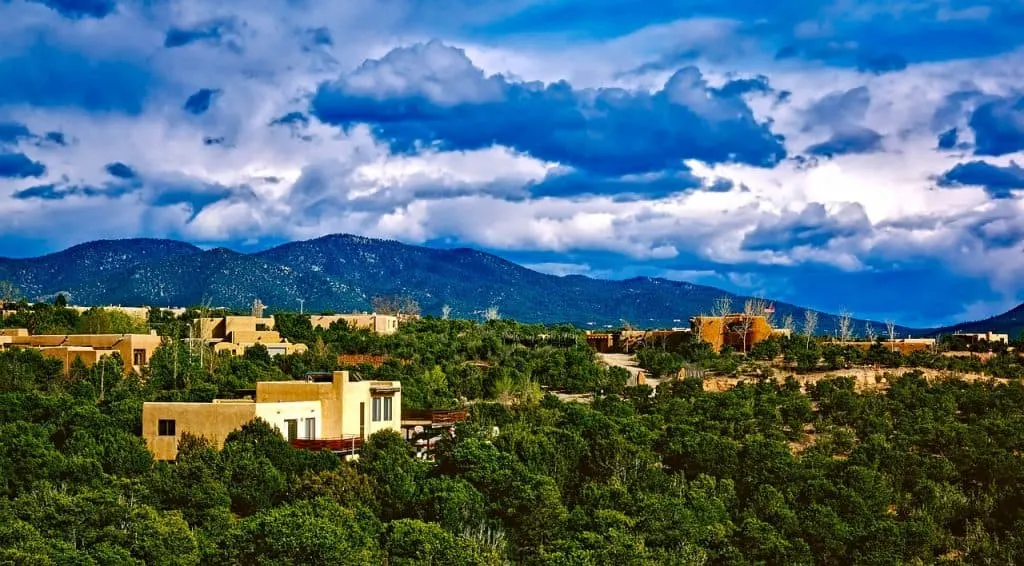
The elevation also positions Santa Fe as a gateway to stunning natural wonders and significant landmarks. Beyond the city center, which boasts attractions like the Georgia O’Keeffe Museum, Canyon Road‘s art galleries, and the immersive experience of Meow Wolf Santa Fe, the surrounding landscape invites exploration. The Sangre de Cristo Mountains offer endless hiking trails, opportunities for mountain biking, and in winter, excellent skiing at Ski Santa Fe.
Further afield, the high desert plateau stretches out to embrace national monuments and historical sites. Bandelier National Monument, just an hour’s drive away, features ancient cliff dwellings and pueblo sites, offering a glimpse into the lives of early Ancestral Pueblo people. While Chaco Culture National Historical Park is a bit further, its incredible ancestral sites provide an even deeper connection to the region’s ancient past. Traveling to nearby towns like Taos, also at a high elevation, offers more cultural immersion and stunning scenic drives. These outdoor adventures and historical explorations are deeply intertwined with the high desert setting, making the elevation an integral part of the discovery.
In conclusion, Santa Fe’s elevation of 7,199 feet above sea level is far more than a geographical statistic. It is a fundamental characteristic that defines the city’s climate, influences its architecture, shapes its unique cultural identity, and impacts the travel experience for every visitor. By understanding and respecting this high-altitude environment, travelers can better prepare for their journey, ensuring a comfortable acclimatization, an enriched exploration of its vibrant history and art, and a profound appreciation for the stunning natural beauty that surrounds this remarkable New Mexican capital. Whether you’re seeking luxury accommodation, an adventurous outdoor excursion, or a deep dive into local culture and cuisine, Santa Fe’s elevation sets the stage for a truly unforgettable travel experience.
LifeOutOfTheBox is a participant in the Amazon Services LLC Associates Program, an affiliate advertising program designed to provide a means for sites to earn advertising fees by advertising and linking to Amazon.com. Amazon, the Amazon logo, AmazonSupply, and the AmazonSupply logo are trademarks of Amazon.com, Inc. or its affiliates. As an Amazon Associate we earn affiliate commissions from qualifying purchases.