
Florida, often affectionately known as the “Sunshine State,” stands as a vibrant testament to growth, diversity, and an unparalleled appeal to both residents and visitors alike. Its shimmering coastlines, world-renowned theme parks, and rich cultural tapestry have long drawn individuals seeking everything from a tranquil retirement to an exhilarating family vacation. But beyond the allure of its famous attractions and pristine beaches lies a fundamental question that underscores much of its dynamic character: What is the population of Florida, USA?
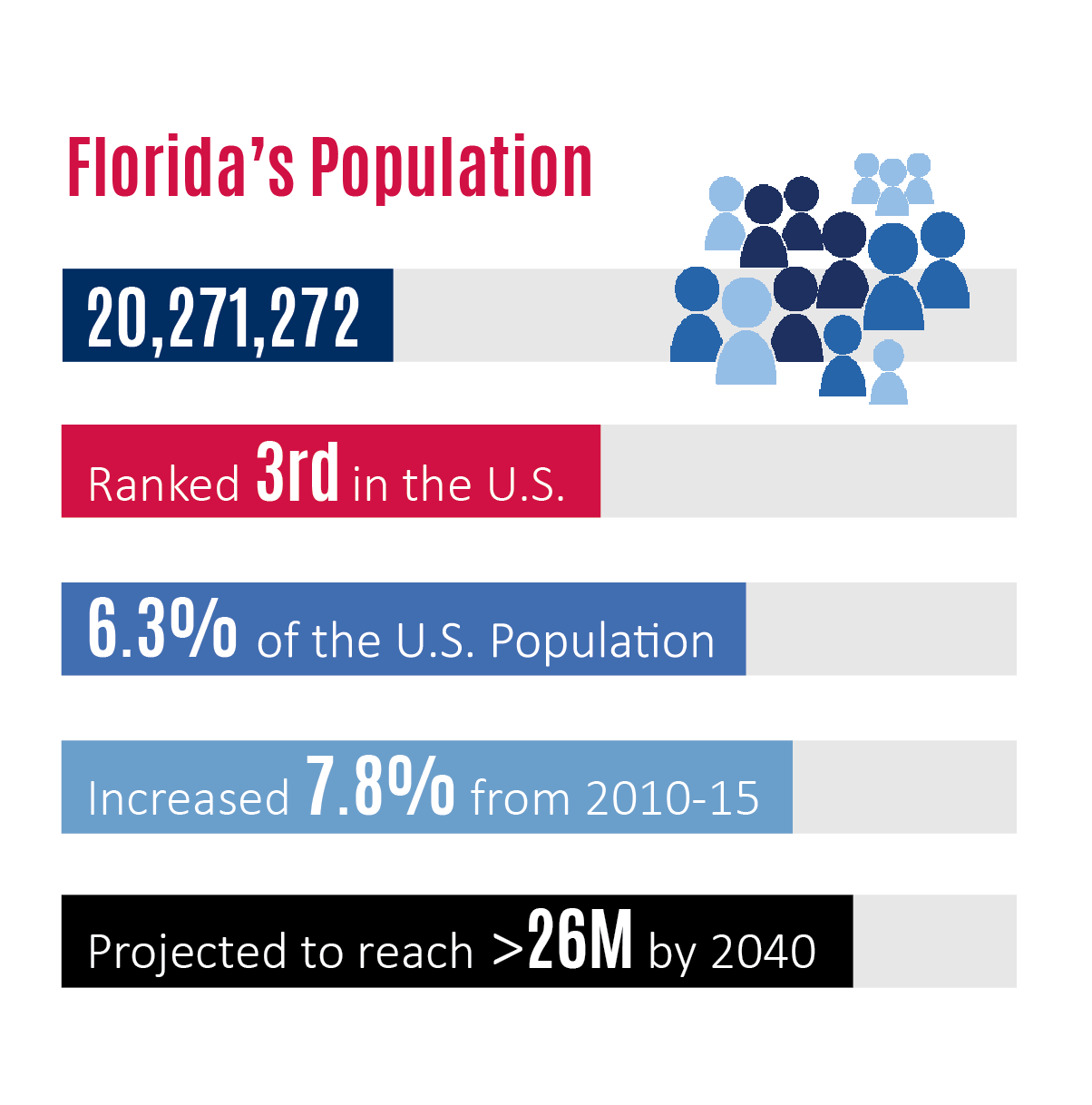
Understanding Florida’s population is not merely about a number; it’s about comprehending the driving force behind its economic vitality, the constant evolution of its tourism landscape, the burgeoning demand for diverse accommodation options, and the unique lifestyle it offers. As of recent estimates (typically derived from the U.S. Census Bureau), Florida’s population hovers around 22.6 million to 23 million residents, firmly establishing it as the third most populous state in the United States, trailing only California and Texas. This impressive figure is a dynamic one, continuously growing year after year, largely fueled by a consistent influx of new residents seeking the state’s economic opportunities, favorable climate, and vibrant lifestyle. This ever-expanding demographic profoundly influences every facet of life in the state, from its sprawling urban centers to its quaint coastal towns, directly impacting the travel industry, hospitality sector, and local culture.
Florida’s Dynamic Demographics: A Magnet for Growth and Diversity
Florida’s rapid population ascent is one of the most compelling stories of modern American demographic shifts. It’s not just the sheer volume of people but the diverse mosaic they form that truly defines the state. This growth is a complex interplay of natural increase and, most significantly, net migration, as people from other U.S. states and international destinations choose to call Florida home.
Understanding Florida’s Population Statistics
The journey of Florida’s population growth has been remarkable. From a relatively small state in the mid-20th century, it has exploded into a global economic and cultural powerhouse. The approximately 22.6 to 23 million residents are spread across a vast and geographically varied landscape. Major metropolitan areas like Miami, Orlando, Tampa, and Jacksonville serve as epicenters of this growth, acting as magnets for employment, education, and entertainment.
Factors driving this sustained growth are numerous. Economic incentives, such as no state income tax, play a significant role. The year-round warm climate is a major draw for retirees seeking to escape harsher northern winters and for families desiring an outdoor-centric lifestyle. Furthermore, Florida’s robust job market, particularly in sectors like tourism, hospitality, healthcare, and technology, attracts a diverse workforce. This continuous influx necessitates constant development in infrastructure, housing, and public services, creating a ripple effect across all industries, notably invigorating the accommodation and travel sectors.
The Diverse Tapestry of Florida Residents
What makes Florida’s population truly fascinating is its incredible diversity. It’s a melting pot of cultures, ages, and backgrounds, making it one of the most multicultural states in the USA.
- Age Demographics: Florida is widely known as a retirement haven, attracting a substantial senior population that contributes significantly to its economy and lifestyle, particularly in areas like Sarasota, Naples, and along the coasts. However, it’s equally appealing to young professionals and families, especially in cities like Orlando and Tampa, drawn by job opportunities and family-friendly attractions. This demographic balance creates a unique blend of quiet communities and bustling urban centers.
- Ethnic and Cultural Diversity: The state’s proximity to Latin America and the Caribbean has fostered a vibrant Hispanic and Latino population, particularly evident in Miami, where Cuban, Venezuelan, and other Latin American cultures infuse the city with a unique energy, cuisine, and language. Beyond this, communities from all corners of the globe have found a home in Florida, enriching the local culture, food scene, and overall experiences available to both residents and tourists. This multicultural richness is a significant draw for experiential travel, allowing visitors to explore diverse culinary landscapes, art scenes, and cultural festivals.
Population Growth and Its Impact on Travel and Tourism
The sheer scale and continuous growth of Florida’s population are intrinsically linked to its status as a global tourism titan. A larger resident base not only means a bigger workforce for the tourism industry but also a greater demand for services, infrastructure, and amenities that ultimately enhance the visitor experience.
Popular Destinations and Tourist Influx
The concentration of people in Florida’s major cities naturally correlates with the density of its most iconic tourist destinations. Orlando, the theme park capital of the world, is home to Walt Disney World Resort and Universal Studios Florida, drawing millions annually. These colossal attractions require an enormous local workforce and supporting infrastructure, which a large resident population readily provides. The continuous development in Orlando is a direct response to both resident needs and tourist demand.
Similarly, Miami thrives on its vibrant urban culture, stunning beaches like South Beach, and world-class nightlife. The city’s cosmopolitan atmosphere is a direct reflection of its diverse population, making it a hotspot for luxury travel, art, fashion, and culinary tourism. Other significant destinations like Tampa, with attractions such as Busch Gardens Tampa Bay, Fort Lauderdale, known for its canals and boating, and historic St. Augustine, the nation’s oldest city, all benefit from a robust local population that sustains services and adds to the authentic charm tourists seek.
The Role of Infrastructure and Accommodation
Population growth is a powerful catalyst for the development of crucial infrastructure. Florida’s major airports, such as Orlando International Airport and Miami International Airport, are among the busiest in the world, continuously expanding to accommodate both residents and tourists. Roads, public transportation, and utilities are constantly being upgraded to handle the increasing volume, making travel within the state more accessible and efficient.
Perhaps no sector is more directly impacted than accommodation. The demand generated by both residents (for short-term stays, family visits, or investment properties) and tourists has led to an explosion in lodging options. From opulent five-star resorts like The Ritz-Carlton, Amelia Island and Four Seasons Resort Orlando at Walt Disney World Resort to budget-friendly chains such as Holiday Inn Express and [Motel 6], Florida offers an unparalleled variety. The rise of vacation rentals, villas in Kissimmee, and apartments in Fort Lauderdale caters to long-term stays, family trips, and those seeking a more authentic, local experience. This diverse range ensures that every traveler, regardless of their budget or preference, can find suitable lodging, further solidifying Florida’s reputation as a premier destination.
Lifestyle and Economic Vibrancy Driven by Population Trends
The sheer size and ongoing expansion of Florida’s population don’t just shape its tourism; they define its unique lifestyle and fuel an incredibly dynamic economy. This intersection of resident needs and visitor desires creates a vibrant ecosystem where travel experiences, local culture, and economic opportunities thrive hand-in-hand.
Florida’s Diverse Lifestyles and Attractions
Florida isn’t a monolithic state; it’s a collection of distinct regions, each offering a unique lifestyle shaped by its demographics and attractions. The retiree communities along the Gulf Coast, for example, foster a tranquil, golf-course-centric existence, while the bustling metropolis of Miami pulsates with an energetic, international urban flair. Family-oriented suburbs around Orlando cater to those raising children amidst theme parks and abundant recreational opportunities.
This diversity of resident lifestyles translates directly into an unparalleled range of travel experiences. For those seeking luxury, Palm Beach offers exclusive resorts and high-end shopping, while eco-tourists can explore the unique wilderness of Everglades National Park. Cultural travelers can delve into the history of St. Augustine or the vibrant art scene in Wynwood, Miami. The culinary scene, too, is a testament to Florida’s population, with an endless array of dining options reflecting its multicultural heritage – from authentic Cuban sandwiches in Little Havana to fresh seafood in Key West. The continuous growth means that new attractions, restaurants, and entertainment venues are always emerging, ensuring there’s always something new for both residents and visitors to discover.
Economic Implications for Tourism and Hospitality
The symbiotic relationship between population and tourism is a cornerstone of Florida’s economy. A large and growing population provides the necessary workforce for the massive hospitality sector, filling roles in hotels, theme parks, restaurants, transportation, and retail. This creates a powerful economic engine, generating billions in revenue and thousands of jobs annually.
The sheer volume of residents also sustains a robust local economy beyond direct tourism. Local businesses, from boutique hotels in South Beach to independent restaurants in Winter Park, thrive on both local patronage and tourist dollars. Real estate, too, experiences a significant boost, with ongoing development of resorts, vacation homes, and long-term accommodation options to meet the dual demand of new residents and a constant flow of visitors. The state’s vibrant population, therefore, isn’t just a number; it’s the very heartbeat of its economic prosperity, especially within the travel and tourism industries.
Planning Your Florida Visit: Tips for Every Traveler
With such a significant and diverse population, combined with its status as a global tourism magnet, planning a trip to Florida requires some strategic foresight. Understanding the dynamics of its population can help travelers navigate the state effectively, ensuring a more enjoyable and seamless experience.
Navigating Popular Destinations
Given the high number of residents and tourists, popular destinations in Florida can get crowded, especially during peak seasons (winter months, spring break, and summer holidays). To make the most of your trip:
- Book in Advance: Whether it’s flights, accommodation, or popular attraction tickets like those for Walt Disney World Resort or the Kennedy Space Center Visitor Complex, booking well in advance is crucial, particularly if you’re traveling during a busy period. This applies to everything from a luxury suite at The Breakers Palm Beach to a rental villa near Kissimmee.
- Consider Off-Peak Travel: If your schedule allows, visiting during shoulder seasons (late spring/early fall) can offer fewer crowds, potentially lower prices, and still pleasant weather.
- Explore Beyond the Obvious: While Orlando and Miami are fantastic, Florida has many other captivating places. Consider the historic charm of St. Augustine, the natural beauty of Anna Maria Island, the artistic vibe of Delray Beach, or the pristine beaches of Clearwater Beach and St. Petersburg for a different kind of experience.
- Utilize Public Transport/Ride-Shares in Cities: In dense urban areas like Miami and Orlando, consider using ride-sharing services or, where available, public transportation to avoid parking hassles, especially during peak times.
Accommodation Choices to Suit Every Need
Florida’s large and diverse population ensures an equally diverse range of accommodation options, catering to every budget, style, and travel purpose.
- Luxury and Resorts: For those seeking opulent experiences, the state boasts an array of high-end resorts. Think of the elegance of The Ritz-Carlton, Naples, the family-friendly luxury of Loews Portofino Bay Hotel at Universal Orlando Resort, or the sprawling amenities of Hyatt Regency Grand Cypress in Orlando. These often come with exceptional amenities, from gourmet dining to world-class spas.
- Boutique Hotels: For a more personalized and unique stay, explore boutique hotels in areas like South Beach, St. Augustine, or Key West. These often offer a deeper connection to local culture and design.
- Family-Friendly Options: With its significant population of young families and attraction to family tourism, Florida excels in family-friendly suites, vacation rentals, and resorts designed with children in mind, often featuring multiple pools, kids’ clubs, and spacious layouts.
- Budget-Conscious Stays: Numerous chain hotels, motels, and even hostels provide comfortable and affordable options, particularly outside the immediate vicinity of major theme parks or prime beach access.
- Long-Term Stays and Vacation Rentals: For extended visits, particularly popular among snowbirds or digital nomads, consider booking an apartment or villa. Platforms offering long-term accommodation can be found in popular destinations like Sarasota, Fort Lauderdale, and Boca Raton.
In conclusion, the question “What is the population of Florida, USA?” unlocks a deeper understanding of this dynamic state. It’s a number that speaks volumes about Florida’s irresistible appeal, its thriving economy, its rich cultural mosaic, and its unparalleled position as a premier travel destination. This ever-growing and diverse population not only sustains but continuously elevates the experiences available, ensuring that whether you’re seeking adventure, relaxation, or cultural immersion, Florida remains an extraordinary place to live, work, and explore.
LifeOutOfTheBox is a participant in the Amazon Services LLC Associates Program, an affiliate advertising program designed to provide a means for sites to earn advertising fees by advertising and linking to Amazon.com. Amazon, the Amazon logo, AmazonSupply, and the AmazonSupply logo are trademarks of Amazon.com, Inc. or its affiliates. As an Amazon Associate we earn affiliate commissions from qualifying purchases.