
For any traveler planning an unforgettable journey to the Golden State, understanding local time zones is far more than a mere technicality; it’s a crucial element that can shape every aspect of their trip, from seamless bookings to maximizing sightseeing opportunities. The question, “Is California PST Time?”, is a common one, and the straightforward answer is: Yes, California primarily observes Pacific Time, which alternates between Pacific Standard Time (PST) and Pacific Daylight Time (PDT) depending on the season. This dynamic impacts everything from flight arrivals and hotel check-ins to the timing of your visits to world-renowned landmarks and the rhythm of the vibrant California lifestyle.
This comprehensive guide will delve into the nuances of California’s time zone, offering essential insights for travelers, exploring how it influences travel planning, accommodation choices, tourism experiences, and ultimately, helps you curate the perfect California adventure. Whether you’re chasing the sun in Los Angeles, exploring the cultural tapestry of San Francisco, or venturing into the natural wonders of its national parks, mastering the clock is your first step to a flawless itinerary.
Navigating California’s Time Zone: PST vs. PDT
Understanding the distinction between Pacific Standard Time (PST) and Pacific Daylight Time (PDT) is fundamental for anyone visiting California. While the state consistently operates under the banner of Pacific Time, its specific offset from Coordinated Universal Time (UTC) shifts throughout the year.
Understanding Pacific Standard Time (PST)
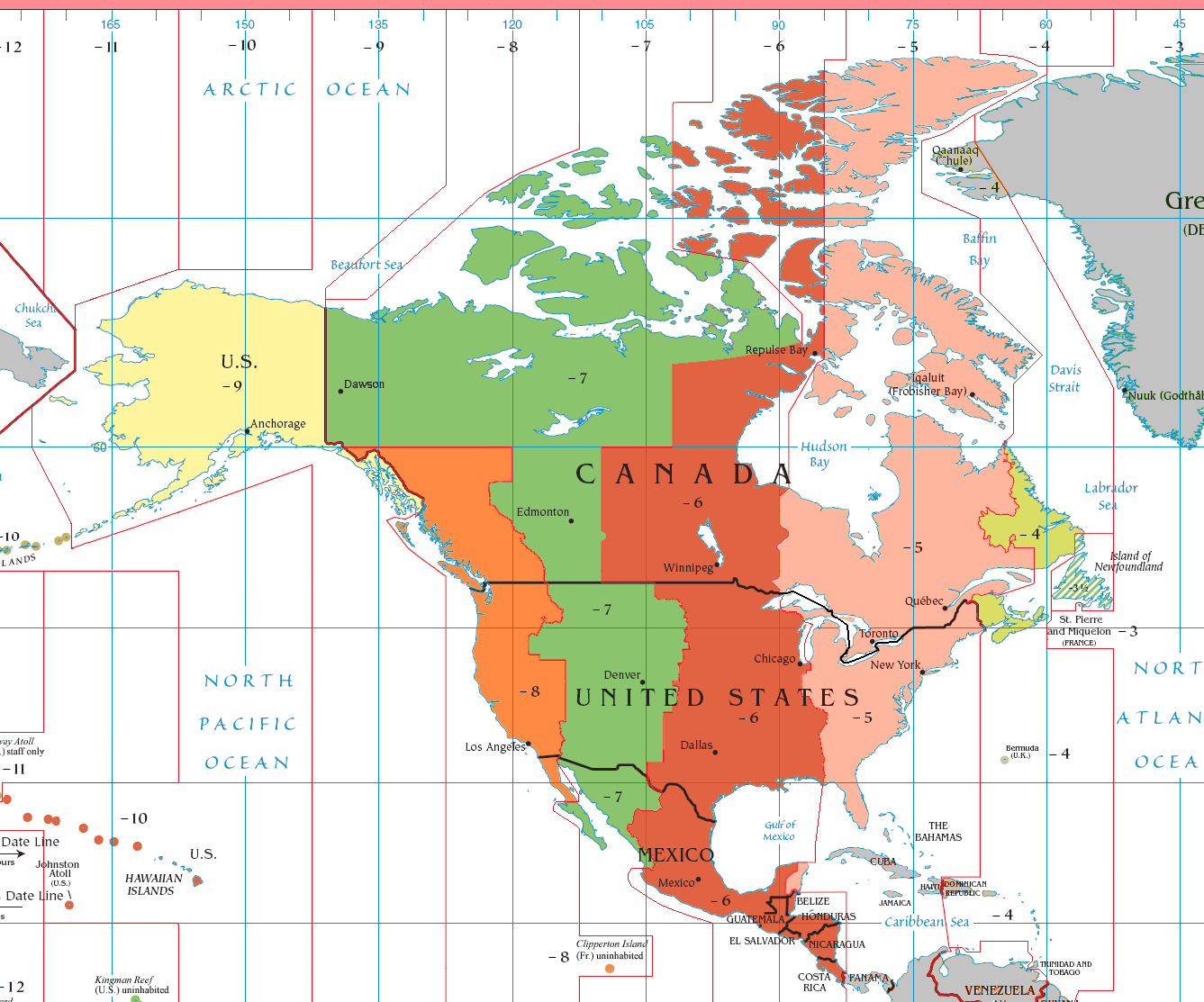
Pacific Standard Time (PST) is observed during the fall and winter months. It is defined as UTC-8, meaning it is eight hours behind Coordinated Universal Time. For travelers, this means that if it’s 12:00 PM UTC, it’s 4:00 AM in California. This period typically runs from the first Sunday in November until the second Sunday in March. During these months, the days are shorter, and understanding PST is crucial for planning activities, especially those sensitive to daylight hours, such as scenic drives along Big Sur or visits to outdoor attractions like the Golden Gate Bridge in San Francisco or the Santa Monica Pier. When booking accommodations, tour guides, or transportation during this timeframe, always ensure your schedule aligns with PST to avoid any confusion or missed opportunities. For those arriving from the Eastern Standard Time (EST) zone in the United States, you’ll be gaining three hours, which can be a welcome relief for jet lag, but still requires adjustment.
Embracing Pacific Daylight Time (PDT)
As spring arrives, California transitions to Pacific Daylight Time (PDT). This change occurs on the second Sunday in March when clocks “spring forward” one hour, and it lasts until the first Sunday in November. During PDT, the time zone becomes UTC-7, meaning it is seven hours behind Coordinated Universal Time. This shift translates to longer daylight hours in the evenings, a beloved feature for both residents and visitors. Imagine extra time to enjoy the sunsets over the Pacific Ocean in Malibu, extended hours at theme parks like Disneyland Resort in Anaheim, or longer hikes in Yosemite National Park.
For travelers, PDT extends the window for outdoor activities and evening entertainment, making summer and early fall popular times to visit. However, it also means losing an hour during the “spring forward,” which can temporarily disrupt sleep patterns and lead to a mild form of jet lag even for those traveling domestically. Be mindful of this transition when planning your arrival and initial activities. Double-checking opening and closing times for landmarks and attractions during the shift is particularly important, as some establishments might adjust their hours to accommodate the change in daylight. For international travelers, especially from Europe or Asia, the time difference becomes even greater, necessitating careful consideration for communication with home or business obligations.
Time Zone Travel Hacks for Your California Adventure
Successfully navigating California’s time zone is key to a stress-free and enjoyable trip, integrating smoothly with the website’s focus on travel, hotels, and tourism. Thoughtful planning can transform potential challenges into seamless experiences, enhancing your overall journey.
Seamless Hotel Bookings and Accommodation Planning
When booking your accommodation, whether it’s a luxurious suite at the Four Seasons Hotel Los Angeles at Beverly Hills, a charming boutique hotel in Napa Valley, or a cozy vacation rental in San Diego, understanding California’s time is paramount. All check-in and check-out times, reservation deadlines, and amenity schedules (like breakfast timings or spa appointments) will be quoted in local Pacific Time. If you’re arriving from a different time zone, particularly the East Coast of the United States or internationally from London or Tokyo, factor in the time difference for your arrival day. An early morning flight from New York City might feel like a midday arrival, but your hotel in Los Angeles will still adhere to its 3 PM check-in policy (PST/PDT).
Consider booking accommodations with flexible check-in options or those that offer early check-in/late check-out services, especially if your flight schedule doesn’t align perfectly. Communication with your hotel, resort, or Airbnb host about your expected arrival time, adjusted for local California time, can prevent delays and ensure a smooth start to your stay. For long-term stays, establishing a routine quickly based on local time will help mitigate jet lag and allow you to fully immerse yourself in the local lifestyle. Properties like The Ritz-Carlton, Laguna Niguel or the historic Hotel del Coronado are well-versed in accommodating travelers with varying arrival times, offering services to ease your transition.

Maximizing Your Tourism and Landmark Visits
California is brimming with iconic landmarks and world-class attractions, and timing is everything for an optimal visit. The operating hours for places like Disneyland, Universal Studios Hollywood, the San Diego Zoo, or the Monterey Bay Aquarium are all strictly in Pacific Time. Arriving late due to miscalculating the time difference could mean missed tours, shorter exploration times, or even closed gates.
When planning your itinerary, always consult the official websites for attractions and tours, noting their hours in PST or PDT. For example, a morning tour of Alcatraz from Fisherman’s Wharf in San Francisco requires you to be at the ferry terminal at a specific local time. Similarly, catching a spectacular sunset from the Griffith Observatory in Los Angeles means knowing when the sun will set in Pacific Time. For outdoor adventures in national parks like Yosemite National Park or Sequoia National Park, aligning your hiking start times with early mornings to avoid heat and crowds is especially important, and those “early mornings” are dictated by the Pacific Time clock. Dealing with jet lag is also critical for maximizing your tourism. Try to expose yourself to natural light upon arrival, stay hydrated, and adjust your meal and sleep schedule to local time as quickly as possible.
Lifestyle Considerations: From Dining to Business
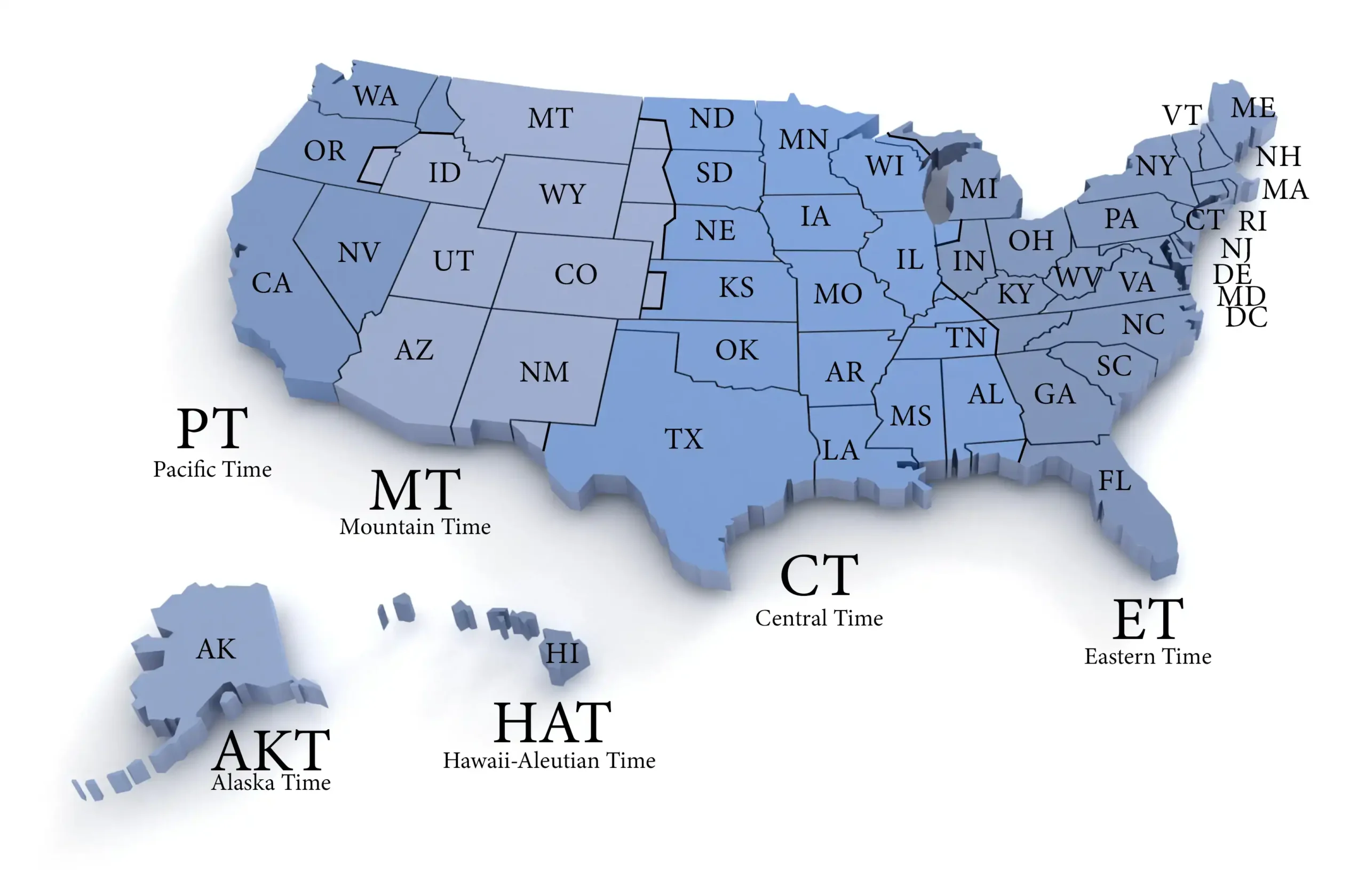
California’s lifestyle, from its vibrant culinary scene to its bustling business hubs, operates on Pacific Time. Making dinner reservations at acclaimed restaurants in Beverly Hills or La Jolla requires adherence to local timings. A 7 PM reservation means 7 PM PST/PDT, regardless of what time it feels like to your body clock. Similarly, for business travelers heading to Silicon Valley or downtown Los Angeles, all meetings, conferences, and networking events will be scheduled according to local Pacific Time. Efficient communication with colleagues or clients in different time zones, especially those on the East Coast, Central Standard Time (CST), or Mountain Standard Time (MST), becomes a daily exercise in calculation. Many professionals use world clock apps to juggle schedules, ensuring they don’t miss important calls or deadlines. Embracing the local time also means enjoying the distinct rhythm of California. Early morning surf sessions in Santa Cruz, leisurely Napa Valley wine tastings, or enjoying the nightlife in Hollywood are all experiences best enjoyed when you’re fully synchronized with the local clock.
Iconic California Destinations and Their Time Zone Relevance
California is a diverse state, and while its time zone remains consistent, the way Pacific Time impacts your experience varies by destination.
Los Angeles: The City of Angels and Early Birds
In Los Angeles, the entertainment capital, Pacific Time dictates everything from studio tour schedules to red carpet events. Famous attractions like the Hollywood Walk of Fame, Universal Studios Hollywood, and the vibrant scenes of Beverly Hills all operate on this schedule. For aspiring actors or business travelers, a 9 AM meeting means 9 AM PST/PDT, and punctuality is key. Tourists will find that popular attractions often have staggered opening times, so an early start in Pacific Time is essential to beat the crowds, especially at places like Disneyland.
San Francisco: Foggy Mornings and Golden Sunsets
San Francisco, with its iconic cable cars and dramatic bay views, is also firmly on Pacific Time. Planning a visit to Alcatraz Island requires booking tickets well in advance, and your ferry departure time from Pier 39 or Fisherman’s Wharf will be in PST/PDT. The city’s often foggy mornings mean that iconic sights like the Golden Gate Bridge might be best viewed later in the day, aligning with how the local time impacts natural phenomena and visibility. Sunset cruises on San Francisco Bay are precisely timed to capture the Pacific Time sunset, offering breathtaking views as the city lights up.
San Diego: Beach Life on Pacific Time
Further south, San Diego offers a more relaxed pace, but its attractions and activities are no less bound by Pacific Time. Whether you’re exploring the sprawling Balboa Park, marveling at marine life in La Jolla, or enjoying the historic Gaslamp Quarter, all schedules adhere to PST/PDT. San Diego Zoo and LEGOLAND California have specific operating hours that visitors must respect. The city’s vibrant beach culture also revolves around the clock, with surf lessons, paddleboarding, and sunset watching all perfectly timed to the local Pacific Time.
Beyond the Cities: Nature’s Clock
California’s natural wonders, from the Sierra Nevada mountains to the Mojave Desert, are also experienced through the lens of Pacific Time. In destinations like Yosemite National Park or Lake Tahoe, understanding the local time is crucial for safety and enjoyment. Sunrise hikes, planning your arrival at popular trailheads to secure parking, or timing your visit to catch the perfect light on Half Dome in Yosemite Valley are all dictated by the clock. For those venturing into Death Valley National Park or Palm Springs, understanding the early morning cooler temperatures versus the intense midday heat, all relative to Pacific Time, is vital for planning outdoor activities. Even historical landmarks like Hearst Castle have tour times that operate strictly on the California clock.
In conclusion, yes, California is on Pacific Time, observing both Pacific Standard Time (PST) and Pacific Daylight Time (PDT) seasonally. For any traveler, making this simple fact a cornerstone of their planning ensures a smooth, enriching, and ultimately more enjoyable exploration of all that the diverse and captivating state of California has to offer. By factoring in the time zone from the moment you book your flight to the last sunset you witness, you’re setting yourself up for an unforgettable journey.
LifeOutOfTheBox is a participant in the Amazon Services LLC Associates Program, an affiliate advertising program designed to provide a means for sites to earn advertising fees by advertising and linking to Amazon.com. Amazon, the Amazon logo, AmazonSupply, and the AmazonSupply logo are trademarks of Amazon.com, Inc. or its affiliates. As an Amazon Associate we earn affiliate commissions from qualifying purchases.