
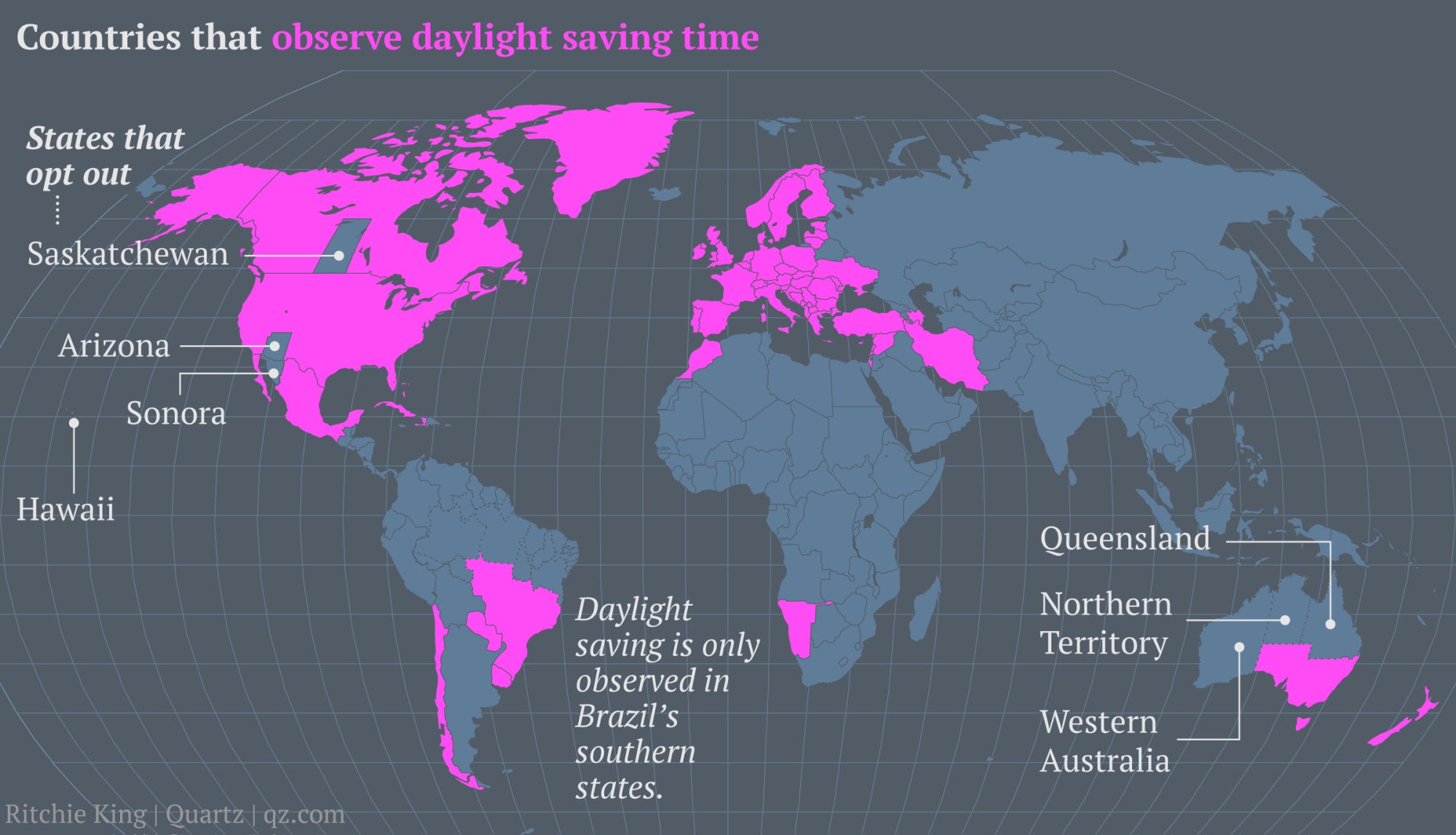
For travelers planning a rejuvenating escape to the idyllic shores of Hawaii, one question occasionally arises: does the Aloha State observe Daylight Saving Time (DST)? The simple, reassuring answer for those seeking uninterrupted tranquility is no. Hawaii stands as one of only two United States entities, alongside most of Arizona, that does not adjust its clocks seasonally. This unique characteristic significantly influences everything from travel planning and communication with the mainland to the very rhythm of daily life and the operational flow of the vibrant tourism industry across its captivating islands.
The consistency of time in Hawaii is more than just a logistical convenience; it’s an integral part of the state’s relaxed ethos and effortless charm, contributing to a seamless experience for visitors seeking to immerse themselves in its natural beauty and rich culture. Understanding why Hawaii maintains a fixed time, known as Hawaii Standard Time (HST), offers valuable insights for anyone planning their dream vacation, managing business, or simply enjoying the island lifestyle.
Hawaii’s Unique Time Zone: An Oasis of Consistency
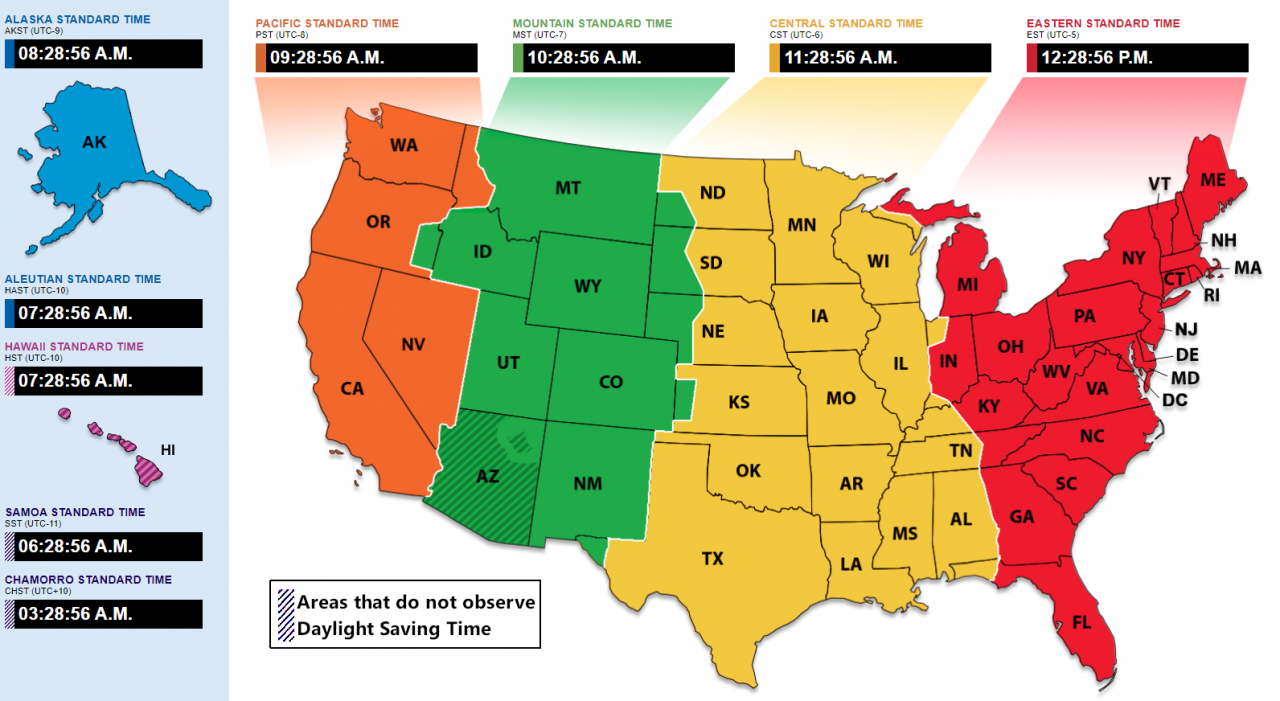
Hawaii operates permanently on Hawaii Standard Time (HST), which is UTC-10. This means that year-round, its clocks remain unchanged, providing a stable temporal framework for both residents and the millions of tourists who grace its shores annually. Unlike many parts of the world that spring forward and fall back, Hawaii’s commitment to a consistent time zone simplifies scheduling, enhances the visitor experience, and subtly reinforces the islands’ reputation as a stress-free paradise.
A Deep Dive into HST
Hawaii Standard Time (HST) is 10 hours behind Coordinated Universal Time (UTC), making it one of the latest time zones in the United States. During the periods when Daylight Saving Time is observed on the mainland (typically from March to November), the time difference between Hawaii and other major U.S. time zones expands. For instance, Hawaii is:
- 2 hours behind Alaskan Standard Time (AKST/AKDT): When Alaska is on Daylight Saving Time (AKDT), Hawaii is three hours behind.
- 3 hours behind Pacific Standard Time (PST/PDT): When the Pacific Coast observes Daylight Saving Time (PDT), Hawaii is three hours behind.
- 4 hours behind Mountain Standard Time (MST/MDT): When the Mountain States observe Daylight Saving Time (MDT), Hawaii is four hours behind.
- 5 hours behind Central Standard Time (CST/CDT): When the Central States observe Daylight Saving Time (CDT), Hawaii is five hours behind.
- 6 hours behind Eastern Standard Time (EST/EDT): When the Eastern Seaboard observes Daylight Saving Time (EDT), Hawaii is six hours behind.
When the mainland reverts to standard time, the time differences shrink by one hour. This fixed schedule means visitors never have to worry about their watches suddenly changing, a minor but significant detail that contributes to a more relaxed and predictable travel experience, particularly for those enjoying extended stays or digital nomads leveraging Hawaii’s beauty as a backdrop for work.
The Rationale Behind Hawaii’s Choice
Hawaii’s decision to opt out of Daylight Saving Time is deeply rooted in its geography and climate, and it aligns with the practical realities of island life. The historical context also plays a significant role in understanding this enduring choice.
Historical Context: A Nation Apart
The concept of Daylight Saving Time originated primarily in temperate zones, aiming to maximize daylight hours during longer summer evenings by shifting clocks forward. The United States formally adopted DST with the Uniform Time Act of 1966, which established a system of uniform observance across the country but also allowed states to opt out. Hawaii, having only become a state in 1959, evaluated the implications and ultimately chose not to participate. This decision reflected a pragmatic understanding of its unique position.
Geographical Logic: Equator’s Embrace
Unlike mainland regions that experience dramatic shifts in daylight hours between summer and winter, Hawaii is situated close to the equator. This geographical proximity means that the length of day and night remains relatively consistent throughout the year. The earliest sunrise and latest sunset variations are minimal, typically only about an hour between the solstices. Therefore, the primary benefit of Daylight Saving Time – saving energy by extending daylight into the evening – simply doesn’t apply to Hawaii. Shifting the clocks would offer no significant energy savings or practical advantages for outdoor activities; it would primarily just cause unnecessary confusion and disruption.
Moreover, the natural rhythm of life in Hawaii is closely tied to the sun’s consistent cycle. The sun typically rises between 6:00 AM and 7:15 AM and sets between 6:00 PM and 7:30 PM, depending on the time of year. This consistent pattern facilitates a natural daily flow, where residents and visitors alike can plan their days around predictable light, from early morning surfing sessions to sunset dinners.
Practical Implications for Travelers and Residents
The absence of Daylight Saving Time in Hawaii profoundly impacts daily life, offering both convenience and a few unique considerations, especially for those involved in tourism and cross-time-zone communication.
Seamless Travel Planning and Enjoyment
For tourists, the consistent time zone is a hidden gem of convenience. When booking flights, tours, restaurant reservations, or check-in times at hotels and resorts, there’s no need to factor in a future time change. This eliminates potential confusion and stress, ensuring that your meticulously planned itinerary, whether it’s a sunrise hike up Diamond Head on Oahu or a sunset cruise off the coast of Maui, proceeds without a hitch.
- Accommodation: Hotels, villas, and apartments across the islands, from bustling Waikiki Beach in Honolulu to secluded resorts on Kauai or the Big Island, operate on a fixed schedule. This means check-in and check-out times, spa appointments, and resort activity schedules remain constant year-round, simplifying logistics for staff and guests alike.
- Attractions and Activities: Visiting landmarks like Pearl Harbor, snorkeling at Hanauma Bay, driving Maui’s Road to Hana, or exploring Hawaii Volcanoes National Park on the Big Island all follow predictable operating hours. This stability allows tour operators to maintain consistent schedules, which is vital for providing reliable travel experiences.
- Local Culture and Lifestyle: The “aloha time” pace is often associated with the relaxed Hawaiian lifestyle. The absence of time shifts contributes to this feeling, fostering a sense of timelessness and continuity that encourages visitors to slow down and truly embrace their vacation. It avoids the small but cumulative disruption that shifting clocks can impose on daily routines, reinforcing the overall laid-back vibe that makes Hawaii such a desirable destination.
Impact on Business and Communication
While beneficial for tourism, the consistent time difference with the mainland United States can present challenges for business and communication. The time gap, particularly with the East Coast (which can be up to six hours during DST), requires careful planning for conference calls, deadlines, and synchronous work. Businesses operating across the Pacific Ocean often adapt by scheduling meetings during Hawaii’s early mornings, which might align with late afternoon or evening on the mainland. This aspect is particularly relevant for those on business trips or extended stays combining leisure with work. For residents with family or friends on the mainland, remembering the current time difference becomes a seasonal ritual, especially when calling loved ones or coordinating virtual gatherings.
Planning Your Hawaiian Getaway: Time Zone Considerations
Understanding Hawaii’s fixed time zone is a critical component of stress-free travel planning. While you won’t need to adjust your clock upon arrival or departure due to DST, managing the initial jet lag and planning communications are key.
Maximizing Your Hawaii Experience
For travelers arriving from other parts of the world, especially North America, an initial period of jet lag is common. However, the absence of DST means that once you adjust, your body clock won’t be disrupted by a sudden time shift during your stay.
- Arrival Strategy: Plan your arrival to allow for a day or two of gentle adjustment. Many resorts in areas like Wailea on Maui or Kona on the Big Island offer amenities and activities that can help you ease into the local rhythm, from early morning yoga classes to relaxing spa treatments.
- Daily Rhythm: Embrace the consistent daylight hours. Enjoy early mornings to explore popular spots like the Na Pali Coast on Kauai or the pristine beaches of Lanikai on Oahu before crowds gather. Utilize the predictable evenings for sunset viewing, leisurely dinners, and cultural shows without worrying about a sudden shift in daylight.
- Booking and Scheduling: When making reservations for popular attractions, luaus, or guided tours, you can confidently schedule knowing that the times will hold true regardless of the season. This consistency extends to booking accommodation, whether it’s a luxurious suite, a family-friendly resort, or a charming boutique hotel. The predictable schedule contributes to a smoother overall experience, a hallmark of well-managed tourism.
Connecting with the Mainland
Maintaining connections with family, friends, or work colleagues on the mainland requires a little awareness.
- Time Zone Apps: Many smartphones automatically adjust for time zones, but having a world clock widget can be invaluable for quickly checking the time back home.
- Communication Habits: Be mindful of the significant time difference, especially with the East Coast. An 8:00 AM call in Honolulu is 2:00 PM in New York when DST is not observed, but 3:00 PM when DST is observed there. This is a crucial distinction. For instance, a video call at 9:00 AM HST (2 PM EDT/3 PM EST) would be an acceptable window for many.
- Emergency Contacts: Ensure that close contacts are aware of Hawaii’s time zone and the implications for reaching you in an emergency.

Embracing the Timeless Spirit of Hawaii
The absence of Daylight Saving Time in Hawaii is much more than a footnote in a travel guide; it’s a fundamental aspect of the islands’ identity. It underpins the state’s laid-back atmosphere, simplifies travel logistics, and ensures that the natural beauty of sunrises and sunsets can be enjoyed without temporal manipulation. For those yearning for an escape where time seems to slow down and worries fade with each passing wave, Hawaii’s unwavering commitment to Hawaii Standard Time is a subtle yet profound gift.
Whether you’re planning a luxury getaway, a budget-friendly adventure, a family trip, or a business stay, the consistent time zone helps ensure your experience is as smooth and enjoyable as possible. From exploring the bustling streets of Honolulu to hiking the serene trails of Kauai or unwinding on the black sand beaches near Hilo, Hawaii’s timeless rhythm invites you to truly disconnect from the hurried pace of the outside world. It allows visitors to fully embrace the spirit of aloha, where the focus is on experience, connection, and the unparalleled natural wonders that make this archipelago one of the world’s most cherished destinations.
LifeOutOfTheBox is a participant in the Amazon Services LLC Associates Program, an affiliate advertising program designed to provide a means for sites to earn advertising fees by advertising and linking to Amazon.com. Amazon, the Amazon logo, AmazonSupply, and the AmazonSupply logo are trademarks of Amazon.com, Inc. or its affiliates. As an Amazon Associate we earn affiliate commissions from qualifying purchases.