
For travelers exploring the vast and vibrant landscapes of Texas, understanding local laws and your rights when interacting with law enforcement is paramount for a smooth and enjoyable journey. The question “Is Texas a stop and identify state?” often arises, carrying significant implications for visitors from within the United States and internationally. While the concept might seem straightforward, the reality in the Lone Star State, much like its diverse geography from the bustling cities of Houston and Dallas to the serene deserts of Big Bend National Park, is nuanced. It’s not simply a yes or no answer, but rather a framework of rights and responsibilities guided by both state and federal laws, crucial for anyone planning to experience the unique attractions, rich culture, and warm hospitality that define Texas tourism.
This comprehensive guide aims to demystify “stop and identify” laws in Texas, providing clarity on what visitors need to know to confidently navigate their travels. From understanding your constitutional protections to practical advice for various encounters with law enforcement, we’ll equip you with the knowledge to ensure your trip remains focused on discovery and delight, rather than legal complexities.

Understanding “Stop and Identify” Laws in the Lone Star State
The term “stop and identify” refers to laws in some states that require individuals to provide identification to a law enforcement officer if they have been lawfully stopped, typically based on reasonable suspicion that they are involved in criminal activity. These laws vary significantly across the United States, and knowing where Texas stands on this issue is vital for any traveler.
What Does “Stop and Identify” Truly Mean?
At its core, a “stop and identify” statute permits police officers to demand identification from a person they have reasonably suspected of criminal behavior. Without such a law, an individual might have the right to decline to identify themselves, even if lawfully stopped. The legality of these stops and demands for identification rests heavily on the Fourth Amendment of the Constitution of the United States, which protects against unreasonable searches and seizures, and the Fifth Amendment, which protects against self-incrimination. The U.S. Supreme Court case of Terry v. Ohio established the precedent for “Terry Stops,” allowing officers to briefly detain individuals based on reasonable suspicion, even without probable cause for arrest, for the purpose of investigating potential criminal activity. However, even in a “Terry Stop,” the right to demand identification is not automatic unless a specific state law permits it.
The Legal Landscape in Texas: A Nuanced Approach
In Texas, the situation is not as straightforward as many “stop and identify” states. Generally, Texas does not have a blanket “stop and identify” statute that compels individuals to provide identification simply because an officer requests it, absent specific circumstances. This means that if you are merely a pedestrian and an officer stops you without reasonable suspicion that you have committed, are committing, or are about to commit a crime, you are not legally obligated to identify yourself.
However, this general principle comes with crucial exceptions that every traveler in Texas must understand:
- Reasonable Suspicion of a Crime: If a law enforcement officer has reasonable suspicion that you are involved in criminal activity, they can lawfully stop you. While Texas law does not explicitly state you must provide identification in this scenario if you’re not operating a vehicle, the refusal to do so can prolong the stop and potentially lead to arrest if the officer develops probable cause for a different offense, such as “failure to identify.” Texas Penal Code § 38.02, “Failure to Identify,” applies when a person has been lawfully arrested or detained and intentionally refuses to give their name, residence address, or date of birth, or gives false information. This is a critical distinction: you must be lawfully arrested or detained for the “failure to identify” charge to apply.
- Operating a Motor Vehicle: When you are driving a car or other motor vehicle, the rules change significantly. Drivers in Texas are legally required to possess and present a valid driver’s license, vehicle registration, and proof of insurance upon request by a law enforcement officer during a lawful traffic stop. This is a non-negotiable requirement for anyone enjoying a scenic drive through the Hill Country or navigating the urban sprawl of Dallas.
- Specific Legal Situations: There are other specific circumstances where identification may be required, such as purchasing age-restricted items, boarding an airplane, or entering certain federal facilities.
For a traveler, this means that while you generally have more leeway as a pedestrian than in some other states, the moment you get behind the wheel, your obligation to identify yourself and your vehicle becomes absolute. Understanding this distinction is key to a hassle-free visit, whether you’re exploring the historic Alamo in San Antonio or hiking in Guadalupe Mountains National Park.
Your Rights and Responsibilities as a Traveler in Texas
Navigating encounters with law enforcement, especially in an unfamiliar state, can be daunting. Knowing your rights and understanding your responsibilities can empower you to handle these situations respectfully and effectively, ensuring your travel plans remain uninterrupted.
When You Must Provide Identification
As highlighted, the most common scenario where a traveler in Texas is legally obligated to provide identification is during a traffic stop. If you’re pulled over while driving, you are required to:
- Present a Driver’s License: A valid driver’s license is mandatory. If you are from out of state or an international visitor, ensure you have your home country’s driver’s license (and an International Driving Permit if applicable) readily available.
- Provide Vehicle Registration: Proof that your vehicle is properly registered.
- Show Proof of Insurance: Current proof of liability insurance.
Failure to provide these documents upon request during a lawful traffic stop can result in citations or further detention. It’s always advisable to keep these documents organized and easily accessible in your vehicle.
Beyond driving, if you are lawfully arrested, you must identify yourself to the arresting officer. Refusing to do so, or providing false identification, can lead to additional charges under Texas Penal Code § 38.02. While these situations are rare for the average tourist, it’s an important legal distinction to be aware of.
When You Have the Right to Remain Silent
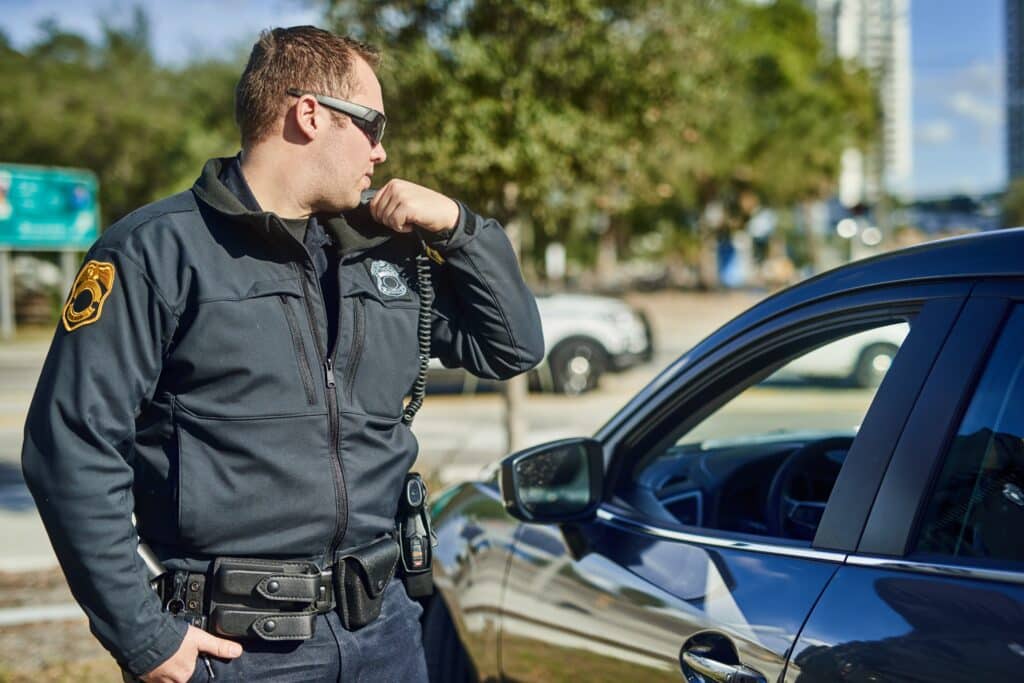
The Fifth Amendment to the United States Constitution grants everyone the right to remain silent. This means you are not legally required to answer questions from law enforcement beyond identifying yourself when legally mandated (e.g., during a traffic stop, or if arrested/detained under suspicion of a crime as per Texas Penal Code § 38.02). If an officer stops you and you are not driving, and they do not have reasonable suspicion you’ve committed a crime, you can politely ask if you are free to leave. If they say yes, you may leave. If they say no, you are being detained. At this point, you have the right to remain silent and should clearly state that you wish to exercise this right and request to speak with an attorney. Remember, anything you say can be used against you.
Best Practices During a Law Enforcement Encounter
Whether you’re strolling along the River Walk in San Antonio or marveling at Space Center Houston, here are some tips for interacting with law enforcement in Texas:
- Stay Calm and Polite: Maintain a respectful demeanor. Aggression or resistance can escalate the situation unnecessarily.
- Keep Your Hands Visible: Whether in your car or on foot, keep your hands where the officer can see them to avoid any misunderstandings.
- Follow Instructions: Comply with lawful commands, such as providing documents during a traffic stop or stepping out of a vehicle.
- State Your Rights Clearly: If you wish to remain silent or request an attorney, articulate this clearly and politely. For example: “Officer, I assert my right to remain silent and I would like to speak with an attorney.”
- Do Not Consent to Searches: You have the right to refuse a search of your person, belongings, or vehicle if the officer does not have a warrant or probable cause. Politely state, “Officer, I do not consent to a search.” If they proceed anyway, do not resist physically, but clearly state for the record that you are not consenting.
- Do Not Lie or Give False Information: This can lead to arrest and additional criminal charges.
- Record the Encounter (if legal and safe): In Texas, you generally have the right to record police officers in public spaces, as long as it does not interfere with their duties. Use your judgment and ensure your actions are not seen as aggressive or obstructive.
Navigating Specific Scenarios in Texas Travel
Texas offers a vast array of travel experiences, each with its own set of potential interactions with local authorities. Being prepared for these specific scenarios can make a world of difference.
Traffic Stops and Vehicle Identification
As mentioned, traffic stops are the most common way travelers might encounter law enforcement. The Texas Department of Public Safety (DPS) and local police departments are vigilant about road safety. If you are stopped:
- Pull Over Safely: Activate your turn signal, find a safe spot off the road, and turn off your engine.
- Interior Lights On at Night: If it’s dark, turn on your interior lights so the officer can see into the vehicle.
- Keep Hands on the Steering Wheel: Wait for the officer to approach your window.
- Inform Before Reaching: Politely inform the officer if you need to reach for your wallet or glove compartment to retrieve documents.
- Be Mindful of Open Container Laws: Texas has strict open container laws, prohibiting open alcoholic beverage containers in a vehicle’s passenger area, even if you are not drinking.
Understanding these procedures and your obligations helps ensure a quick and professional interaction, allowing you to get back to enjoying destinations like the Fort Worth Stockyards or the Sixth Floor Museum in Dallas.
Interactions in Public Spaces and Tourist Destinations
When exploring iconic Texas landmarks, such as the Alamo, South Padre Island, or NASA Johnson Space Center, you might encounter security or police officers. Unless there’s reasonable suspicion of criminal activity, you are generally not required to identify yourself if you’re merely walking around. However, some private establishments or federal facilities may have their own security protocols requiring identification for entry. Always be cooperative and inquire about specific requirements if unsure. Remember, common courtesy and a friendly attitude go a long way in ensuring pleasant interactions.
Border Patrol and Federal Land Considerations
Texas shares a long border with Mexico, and as such, areas near the Mexican border are patrolled by federal agencies like Border Patrol and Immigration and Customs Enforcement (ICE). These agencies have broader powers under federal law than state or local police, particularly within 100 air miles of a U.S. land or coastal border (though most enforcement occurs closer to the physical border). If you are stopped at a Border Patrol checkpoint, federal law generally requires you to answer questions about your citizenship. You are not required to answer other questions or consent to a search of your vehicle unless they have probable cause.
Similarly, when visiting federal lands like Big Bend National Park or other national parks, federal park rangers have authority similar to other federal law enforcement officers. Be aware of park-specific regulations and remember that federal laws apply.
Ensuring a Smooth and Enjoyable Texas Journey
Armed with knowledge about Texas’s “stop and identify” laws and your broader constitutional rights, you can confidently embark on your adventure. The goal is always to prevent unnecessary complications and maximize your enjoyment of everything Texas has to offer, from its vibrant cities to its stunning natural wonders along the Gulf Coast.
Preparation is Key: Documentation and Awareness
Before you even set out for Texas, a little preparation can save a lot of potential headaches:
- Review Your Documents: Ensure your driver’s license (and IDP if international), vehicle registration, and insurance are current and easily accessible. Consider carrying a photocopy of important documents, keeping the originals securely stored.
- Know Your Route: Plan your journey, especially if traveling through border regions or areas with federal land, where law enforcement interactions might be more frequent.
- Stay Informed: Keep an eye on local news or travel advisories that might impact your trip.
- Legal Aid Information: While unlikely needed, knowing how to contact legal assistance services or your embassy/consulate can offer peace of mind, especially for international travelers.
- Emergency Contacts: Have a list of emergency contacts readily available, both in your phone and physically.
Resources and Further Information for Travelers
For additional details, consider consulting official legal resources or organizations dedicated to civil liberties. These bodies often provide up-to-date information on state-specific laws and recommendations for interacting with law enforcement. Understanding the intricacies of Texas law ensures that your focus can remain on soaking in the rich local culture, indulging in delicious Texas barbecue, and creating unforgettable memories.
In conclusion, while Texas is not a blanket “stop and identify” state for pedestrians without reasonable suspicion of a crime, the rules change significantly when operating a vehicle or if you are lawfully arrested or detained. By being informed, respectful, and prepared, travelers can navigate any interaction with law enforcement confidently, ensuring their Texas experience is as boundless and welcoming as the state itself. Enjoy your travels responsibly and explore all the incredible destinations that await you in the Lone Star State!
LifeOutOfTheBox is a participant in the Amazon Services LLC Associates Program, an affiliate advertising program designed to provide a means for sites to earn advertising fees by advertising and linking to Amazon.com. Amazon, the Amazon logo, AmazonSupply, and the AmazonSupply logo are trademarks of Amazon.com, Inc. or its affiliates. As an Amazon Associate we earn affiliate commissions from qualifying purchases.