
The tantalizing aroma of slow-smoked pork is an undeniable call to gather, a promise of culinary delight that transcends mere sustenance. For many, mastering the art of the Boston Butt on a Pellet Grill is not just about a meal; it’s a pursuit of perfection, a backyard experience that echoes the grand traditions of American barbecue. But beneath the layers of rub and the wafting smoke lies a fundamental question that perplexes aspiring pitmasters and seasoned chefs alike: “How long does it really take?”
This question, deceptively simple, unlocks a world of variables—meat size, desired tenderness, ambient temperature, and the specific nuances of your pellet grill. Beyond the technicalities, however, lies a deeper connection to travel, lifestyle, and the very essence of memorable destinations. Imagine a villa rental in the rolling hills of Texas with an outdoor kitchen, or a resort in Carolina offering BBQ classes. The Boston Butt isn’t just pork; it’s a centerpiece for gatherings, a cultural touchstone, and an integral part of the immersive food tourism landscape that draws visitors from across the United States and beyond. This article will serve as your ultimate guide to achieving succulent pulled pork on your pellet grill, while simultaneously exploring how this beloved dish intertwines with your adventurous spirit and quest for unforgettable experiences.
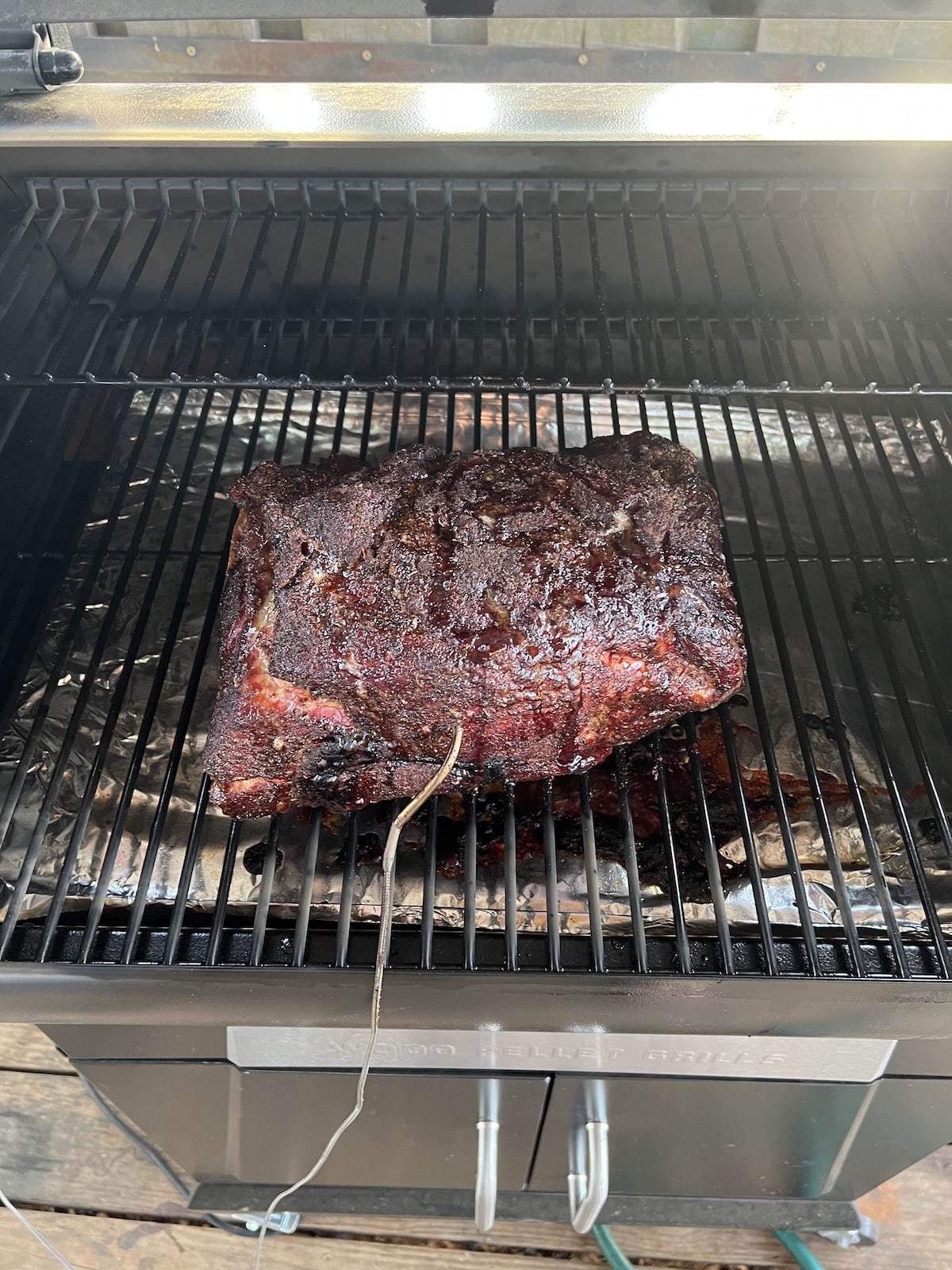
The Art and Science of Slow Smoking: Understanding Your Boston Butt and Pellet Grill
Before we delve into specific timings, it’s crucial to understand what a Boston Butt is and how a pellet grill operates. Despite its misleading name, the Boston Butt is actually the upper part of the pork shoulder, specifically the portion above the picnic shoulder. It’s rich in intramuscular fat and connective tissue, which, when cooked low and slow, renders down into gelatin, resulting in incredibly moist and tender pulled pork. This cut is revered in BBQ circles, forming the foundation of many regional styles, from the tangy vinegary sauces of Carolina to the sweet, rich flavors of Kansas City.
A pellet grill, often hailed as a blend of a smoker and a conventional oven, provides a consistent, indirect heat source with the added benefit of wood smoke flavor. It uses compressed hardwood pellets (made from woods like Hickory, Applewood, Mesquite, or Oak) fed into a burn pot via an auger. A fan circulates the smoke and heat, ensuring even cooking and infusing the meat with that desirable smoky essence. The digital controllers on most pellet grills allow for precise temperature management, taking much of the guesswork out of traditional smoking and making it an accessible option for backyard chefs and those looking to replicate gourmet experiences at their vacation accommodation.
Setting the Stage: Preparation is Key
The journey to perfect pulled pork begins long before the meat hits the grates. Proper preparation is paramount.
- Choosing Your Butt: Look for a Boston Butt weighing between 7 to 10 pounds, with a good balance of fat and lean meat. The fat cap is essential for moisture and flavor during the long cook.
- Trimming: While some fat is desirable, excessive hard fat should be trimmed. Aim for about ¼ inch of fat cap. You can also score the fat cap in a crosshatch pattern to allow the rub and smoke to penetrate more effectively.
- The Rub: This is where personality shines through. A good dry rub typically consists of salt, pepper, garlic powder, onion powder, paprika, and a touch of brown sugar or chili powder for sweetness and heat. Apply generously, ensuring every surface of the Boston Butt is coated. For optimal flavor penetration, apply the rub 12-24 hours in advance and let the meat rest in the refrigerator. This allows the salt to draw out moisture, dissolve, and then reabsorb into the meat, a process known as dry brining.
- Pellet Selection: The type of wood pellet you choose significantly impacts the final flavor. Hickory offers a strong, classic smoke flavor, while Applewood provides a milder, sweeter profile. Oak is versatile and medium-bodied, and Mesquite delivers a bold, assertive smoke. Consider your personal preference and the flavor profile you’re aiming for.
- Preheating the Grill: Always preheat your pellet grill to the desired temperature (typically 225-275°F / 107-135°C) and allow it to stabilize for at least 15-20 minutes before placing the meat inside.
The Low and Slow Philosophy: Temperature and Estimated Time
The cardinal rule for cooking a Boston Butt for pulled pork is “low and slow.” This technique slowly breaks down the tough connective tissues, resulting in fall-apart tender meat. The ideal temperature range on a pellet grill is between 225°F (107°C) and 275°F (135°C). While 225°F is the traditional choice for maximum smoke penetration and a slower cook, 250°F or even 275°F can be used to speed things up slightly without sacrificing much tenderness, especially if you’re hosting a gathering at your hotel suite with outdoor cooking amenities and need to meet a specific timeline.
Now, to the million-dollar question: how long? The general rule of thumb for a Boston Butt is 1.5 to 2 hours per pound when cooking at 225°F (107°C).
Let’s break that down:
- 7-pound Boston Butt: 10.5 to 14 hours
- 8-pound Boston Butt: 12 to 16 hours
- 9-pound Boston Butt: 13.5 to 18 hours
- 10-pound Boston Butt: 15 to 20 hours
Important Note: These are estimates. Barbecue is an art, not a precise science. The actual cooking time can vary based on the meat’s thickness, fat content, ambient temperature, humidity, and how often you open your grill lid. Always plan for extra time, as you can hold pulled pork for several hours, but you can’t rush it.
The Journey Through the Cook: Stages to Perfection
Cooking a Boston Butt is a marathon, not a sprint. Understanding the different stages will help you navigate the process with confidence.
Stage 1: The Initial Smoke (Internal Temperature: 130-150°F / 54-66°C)
This is where the magic of the smoke happens. For the first few hours, the meat readily absorbs the smoky flavor from your pellet grill. Avoid opening the lid too frequently during this stage to maximize smoke penetration and maintain consistent grill temperature. Some pitmasters like to spritz the meat with apple cider vinegar, apple juice, or even beer every 1-2 hours after the first 3-4 hours to keep it moist and help develop a beautiful bark.
Stage 2: The Infamous “Stall” (Internal Temperature: 150-170°F / 66-77°C)
Around the 5-8 hour mark, you’ll likely encounter the “stall.” This is a phenomenon where the internal temperature of the meat plateaus, sometimes for several hours. It happens when moisture evaporating from the surface of the meat cools it down, much like how sweat cools the human body. Don’t panic; this is a normal part of the smoking process.
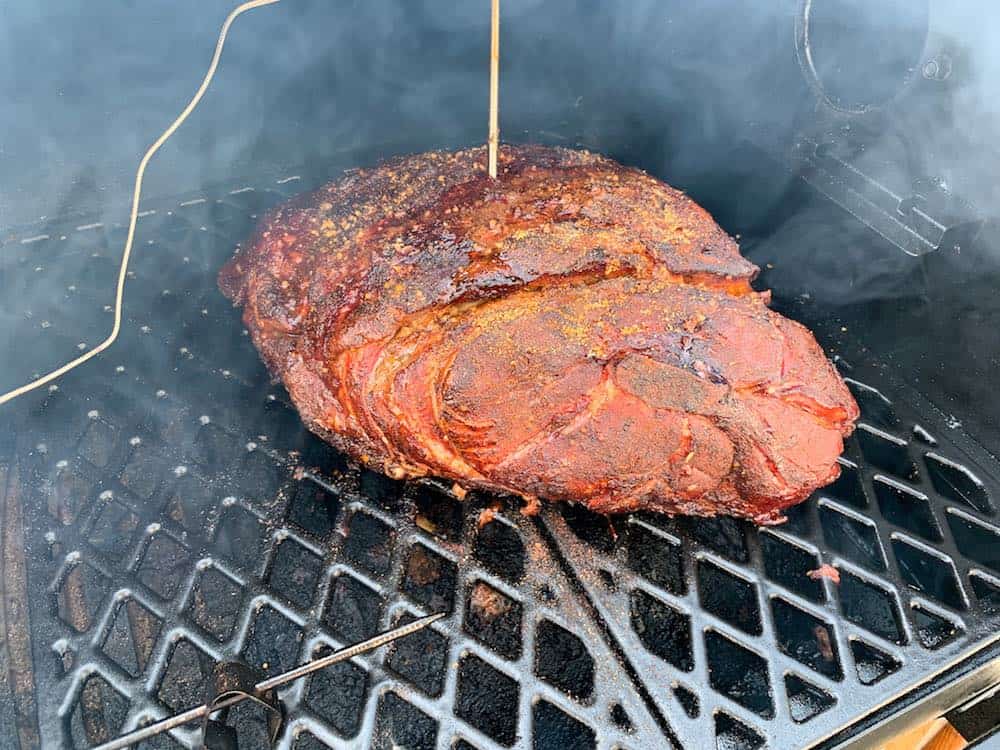
To power through the stall and speed up the cook, many pitmasters employ the “Texas Crutch.” This involves wrapping the Boston Butt tightly in butcher paper or aluminum foil once it hits the stall (around 160-165°F / 71-74°C). Wrapping prevents further evaporative cooling, allowing the internal temperature to rise more quickly. It also helps tenderize the meat and retain moisture, though it can soften the bark slightly. If you’re staying at a vacation accommodation with limited time, this technique can be a lifesaver.
Stage 3: The Final Push to Tenderness (Internal Temperature: 170°F to Done)
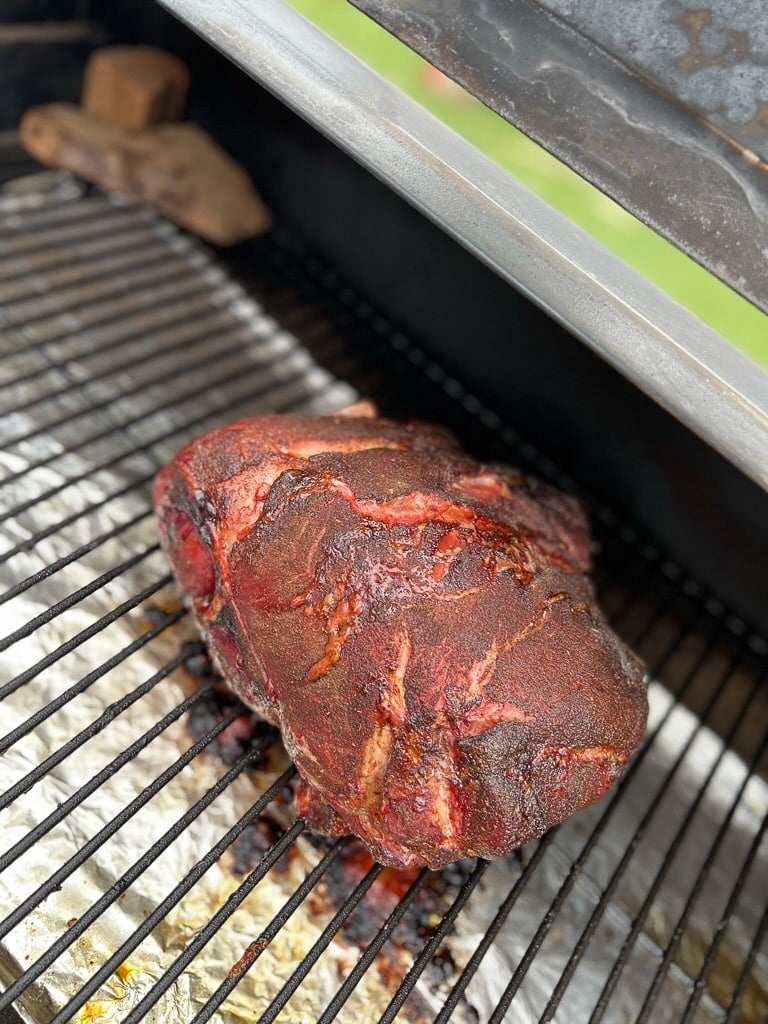
After the stall, the internal temperature will begin to climb again. Continue cooking until the meat reaches a target internal temperature of 195-205°F (90-96°C). However, temperature is not the ultimate indicator of doneness for pulled pork. The key is tenderness.
- The Probe Test: The most reliable way to determine if your Boston Butt is ready is the “probe test.” Gently insert a thermometer probe or a skewer into different parts of the meat. It should slide in with very little resistance, feeling like “butter.” If you feel any significant resistance, continue cooking. This is a critical point that differentiates good pulled pork from truly exceptional pulled pork.
Stage 4: The Crucial Rest
Once the Boston Butt passes the probe test, remove it from the pellet grill. If you wrapped it, keep it wrapped. Place it in a cooler (without ice) and let it rest for a minimum of 1-2 hours, but ideally 2-4 hours. This resting period allows the muscle fibers to relax and reabsorb juices, resulting in an incredibly moist and flavorful finished product. Skipping the rest will lead to dry pork, no matter how perfectly you cooked it. This is a step that should never be rushed, even when preparing a feast at a bustling resort.
After resting, it’s time to pull! The bone should slide out effortlessly, and the meat should shred easily with forks or specialized meat claws. Mix some of the rendered fat and juices back into the shredded pork for extra flavor and moisture.
Beyond the Grill: Boston Butt as a Travel and Lifestyle Statement
The humble Boston Butt transcends its identity as a mere cut of meat, evolving into a cultural symbol deeply woven into the fabric of American lifestyle and tourism. It’s more than just cooking; it’s about crafting an experience.
Culinary Landmarks: Exploring America’s BBQ Trail
From the smoky pits of Memphis to the tangy traditions of the Carolinas, barbecue is a culinary landmark in itself across the United States. Travelers embark on dedicated “BBQ trails,” seeking out legendary establishments and hidden gems, each offering their unique take on pulled pork. Imagine a road trip through Alabama or Georgia, stopping at roadside stands and famed restaurants, savoring the regional variations. Understanding how to cook a Boston Butt yourself offers a deeper appreciation for this heritage, connecting you to the pitmasters who have perfected this craft over generations. When you cook pulled pork on your pellet grill, you’re not just making dinner; you’re participating in a rich culinary tradition, a form of active tourism where you become the creator of your own regional flavor.
Hosting & Hospitality: Elevating Your Travel Accommodation Experience
One of the growing trends in modern travel is the desire for authentic, home-like experiences, even when away from home. This is where options like villa rentals, private apartments, or boutique hotels with outdoor kitchen facilities come into play. Being able to fire up a pellet grill at your vacation accommodation allows you to host gatherings, celebrate milestones, or simply enjoy a gourmet meal prepared at your own pace. This elevates your stay from mere lodging to a full-fledged lifestyle immersion.
Picture a long weekend getaway with friends to a scenic cabin, complete with a sprawling deck and a state-of-the-art pellet grill. The aroma of the smoking Boston Butt fills the air as you relax, sharing stories and making memories. This is the essence of luxury travel for many—not just extravagant suites or opulent resorts, but the freedom and amenities to create bespoke experiences, whether it’s an intimate family dinner or a lively celebration. The ease of use and consistent results of a pellet grill make it an ideal choice for such scenarios, allowing you to focus on your guests and your surroundings rather than constantly monitoring a fire.
Embracing the Lifestyle: The Joy of Outdoor Cooking
For many, outdoor cooking is more than just a hobby; it’s a lifestyle. It’s about slowing down, connecting with nature, and savoring the process. The long cook time of a Boston Butt on a pellet grill encourages patience and provides ample opportunity for relaxation and camaraderie. It’s an act of culinary mindfulness, a deliberate rejection of fast food in favor of something deeply satisfying and rewarding.
This lifestyle can be enjoyed anywhere – from your own backyard to a stunning rental villa overlooking the ocean. It represents a shift towards experiential living, where the journey (of cooking, of travel) is as important as the destination. The satisfaction of presenting a perfectly cooked pulled pork to friends and family, knowing the hours of care and attention that went into it, is a joy that few other culinary endeavors can match. It’s a testament to the fact that some of the greatest pleasures in life, much like the best travel experiences, require time, dedication, and a willingness to embrace the process.
Troubleshooting and Final Tips for Your Boston Butt Adventure
Even with the best intentions, things can sometimes go awry. Here are a few tips to ensure your Boston Butt experience is a success:
- Don’t Fear the Stall: As discussed, it’s normal. Be patient or wrap it.
- Trust Your Thermometer: An accurate leave-in meat thermometer is your best friend. Don’t rely solely on timing.
- Maintain Consistent Temperature: Avoid opening the grill lid unnecessarily, as this causes temperature fluctuations and extends cooking time. A good pellet grill should be able to hold temperature consistently.
- Plan Ahead: Always allocate more time than you think you’ll need. If it finishes early, a long rest in a cooler can keep it warm and juicy for hours.
- Experiment with Pellets and Rubs: Don’t be afraid to try different wood pellet flavors and customize your rub. This is part of the fun of becoming a pitmaster!
- Crispy Bark: If you want an extra crispy bark after unwrapping, increase the grill temperature to 300-325°F (149-163°C) for the last 30-60 minutes, or until the bark reaches your desired crispiness. Keep a close eye on it to prevent burning.
- Leftovers: Pulled pork leftovers are fantastic for sandwiches, tacos, nachos, or even breakfast hashes. Store in an airtight container for up to 3-4 days in the refrigerator or freeze for longer storage.
In conclusion, cooking a Boston Butt on a pellet grill is a rewarding endeavor that perfectly marries culinary skill with a laid-back lifestyle and the spirit of exploration. While the answer to “How long to cook a Boston Butt on a pellet grill?” remains an approximate 1.5 to 2 hours per pound at 225°F (107°C), the true duration is dictated by the meat’s tenderness. It’s a journey that teaches patience, rewards diligence, and ultimately provides a delicious centerpiece for gatherings, whether in your backyard or at a beautiful accommodation far from home. So, fire up your pellet grill, embrace the smoke, and get ready to create an unforgettable meal that’s steeped in tradition and brimming with flavor, a true landmark on your personal culinary map.
LifeOutOfTheBox is a participant in the Amazon Services LLC Associates Program, an affiliate advertising program designed to provide a means for sites to earn advertising fees by advertising and linking to Amazon.com. Amazon, the Amazon logo, AmazonSupply, and the AmazonSupply logo are trademarks of Amazon.com, Inc. or its affiliates. As an Amazon Associate we earn affiliate commissions from qualifying purchases.