
Nestled in the heart of the Pacific Ocean, the archipelago of Hawaii presents a unique blend of natural splendor, vibrant culture, and profound historical significance. When pondering the political landscape of the United States, the question of how many electoral votes Hawaii possesses might seem like a straightforward query, but its answer unravels a fascinating story that intertwines federal representation with the distinctive identity and global appeal of the Aloha State.
At its core, the number of electoral votes a state holds is a direct reflection of its population and its representation in the U.S. Congress. Each state is allocated a number of electors equal to the total number of its senators and representatives. Since every U.S. state, regardless of size or population, is granted two senators, the variable component comes from the number of representatives in the U.S. House of Representatives, which is determined by population counts from the decennial census. For Hawaii, this calculation yields a total of four electoral votes. This comprises two votes for its two senators and two votes for its two representatives in the House.
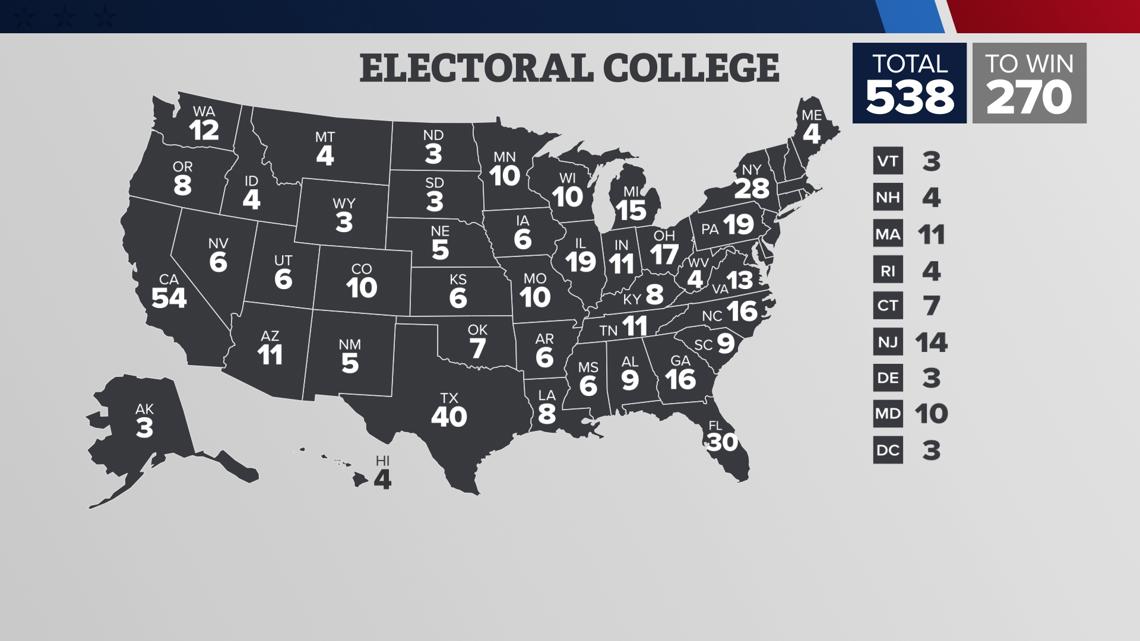
While four electoral votes might seem a modest number compared to states with larger populations, their significance in a close presidential election can be immense. More importantly, this numerical representation allows Hawaii a critical voice in national policy-making, shaping not only the federal government’s approach to local issues but also influencing how the world perceives and interacts with this extraordinary destination. Understanding this political framework enriches our appreciation for Hawaii as more than just a paradise for travelers; it reveals a state actively engaged in the democratic processes that govern the nation.
Understanding the Electoral College and Hawaii’s Place
The Electoral College is a fundamental, albeit often debated, component of the U.S. presidential election system. Rather than a direct popular vote, Americans elect a president through a body of electors chosen by each state. The system, established by the Founding Fathers, aimed to balance the power of populous states with that of less populated ones and ensure broad regional support for a president. For states like Hawaii, situated thousands of miles from the mainland and with a relatively smaller population, its four electoral votes represent a crucial connection to the federal government and a say in the nation’s leadership.
The Mechanics of Electoral Votes
The allocation of electoral votes is a straightforward process tied directly to congressional representation. Every state receives two electoral votes by virtue of its two senators, who serve in the U.S. Senate in Washington D.C.. These two votes signify the equal representation of states in the Senate, regardless of their population. The remaining electoral votes are determined by the number of representatives a state has in the U.S. House of Representatives. This number is proportional to the state’s population, as measured by the decennial census. After each census, the 435 seats in the House are reapportioned among the states, leading to potential shifts in electoral vote counts.
For Hawaii, the latest census data confirms its entitlement to two congressional districts, meaning it elects two representatives to the House. Adding these two representatives to its two senators gives Hawaii its total of four electoral votes. This seemingly small number allows Hawaii to cast its vote in presidential elections and contribute to the national political discourse. Furthermore, these elected officials are responsible for advocating for Hawaii’s unique interests and needs at the federal level, from environmental protection to economic development and tourism policies.
Hawaii’s Journey to Statehood and Representation
Hawaii’s path to becoming the 50th U.S. state is a compelling narrative that underscores its distinct identity and enduring spirit. Prior to its annexation in 1898, Hawaii existed as a sovereign monarchy, the Kingdom of Hawaii, unified under leaders like King Kamehameha I. Its strategic location in the Pacific Ocean made it a focal point for international trade and geopolitical interests throughout the 19th century. After a period as a U.S. territory, and following significant local debate and a plebiscite, Hawaii achieved statehood on August 21, 1959.
Statehood was a transformative moment for Hawaii, granting its residents full voting rights in federal elections and representation in the U.S. Congress. This meant that the voices of its diverse population – comprising indigenous Hawaiians, descendants of various immigrant groups from Asia and Europe, and mainland Americans – could be heard directly in Washington D.C.. The allocation of its first electoral votes symbolized Hawaii’s full integration into the American democratic fabric, providing it with the political leverage necessary to address issues ranging from land use and resource management to economic diversification, including the burgeoning tourism industry. This journey highlights how essential federal representation is for a state, particularly one as geographically unique and culturally rich as Hawaii.
The Influence of Statehood on the Aloha State’s Development
The status of statehood, and the resulting four electoral votes, has profoundly influenced the development of the Aloha State. Federal representation means access to federal funding, participation in national programs, and the ability to lobby for legislation that benefits Hawaii’s specific needs. For a state heavily reliant on tourism and highly vulnerable to environmental changes, this federal connection is invaluable. It helps safeguard Hawaii’s natural wonders, supports its unique cultural heritage, and strengthens its infrastructure, all of which are critical for both residents and the millions of visitors who flock to its shores annually.
Federal Funding and Infrastructure for Tourism
Tourism is the lifeblood of Hawaii’s economy, making the state’s infrastructure and preservation efforts paramount. Federal funding, often secured through the advocacy of Hawaii’s congressional delegation (its two senators and two representatives), plays a significant role in maintaining and upgrading essential services. This includes funding for airports like Daniel K. Inouye International Airport in Honolulu on Oahu, which serves as the primary gateway for international and mainland travelers. Investments in roads, harbors, and public utilities across islands like Maui, Kauai, and the Big Island (also known as Hawaii Island) ensure seamless travel and a comfortable experience for tourists.
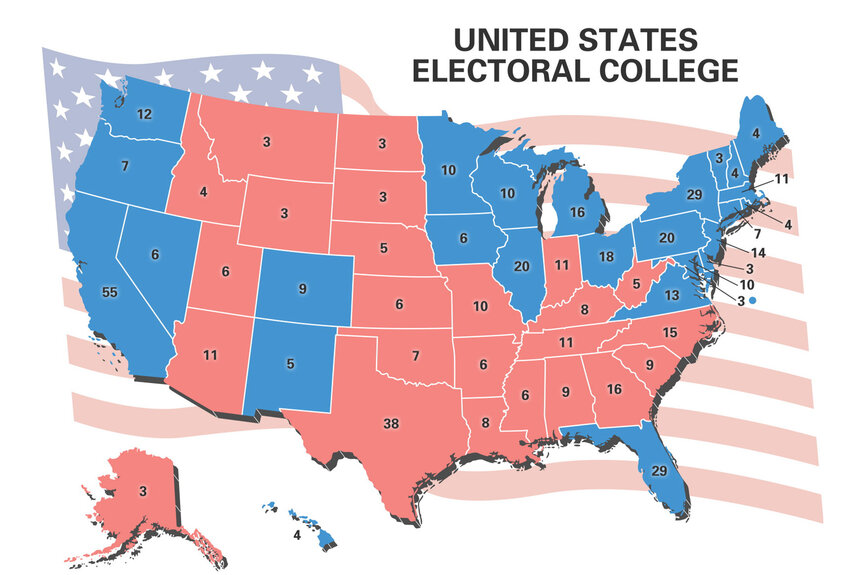
Beyond direct infrastructure, federal grants and programs support environmental initiatives vital for a state celebrated for its pristine beaches, coral reefs, and volcanic landscapes. These programs help fund conservation efforts for marine life, reforestation projects, and climate change resilience, all of which directly impact the sustainability of Hawaii’s tourism industry. The ability to influence national transportation policies, allocate resources for disaster preparedness, and participate in federal economic development initiatives underscores the tangible benefits of Hawaii’s four electoral votes, translating directly into a more robust and resilient destination for visitors.
Preserving Culture and Environment through Legislation
Hawaii’s distinct culture and unparalleled natural environment are not just attractions; they are integral to the state’s identity and the quality of life for its residents. Federal representation has been instrumental in safeguarding these invaluable assets. The state’s congressional delegation frequently champions legislation that protects sacred sites, promotes the Hawaiian language, and supports indigenous rights. For instance, efforts to preserve historical landmarks like those within Pearl Harbor or to recognize traditional Hawaiian practices are often bolstered by federal recognition and funding.
Environmental protections are equally critical. Hawaii’s senators and representatives actively participate in crafting national environmental policies, ensuring that unique ecosystems – from the volcanic landscapes of Hawaii Volcanoes National Park on the Big Island to the lush rainforests of Kauai – receive adequate protection. This includes advocating for funding for national parks, supporting marine sanctuaries, and promoting renewable energy initiatives tailored to Hawaii’s specific vulnerabilities as an island state. The legislative victories achieved through its federal representatives ensure that the very essence of Hawaii – its vibrant culture and breathtaking environment – remains intact for future generations of both residents and global travelers.
Exploring Hawaii: Beyond the Ballot Box
While the electoral votes and political representation define Hawaii’s standing within the United States, the true allure of the Aloha State lies in its captivating landscapes, rich history, and the warm hospitality of its people. These are the elements that draw millions of visitors each year, seeking experiences that range from adrenaline-pumping adventures to serene moments of reflection. Hawaii’s status as a state, with its federal protections and infrastructure support, directly enhances these experiences, ensuring that its natural and cultural treasures are accessible and preserved.
Iconic Destinations and Their Connection to State Identity
Every island in Hawaii offers a unique slice of paradise, each contributing to the state’s multifaceted identity.
- Oahu, home to the capital city of Honolulu, is a bustling hub where urban sophistication meets world-famous beaches. Waikiki Beach, with its iconic view of Diamond Head, epitomizes the luxurious resort experience. Nearby, the somber yet profoundly moving site of Pearl Harbor serves as a poignant reminder of Hawaii’s role in U.S. history, a role that was solidified with statehood and its subsequent participation in national governance.
- Maui, often referred to as the “Valley Isle,” captivates visitors with its stunning landscapes, from the sunrise views atop Haleakala National Park to the scenic drive along the Road to Hana. The island’s agricultural heritage, showcased in tours like the Maui Pineapple Tour, reflects an industry that benefits from federal agricultural policies and trade agreements, allowing its unique produce to reach markets beyond the islands.
- The Big Island, or Hawaii Island, is a land of extremes, boasting both active volcanoes like Kīlauea within Hawaii Volcanoes National Park and the towering peak of Mauna Kea, a global center for astronomical research. The scientific and environmental research conducted here often receives federal grants, demonstrating how Hawaii’s electoral voice indirectly supports its unique contributions to science and global understanding.
- Kauai, the “Garden Isle,” is renowned for its dramatic cliffs along the Na Pali Coast and lush, verdant interiors. Its agricultural output, like the coffee from the Kauai Coffee Estate, also benefits from federal support for farming and sustainable practices, ensuring the island’s natural beauty and economic vitality go hand-in-hand.
These landmarks and industries are not merely tourist attractions; they are embodiments of Hawaii’s identity, shaped and protected by its standing as a U.S. state. The federal government’s involvement, driven by the electoral process, ensures the sustainability of these destinations for both residents and visitors alike.
Experiencing Hawaii’s Unique Lifestyle and Hospitality
Beyond the political and geographical specifics, Hawaii offers a distinctive lifestyle rooted in the Polynesian concept of aloha – a spirit of love, peace, compassion, and mutual respect. This philosophy permeates every aspect of life in the islands, creating an atmosphere of unparalleled hospitality for tourists. Visitors can immerse themselves in local culture through luau experiences, hula performances, and traditional ceremonies, all of which are preserved and promoted thanks in part to state and federal initiatives that recognize the importance of cultural heritage.
The array of accommodation options in Hawaii further exemplifies this blend of local charm and global standards. From luxury resorts along Waikiki Beach to boutique hotels in Lahaina, Maui, and cozy vacation rentals on Kauai, the hospitality industry in Hawaii thrives. These establishments, often operating within federal and state regulations for safety, labor, and environmental impact, contribute significantly to the state’s economy, supporting countless local jobs. The overall visitor experience is enhanced by a robust infrastructure and a stable political environment, both of which are direct outcomes of Hawaii’s statehood and its representation in the federal government. For those seeking a blend of natural beauty, cultural immersion, and modern comforts, Hawaii truly offers a lifestyle experience unlike any other.

Hawaii’s Enduring Legacy: A Voice in the Union and a Global Treasure
In conclusion, Hawaii holds four electoral votes, a number that reflects its two senators and two representatives in the U.S. Congress. This seemingly simple fact unlocks a deeper understanding of Hawaii’s integral role within the United States and its ability to shape national policies that directly impact its future. Its statehood guarantees not only a voice in presidential elections but also a consistent platform for its unique challenges and aspirations to be heard and addressed at the federal level.
The four electoral votes are more than just a tally; they represent the collective voice of a diverse population, the protection of fragile ecosystems, and the preservation of a rich cultural heritage. They enable the infrastructure development that supports Hawaii’s thriving tourism industry and ensure that iconic landmarks remain accessible and sustainable. As travelers journey through the islands, they indirectly benefit from the stability and resources that federal representation provides.
From the volcanic peaks of the Big Island to the bustling streets of Honolulu on Oahu, Hawaii continues to stand as a testament to its vibrant past and promising future. Its enduring legacy is one of resilience, cultural richness, and unparalleled natural beauty – a global treasure that, through its modest yet significant electoral votes, maintains a powerful connection to the larger narrative of the United States while always staying true to its unique Aloha State spirit.
LifeOutOfTheBox is a participant in the Amazon Services LLC Associates Program, an affiliate advertising program designed to provide a means for sites to earn advertising fees by advertising and linking to Amazon.com. Amazon, the Amazon logo, AmazonSupply, and the AmazonSupply logo are trademarks of Amazon.com, Inc. or its affiliates. As an Amazon Associate we earn affiliate commissions from qualifying purchases.