
The allure of the Florida Keys is undeniable. This archipelago, stretching like a string of pearls off the southern coast of Florida, promises turquoise waters, vibrant coral reefs, and a laid-back lifestyle that beckons travelers from around the globe. But for those planning a visit or simply curious about this unique corner of the United States, a fundamental question often arises: just how many Florida Keys are there? The answer, like the Keys themselves, is a fascinating blend of geography, history, and a touch of local interpretation.
At its simplest, the most commonly cited figure for the number of named islands in the Florida Keys is around 800. However, this number can vary depending on what constitutes an “island” or “key” and whether uninhabited mangrove islets are included. For practical travel and tourism purposes, the focus narrows significantly to the roughly 42 bridge-connected keys that form the backbone of the Overseas Highway (U.S. Highway 1), linking the mainland to the iconic Key West. These are the islands most visitors will encounter, offering a diverse array of attractions, accommodations, and experiences.
Understanding the true scope of the Florida Keys requires delving into their geological origins and the distinct regions that characterize this remarkable chain. From the bustling energy of the Upper Keys to the tranquil beauty of the Lower Keys, each segment offers a unique flavor of what makes this destination so special. Whether you’re seeking adventure on the water, cultural immersion, or simply a luxurious escape, the Florida Keys deliver a memorable travel experience.
The Geography and Formation of the Florida Keys
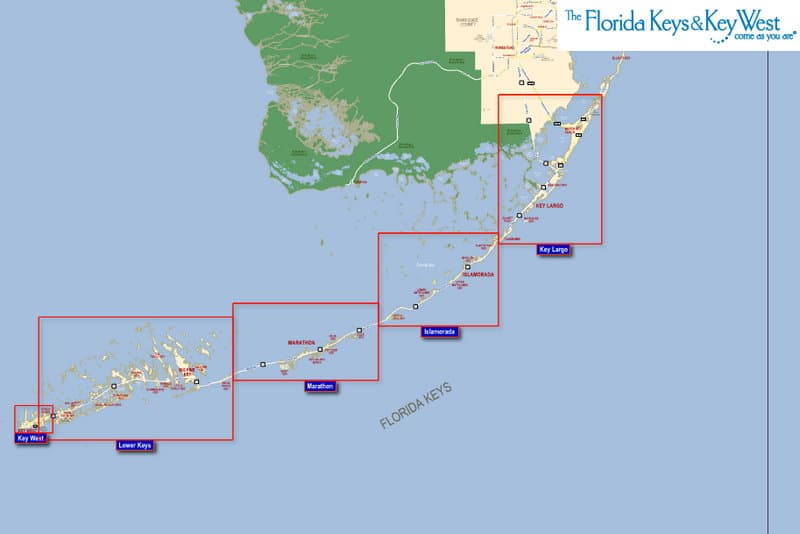
The Florida Keys are a crescent-shaped chain of islands that begin about 15 miles south of Miami and extend southwestward for over 120 miles towards the Gulf of Mexico. They separate the Atlantic Ocean to the east from the Gulf of Mexico (and Florida Bay) to the west. This unique geographical position contributes to their distinctive climate and rich marine biodiversity, making them a world-renowned destination for snorkeling, diving, and fishing.
Geologically, the Florida Keys are the exposed portions of an ancient coral reef, formed thousands of years ago when sea levels were higher. As the sea levels receded and then rose again, the limestone bedrock, composed of fossilized coral and oolitic limestone, was exposed. This porous limestone acts like a giant sponge, allowing freshwater to percolate through, creating a unique ecosystem both above and below the surface. The northernmost keys, from Key Largo to Big Pine Key, are primarily composed of Key Largo Limestone, which is fossilized ancient coral reef. South of Big Pine Key, including Key West, the keys are formed from oolitic limestone, which is a different type of calcium carbonate formation.
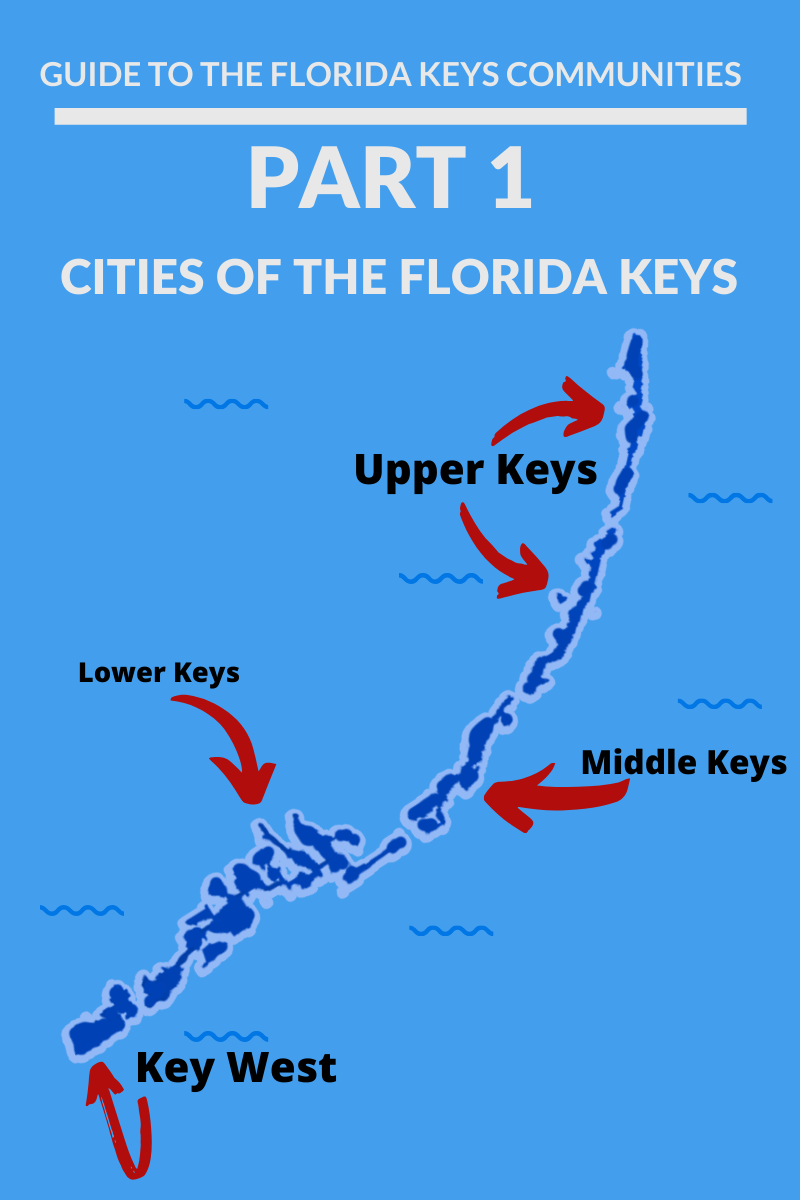
The term “key” itself comes from the Spanish word “cayo,” meaning small island, and is fitting given the often diminutive size of these landmasses. The chain is generally divided into three main regions for tourism and administrative purposes:
- The Upper Keys: From Key Largo to Long Key. Known for their proximity to the mainland, extensive coral reefs, and excellent diving opportunities.
- The Middle Keys: From Long Key to the western end of the Seven Mile Bridge. Often characterized by their fishing culture, family-friendly resorts, and access to both the Atlantic Ocean and the Gulf of Mexico.
- The Lower Keys: From the western end of the Seven Mile Bridge to Key West and beyond to the uninhabited Dry Tortugas. These keys are generally wilder, more sparsely populated, and known for their unique ecosystems and charming, historic towns.
The environmental significance of the Florida Keys cannot be overstated. They are home to the continental United States’ only living coral barrier reef, which is protected within the Florida Keys National Marine Sanctuary. This precious natural landmark supports an incredible array of marine life, from colorful reef fish to sea turtles and dolphins, making it a prime destination for eco-tourism and marine biology enthusiasts. Preserving this delicate ecosystem is a critical aspect of tourism and lifestyle in the Keys, with numerous initiatives focused on conservation and sustainable practices.
The Count: Inhabited vs. Uninhabited Keys
While the impressive figure of 800+ islands gives a sense of the sheer number of landmasses, it’s more practical for travelers to focus on the inhabited and easily accessible keys. The majority of the 800 keys are small, uninhabited mangrove islands, often barely above sea level and accessible only by boat, if at all. These smaller keys are crucial ecological habitats, serving as nurseries for marine life and nesting grounds for birds, but they don’t typically feature on a tourist’s itinerary.
For the purpose of travel, the number of “main” or “bridge-connected” Florida Keys is approximately 42. These are the islands you’ll traverse on the famous Overseas Highway (U.S. Highway 1), the scenic route that stitches the islands together with a series of bridges, including the marvel of engineering, the Seven Mile Bridge. These 42 keys are where you’ll find the towns, resorts, attractions, and infrastructure that support the vibrant tourism industry.
Let’s break down some of the most prominent and popular keys:
The Major Playgrounds: Upper and Middle Keys
-
Key Largo: Often called the “Diving Capital of the World,” Key Largo is the first and largest of the Upper Keys. It’s home to John Pennekamp Coral Reef State Park, the first undersea park in the United States, and the famous Christ of the Abyss statue. Divers and snorkelers flock here to explore the vibrant coral reefs and shipwrecks. Accommodation options range from luxury resorts to charming boutique hotels, catering to all types of travelers, from family trips to romantic getaways. The Key Largo area also offers excellent fishing charters and eco-tours.
-
Islamorada: Known as the “Sportfishing Capital of the World,” Islamorada is a village of islands, including Plantation Key, Windley Key, Upper Matecumbe Key, Lower Matecumbe Key, and Lignumvitae Key. This collection of islands offers world-class fishing, from backcountry tarpon to offshore sailfish. Beyond fishing, visitors can enjoy dolphin encounters at Theater of the Sea, explore art galleries, and savor fresh seafood at waterfront restaurants. It’s a prime destination for those seeking an active yet relaxed lifestyle, with a variety of resorts and vacation rentals.

- Marathon: Situated in the heart of the Middle Keys, Marathon is a hub of activity with a more local, residential feel. It’s home to the Dolphin Research Center, Sombrero Beach, and the historic Pigeon Key, accessible via a scenic bridge walk. Marathon offers a good balance of attractions, dining, and diverse accommodation, from family-friendly resorts to vacation homes, making it an excellent base for exploring both the Upper and Lower Keys. The Seven Mile Bridge starts just south of Marathon, offering breathtaking views.
The Wild Charm: Lower Keys and Key West
-
Big Pine Key: This is the gateway to the Lower Keys, known for its quieter, more natural atmosphere. Big Pine Key is famous for the National Key Deer Refuge, home to the endangered Key Deer, a miniature subspecies of white-tailed deer. The island also boasts the stunning Bahia Honda State Park, consistently rated among the best beaches in the United States, offering pristine shores and excellent snorkeling. Accommodation here tends to be more understated, with charming guesthouses and campgrounds appealing to nature lovers and budget travelers.
-
Key West: The southernmost point of the continental United States and the undisputed crown jewel of the Florida Keys. Key West is a vibrant, eclectic city famous for its pastel-colored Victorian architecture, lively Duval Street, and unforgettable sunsets at Mallory Square. Rich in history and culture, it was once home to Ernest Hemingway, whose house is now the Ernest Hemingway Home and Museum. Other landmarks include the Southernmost Point Buoy and the Harry S Truman Little White House. Key West offers a wide range of luxury hotels, boutique guesthouses, and budget-friendly accommodations, catering to every lifestyle, from romantic getaways to lively group trips. It’s a destination in itself, often requiring several days to fully explore its charm, cuisine, and unique nightlife.
-
Dry Tortugas National Park: While technically 70 miles west of Key West and accessible only by ferry or seaplane, the Dry Tortugas are an integral part of the Florida Keys experience. This remote park is home to the magnificent Fort Jefferson, pristine coral reefs, and abundant marine life. It’s a testament to the wild, untouched beauty that exists at the very end of the island chain, offering a truly unique nature and history experience.
Planning Your Florida Keys Adventure: Travel, Tourism, and Lifestyle
Visiting the Florida Keys is more than just a trip; it’s an immersion into a distinct culture and a unique way of life. When planning your journey, consider the diverse offerings across the keys to tailor an itinerary that matches your interests, whether they lean towards luxury travel, budget-conscious exploration, or family-focused fun.
Getting There and Getting Around
The primary gateway to the Florida Keys is Miami International Airport (MIA) or Fort Lauderdale International Airport (FLL), from which you can rent a car and drive south on the scenic Overseas Highway. This drive itself is an iconic part of the Florida Keys experience, offering breathtaking ocean views. For those heading directly to the southernmost point, Key West International Airport (EYW) offers direct flights from several major U.S. cities. Once in the Keys, a car is essential for exploring the various islands at your own pace. Public transportation between keys is limited, making personal vehicles or taxis the most practical options.
Accommodation: Finding Your Perfect Stay
The Florida Keys boast an impressive array of accommodation options, catering to every preference and budget.
- Resorts and Hotels: From opulent beachfront resorts in Key Largo and Islamorada offering full-service marinas, spas, and gourmet dining, to charming historic hotels in Key West with tropical gardens and pools. Many properties feature suites, private villas, or bungalows, perfect for extended stays or luxury travel. Amenities often include direct beach access, watersports rentals, and on-site restaurants.
- Boutique Guesthouses and B&Bs: Particularly prevalent in Key West, these offer a more intimate and personalized experience, often steeped in local charm and history.
- Vacation Rentals: Apartments, villas, and houses are popular choices for families, groups, or those planning a longer stay, providing the comfort and convenience of a home away from home. Websites for booking accommodation in the Florida Keys often feature detailed reviews and comparison tools to help you find the ideal match for your travel style.
- Camping: For budget travelers and nature enthusiasts, several state parks, including John Pennekamp Coral Reef State Park and Bahia Honda State Park, offer scenic campgrounds.
Activities and Attractions: Experiences for Every Traveler
The tourism landscape of the Florida Keys is incredibly diverse, offering something for everyone.
- Water Sports: Snorkeling, scuba diving, fishing (deep-sea, flats, backcountry), kayaking, paddleboarding, and sailing are quintessential Florida Keys activities. Guided tours and equipment rentals are widely available.
- Nature and Wildlife: Explore state parks, national wildlife refuges like the National Key Deer Refuge, or embark on eco-tours to spot dolphins, manatees, and exotic birds. Don’t miss the chance to visit Biscayne National Park at the northern end of the Keys or even extend your trip to the Everglades National Park on the mainland.
- Culture and History: Dive into the rich history of Key West with visits to the Ernest Hemingway Home and Museum, the Harry S Truman Little White House, and the numerous art galleries and quirky shops. Each key has its own local culture and unique stories to tell.
- Food and Drink: Savor fresh seafood, especially local favorites like conch fritters and Key West pink shrimp. No trip is complete without trying a slice of authentic Key Lime Pie. The dining scene ranges from casual beachside shacks to upscale fine dining establishments.
- Relaxation: For many, the ultimate activity in the Florida Keys is simply relaxing. Enjoy a sunset cruise, lounge by the pool, or stroll along a secluded beach. The slow pace of life and the stunning natural beauty create an ideal environment for unwinding.
Lifestyle and Tips for Your Trip
The lifestyle in the Florida Keys is famously laid-back and casual. “Island time” is a real concept here, so embrace the relaxed pace.
- Dress Code: Casual attire is the norm. Think shorts, t-shirts, sundresses, and flip-flops. Even in upscale restaurants, the vibe remains relaxed.
- Weather: Expect warm, humid weather year-round. Summers can be hot with frequent afternoon thunderstorms, while winters are mild and pleasant. Hurricane season runs from June to November, so it’s wise to check forecasts if traveling during these months.
- Packing Essentials: Sunscreen, bug spray (especially for evenings), a wide-brimmed hat, sunglasses, swimwear, and lightweight clothing are crucial.
- Respect Nature: The Keys’ delicate ecosystem is its greatest asset. Always dispose of trash properly, avoid touching coral reefs, and be mindful of wildlife. Support local businesses and eco-friendly tourism initiatives.
- Budgeting: The Florida Keys can accommodate various budgets. While luxury travel is easily found, budget-friendly options exist through camping, guesthouses, and self-catering accommodations. Eating at local eateries and enjoying free natural attractions can also help manage costs.
In conclusion, while the precise number of Florida Keys can be debated depending on definitions, the most relevant count for travelers focuses on the approximately 42 major islands connected by the Overseas Highway. Each of these vibrant islands, from the coral reef havens of the Upper Keys to the historic charm of Key West, offers a distinct and unforgettable experience. Whether you’re seeking adventure, relaxation, or cultural enrichment, the Florida Keys are a destination that truly has it all, promising a journey filled with warmth, beauty, and the inimitable spirit of island life.
LifeOutOfTheBox is a participant in the Amazon Services LLC Associates Program, an affiliate advertising program designed to provide a means for sites to earn advertising fees by advertising and linking to Amazon.com. Amazon, the Amazon logo, AmazonSupply, and the AmazonSupply logo are trademarks of Amazon.com, Inc. or its affiliates. As an Amazon Associate we earn affiliate commissions from qualifying purchases.