
Nestled in the heart of the Pacific Ocean, the Hawaiian Islands evoke images of perpetual sunshine, golden beaches, and endless summer. While this vision holds true for much of the year, even paradise experiences its seasons. Understanding when the raining season occurs in Hawaii is crucial for planning your perfect getaway, whether you’re seeking a sun-drenched escape or aiming to leverage off-peak advantages. This comprehensive guide will delve into Hawaii’s climate patterns, microclimates, and offer invaluable tips for navigating the islands, rain or shine.
Understanding Hawaii’s Climate: A Tropical Paradise with Seasons
Hawaii’s climate is famously mild and pleasant year-round, characterized by consistent trade winds that bring refreshing breezes and contribute to its unique weather patterns. Unlike temperate zones with four distinct seasons, Hawaii primarily experiences two: a drier, warmer summer season and a wetter, slightly cooler winter season.
General Overview of Wet and Dry Seasons
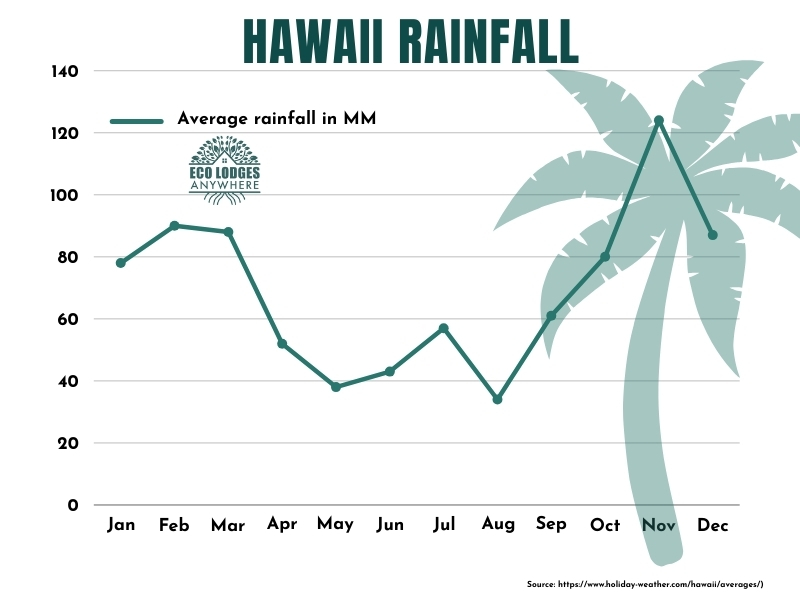
The dry season in Hawaii typically runs from April to October. During these months, visitors can expect abundant sunshine, warm temperatures averaging in the high 70s to low 80s Fahrenheit (25-29°C), and lower humidity. This period is considered peak tourist season, drawing crowds eager to enjoy the pristine beaches, vibrant ocean activities, and a nearly guaranteed sunny forecast. This is when the surfing conditions are generally calmer, ideal for snorkeling, diving, and paddleboarding on the leeward coasts.
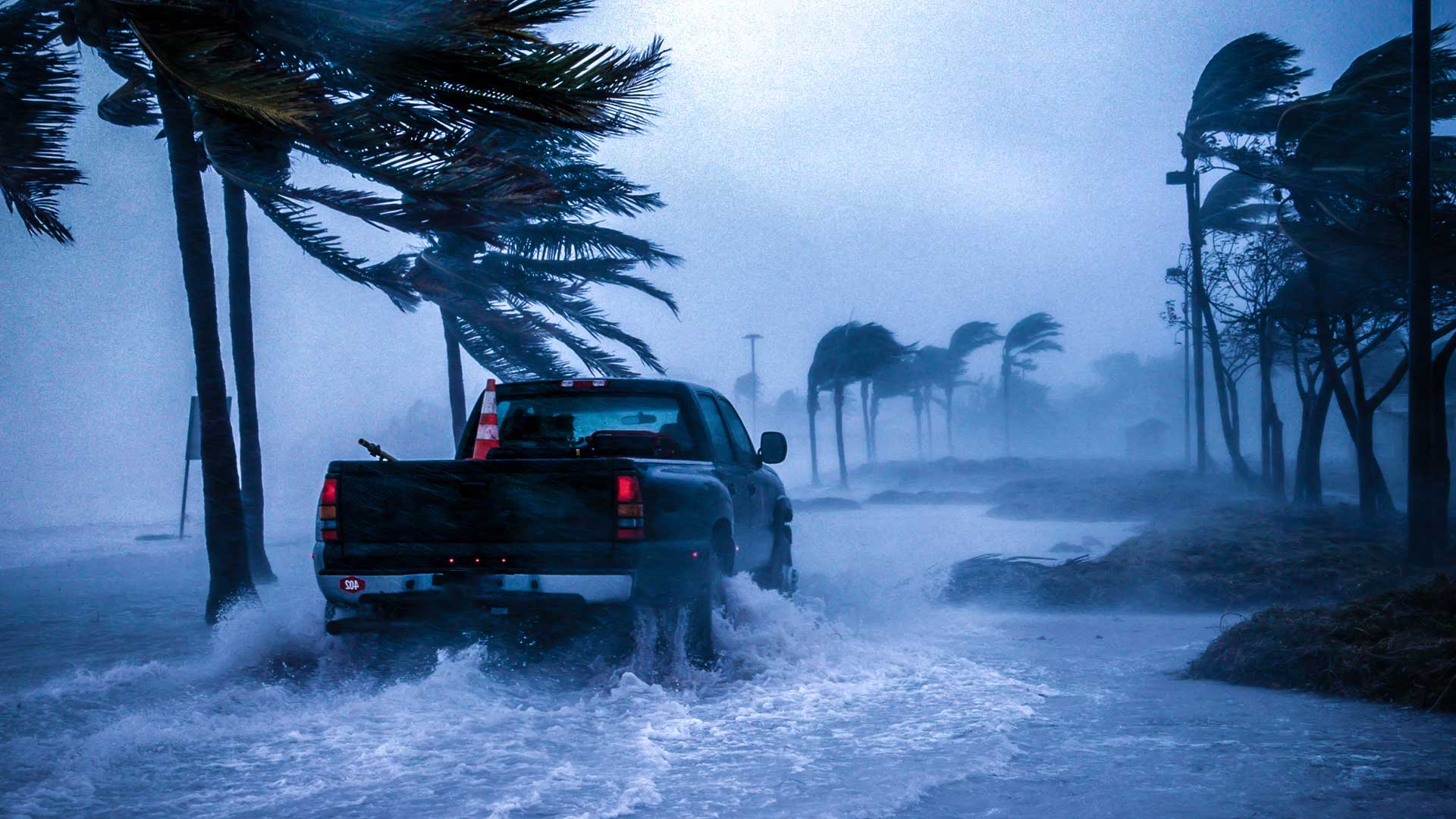
Conversely, the raining season in Hawaii generally spans from November to March. During these months, the islands receive more rainfall, temperatures are slightly cooler (mid-70s F / 23-26°C), and humidity levels can be higher. It’s important to clarify that “raining season” doesn’t mean non-stop torrential downpours across all islands. Often, rain showers are localized, brief, and frequently followed by sunshine, creating the iconic rainbows Hawaii is famous for. However, visitors should be prepared for the possibility of extended periods of rain, especially during the winter months when cold fronts occasionally pass through, bringing more widespread and prolonged precipitation. These months also bring larger swells to the north shores of islands like Oahu and Maui, making it a prime time for experienced surfers to tackle world-renowned breaks, but less ideal for casual beachgoers on those coasts.
Microclimates: Why Location Matters
One of the most fascinating aspects of Hawaii’s weather is its dramatic microclimates. Due to the islands’ volcanic topography and prevailing trade winds, weather conditions can vary significantly within just a few miles. Each island essentially has a “wet side” and a “dry side.”
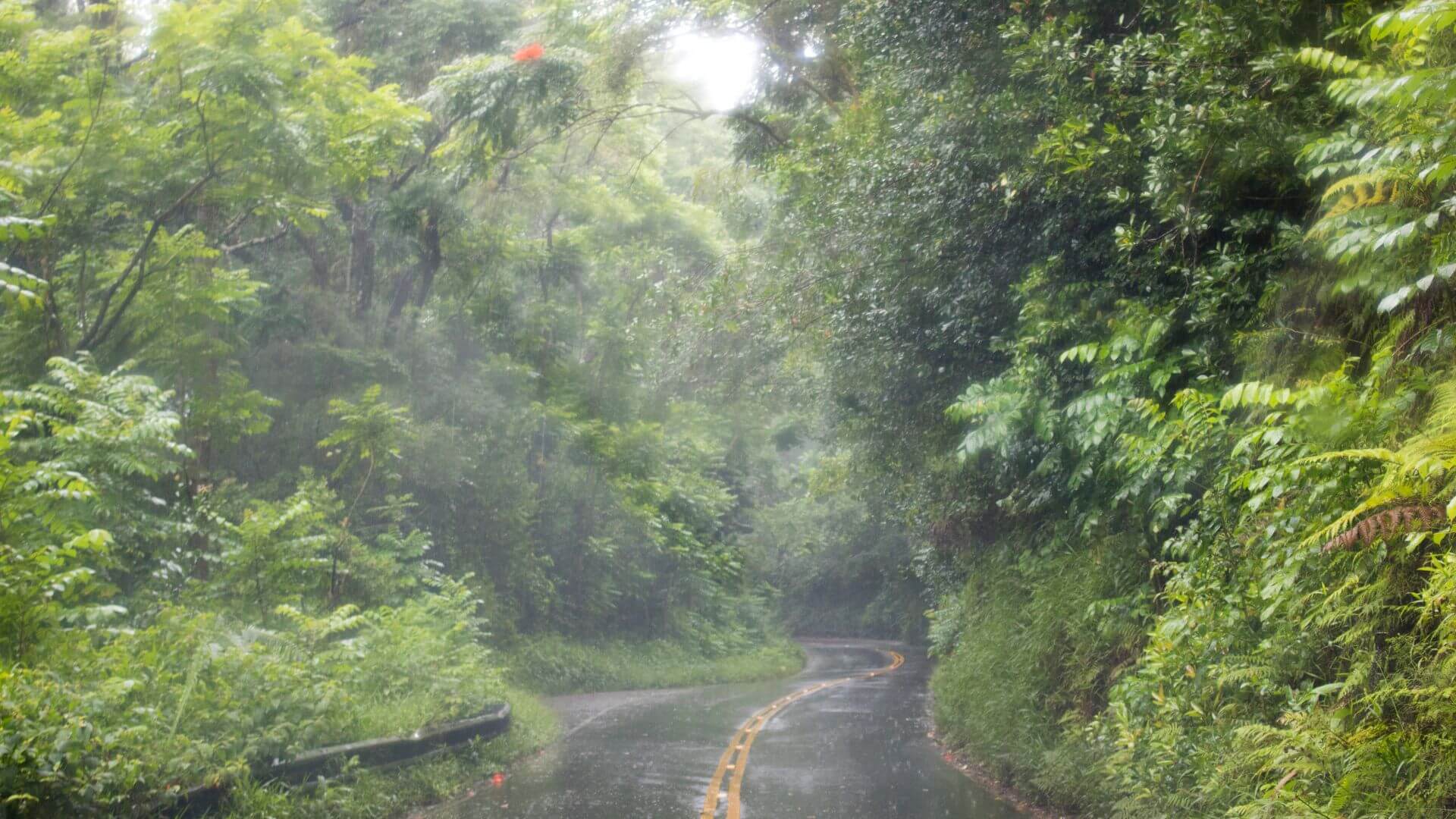
- Windward (Wet) Sides: These are the eastern and northeastern sides of the islands, which directly face the trade winds. As moist air from the Pacific Ocean is pushed against the tall volcanic mountains, it rises, cools, and condenses, leading to frequent rainfall. Areas like Hilo on Hawaii Island, the Na Pali Coast of Kauai, and the lush rainforests along the Road to Hana on Maui exemplify these verdant, often rainy regions. This constant moisture feeds the incredible tropical flora and creates spectacular waterfalls, making them beautiful, albeit wetter, destinations.
- Leeward (Dry) Sides: These are the western and southwestern sides, sheltered from the trade winds by the mountains. Here, the air descends, warms, and dries out, resulting in much less rainfall and sunnier, drier conditions. Popular tourist hubs such as Waikiki on Oahu, Lahaina and Wailea on Maui, Kailua-Kona on Hawaii Island, and Poipu on Kauai are all situated on the leeward sides, making them ideal choices for sun-seekers even during the official raining season.
This phenomenon means that even if you visit during the wetter months, you can often find sunshine by simply driving to a different side of the island. It also explains why some regions of Hawaii are arid and desert-like, while others are lush rainforests, all within a short distance.
Navigating the Rainy Season: What to Expect and How to Prepare
Visiting Hawaii during the raining season offers a unique experience, often with fewer crowds and potentially better deals on travel and accommodations. However, preparation is key to ensuring a smooth and enjoyable trip.
Island-Specific Rain Patterns: From Oahu to the Big Island
While the general rule of thumb applies to most islands, there are nuances worth noting for each major destination:
- Oahu: The capital island sees its fair share of rain from November to March, primarily on the windward (eastern) side and in mountainous areas. Iconic Waikiki and Honolulu on the leeward side remain relatively dry and sunny, even during the wet season. However, expect heavier surf on the North Shore, famous for legendary spots like Pipeline and Waimea Bay.
- Maui: Similar to Oahu, Maui’s leeward coasts like Kihei, Wailea, and Lahaina are considerably drier. The eastern side, particularly along the Road to Hana and the slopes of Haleakala, receives substantial rainfall, creating stunning waterfalls. Winter is also prime whale-watching season in the channels between Maui and neighboring islands.
- Kauai: Known as the “Garden Isle,” Kauai is generally wetter than its sister islands due to its older, more eroded mountains and the extreme rainfall at Mount Waialeale, one of the wettest spots on Earth. Its north shore, including Princeville, experiences more rain during winter, while the south shore (Poipu) remains drier. The lushness of Kauai is a direct result of this moisture.
- Hawaii Island (The Big Island): This island presents the most dramatic climate contrasts. The Kailua-Kona side (west) is notoriously dry and sunny. In stark contrast, the Hilo side (east) is one of the wettest populated areas in the United States. The Hawaii Volcanoes National Park area can experience varied weather, often cool and misty. When planning for Hawaii Island, the choice of coast significantly dictates your weather experience.
- Molokai and Lanai: These smaller islands generally follow the same windward/leeward patterns as their larger counterparts, with their leeward sides offering sunnier conditions.
Activities and Attractions During the Wetter Months
Don’t let the prospect of rain deter you from visiting Hawaii during its wetter season. Many activities are enhanced by the rain or provide excellent indoor alternatives:
- Chasing Waterfalls: The raining season brings the waterfalls to life! Cascading torrents are at their most spectacular, especially in places like Iao Valley on Maui or along the Road to Hana.
- Surfing and Whale Watching: Winter months bring bigger swells to the north shores, attracting professional surfers and spectators. It’s also prime whale-watching season as humpback whales migrate to Hawaii’s warm waters for calving and breeding.
- Hiking: While some trails can become muddy and slippery, others are transformed by the rain, showcasing vibrant green foliage and misty, ethereal landscapes. Always check trail conditions before heading out.
- Cultural Attractions: Immerse yourself in Hawaiian history and culture. Visit museums like the Bishop Museum in Honolulu, the Iolani Palace, or the Polynesian Cultural Center.
- Shopping and Dining: Hawaii boasts world-class shopping centers like Ala Moana Center on Oahu and a diverse culinary scene offering everything from fine dining to authentic local food trucks.
- Aquariums and Ocean Centers: Places like the Maui Ocean Center or the Waikiki Aquarium offer fascinating indoor experiences focused on marine life.
- Spa and Wellness: Many luxury resorts offer extensive spa facilities, providing a perfect rainy-day escape.
- Exploring Volcanoes: While weather around Hawaii Volcanoes National Park can be unpredictable, the volcanic landscapes offer a dramatic experience regardless of the weather.
Accommodations and Travel During the Off-Peak Season
The raining season, being the off-peak period for tourism, presents several advantages for travelers:
- Cost Savings: Flights, hotels, and rental cars are generally more affordable from November to mid-December and again from January through March, avoiding the Christmas and New Year’s peak. This makes budget travel more accessible.
- Fewer Crowds: Attractions, beaches, and restaurants are less crowded, allowing for a more relaxed and authentic experience. You might find it easier to book tours or secure reservations at popular eateries.
- Accommodation Variety: You’ll have a wider selection of accommodations, from luxury resorts like the Four Seasons Resort Maui at Wailea or The Royal Hawaiian to cozy vacation rentals, apartments, and villas, often at reduced rates. This is an excellent time to explore resorts with extensive indoor amenities, like the Aulani, A Disney Resort & Spa, which offer plenty to do even if it rains.
- Long-Term Stays: For those considering an extended stay, the lower prices during the rainy season can make long-term accommodation options more feasible and enjoyable.
When booking your stay, consider properties on the leeward sides of the islands if maximizing sunshine is a priority. Many hotels, suites, and villas in areas like Wailea (Maui) or Poipu (Kauai) are designed to offer a complete resort experience, ensuring comfort and entertainment regardless of external conditions.
Making the Most of Your Hawaiian Getaway, Rain or Shine
Embracing the spirit of “Aloha” means being prepared for whatever Mother Nature brings. A little planning can ensure that your Hawaiian vacation is magical, whether under a rainbow or brilliant sun.
Packing Essentials and Practical Tips
- Layers: Pack light clothing suitable for warm weather, but also bring a light jacket or sweater for cooler evenings or higher elevations (like Haleakala National Park).
- Rain Gear: A lightweight, packable rain jacket or umbrella is a must. Don’t underestimate the utility of waterproof shoes or sandals if you plan on hiking.
- Sun Protection: Even on cloudy or rainy days, the tropical sun can be intense. Sunscreen, hats, and sunglasses are essential.
- Insect Repellent: Mosquitoes can be more prevalent in lush, wet areas.
- Flexible Itinerary: Be prepared to adjust your plans. If one side of the island is rainy, check the forecast for the other side or consider an indoor activity.
- Car Rental: A rental car offers the flexibility to chase the sun or explore different microclimates, which is particularly valuable during the wetter months.
- Check Forecasts: Always check local weather forecasts upon arrival, keeping in mind that conditions can change rapidly. Focus on specific towns or regions rather than island-wide predictions.
Embracing the Aloha Spirit, Whatever the Weather
The essence of a Hawaiian vacation isn’t solely about perfect weather; it’s about the unique culture, the breathtaking natural beauty, and the warm hospitality of its people. The raining season, far from being a deterrent, can offer a different, often more profound, appreciation for the islands:
- Lush Landscapes: The rain nourishes the islands, making the rainforests greener, the flowers more vibrant, and the waterfalls more dramatic. It’s a photographer’s dream.
- Authentic Experiences: With fewer tourists, you might find more opportunities to connect with local culture, enjoy uncrowded beaches, and discover hidden gems.
- Rainbows Galore: The intermittent showers and sunshine create countless opportunities to witness stunning rainbows, a hallmark of the Hawaiian experience.
- Cozy Relaxation: Rainy days can be an invitation to slow down, enjoy your hotel’s amenities, read a book by the window, or indulge in a spa treatment.
In conclusion, while Hawaii’s raining season typically falls between November and March, the islands’ diverse microclimates mean sunshine is almost always within reach. By understanding these patterns and preparing accordingly, you can enjoy a memorable and perhaps even more enriching Hawaiian adventure, irrespective of the weather. The magic of Hawaii truly shines through, rain or shine.
LifeOutOfTheBox is a participant in the Amazon Services LLC Associates Program, an affiliate advertising program designed to provide a means for sites to earn advertising fees by advertising and linking to Amazon.com. Amazon, the Amazon logo, AmazonSupply, and the AmazonSupply logo are trademarks of Amazon.com, Inc. or its affiliates. As an Amazon Associate we earn affiliate commissions from qualifying purchases.