
Camp Pendleton, a name synonymous with the United States Marine Corps, is far more than just a military installation; it’s a colossal landmark nestled along the picturesque coast of Southern California. Its vast expanse, covering over 125,000 acres, makes it one of the largest Marine Corps bases in the country, commanding a significant stretch of prime coastal real estate. For travelers, history buffs, and those simply curious about military presence in the region, understanding its precise location and the vibrant surrounding areas is key to unlocking a unique Southern California experience.
This iconic base, established in 1942, serves as the primary amphibious training base of the Marine Corps on the West Coast, playing a crucial role in national defense. However, its influence extends beyond military operations, shaping the demographics, economy, and even the local culture of the communities bordering its perimeter. From its stunning natural landscapes, including miles of undeveloped beaches and diverse ecosystems, to its proximity to bustling tourist destinations and charming coastal towns, Camp Pendleton sits at the nexus of strategic importance and leisure opportunities. Whether you’re planning a visit to the region, exploring potential relocation, or simply keen to understand the geography of this pivotal military site, delving into its location and the surrounding attractions offers a compelling insight into one of California’s most fascinating areas.

Unveiling the Location of Camp Pendleton
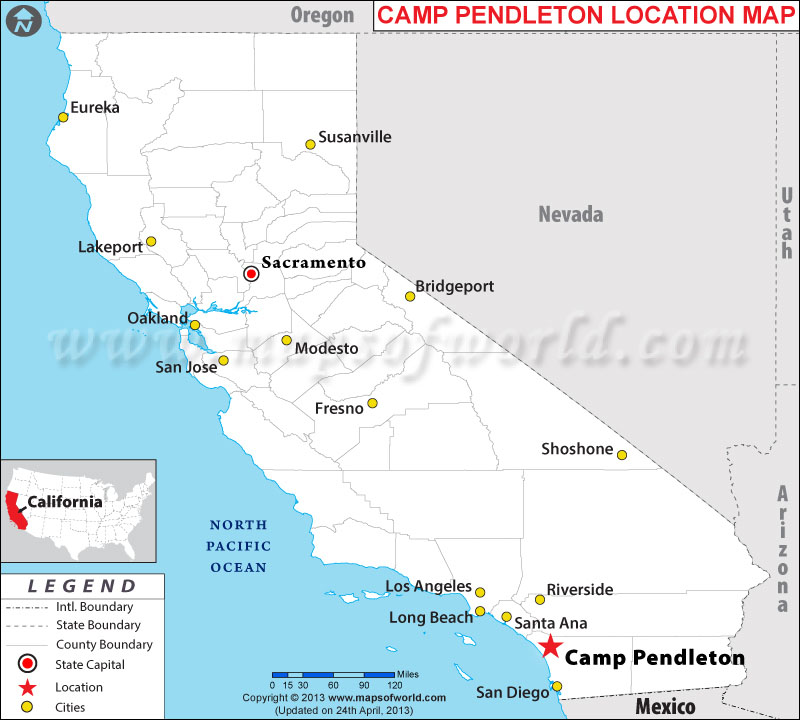
Pinpointing Camp Pendleton on a map reveals its strategic and picturesque placement along the Pacific Ocean. Its location is not just about coordinates but about its relationship with some of Southern California’s most celebrated cities and natural landscapes.
Geographic Coordinates and Proximity to Major Cities
Camp Pendleton is primarily situated in San Diego County, stretching across a significant portion of its northern border. Its northernmost reaches, in fact, brush against the southern tip of Orange County, creating a natural buffer between these two highly populated and distinct California counties.
To the south, the base directly borders the city of Oceanside, a vibrant coastal community known for its pier, harbor, and surf culture. This proximity means that many military personnel and their families reside in Oceanside, and the city’s economy is closely tied to the base. Driving south from Camp Pendleton along Interstate 5, you’ll quickly find yourself in the heart of San Diego, a major metropolitan hub offering a plethora of attractions, dining, and cultural experiences. The drive typically takes about 45 minutes to an hour, depending on traffic, making San Diego an easily accessible destination for day trips or weekend getaways.
Heading north from Camp Pendleton, the first major city you encounter is San Clemente in Orange County. Often referred to as “The Spanish Village by the Sea,” San Clemente offers a charming, laid-back atmosphere with its distinctive Spanish colonial architecture, stunning beaches, and a lively pier. Further north in Orange County, you’ll find cities like Dana Point, Laguna Beach, and Newport Beach, all famous for their upscale resorts, art scenes, and pristine coastline.
Inland, to the east, Camp Pendleton borders agricultural communities like Fallbrook and Bonsall, known for their avocado groves and rural charm. The base’s vast interior is largely undeveloped, featuring rolling hills, chaparral, and riparian areas, serving as vital habitat for numerous plant and animal species, some of which are endangered. This protected natural landscape provides a stark contrast to the dense urbanization found just beyond its borders. The extensive coastline, approximately 17 miles of it, also remains largely untouched, representing one of the last undeveloped stretches of beach in Southern California.
A Strategic Military Enclave and Historical Landmark
The sheer scale of Camp Pendleton underscores its importance. It encompasses diverse training environments, from beaches suitable for amphibious landings to rugged terrain for vehicle maneuvers and live-fire exercises. This versatility is crucial for the continuous readiness of the Marine Corps and its ability to respond to global contingencies. The base is home to the I Marine Expeditionary Force (I MEF), which comprises a significant portion of the total active duty strength of the Marine Corps.
Beyond its modern military function, Camp Pendleton is a landmark with a rich history. The land itself was originally part of Rancho Santa Margarita y Las Flores, one of California’s largest and most valuable ranchos during the Spanish and Mexican periods. Its acquisition by the federal government during World War II was a monumental undertaking, transforming a sprawling cattle ranch into a state-of-the-art training facility dedicated to General Joseph Henry Pendleton. This historical layer adds another dimension to its identity, weaving together military heritage with the broader narrative of California’s development from a frontier to a global powerhouse.
Exploring the Vibrant Surroundings: Tourist Attractions and Lifestyle
While Camp Pendleton itself is primarily a military installation with restricted access, its surrounding areas offer an abundance of travel destinations, tourist attractions, and diverse experiences that cater to a wide range of interests. The region seamlessly blends military history with a quintessential Southern California lifestyle, making it an appealing area for visitors.
Coastal Charms and Outdoor Adventures
The coastline immediately adjacent to Camp Pendleton is a treasure trove for outdoor enthusiasts. San Onofre State Beach, located just north of the base, is renowned for its world-class surfing breaks, particularly Trestles Beach, which draws surfers from around the globe. This stretch of coast is protected and offers a more natural, undeveloped experience compared to many other California beaches, perfect for those seeking tranquility, birdwatching, or long walks along the shore. San Clemente State Beach further north provides excellent camping facilities with stunning ocean views, making it a popular choice for family trips.
South of the base, the city of Oceanside boasts a lively beach scene, centered around its historic pier, which is one of the longest wooden piers on the West Coast. Here, visitors can fish, stroll, or simply enjoy the ocean breeze. The nearby Oceanside Harbor offers opportunities for whale watching tours, fishing charters, and paddleboarding. For those who enjoy hiking and biking, the regional parks and trails winding through the coastal canyons and hills provide scenic routes with panoramic ocean views and glimpses of the local flora and fauna. The area’s Mediterranean climate makes it ideal for year-round outdoor activities.
Cultural Highlights and Local Experiences
The cities bordering Camp Pendleton each have their unique cultural flavors. San Clemente, with its distinctive white stucco buildings and red tile roofs, exudes a charming Spanish influence. The San Clemente Pier is a focal point, offering dining options and a classic California beach town vibe. The downtown area, especially along Del Mar Street, is filled with boutique shops, art galleries, and restaurants serving everything from fresh seafood to authentic Mexican cuisine. Regular farmers’ markets and local art walks provide a taste of the community’s vibrant local culture.
Oceanside has undergone a significant revitalization, transforming into a hip destination with a thriving food scene, craft breweries, and a growing arts district. The California Surf Museum is a must-visit for anyone interested in the history and culture of surfing, featuring an impressive collection of boards, photographs, and memorabilia. The city also hosts various events throughout the year, from surf competitions to street fairs, reflecting its dynamic character. The presence of the military base also instills a strong sense of community and patriotism in both Oceanside and San Clemente, with numerous events and memorials honoring service members.
Family-Friendly Fun and Nearby Destinations
For families traveling to the region, the area around Camp Pendleton serves as an excellent base for exploring some of Southern California’s most famous attractions. Just a short drive south to Carlsbad, visitors can immerse themselves in the colorful world of Legoland California Resort, a theme park specifically designed for younger children. Carlsbad also offers the seasonal beauty of the Flower Fields at Carlsbad Ranch and the serene Leo Carrillo Ranch Historic Park.
Further south, the city of San Diego is home to world-renowned attractions such as the San Diego Zoo and Safari Park, Balboa Park with its museums and gardens, and SeaWorld San Diego. The historic Gaslamp Quarter offers vibrant nightlife and diverse dining.
To the north, within a reasonable driving distance, lies Anaheim, the home of Disneyland Park and Disney California Adventure Park. These iconic theme parks provide unparalleled entertainment for all ages. The accessibility to these major destinations from the Camp Pendleton area makes it a convenient and strategic spot for family trips, combining beach relaxation with thrilling theme park adventures.
Accommodation Options Near Camp Pendleton
When planning a visit to the region surrounding Camp Pendleton, finding the right accommodation is key to a comfortable and enjoyable stay. The area offers a diverse range of options, from luxurious resorts to budget-friendly hotels and convenient vacation rentals, catering to different preferences and travel styles, including those on family trips, business stays, or even long-term stays.
Hotels and Resorts for Every Traveler
The cities immediately bordering Camp Pendleton, namely Oceanside to the south and San Clemente to the north, serve as the primary hubs for hotel accommodations.
In Oceanside, you’ll find a growing selection of modern hotels, many of which are situated near the beach and pier, offering stunning ocean views and easy access to local attractions. These often range from well-known chain hotels to stylish boutique properties that have emerged as part of the city’s revitalization. Options here can cater to both budget travelers looking for comfortable stays and those seeking a slightly more upscale experience with amenities like pools, fitness centers, and on-site dining. The city’s proximity to the main gates of Camp Pendleton makes it particularly convenient for visitors with connections to the base.
San Clemente, with its “Spanish Village by the Sea” charm, offers a more boutique hotel experience. While there are some chain hotels, many accommodations lean towards independent properties or charming inns that reflect the city’s unique architectural style and laid-back atmosphere. These often provide a more intimate setting, with some offering oceanfront balconies and easy access to the San Clemente Pier and downtown shops. For those seeking a luxury travel experience, cities slightly further north in Orange County, such as Dana Point and Laguna Beach, boast world-class resorts with extensive amenities, including spas, championship golf courses, and gourmet dining, albeit at a higher price point.
Vacation Rentals and Long-Term Stays
For families, larger groups, or those planning a longer visit, vacation rentals offer an excellent alternative to traditional hotels. Platforms like Airbnb and VRBO list a wide array of apartments, houses, and villas available for short-term or long-term stays in both Oceanside and San Clemente. These options often come with full kitchens, multiple bedrooms, and living areas, providing more space and flexibility, which is particularly beneficial for family trips. Having kitchen facilities can also lead to budget travel savings on dining expenses.
Long-term stay accommodations are particularly appealing for military families transitioning to or from Camp Pendleton, or for individuals on extended business stays. These rentals can offer a home-away-from-home experience, allowing guests to immerse themselves more deeply in the local culture and lifestyle. Some properties even cater specifically to military families, understanding their unique needs.
Considerations for Military Visitors
Given the base’s presence, many hotels and rental properties in Oceanside and surrounding areas are accustomed to hosting military personnel and their families. It’s often worth inquiring about military discounts or special rates when booking. Additionally, the base itself offers some on-base accommodation options for active duty personnel, retirees, and their families, which can be a convenient and cost-effective choice for those eligible. These on-base facilities often include hotels, lodges, and recreational vehicle parks, providing amenities tailored to military needs.
Planning Your Visit: Tips and Transportation
Successfully navigating your visit to the Camp Pendleton area requires a bit of planning, especially concerning transportation and understanding the local dynamics.
Getting There and Around
The most common way to access the region around Camp Pendleton is by air, with two major airports serving Southern California within a reasonable distance. San Diego International Airport (SAN), located approximately 40 miles south of the base, is a convenient option, offering a wide range of domestic and international flights. To the north, John Wayne Airport (SNA) in Orange County is about 30 miles from the northern gates of the base, typically catering more to domestic flights and providing easy access to Orange County’s attractions. From either airport, renting a car is highly recommended as public transportation options within the immediate vicinity of Camp Pendleton and for exploring the broader region are limited. Most attractions and natural landmarks are best reached by private vehicle.
For those who prefer a more scenic route, the Amtrak Pacific Surfliner offers a stunning coastal train journey. This route connects numerous cities from San Luis Obispo down to San Diego, with stops in Oceanside and San Clemente. It’s an excellent option for enjoying the breathtaking ocean views without the hassle of driving, especially for travelers exploring multiple coastal cities. However, for exploring inland attractions or getting around once you’ve arrived at your destination city, a car will still be essential. Ride-sharing services are available in the more populated areas like Oceanside and San Clemente but may not be as readily available in more rural adjacent communities.

Best Time to Visit and Local Etiquette
Southern California boasts a Mediterranean climate, characterized by mild, wet winters and warm, dry summers, making it an attractive destination year-round. However, the best time to visit for most outdoor activities and beach experiences is generally from late spring (April/May) through early fall (September/October). During these months, the “June Gloom” or “May Gray” phenomena (overcast mornings that burn off by afternoon) can occur, but overall the weather is pleasant with plenty of sunshine. Summer months (June-August) are the warmest and most popular, especially for beachgoers, but also bring larger crowds and higher prices for accommodation. For a quieter visit with comfortable temperatures, consider the shoulder seasons of spring and fall.
When visiting the area, it’s helpful to remember that Camp Pendleton is an active military base. While the surrounding communities are welcoming, respect for the military presence is appreciated. If you have a connection to the base and wish to visit, ensure you understand the current access policies and identification requirements, which are subject to change for security reasons. Generally, the local culture is laid-back and reflective of the California beach lifestyle, but politeness and respect are always well-received.
In conclusion, Camp Pendleton’s location in Northern San Diego County, bordering Orange County and nestled between Oceanside and San Clemente, makes it a unique geographic entity. It’s a pivotal military landmark surrounded by vibrant coastal communities, rich in history, natural beauty, and a wide array of tourist attractions. From world-class surfing to family-friendly theme parks, and diverse accommodation options, the region offers a multifaceted travel experience. Understanding its position not only clarifies its strategic significance but also unveils a captivating corner of Southern California waiting to be explored.
LifeOutOfTheBox is a participant in the Amazon Services LLC Associates Program, an affiliate advertising program designed to provide a means for sites to earn advertising fees by advertising and linking to Amazon.com. Amazon, the Amazon logo, AmazonSupply, and the AmazonSupply logo are trademarks of Amazon.com, Inc. or its affiliates. As an Amazon Associate we earn affiliate commissions from qualifying purchases.