
The question of who started the fires in Los Angeles is not a simple one, often referring to a complex history of human activity, environmental factors, and specific events. While wildfires are a natural phenomenon in the Mediterranean climate of Southern California, the intensity and scale of fires in the Los Angeles basin have frequently been exacerbated by human influence. Understanding the origins of these fires requires delving into historical patterns, ignition sources, and the societal factors that contribute to their spread.
Historical Context of Fires in Los Angeles
The region now known as Los Angeles has always been susceptible to fire. Indigenous peoples, such as the Tongva, utilized fire for land management, clearing underbrush and promoting the growth of certain plants. These traditional practices, while beneficial for ecological balance, were different in nature and scale from modern wildfires. The arrival of Spanish missionaries and later American settlers brought significant changes to the landscape and fire regimes.

Indigenous Land Management and Fire
For centuries, Native American tribes in the Los Angeles area, including the Tongva and Chumash, employed controlled burning as a tool for landscape management. These low-intensity fires were used to:
- Clear dense undergrowth: This reduced the fuel load, making the landscape less susceptible to catastrophic, uncontrolled fires.
- Promote the growth of edible plants and useful materials: Burning encouraged the regeneration of plants like acorns and seeds, which were vital food sources. It also stimulated the growth of plants used for basket weaving and other crafts.
- Create diverse habitats: The varied mosaic of burned and unburned areas supported a wider range of wildlife.
These traditional fire practices were deeply integrated with the ecological processes of the chaparral and coastal sage scrub ecosystems, creating a dynamic balance.
European Settlement and the Shift in Fire Regimes
The arrival of Europeans marked a significant turning point. The Spanish, and later the Mexicans and Americans, generally viewed fire as a destructive force to be suppressed. This suppression of natural and traditional fires led to the accumulation of dense vegetation and increased fuel loads over decades. When fires did occur, they often became larger and more intense than they might have been under natural or indigenous fire regimes.
Furthermore, land-use changes associated with settlement, such as agriculture and urban development, altered firebreaks and introduced new ignition sources. The construction of homes in fire-prone wildland-urban interfaces (WUI) placed more people and property at risk, creating a cycle of suppression and escalation.
Human-Caused Ignition Sources
While lightning can ignite fires, a vast majority of wildfires in Los Angeles are started by human activity. These ignitions can be accidental or deliberate, and they often occur during periods of high fire danger.
Accidental Ignitions
Accidental ignitions are the most common cause of human-started fires. These can stem from a variety of everyday activities:
- Equipment use: Sparks from lawnmowers, weed whackers, agricultural equipment, and even vehicles can ignite dry vegetation. Disc brakes on vehicles, for instance, can create intensely hot sparks.
- Campfires and recreational activities: Unattended or improperly extinguished campfires are a significant cause of wildfires, particularly in parklands and recreational areas surrounding Los Angeles.
- Discarded cigarettes: Flicking a lit cigarette, especially in dry, grassy areas, is a highly preventable cause of fires.
- Fireworks: The illegal use of fireworks, particularly on dry days and near flammable vegetation, is a frequent culprit, especially around holidays like the Fourth of July.
- Electrical equipment: Downed power lines, faulty electrical equipment, and sparks from utility infrastructure have also been responsible for some of the most destructive fires in the region. This has led to increased scrutiny and litigation against utility companies like Southern California Edison.
Arson and Deliberate Ignitions
Arson, the act of intentionally setting a fire, is a criminal offense and a tragic cause of wildfires. The motives behind arson can vary widely, including:
- Vandalism or thrill-seeking: Some individuals may set fires out of boredom or a desire to cause destruction.
- Disguising other crimes: Fires can be set to conceal evidence of other illegal activities.
- Financial gain: In some rare cases, individuals may set fires for insurance fraud.
- Retaliation or conflict: Fires can be used as a tool of revenge or to express grievance.
Investigating arson requires significant resources from fire departments and law enforcement agencies, often involving forensic analysis of fire patterns and eyewitness accounts.
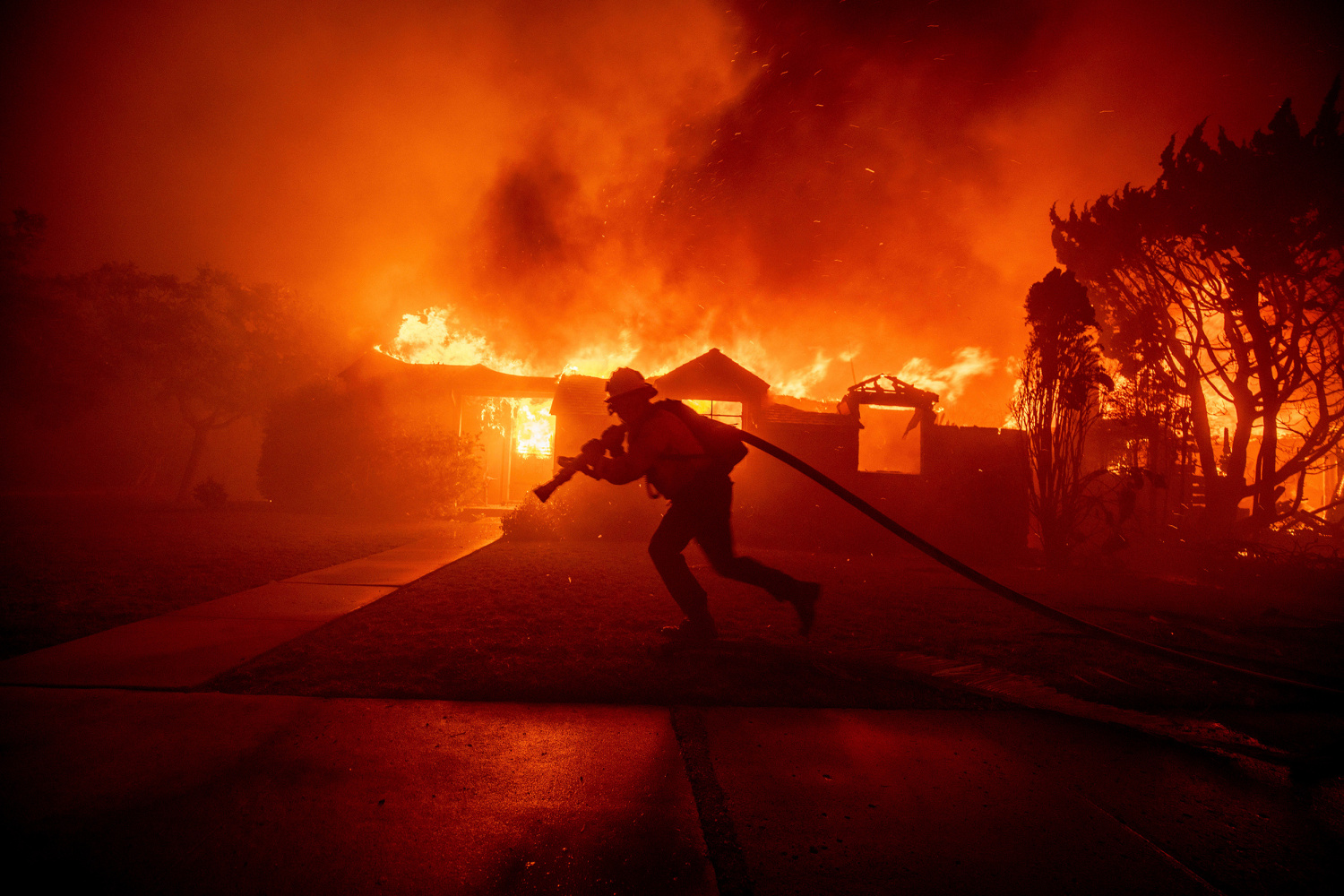
Environmental Factors Amplifying Fire Risk
Beyond the direct ignition source, several environmental factors contribute to the frequency and severity of fires in Los Angeles. These factors create conditions where even a small spark can rapidly escalate into a major conflagration.
Santa Ana Winds
Perhaps the most notorious environmental factor influencing Los Angeles fires are the Santa Ana winds. These are hot, dry, and often powerful offshore winds that typically occur in the fall and winter months. They are characterized by:
- Extreme dryness: The winds originate inland and are stripped of moisture as they descend the mountains, creating exceptionally low humidity levels.
- High wind speeds: Gusts can reach well over 60 miles per hour, fanning flames and carrying embers long distances, which can start new fires miles ahead of the main fire front (spotting).
- Elevated temperatures: The downslope adiabatic heating further dries out vegetation, making it more combustible.
During Santa Ana wind events, the fire danger in Los Angeles reaches critical levels, and fire departments are on high alert.
Drought and Fuel Moisture
Los Angeles experiences cyclical droughts, and prolonged periods of low rainfall can severely dry out vegetation. This dried vegetation, often referred to as “fuel,” becomes highly flammable. The type of vegetation also plays a role; chaparral, a common plant in the hills surrounding Los Angeles, is naturally adapted to fire and contains oils that make it burn intensely once ignited. When drought conditions persist, the fuel load becomes exceptionally receptive to ignition.
Topography and Urbanization
The hilly and mountainous terrain surrounding Los Angeles also contributes to fire behavior. Steep slopes can accelerate the spread of fire as flames preheat the fuel upslope. Additionally, the increasing trend of building homes and communities in the wildland-urban interface (WUI) means that fires are more likely to come into contact with human structures and populations. This proximity not only increases the risk to lives and property but also complicates firefighting efforts, as resources are stretched thin protecting homes. Landmark areas like the Hollywood Hills and the Santa Monica Mountains are particularly susceptible due to their topography and proximity to dense urban areas.
Addressing the “Who” – Investigations and Prevention
Determining the exact cause of a specific wildfire in Los Angeles is the role of trained fire investigators. These professionals meticulously examine the origin and cause of a fire, collecting evidence and interviewing witnesses. Their findings can range from identifying a faulty piece of equipment to apprehending an arsonist.
Fire Investigation Protocols
When a wildfire occurs, fire investigators from agencies like the Los Angeles County Fire Department or the Los Angeles Fire Department are dispatched to the scene. Their process typically involves:
- Securing the origin area: The area where the fire is believed to have started is carefully examined.
- Evidence collection: This can include examining burnt debris, identifying sources of ignition (e.g., electrical wires, discarded items), and documenting fire patterns.
- Witness interviews: Gathering accounts from anyone who may have seen something relevant.
- Analysis: Combining physical evidence with witness testimony to determine the most probable cause.
The results of these investigations are crucial for public safety, accountability, and informing future prevention strategies.
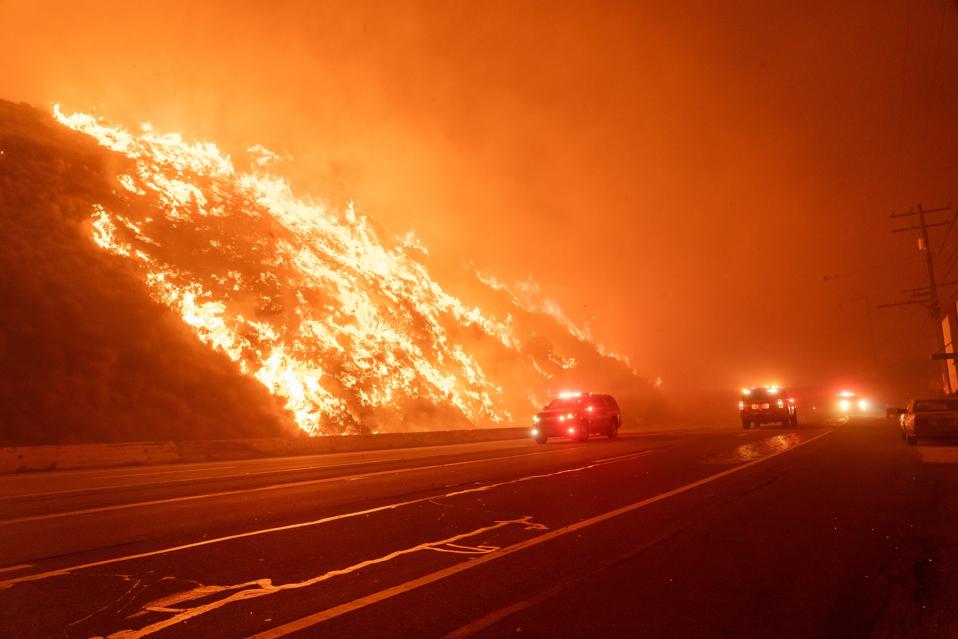
Prevention and Mitigation Efforts
Understanding the origins of Los Angeles fires is paramount for developing effective prevention and mitigation strategies. These efforts are multifaceted and involve:
- Public education campaigns: Educating residents and visitors about fire safety, especially during high-risk periods. This includes safe campfire practices, proper disposal of cigarettes, and the dangers of using fireworks.
- Vegetation management: Implementing controlled burns, mechanical thinning, and creating defensible spaces around homes to reduce fuel loads.
- Infrastructure improvements: Utilities are increasingly focused on hardening their infrastructure, clearing vegetation around power lines, and in some cases, de-energizing lines during extreme wind events to prevent ignitions.
- Enforcement of fire restrictions: Implementing and enforcing bans on open flames and certain activities during periods of high fire danger.
- Early detection and rapid response: Utilizing lookouts, aerial patrols, and advanced detection technologies to identify fires in their earliest stages for quicker suppression.
While the question “Who started the fires in Los Angeles?” can refer to specific individuals or incidents, it is more broadly a testament to the complex interplay of human actions, environmental conditions, and historical land use that shapes the fire landscape of this iconic Southern California region. The ongoing challenge lies in mitigating these risks through diligent investigation, responsible human behavior, and proactive management of the natural environment.
LifeOutOfTheBox is a participant in the Amazon Services LLC Associates Program, an affiliate advertising program designed to provide a means for sites to earn advertising fees by advertising and linking to Amazon.com. Amazon, the Amazon logo, AmazonSupply, and the AmazonSupply logo are trademarks of Amazon.com, Inc. or its affiliates. As an Amazon Associate we earn affiliate commissions from qualifying purchases.