
For many visitors stepping off the plane in Hawaii, the archipelago’s vibrant natural beauty is immediately apparent – lush landscapes, pristine beaches, and the intoxicating scent of plumeria. Yet, amidst the swaying palms and rhythmic ocean waves, an unexpected sound often punctuates the idyllic symphony: the insistent crowing of a rooster. From bustling city streets to remote hiking trails, a surprising abundance of wild chickens, known locally as “moa,” roam freely across the islands. This ubiquitous presence often sparks curiosity and amusement, prompting the question: why exactly are there so many chickens in [Hawaii]? The answer is a fascinating blend of ancient history, natural disaster, ecological dynamics, and the unique challenges and charms of island life, deeply intertwined with the very fabric of Hawaiian tourism and local culture.
The Ancient Roots and Polynesian Arrival
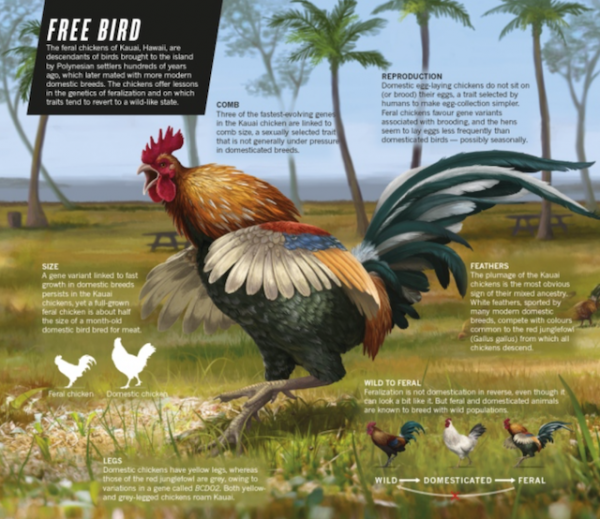
The story of Hawaii’s chickens begins long before modern tourism, tracing back to the earliest human migrations across the Pacific. The ancestors of today’s feral fowl were not indigenous to the islands but arrived alongside the first Polynesian voyagers, who navigated vast ocean expanses in their double-hulled canoes. These intrepid explorers, embarking from islands within the Polynesian Triangle (such as the Marquesas Islands or Tahiti), brought with them not only essential food crops like taro, breadfruit, and sweet potato, but also livestock. Among these vital provisions were pigs, dogs, and, crucially, chickens.
From Canoes to Coops: Early Introductions
These early chickens, descendants of the Asian jungle fowl, served multiple purposes for the Polynesian settlers. They were a crucial source of protein, their eggs provided sustenance, and their feathers were utilized for decorative and ceremonial purposes. Beyond their practical value, chickens also held cultural significance, sometimes used in religious rituals or as indicators of status.
For centuries, these chickens coexisted with the early Hawaiian communities, generally remaining domesticated or semi-domesticated within settlements. While some undoubtedly escaped into the wild over generations, their numbers were likely kept in check by natural predation from birds of prey and the subsistence practices of the islanders. This balance began to shift dramatically with the arrival of Western explorers, like Captain James Cook, in the late 18th century, which eventually led to the introduction of new animal species and changes in land use. However, it was a much more recent event that truly unleashed the chicken population explosion we witness today, particularly on certain islands.
The Stormy Catalyst: Hurricanes and Fowl Liberation
While chickens have always been a part of the Hawaiian landscape since Polynesian settlement, their current widespread and often overwhelming presence is largely attributed to a series of devastating natural disasters, most notably Hurricane Iniki in 1992. This Category 4 hurricane, one of the most powerful and destructive storms to hit Hawaii in recorded history, irrevocably changed the ecological and social landscape of the islands, particularly Kauai.
Hurricane Iniki’s Lasting Legacy
Hurricane Iniki made landfall on Kauai on September 11, 1992, bringing with it sustained winds of 145 mph and gusts up to 175 mph. The storm caused catastrophic damage across the island, flattening homes, destroying infrastructure, and uprooting vast swathes of vegetation. Amidst the chaos and destruction, a less-reported but equally significant consequence occurred: countless chicken coops, both commercial and backyard, were obliterated. Domesticated chickens, suddenly freed from their enclosures, scattered into the ravaged landscape.
These released birds, unaccustomed to fending for themselves in the wild, quickly adapted. Crucially, they began to interbreed with the existing populations of wild jungle fowl that had descended from the original Polynesian introductions. This interbreeding created a hybrid population that possessed the hardiness and survival instincts of the wild fowl combined with the genetic diversity and prolific breeding capabilities of the domestic breeds. This genetic mix resulted in a stronger, more adaptable chicken that was perfectly equipped to thrive in the Hawaiian environment.
A Perfect Storm for Proliferation
While Hurricane Iniki is often cited as the primary catalyst, other hurricanes, such as Hurricane Iwa in 1982, also contributed to the phenomenon, albeit to a lesser extent. The cumulative effect of these storms, particularly on Kauai, was a massive infusion of new blood into the wild chicken population. The initial devastation of the landscape also paradoxically provided new opportunities for the burgeoning fowl. The disruption of established ecosystems, coupled with abundant fallen fruit and debris, created a temporary food source while the vegetation recovered, allowing the newly liberated birds to establish strong footholds.
The absence of significant natural predators on some islands further accelerated their proliferation. Unlike Oahu, Maui, and the Big Island, Kauai famously lacks the invasive mongoose. Mongooses, introduced to control rat populations on other islands, inadvertently became predators of ground-nesting birds, including chickens. Without this crucial predator, chicken populations on Kauai faced fewer checks and balances, allowing them to multiply at an extraordinary rate. This explains why the chicken phenomenon is often most pronounced on the “Garden Isle.”
Why They Thrive: Climate, Cuisine, and No Predators
The hurricanes might have been the initial spark, but several environmental and behavioral factors ensure the sustained proliferation of chickens across Hawaii. The islands offer a near-perfect habitat for these adaptable birds, providing everything they need to flourish with minimal effort.

An Ecosystem Made for Roosters
First and foremost is the year-round mild tropical climate. Unlike temperate regions where harsh winters pose a significant threat, Hawaii’s consistently warm temperatures mean chickens never have to contend with freezing conditions or scarce resources due to cold weather. This allows for continuous breeding cycles, leading to more chicks surviving and contributing to the population. A hen can lay eggs multiple times a year, and with favorable conditions, these clutches have a high survival rate.
Furthermore, the dense, tropical vegetation provides ample cover and safe roosting spots, protecting them from the elements and any remaining aerial predators, such as the Hawaiian hawk (which is federally protected and rare). This natural camouflage allows them to establish nests in secluded areas, further aiding their breeding success.
Dining on the Go: Food Sources Galore
Chickens are omnivores, and Hawaii presents a veritable smorgasbord of food options. Their diet is incredibly varied, encompassing everything from insects, slugs, and snails (providing natural pest control for gardens and farms) to fallen fruits, seeds, and various types of vegetation. Moreover, human activity provides an additional, consistent food source. Discarded food from restaurants, hotels, and homes, picnic leftovers, and even intentional feeding by tourists or locals contribute significantly to their sustenance.
Whether scratching around the outdoor dining areas of a resort like the Grand Hyatt Kauai Resort & Spa in Poipu or foraging in the lush grounds of the Kilohana Plantation near Lihue, these birds have mastered the art of opportunistic feeding. This abundance of food, combined with the lack of significant predation (especially on Kauai), creates an environment where their population growth is virtually unchecked. The result is a vibrant, sometimes boisterous, chicken community that has become as much a part of the landscape as the banyan trees and hibiscus flowers.
The Hawaiian Chicken: A Double-Edged Feather
The pervasive presence of chickens in Hawaii elicits a range of reactions, from genuine delight to exasperated frustration. For visitors, they are often a quirky, memorable aspect of the Hawaiian experience, while for residents, their constant presence presents both charm and challenges.
Charm and Annoyance: The Tourist Perspective
For many tourists, the sight of chickens casually strutting through hotel lobbies, pecking at crumbs on restaurant patios, or even joining them on a stroll along Waikiki Beach, adds an unexpected element of wildness and authenticity to their vacation. Children are often fascinated by the colorful roosters and their accompanying hens and chicks. They become a unique photo opportunity, a testament to Hawaii’s laid-back, natural ambiance. Resorts like the Hyatt Regency Maui Resort and Spa or the Westin Maui Resort & Spa, Ka’anapali often find their grounds frequented by these feathered guests, much to the amusement of international travelers.
However, the charm can quickly wane, particularly for light sleepers. Roosters, unlike their domesticated counterparts, do not adhere to a sunrise schedule; they crow at all hours of the day and night, often starting well before dawn. This can be a significant disturbance, especially for those staying in accommodations without soundproofing, or for those enjoying the tranquility of a villa near the North Shore of Oahu. The constant crowing, especially when several roosters compete for dominance, can disrupt the serene atmosphere that many seek in a Hawaiian escape. Furthermore, their foraging can sometimes cause minor damage to gardens and outdoor dining areas.
Local Life with Crowing Companions
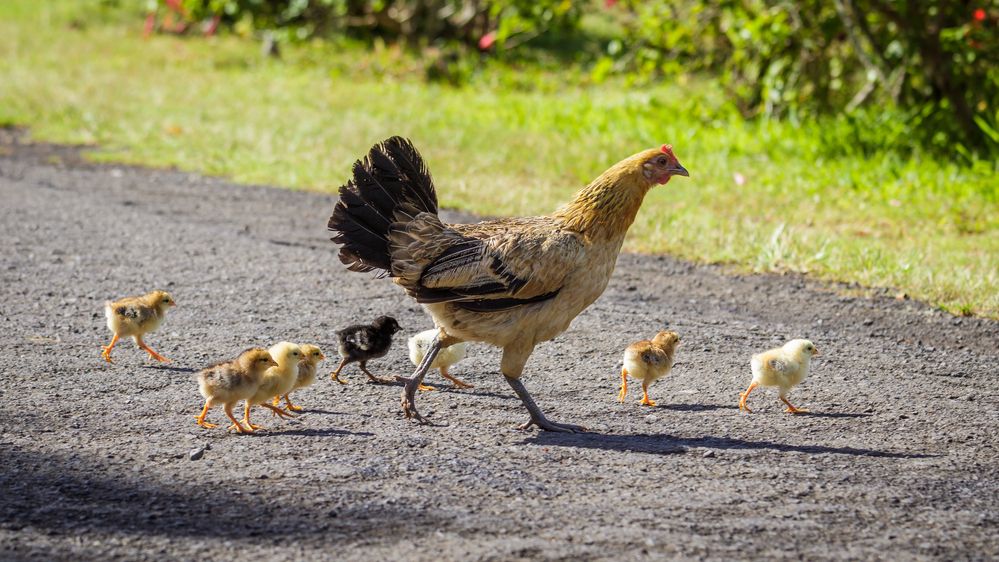
For long-term residents and local businesses, the chickens are an undeniable part of daily life. While some appreciate their natural pest control capabilities, helping to manage insect populations, others view them as a nuisance. Farmers, particularly those growing specialty crops, face challenges as chickens can damage young plants and forage for seeds. Residents in residential areas often contend with property damage, noise pollution, and unsanitary conditions due to droppings.
Managing the population is a complex issue. Trapping and relocation efforts are often short-lived in their effectiveness due to the rapid breeding rate of the birds and the difficulty of finding suitable, uninhabited areas for release. Culling, while sometimes considered, is often met with ethical objections from animal welfare advocates and practical challenges in implementation across such a wide geographical area. Therefore, local communities and authorities, including the Hawaii Tourism Authority, often focus on education, responsible waste management (to reduce food sources), and living in uneasy coexistence with their feathered neighbors. Visitors staying at places like Marriott’s Waiohai Beach Club in Koloa or exploring the Royal Coconut Coast on Kauai will quickly realize that the chickens are deeply integrated into the landscape, not just a fleeting spectacle.
Coexisting with Hawaii’s Feathered Residents
Ultimately, the large number of chickens in Hawaii is a unique and inescapable aspect of the islands’ character. They are a living testament to a blend of history, natural forces, and human impact. For tourists planning their dream vacation, whether they are exploring the majestic Waimea Canyon, hiking the dramatic Na Pali Coast, or visiting cultural sites like the Polynesian Cultural Center or the Dole Plantation, encountering a chicken is almost a guarantee.
Embracing this reality is part of experiencing the authentic Hawaii. While their incessant crowing might test one’s patience at times, their vibrant plumage and confident strut add a distinctive charm to the tropical scenery. They are a reminder of the islands’ untamed spirit and the delicate balance of its ecosystems. Visitors can choose accommodations with good sound insulation if rooster calls are a concern, especially in popular tourist areas like Princeville or Honolulu near landmarks such as Diamond Head or Pearl Harbor.
From the agricultural fields of the Kauai Coffee Company to the serene vista of the Kilauea Lighthouse, and even alongside bike paths like the Kauai Path, chickens are a constant companion. They embody the resilient, adaptive nature of life in the tropics. So, when you plan your next trip to Hawaii, perhaps to snorkel in Hanauma Bay Nature Preserve, visit Hawaii Volcanoes National Park, attend a Luau Kalamaku, or even embark on a Kauai Culinary Tour, be prepared to share the landscape with these fascinating, ubiquitous, and undeniably unforgettable feathered inhabitants. They are, in their own unique way, an iconic symbol of the islands, contributing to the rich tapestry of experiences that make Hawaii a truly special destination.
LifeOutOfTheBox is a participant in the Amazon Services LLC Associates Program, an affiliate advertising program designed to provide a means for sites to earn advertising fees by advertising and linking to Amazon.com. Amazon, the Amazon logo, AmazonSupply, and the AmazonSupply logo are trademarks of Amazon.com, Inc. or its affiliates. As an Amazon Associate we earn affiliate commissions from qualifying purchases.