
Life in the Sunshine State is often synonymous with freedom, sun-drenched adventures, and the open road. From the vibrant nightlife of Miami to the magical theme parks of Orlando and the serene beaches of the Gulf Coast, experiencing Florida truly requires mobility. Whether you’re a long-term resident, a snowbird enjoying an extended stay, or a traveler exploring the many facets of this diverse state, the ability to drive is often indispensable. However, circumstances can sometimes lead to the suspension of one’s driving privileges, throwing a wrench into daily routines, work commutes, and even the simplest leisure activities.
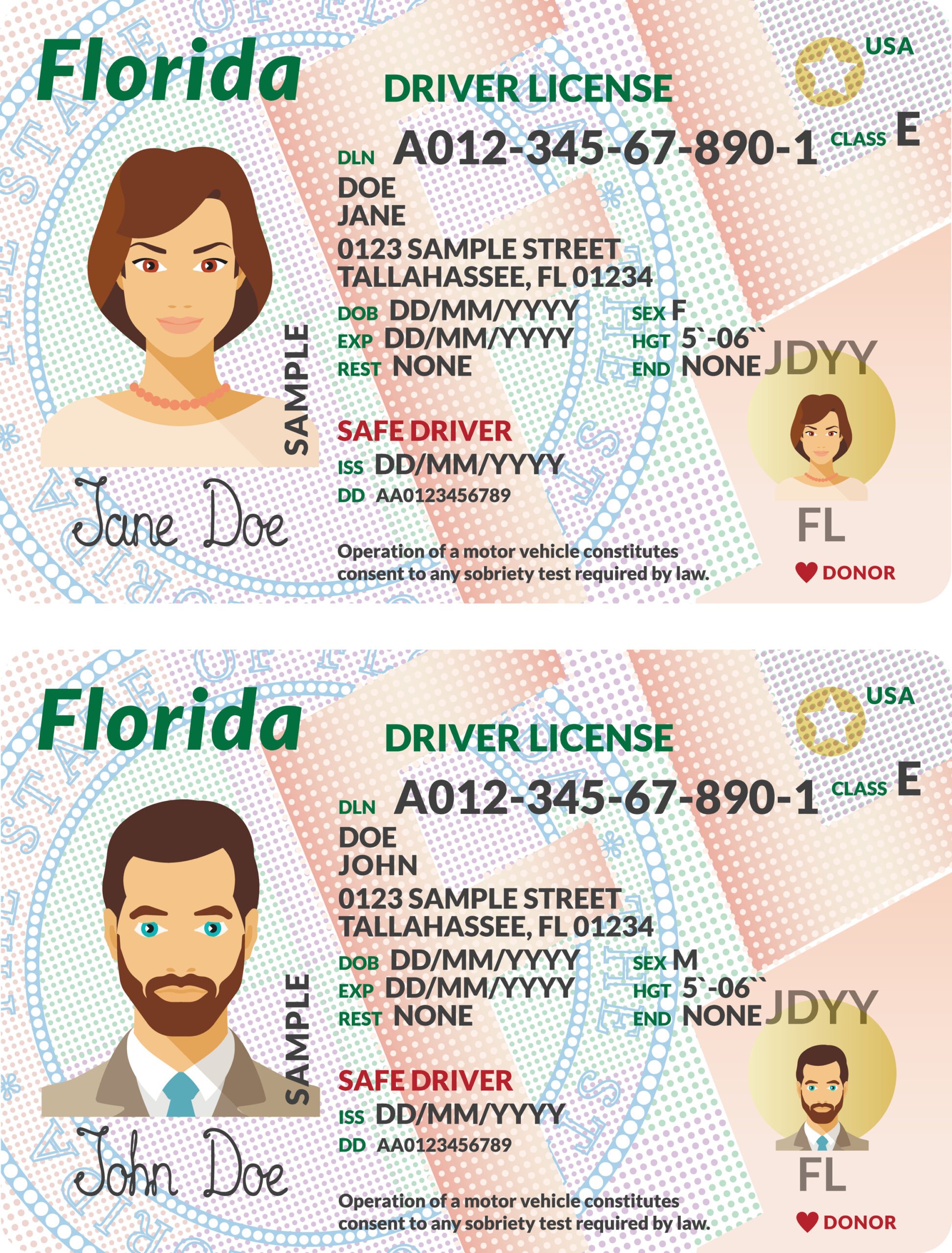
A suspended driver’s license in Florida can feel like an insurmountable obstacle, potentially disrupting everything from your ability to reach your workplace or educational institution to accessing essential services or enjoying the state’s numerous attractions. For many, a car isn’t just a convenience; it’s a lifeline. This is where the concept of a hardship license, officially known as a “Business Purpose Only” or “Employment Purpose Only” license, becomes a beacon of hope. It offers a crucial pathway for individuals to regain limited driving privileges, ensuring that their lives don’t come to a complete standstill. Navigating the complex requirements and procedures for obtaining such a license can be daunting, but understanding the process is the first step toward reclaiming a degree of independence.
This comprehensive guide aims to demystify the process of obtaining a hardship license in Florida. We’ll explore who qualifies, the intricate steps involved, the necessary documentation, and what to expect once you’ve been granted this restricted privilege. For anyone facing a license suspension, particularly those who rely on driving for their livelihood or essential daily tasks, this information is invaluable. Re-establishing your ability to drive, even under restrictions, can significantly alleviate stress and help maintain your lifestyle in a state where personal transportation is often key to unlocking its full potential, from visiting the iconic Kennedy Space Center to exploring the remote beauty of the Everglades National Park or simply commuting to your Tallahassee office.
Understanding the Florida Hardship License: A Gateway to Mobility
The idea of a hardship license is rooted in practicality and compassion. The state of Florida recognizes that a full license suspension can lead to severe difficulties for individuals who depend on driving for fundamental aspects of their lives. It’s not about restoring unrestricted driving freedom but about providing a safety net to ensure people can fulfill their basic responsibilities.
What is a Hardship License?
In Florida, a hardship license is officially referred to as a “restricted license” or a “limited license.” It permits individuals with a suspended driver’s license to drive for specific, essential purposes. There are two primary categories for these restricted licenses:
- Business Purpose Only (BPO) License: This is the most common type and allows driving necessary to maintain your livelihood. This includes driving to and from work, school, church, medical appointments, and for any business-related activities required by your employer. It also typically covers driving to grocery stores and essential errands. The term “business purpose” is interpreted broadly to encompass activities fundamental to one’s daily existence and ability to function within society. For instance, if you’re working remotely from your St. Petersburg apartment, but need to drive to co-working spaces or client meetings, a BPO license could be essential.
- Employment Purpose Only (EPO) License: This is a more restrictive category, primarily allowing driving solely to and from your place of employment. It does not typically extend to other “business purposes” like medical appointments or grocery shopping, making it a much more limited option. This might be relevant for those staying in Jacksonville for a temporary work assignment.
The distinction between these two is vital, as the scope of your allowed driving can significantly impact your daily life and travel plans within Florida. When applying, you’ll generally be seeking the BPO license due to its broader utility, but the specific type granted will depend on your individual circumstances and the nature of your suspension.
Who Needs a Hardship License in Florida?
A hardship license is typically sought by individuals whose driving privileges have been suspended for specific reasons, yet they can demonstrate a compelling need to drive for essential activities. Common scenarios include:
- DUI/DWI Suspensions: This is one of the most frequent reasons. After an arrest for Driving Under the Influence (DUI) in Florida, your license is automatically suspended administratively. Even if you are later acquitted or the charges are reduced, you might still face the administrative suspension. For those arrested for a first-time DUI, after a mandatory waiting period (typically 30 days if a breath test was failed, or 90 days if a blood test was refused), they may be eligible to apply for a hardship license, provided they enroll in or complete DUI school.
- Accumulation of Traffic Offenses/Points: If you accumulate too many points on your driving record within a certain timeframe, your license can be suspended.
- Failure to Pay Traffic Fines or Court Costs: Unpaid fines or court-ordered payments can lead to suspension.
- Failure to Maintain Auto Insurance: Florida requires specific levels of Personal Injury Protection (PIP) and Property Damage Liability (PDL) insurance. Failure to maintain this can result in suspension.
- Child Support Delinquency: Non-payment of court-ordered child support can lead to license suspension.
It’s crucial to understand that not everyone with a suspended license is eligible for a hardship license. For instance, individuals deemed habitually traffic offenders or those with very serious offenses (like vehicular homicide) may be entirely disqualified. The nature and severity of the original offense, along with your driving history, play a significant role in determining your eligibility.
Navigating the Application Process: Your Path to Restricted Driving Privileges
Obtaining a hardship license in Florida is not a simple walk-in process. It involves several distinct steps, adherence to specific requirements, and often a formal hearing. This systematic approach ensures that only deserving individuals with genuine need are granted this privilege.
Eligibility Requirements and Initial Steps
Before you even consider applying, you must meet certain fundamental criteria:
- Waiting Period: Depending on the nature of your suspension (especially for DUI-related cases), there might be a mandatory “hard suspension” period during which you cannot drive at all and are ineligible for a hardship license. For a first DUI, this is typically 30 days if you submitted to a breath test or 90 days if you refused one.
- DUI School Enrollment/Completion: If your suspension is DUI-related, you must provide proof of enrollment in or completion of a DUI substance abuse education course. This is non-negotiable for obtaining a hardship license in such cases. These programs are designed to educate individuals on the dangers of impaired driving and are a critical component of the rehabilitation process, often available in major cities like Tampa or Fort Lauderdale.
- Clear All Other Suspensions: Before applying for a hardship license due to a specific suspension, you must ensure that there are no other active suspensions on your record. If you have multiple suspensions for various reasons, you’ll need to address and clear each one, or at least be on a payment plan for fines, before you can be considered for a hardship license.
- Proof of Insurance (SR-22/FR-44): For DUI-related suspensions, you will almost certainly be required to obtain an SR-22 (or FR-44 for specific repeat offenses) certificate from your insurance company. This is a form that your insurance provider files with the Florida Department of Highway Safety and Motor Vehicles (DHSMV) to certify that you carry the legally required liability insurance coverage. This heightened insurance requirement reflects the increased risk associated with your driving record.
Once you believe you meet these initial criteria, the next crucial step is to formally apply for an administrative review hearing.
The Bureau of Administrative Reviews (BAR) Hearing
The cornerstone of the hardship license application process is the hearing conducted by the Bureau of Administrative Reviews (BAR). This is where you present your case and demonstrate your genuine need for restricted driving privileges.
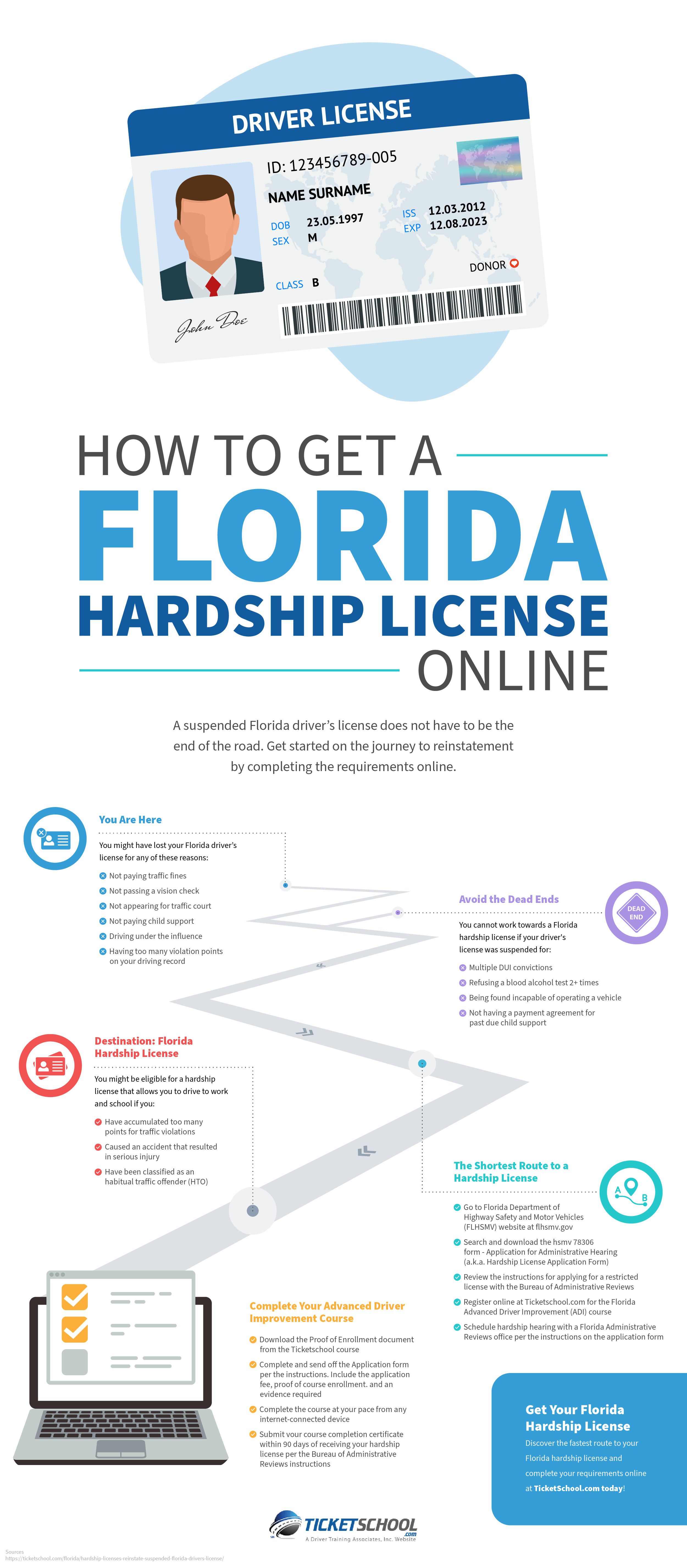
- Scheduling the Hearing: You must apply for a hearing at a BAR office. The application form, generally called “Application for Administrative Hearing,” can be obtained from the DHSMV website or a BAR office. You will need to submit this form, along with any required fees, to schedule your appointment. It’s often advisable to do this as soon as you meet the eligibility criteria.
- Preparing for the Hearing: This is not a casual meeting. Treat it as a formal proceeding where you must convince the hearing officer of your genuine need. Gather all supporting documentation, which typically includes:
- Proof of identity (driver’s license, state ID).
- Proof of residence in Florida.
- Proof of enrollment in or completion of DUI school (if applicable).
- Proof of SR-22/FR-44 insurance (if applicable).
- Letters from your employer confirming your employment and the necessity of driving for your job.
- Documentation of medical appointments, school enrollment, or other essential activities that require you to drive.
- Any other documents that support your claim of hardship.
- The Hearing Itself: During the hearing, a BAR hearing officer will review your documentation, listen to your testimony, and ask questions. They will assess:
- The nature of your suspension.
- Your driving record.
- Your compliance with all requirements (DUI school, insurance, clearing other suspensions).
- The extent of your hardship and why public transportation or other means are not viable alternatives for your essential needs.
- Your commitment to responsible driving moving forward.
The officer will make a determination on whether to grant you a hardship license and, if so, what specific restrictions will apply.
Essential Documentation and Fees
To reiterate, having all your paperwork in order is critical for a smooth application process. Here’s a summary of commonly required documents and fees:
- Application Form: The official “Application for Administrative Hearing.”
- Identification: Valid photo ID.
- Proof of Residency: Utility bills, lease agreement, etc.
- DUI School Enrollment/Completion Certificate: If applicable.
- SR-22/FR-44 Insurance Filing: If applicable, provided by your insurance carrier.
- Employer Letters: Official letters on company letterhead detailing your job, hours, and the necessity of driving for work. If self-employed, an affidavit explaining your business needs.
- Other Supporting Documents: Medical appointment cards, school registration, court documents showing compliance with fines/requirements.
- Hearing Fees: There is typically a non-refundable application fee for the administrative hearing, which must be paid at the time of scheduling. These fees can vary, so it’s essential to check the current schedule on the DHSMV website.
Failure to present complete and accurate documentation can delay or even derail your application, potentially extending the period you are without driving privileges.
Living with a Hardship License: Restrictions, Responsibilities, and Renewal
Once granted, a hardship license is not a return to full driving freedom. It comes with significant limitations that you must strictly adhere to. Understanding these restrictions and your ongoing responsibilities is paramount to avoid further legal trouble and potential re-suspension.
Understanding Driving Limitations
The most critical aspect of a hardship license is its restrictive nature. Your license will explicitly state the permitted driving purposes.
- Business Purpose Only (BPO): As mentioned, this typically allows driving to and from work, school, church, medical appointments, and necessary errands like grocery shopping. It does not permit driving for purely recreational purposes, such as visiting Walt Disney World Resort or taking a joyride along South Beach, unless such activities fall under a verified “business purpose” (e.g., driving a child to school that is also a business purpose).
- Employment Purpose Only (EPO): This is even more limited, usually just covering the direct commute to and from your job.
Key things to remember:
- No Recreational Driving: This is the most common mistake. You cannot use your vehicle for casual outings, social events, or vacations to places like the Florida Keys or Amelia Island.
- Proof of Purpose: Always carry documentation that supports your driving purpose. If pulled over, an officer may ask for proof that you are driving for a permitted reason (e.g., work ID, appointment card).
- No Alcohol/Drugs: Any violation involving alcohol or drugs while holding a hardship license will result in immediate and often permanent revocation of your driving privileges.
Maintaining Compliance and Avoiding Further Penalties
Compliance with all terms of your hardship license is essential. The state of Florida monitors drivers with restricted licenses closely.
- No Traffic Violations: Even minor traffic infractions can lead to the revocation of your hardship license. Drive cautiously, obey all traffic laws, and avoid any incidents that could lead to another citation.
- Maintain Insurance: Continue to maintain the required SR-22/FR-44 insurance. Lapses in coverage will be reported to the DHSMV and result in immediate suspension.
- Complete DUI School/Probation: If your hardship license was granted as part of a DUI case, ensure you complete any remaining DUI school requirements, probation terms, or court-ordered community service. Non-compliance can lead to the revocation of your restricted license and further legal consequences.
- Address Fines/Suspensions: Continue to address any underlying reasons for your initial suspension. For example, if your license was suspended for unpaid child support, keep up with your payments.
Violating the terms of your hardship license can lead to severe repercussions, including extended suspension periods, new charges for driving with a suspended license (which carries significant penalties), and permanent disqualification from future hardship license applications.
Renewal and Reinstatement Pathways
A hardship license is typically issued for a specific period, often coinciding with the remainder of your original suspension period or for one year, whichever is shorter. As the end of this period approaches, you will need to take steps toward full reinstatement or renewal of your restricted privileges.
- Full Reinstatement: If your original suspension period ends and you have met all requirements (completed DUI school, paid all fines, maintained insurance, no further violations), you can apply for the full reinstatement of your unrestricted driver’s license. This usually involves paying a reinstatement fee to the DHSMV and ensuring all holds on your license have been cleared.
- Renewal of Hardship License: In some cases, if your original suspension is for a very long period, you might need to renew your hardship license. This typically involves reapplying and demonstrating continued need and compliance, similar to the initial process but possibly with less scrutiny if you’ve maintained a clean record.
- Ignition Interlock Device: For repeat DUI offenders, an ignition interlock device (IID) may be required for a period as a condition for regaining driving privileges, even restricted ones. This device prevents the vehicle from starting if alcohol is detected on the driver’s breath, a common measure to enhance road safety in cities like Sarasota or Gainesville.
It is crucial to stay informed about your specific suspension end date and the requirements for full reinstatement. Proactive management of your situation will prevent further lapses in driving privileges.
Beyond the Hardship License: Embracing Florida Safely
Obtaining and adhering to the terms of a hardship license in Florida is a journey that requires diligence, responsibility, and a clear understanding of the rules. While it provides a vital lifeline for essential mobility, it also serves as a potent reminder of the importance of safe and lawful driving. For those navigating the challenges of a license suspension, the hardship license represents an opportunity to demonstrate commitment to responsible conduct and gradually regain full driving privileges.
Florida’s allure lies in its vast opportunities for exploration, from the bustling districts of Tampa to the serene shores of Naples, the vibrant ecosystems of Biscayne National Park, and the historical charm of St. Augustine. Whether you are commuting for work in Orlando, taking your children to school, or accessing vital medical appointments, the ability to drive is often foundational to enjoying the Florida lifestyle and maintaining one’s independence. A hardship license, while restricted, ensures that these essential aspects of life do not become unattainable during a period of suspension.
Remember, the goal is not merely to get the hardship license but to use it as a bridge back to full, unrestricted driving privileges. This means maintaining an impeccable driving record, fulfilling all legal and administrative requirements, and consistently upholding a commitment to safe driving practices. By doing so, you not only ensure your continued mobility but also contribute to the safety of Florida’s roads for everyone, paving the way for countless future adventures, be they a trip to Universal Studios Florida, a relaxing day at Clearwater Beach, or simply the daily commute.
LifeOutOfTheBox is a participant in the Amazon Services LLC Associates Program, an affiliate advertising program designed to provide a means for sites to earn advertising fees by advertising and linking to Amazon.com. Amazon, the Amazon logo, AmazonSupply, and the AmazonSupply logo are trademarks of Amazon.com, Inc. or its affiliates. As an Amazon Associate we earn affiliate commissions from qualifying purchases.