
Embarking on a journey, whether for leisure or business, often begins with the exciting prospect of choosing where to lay your head each night. Booking a hotel isn’t just a transactional step; it’s a crucial decision that profoundly impacts your entire travel experience. From the bustling streets of New York City to the tranquil beaches of the Maldives, the right accommodation can elevate your trip from ordinary to extraordinary. This comprehensive guide will walk you through every stage of the hotel booking process, equipping you with the knowledge to make informed decisions and secure your ideal stay.

I. Understanding Your Accommodation Needs
Before you even begin scouring for deals, the most critical first step is to clearly define what you need and want from your accommodation. This clarity will streamline your search and prevent you from being overwhelmed by the sheer volume of options available.
Defining Your Travel Style and Budget
Your travel style dictates the kind of hotel that will best suit your adventure. Are you planning a luxurious escape, a budget-friendly backpacking trip, a memorable family vacation, or an efficient business stay?
- Luxury Travel: If indulgence is your priority, you might seek out five-star resorts like the Grand Hyatt Hotel in major cities or exclusive villas in destinations like Bora Bora. These properties often boast opulent suites, world-class amenities such as fine dining restaurants, spas, and personalized concierge services. Your budget will naturally be higher, focusing on unparalleled comfort and service.
- Budget Travel: For those conscious of expenses, hostels, guesthouses, or economy hotels offer excellent value. The focus here is typically on cleanliness, basic comforts, and strategic locations that minimize travel costs to attractions. Destinations in Southeast Asia or Eastern Europe often provide fantastic budget options without compromising experience.
- Family Trips: When traveling with family, space, safety, and child-friendly amenities become paramount. Look for hotels with connecting rooms, kids’ clubs, swimming pools, and perhaps even kitchenettes for self-catering. Resorts in places like Orlando (near Walt Disney World) or all-inclusive options in the Caribbean are popular choices.
- Business Stays: Business travelers prioritize convenience, connectivity, and functionality. Hotels near convention centers, airports, or business districts are ideal. Essential amenities include reliable high-speed Wi-Fi, comfortable workspaces, meeting facilities, and easy access to transportation. Hotels in global business hubs like London, Tokyo, or Singapore cater specifically to this segment.
Once you’ve identified your travel style, establish a realistic budget range per night. This figure will serve as a crucial filter in your search, helping you quickly narrow down suitable options. Remember to factor in potential additional costs like resort fees, taxes, and parking.
Choosing the Right Type of Accommodation
The term “hotel” is often used broadly, but the world of accommodation offers a diverse spectrum of choices, each with its unique charm and advantages.
- Traditional Hotels: These range from sprawling international chains like Marriott International and Hilton Worldwide to charming independent boutique hotels. Traditional hotels offer various room types, daily housekeeping, and a range of on-site services.
- Resorts: Often larger properties designed for leisure, resorts typically feature extensive amenities such as multiple pools, spas, golf courses, diverse dining options, and organized activities. They are destinations in themselves, popular in locales like Hawaii or Cancun.
- Apartments/Villas: Ideal for longer stays, families, or groups, serviced apartments and private villas offer more space, privacy, and the convenience of a fully equipped kitchen. Platforms like Airbnb have popularized this option, especially in cities like Paris or coastal areas in Italy.
- Hostels: A fantastic option for solo travelers, backpackers, and those on a strict budget, hostels offer dormitory-style rooms and private rooms, shared common areas, and a vibrant social atmosphere. They are prevalent in popular backpacking routes across Europe and Asia.
- Guesthouses/B&Bs: These smaller, often family-run establishments provide a more personal touch, frequently including breakfast. They offer an intimate glimpse into local culture and are common in charming towns and rural areas.
Your choice should align with your budget, desired amenities, the length of your stay, and whether you prefer independent exploration or a full-service experience.
Location, Location, Location
The adage “location, location, location” holds immense truth when booking a hotel. Where you stay can significantly impact your travel efficiency, safety, and overall enjoyment.
- Proximity to Attractions: If your primary goal is sightseeing, staying near major landmarks like the Eiffel Tower in Paris, the Colosseum in Rome, or Central Park in New York City can save you considerable travel time and costs.
- City Center vs. Outskirts: Staying in the city center often means being close to vibrant nightlife, dining, and cultural sites, but it can also be noisier and more expensive. Opting for the outskirts might offer quieter surroundings and better value, provided there’s convenient access to public transportation.
- Safety and Neighborhood Vibe: Research the safety of potential neighborhoods, especially if you plan to walk around at night. Read reviews about the area to gauge its atmosphere – is it lively, quiet, trendy, or residential? For example, staying in Shinjuku in Tokyo offers a different experience than a quieter district like Ginza.
- Accessibility to Transportation: Consider your arrival and departure points. If flying into Heathrow Airport, a hotel with easy access to the Underground or a direct train service into London could be a game-changer. Proximity to subway stations, bus stops, or major roadways is crucial for efficient movement.
Utilize online maps and satellite views offered by platforms like Google Maps to visualize the hotel’s surroundings and its distance from key points of interest. This proactive approach ensures your chosen location enhances your itinerary rather than complicates it.
II. Navigating the Booking Landscape
With a clear understanding of your needs, the next step involves diving into the vast world of online booking. This stage requires strategic searching and careful evaluation of options.
Where to Search: OTAs, Metasearch, and Direct Bookings
The digital age has revolutionized hotel booking, offering numerous platforms to find and secure your stay.
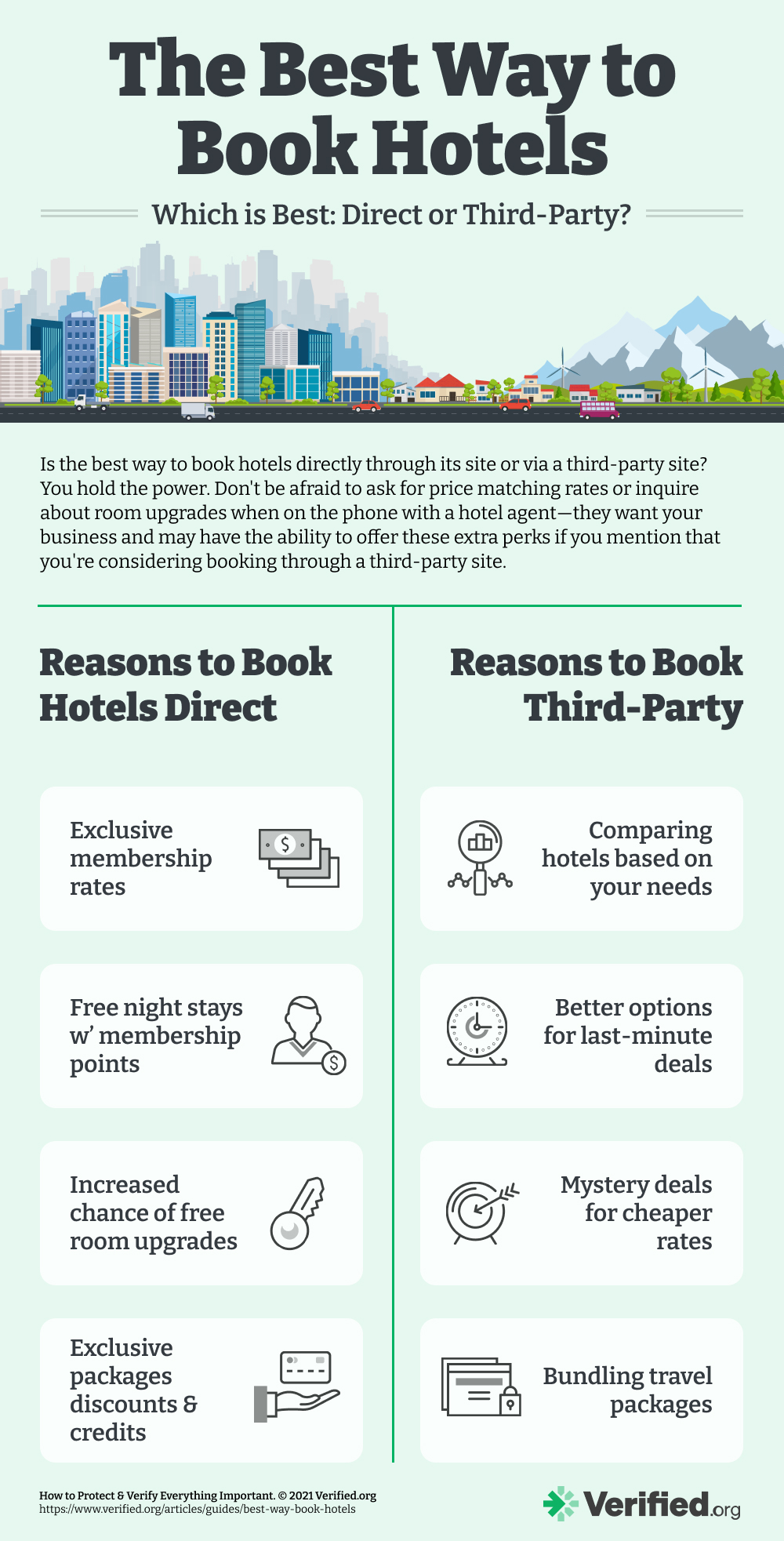
- Online Travel Agencies (OTAs): Websites like Booking.com, Expedia, and Agoda are immensely popular for their extensive inventories and user-friendly interfaces. They allow you to compare prices and options from hundreds of hotels worldwide, often bundling flights and car rentals. While convenient, they might sometimes have stricter cancellation policies or slightly higher prices than direct bookings, especially for loyalty program members.
- Metasearch Engines: Platforms such as Kayak, Google Hotels, and TripAdvisor don’t sell rooms directly but aggregate prices from various OTAs and hotel websites. They are excellent for quickly comparing prices across multiple sources, helping you identify the best deal before redirecting you to the booking site.
- Direct Bookings: Visiting the official website of a hotel or hotel chain (e.g., Hilton Honors, Marriott Bonvoy, World of Hyatt, Accor Live Limitless, IHG One Rewards) often comes with exclusive perks. These can include lower prices (member rates), complimentary upgrades, free breakfast, late check-out, or earning loyalty points. Hotels prefer direct bookings as they avoid commissions to OTAs, so they often incentivize travelers. It’s always wise to check the direct site even after finding a deal elsewhere.
A smart strategy is to start with a metasearch engine to get a broad overview, then cross-reference prices on a couple of OTAs, and finally check the hotel’s direct website for any exclusive offers or loyalty benefits.
Decoding Reviews and Ratings
User-generated content is an invaluable resource when choosing a hotel. Reviews and ratings provide insights that official descriptions simply cannot.
- Importance of User-Generated Content: Platforms like TripAdvisor, Google Reviews, and Booking.com’s guest reviews offer real-world perspectives on a hotel’s service, cleanliness, comfort, and amenities. Pay attention to consistent feedback regarding specific aspects, whether positive or negative.
- Looking for Common Themes: Instead of focusing on individual extreme reviews, look for recurring comments. If multiple guests complain about slow Wi-Fi, noisy rooms, or exceptional staff service, these are likely accurate reflections. Filter reviews by specific criteria like “family,” “couples,” or “business” to find feedback relevant to your travel style.
- Recent Reviews are Key: Hotel quality can change over time due to management shifts, renovations, or staffing changes. Prioritize reviews from the last six months to a year for the most current and relevant information.
- Evaluating Star Ratings: While star ratings (e.g., 3-star, 5-star) provide a general idea of luxury level, they can vary by country and region. A 4-star hotel in Paris might offer different amenities than a 4-star hotel in Bangkok. Use them as a guide, but lean more heavily on detailed reviews.
Remember that some reviews can be biased or fake. Look for hotels with a large number of diverse reviews and a consistently high average rating. A hotel that actively responds to both positive and negative feedback often indicates good management and a commitment to guest satisfaction.
Essential Amenities and Policies to Consider
Beyond the room itself, the amenities and policies of a hotel can significantly impact your stay. Thinking about these details upfront can prevent unwelcome surprises.
- Key Amenities:
- Wi-Fi: Crucial for staying connected, whether for work or leisure. Check if it’s free and if it’s high-speed.
- Breakfast: Is it included? Is it buffet, à la carte, or continental? This can save you time and money each morning.
- Pool/Gym: Important for leisure travelers or those maintaining a fitness routine.
- Parking: If you’re driving, verify parking availability and cost, especially in urban areas like San Francisco or Rome where it can be expensive or scarce.
- Pet-Friendly: If traveling with a furry companion, ensure the hotel explicitly welcomes pets and understand any associated fees or restrictions.
- Air Conditioning: Essential in hot climates, especially during summer in places like Dubai or Miami.
- 24-Hour Front Desk: Provides peace of mind for late arrivals or emergencies.
- Shuttle Service: Particularly useful for airport hotels or those slightly outside city centers.
- Important Policies:
- Cancellation Policy: This is paramount. Understand the deadline for free cancellation and any penalties for late changes or no-shows. Flexible policies, even if slightly more expensive, offer peace of mind.
- Check-in/Check-out Times: Note these times, especially if you have an early arrival or late departure. Many hotels offer early check-in or late check-out for a fee or as a loyalty benefit.
- Additional Fees: Be aware of potential hidden costs like resort fees, city taxes, mini-bar charges, or charges for extra guests. These should ideally be clearly stated during the booking process.
- Payment Methods: Confirm acceptable payment methods. Some hotels require a credit card deposit upon check-in.
Reading the fine print before clicking “book” is a non-negotiable step to avoid unexpected costs or inconveniences during your trip.
III. Strategies for Securing the Best Deal
Finding your ideal hotel at the right price requires a combination of timing, leveraging loyalty, and smart comparison shopping.
Timing Your Reservation
The age-old question of when to book often depends on your destination and flexibility.
- Early Bird Advantages: For popular destinations during peak seasons (e.g., Christmas in New York City, Cherry Blossom season in Kyoto), major events, or specific room types, booking several months in advance (3-6 months) is often advisable. This secures your preferred choice and can sometimes offer better rates before demand drives prices up.
- Last-Minute Deals: While riskier, spontaneous travelers can sometimes snag significant discounts on rooms that hotels are desperate to fill. This strategy works best for flexible travelers who aren’t tied to specific hotels or dates, typically for off-peak periods or less popular destinations.
- Off-Peak Seasons: Traveling during the shoulder season (just before or after peak) or the true off-season almost always yields better hotel prices, fewer crowds, and often more pleasant weather. For instance, visiting Europe in early spring or late autumn rather than summer can result in substantial savings. Flexibility with your travel dates is a powerful tool for cost reduction.
Hotel prices can fluctuate daily, sometimes even hourly, based on demand, inventory, and dynamic pricing algorithms. Monitoring prices over time using alerts can be beneficial.
Leveraging Loyalty Programs and Exclusive Offers
For frequent travelers, hotel loyalty programs are a goldmine of benefits. Even for occasional travelers, signing up can sometimes yield immediate rewards.
- Hotel Loyalty Programs: Chains like Marriott Bonvoy, Hilton Honors, World of Hyatt, IHG One Rewards, and Radisson Rewards offer points for stays, which can be redeemed for free nights, room upgrades, or other travel perks. Elite status (earned through frequent stays) unlocks even more benefits like complimentary breakfast, late check-out, and executive lounge access. Even if you’re not an elite member, signing up for their free programs often grants access to “member-only” rates that are lower than public rates.
- Credit Card Benefits: Many travel-focused credit cards offer lucrative sign-up bonuses, earning accelerated points on hotel stays, annual free night certificates, or automatic elite status with certain hotel chains. For example, some cards might grant you Hyatt Globalist status, opening up a world of premium benefits.
- Flash Sales and Newsletter Subscriptions: Subscribe to newsletters from your favorite hotel chains or OTAs. They frequently announce flash sales, seasonal promotions, or exclusive discounts that can offer significant savings. Follow their social media channels for real-time deals.
- Package Deals: Sometimes, bundling your hotel with flights or car rentals through an OTA can result in a lower overall price than booking each component separately. Compare these packages carefully to ensure they genuinely offer value.
Always compare these exclusive offers and loyalty rates against standard public rates to ensure you’re truly getting the best deal.
Price Comparison and Alerts
The digital world offers powerful tools to ensure you’re not overpaying for your hotel.
- Using Price Comparison Tools: Metasearch engines like Kayak, Google Hotels, and Trivago are your best friends here. They scour numerous booking sites simultaneously, presenting you with a clear overview of prices for your chosen dates and property. Always cross-check the final price, including taxes and fees, as these can vary.
- Setting Up Price Alerts: Many of these comparison tools allow you to set up alerts. You’ll receive email notifications if the price for your desired hotel or a similar property in your chosen destination drops. This is particularly useful if you’re booking well in advance and have time to monitor fluctuations.
- Incognito Browsing: While debated, some travelers believe that using incognito or private browsing mode can sometimes help avoid dynamic pricing algorithms that might increase prices based on your repeated searches for the same property. It certainly doesn’t hurt to try, especially when making your final booking.
- Consider Dynamic Pricing: Hotel prices are highly dynamic. They can change based on demand, time of day, day of the week, and even the device you’re using. If a price seems too good to be true, it might be a brief window. If a price seems too high, waiting a day or two could sometimes see it drop, though this involves a calculated risk.
A disciplined approach to price comparison and monitoring can often lead to significant savings, freeing up your budget for experiences, local food, or attractions.
IV. Finalizing Your Reservation and Preparing for Your Stay
The journey from searching to booking is almost complete. The final steps involve carefully reviewing your reservation and proactively communicating with the hotel to ensure a smooth and enjoyable stay.
Understanding the Booking Details
Before you hit the final “confirm” button, a meticulous review of all booking details is crucial to avoid any misunderstandings or unwelcome surprises upon arrival.
- Room Types and Occupancy: Double-check the exact room type you’ve selected (e.g., standard room, deluxe suite, king-size bed, two twin beds, city view, ocean view). Confirm the number of guests listed on the reservation, especially if traveling with children or an extra adult, as exceeding the stated occupancy can lead to additional charges or complications. If you require a specific bed configuration or a rollaway bed, ensure it’s explicitly noted in your booking or confirmed with the hotel.
- Taxes, Fees, and Hidden Costs: Look closely at the final price breakdown. Many destinations, particularly in the United States and Europe, impose local city taxes, tourism levies, or resort fees that might not be included in the initial quoted price on some booking platforms. These can add a substantial amount to your total bill. Confirm what’s included and what’s extra, such as Wi-Fi, breakfast, parking, and access to amenities like the gym or pool. Some hotels also have energy surcharges or gratuity policies.
- Payment Details: Verify the payment method used – whether it’s charged immediately, held as a pre-authorization, or due upon arrival. If using a credit card, ensure it’s valid and has sufficient credit. For bookings requiring a deposit, confirm the amount and due date. Understanding these financial specifics prevents any unexpected debits or payment issues at check-in.
Taking the time to scrutinize these details ensures that the accommodation you’ve booked perfectly matches your expectations and budget, setting the stage for a worry-free arrival.
The Confirmation Process and Pre-Arrival Communication
Once your booking is confirmed, the process isn’t entirely over. A few proactive steps can ensure a seamless experience from check-in to check-out.
- Verifying Your Booking: Immediately after booking, you should receive a confirmation email with a reservation number. Save this email and consider printing a copy or having it easily accessible on your mobile device. If you don’t receive confirmation within a few hours, contact the booking platform or the hotel directly to confirm your reservation. It’s always a good idea to cross-reference the details in the confirmation email with what you intended to book.
- Contacting the Hotel for Special Requests: If you have specific needs or preferences, such as an early check-in, a late check-out (if not already confirmed), a room on a high floor, a quiet room away from elevators, or specific dietary requirements for breakfast, it’s best to communicate these directly with the hotel in advance. While not all requests can be guaranteed, making them known increases the likelihood of them being accommodated. You can usually find the hotel’s direct email or phone number on their official website.
- Confirming Airport Transfers or Local Transportation: If your hotel offers an airport shuttle service, confirm the pick-up details, schedule, and cost. Research local transportation options from the airport or train station to your hotel, especially if you’re arriving in an unfamiliar city like Mumbai or Mexico City. Knowing your route and estimated travel time in advance will reduce stress upon arrival.
- Understanding Loyalty Program Benefits: If you’ve booked directly with a hotel chain and are a loyalty program member, familiarize yourself with the benefits associated with your status. These might include complimentary upgrades, lounge access, or welcome amenities. While some benefits are automatically applied, it’s good to be aware of them so you can politely inquire if they aren’t offered at check-in.
By taking these final proactive steps, you can ensure that your hotel booking is not just complete, but that your upcoming stay is set up for maximum comfort and enjoyment, allowing you to focus on the adventures that await. A well-booked hotel is the foundation of a memorable trip, contributing significantly to the overall quality of your travel experience.
LifeOutOfTheBox is a participant in the Amazon Services LLC Associates Program, an affiliate advertising program designed to provide a means for sites to earn advertising fees by advertising and linking to Amazon.com. Amazon, the Amazon logo, AmazonSupply, and the AmazonSupply logo are trademarks of Amazon.com, Inc. or its affiliates. As an Amazon Associate we earn affiliate commissions from qualifying purchases.