
Embarking on a journey to the vast and diverse landscapes of Texas, whether for a bustling city break in Houston, a cultural exploration of San Antonio, or a business trip to Dallas, often brings with it the desire to capture memories. From the vibrant street life to the tranquility of a resort stay, travelers frequently rely on their smartphones and cameras to document their experiences. However, amidst the excitement of discovering new destinations and attractions, a pertinent question arises, particularly for those who might encounter various interactions, from booking a hotel suite to engaging with local tour guides: what are the rules around recording conversations in the Lone Star State?
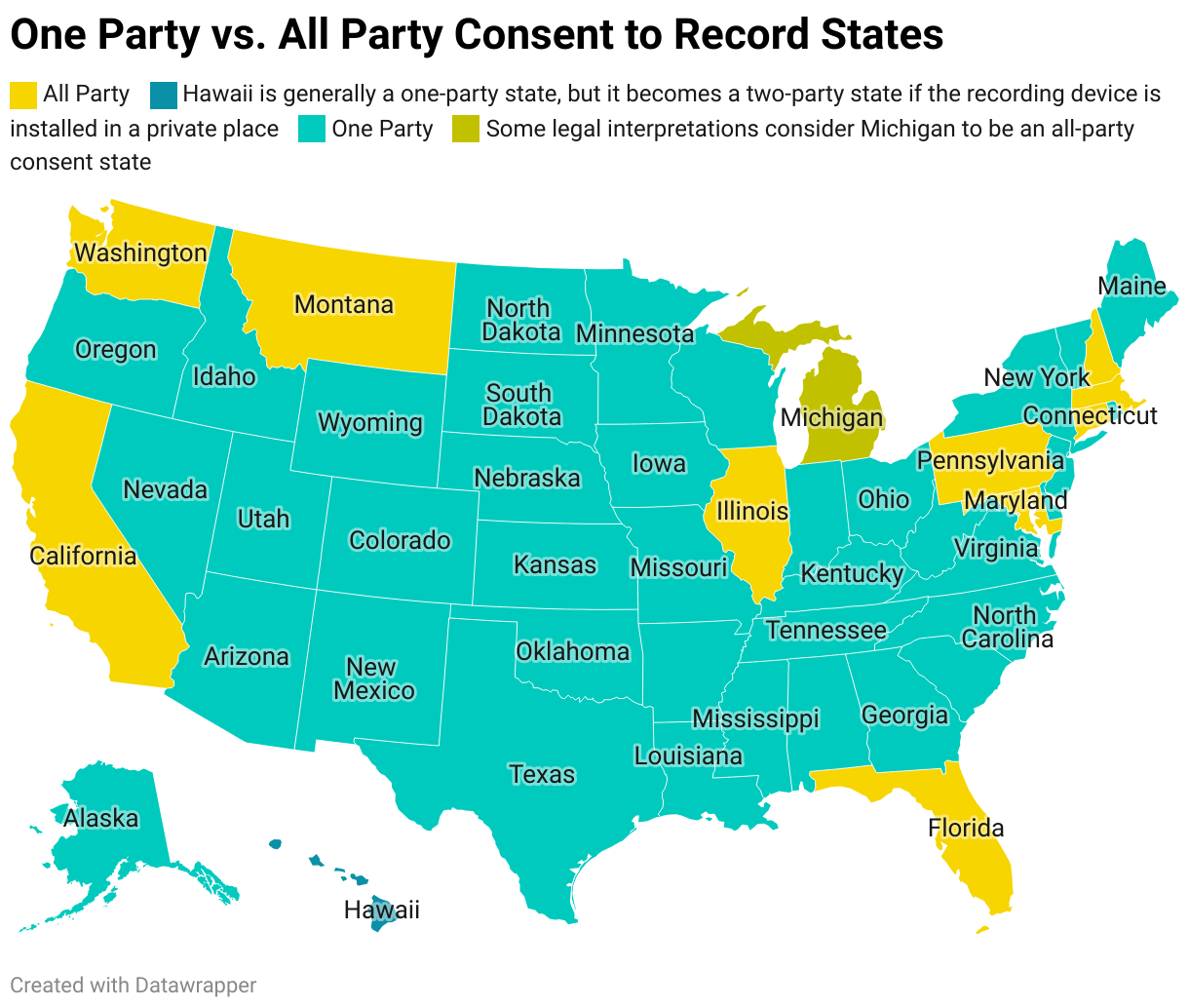
Understanding the legalities of recording conversations is not just a niche concern for legal professionals; it’s a practical consideration for any visitor to Texas. In an era where digital devices are ubiquitous, inadvertently breaking a law could cast a shadow over an otherwise perfect vacation or business stay. This comprehensive guide aims to demystify Texas law on recording conversations, offering clarity and practical advice specifically tailored for travelers, tourists, and anyone enjoying the unique lifestyle offerings of this dynamic state. We’ll delve into the specifics of consent, differentiate between public and private spaces, and explore common scenarios where recording might occur, ensuring your trip remains enjoyable and legally sound.
Understanding Texas’s Wiretapping Laws: The One-Party Consent Rule
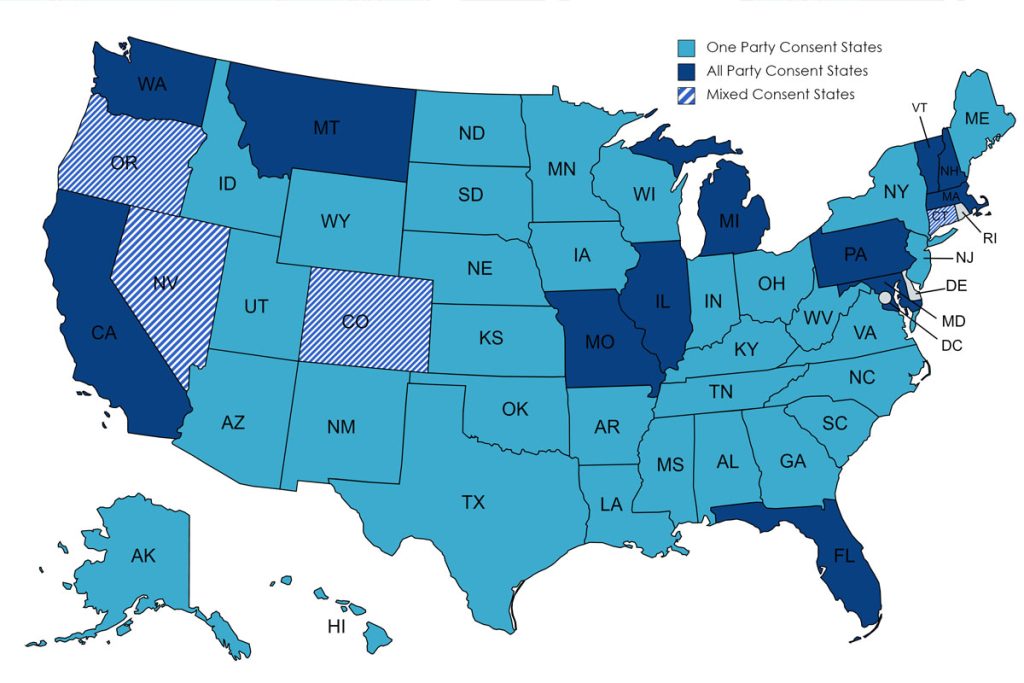
The legal framework governing the recording of conversations in Texas primarily falls under wiretapping statutes. Unlike some states that require all parties involved in a conversation to consent to its recording (known as “two-party consent” states), Texas operates under a “one-party consent” rule. This is a crucial distinction that has significant implications for both residents and visitors.
The “One-Party Consent” Rule Explained
At its core, the Texas one-party consent law dictates that it is legal to record a phone call or in-person conversation as long as at least one party to the conversation has consented to the recording. This means that if you are a participant in the conversation, you can legally record it without informing the other parties, as your participation implicitly serves as your consent. The key here is that the recording party must be a party to the conversation. You cannot, for example, secretly record a conversation between two other people if you are not involved in it, as that would typically violate the law.
This rule applies to both oral communications and electronic communications, encompassing everything from a casual chat on a street corner in Austin to a discussion with a hotel manager about your accommodation booking. The legal principle is rooted in the idea that if you are part of the exchange, you have a right to record what is being said to or by you, for your own record-keeping or other legitimate purposes. However, it’s vital to remember that while the act of recording itself might be legal under one-party consent, the use or dissemination of that recording can still be subject to other laws, such as those concerning privacy, defamation, or harassment. This is especially true if the content is highly sensitive or used for malicious intent.
Implications for Travelers and Tourists
For those visiting Texas, understanding the one-party consent rule is paramount. Whether you’re negotiating a better rate for a suite at a luxury hotel like the JW Marriott San Antonio Hill Country Resort & Spa or discussing details of a guided tour of the Alamo, knowing this law provides a clear framework. If you find yourself in a situation where you feel the need to record a conversation—perhaps to clarify details of a booking, document a dispute, or simply remember specific information from a local expert—you generally have the legal right to do so, provided you are a direct participant.
This legal clarity can offer a sense of security to travelers. It means that if there’s a misunderstanding about a service, an issue with a rental car, or a need to confirm verbal agreements, you can potentially record the conversation for your records without fear of breaking Texas wiretapping laws. However, while legal, exercising this right also comes with ethical considerations, which we will explore later. It’s always advisable to consider the context and potential repercussions before hitting record, even when legally permitted.
Recording in Public vs. Private Spaces
The distinction between public and private spaces plays a crucial role in the legality and appropriateness of recording, particularly when it comes to visual recordings and, to some extent, audio. While Texas’s one-party consent rule primarily addresses conversations, the environment in which these conversations occur can influence expectations of privacy and potential other legal considerations.
Navigating Hotels, Resorts, and Accommodation
When you are staying at a hotel, resort, or other forms of accommodation, you are generally in a private establishment, even if parts of it are accessible to the public. Common areas like lobbies, restaurants, and corridors might be considered areas where there’s a diminished expectation of privacy, similar to public spaces. However, within your rented room or suite, the expectation of privacy is very high.
For audio recordings of conversations, the one-party consent rule still applies. If you’re talking to a concierge at the Omni Dallas Hotel in the lobby or a hotel manager in their office, and you are part of that conversation, you can record it. This applies to interactions regarding amenities, service issues, or even discussing long-term stay options. However, recording visuals in private establishments, especially in areas where privacy is expected (like changing rooms, restrooms, or private guest suites), without explicit consent is highly illegal and unethical, potentially leading to severe criminal charges. Even in common areas, while generally permitted to photograph or video, discretion and respect for others’ privacy should always be a priority. Always remember that while you might be legally allowed to record, a private establishment can still ask you to stop or even remove you from their property if your recording activities violate their policies, provided those policies are reasonable and do not infringe upon your legal rights in public spaces.
Capturing Moments at Texas Landmarks and Attractions
Texas is home to countless iconic landmarks and attractions, from the historic Alamo and the bustling San Antonio Riverwalk to the natural wonders of Big Bend National Park. In most genuinely public spaces, such as streets, parks, and publicly accessible areas of landmarks, there is generally no reasonable expectation of privacy. This means you are typically free to take photographs, video recordings, and even record audio of conversations where you are a participant, following the one-party consent rule.
When capturing the vibrant local culture or participating in activities at a major tourist attraction, you can often record your experiences freely. This is excellent news for documenting a family trip to the Houston Space Center or a leisurely stroll through Dallas Arts District. However, some attractions, even if publicly accessible, might have specific rules regarding photography or videography, especially for commercial use or in certain exhibits. Always look for signage or inquire with staff if you plan extensive recording.
For audio recordings of conversations, the one-party consent rule remains the guiding principle. If you’re discussing the history of the Texas State Capitol with a tour guide, you can record that conversation. If you’re simply recording the ambient sounds of a public event, that generally doesn’t fall under wiretapping laws unless it’s specifically aimed at capturing private conversations between others. The general rule of thumb: if you’re in a place where you can reasonably be seen or heard by the public, you generally have less expectation of privacy, making visual recording largely permissible. For audio recordings of conversations, your participation is key.
When and Why Travelers Might Record
Travelers visit Texas for a myriad of reasons, from immersing themselves in its rich history and diverse food scene to attending crucial business stays. In these varied scenarios, the decision to record a conversation can stem from different motivations, ranging from personal record-keeping to navigating potential issues.
Documenting Experiences and Memories
One of the most common reasons travelers record is simply to preserve their memories and experiences. This isn’t always about formal “conversations” but can involve capturing the sounds of a bustling market, a street musician in Austin’s Sixth Street, or the commentary of a local expert describing the architecture of a historic building. For instance, a food tour through Houston’s diverse culinary neighborhoods might involve lively discussions with chefs and vendors. Recording these exchanges, where you are an active participant, can enrich your personal travelogue, allowing you to revisit the nuances of local culture and fascinating tidbits long after your trip concludes.
Similarly, during organized tours, a guide might share valuable information about famous places or history that’s difficult to retain verbatim. Recording a discussion with your guide about the intricacies of the Fort Worth Stockyards National Historic District can serve as an excellent auditory souvenir and a factual reference. This aspect of recording is largely benign and aligned with the spirit of travel, enhancing the enjoyment and retention of vacation highlights, whether it’s a luxury travel experience or a more budget travel adventure.
Addressing Disputes and Protecting Yourself
While travel is generally a joyful pursuit, unforeseen issues can arise. These might range from discrepancies in hotel booking details at a property like the Hyatt Regency Dallas to disputes over service quality at a restaurant or a disagreement with a rental car agency. In such scenarios, recording a conversation can serve as a valuable tool for personal protection and factual documentation.
If you are discussing a refund, a complaint about amenities, or clarifying a miscommunication, having an audio record of the exchange can provide objective evidence of what was said by all parties involved. This can be particularly useful when dealing with customer service representatives, hotel staff, or other service providers. For example, if a hotel promised a specific room type or service during your booking and fails to deliver, a recording of your conversation with the front desk explaining the discrepancy could be instrumental in resolving the issue or supporting a claim for comparison against what was delivered versus what was promised. It adds an extra layer of accountability and can help prevent a “he said, she said” situation from escalating. For a business traveler, documenting agreements or negotiations can be especially critical for legal and professional integrity. The ability to use the one-party consent rule in Texas offers a legal avenue for travelers to protect their interests, provided they are active participants in the conversation being recorded.
Best Practices and Ethical Considerations for Visitors
While the “one-party consent” rule in Texas offers considerable latitude for recording conversations, the legality of an action doesn’t always equate to its ethical appropriateness or practical wisdom. For visitors keen on a smooth and enjoyable experience, especially when navigating diverse local cultures and interacting with service providers, adopting best practices and considering ethical implications is crucial.
Seeking Legal Clarity Before You Record
Even with the general understanding of Texas’s one-party consent law, individual circumstances can sometimes be complex. If you anticipate a situation where recording a conversation might be critical, especially if it involves significant legal or financial implications, it’s always prudent to seek specific legal advice. While this article provides general information, it is not a substitute for professional legal counsel tailored to your unique situation. This is particularly relevant if you plan to use a recording as evidence in a legal dispute or if the conversation crosses state lines, as different states have varying wiretapping laws.
For instance, if you are a business traveler engaged in sensitive negotiations in a Texas city like Dallas, and some parties involved might be located in two-party consent states, the legal landscape becomes more intricate. Understanding the nuances can prevent unintended legal complications. When in doubt, it’s safer to err on the side of caution or, ideally, to explicitly inform all parties that the conversation is being recorded. Transparency, even when not legally required, often fosters trust and prevents misunderstandings down the line, contributing to a more positive overall experience of your trip.

Respecting Privacy While Exploring the Lone Star State
Beyond legal requirements, ethical considerations should always guide your decision to record. Even if you are legally permitted to record a conversation without explicit consent from the other party in Texas, consider the impact it might have on the interaction. Secretly recording someone can be perceived as distrustful, intrusive, or even manipulative, potentially damaging rapport and goodwill. For casual interactions, such as asking a local for directions or inquiring about food recommendations, openly asking for permission to record (e.g., “Do you mind if I quickly record that so I don’t forget?”) is a polite and respectful approach that usually garners cooperation.
This sense of respect extends to visual recordings as well. While you might be able to freely photograph or video in public spaces like the San Antonio Riverwalk or Galveston Beach, always be mindful of others’ privacy. Avoid intrusive close-ups of strangers without their consent, especially children. When visiting private establishments like shops, museums, or particular resorts, adhere to any posted rules regarding photography or videography. Cultivating a mindful approach to recording ensures that your pursuit of documenting your travels does not infringe upon the comfort and privacy of others, contributing positively to your perception as a visitor and allowing you to fully enjoy the warmth and hospitality that Texas is famous for. This mindful approach aligns perfectly with responsible tourism practices, fostering good relationships with local communities and ensuring a genuinely enriching experience for everyone.
In conclusion, while Texas offers flexibility with its one-party consent rule for recording conversations, a blend of legal awareness, ethical judgment, and common courtesy will ensure that your digital documentation enhances rather than complicates your journey through this magnificent state. Whether capturing a memory or resolving a concern, always consider the broader implications of your actions.
LifeOutOfTheBox is a participant in the Amazon Services LLC Associates Program, an affiliate advertising program designed to provide a means for sites to earn advertising fees by advertising and linking to Amazon.com. Amazon, the Amazon logo, AmazonSupply, and the AmazonSupply logo are trademarks of Amazon.com, Inc. or its affiliates. As an Amazon Associate we earn affiliate commissions from qualifying purchases.