
The world of hotel accommodation can often feel like navigating a labyrinth of jargon, with terms like “standard room,” “deluxe suite,” and “twin room” frequently causing confusion. Among the most fundamental yet often misunderstood is the “double room.” Far from implying a room with two separate beds, as some might instinctively assume, a double room is a cornerstone of global hospitality, primarily designed to comfortably accommodate two people, typically featuring one double bed. This distinction is crucial for travelers planning their stays, whether for a romantic getaway, a business trip, or an exploration of vibrant destinations.
Understanding what a double room truly entails is vital for a seamless booking experience and a comfortable stay, ensuring your expectations align with what the hotel provides. It speaks directly to the core of accommodation planning, impacting everything from comfort and convenience to budget and overall travel satisfaction. Let’s delve deeper into this ubiquitous hotel offering, unpacking its features, distinguishing it from other room types, and guiding you on how to book the perfect double room for your next adventure.
Unpacking the “Double” in Double Room
At its heart, the term “double room” refers to a hotel room configured to sleep two guests. The primary defining characteristic is almost always the presence of a single bed designed for two occupants. However, like many aspects of tourism and hospitality, there can be regional variations and specific hotel policies that influence its exact interpretation.
The Standard Definition: Bedding Configurations
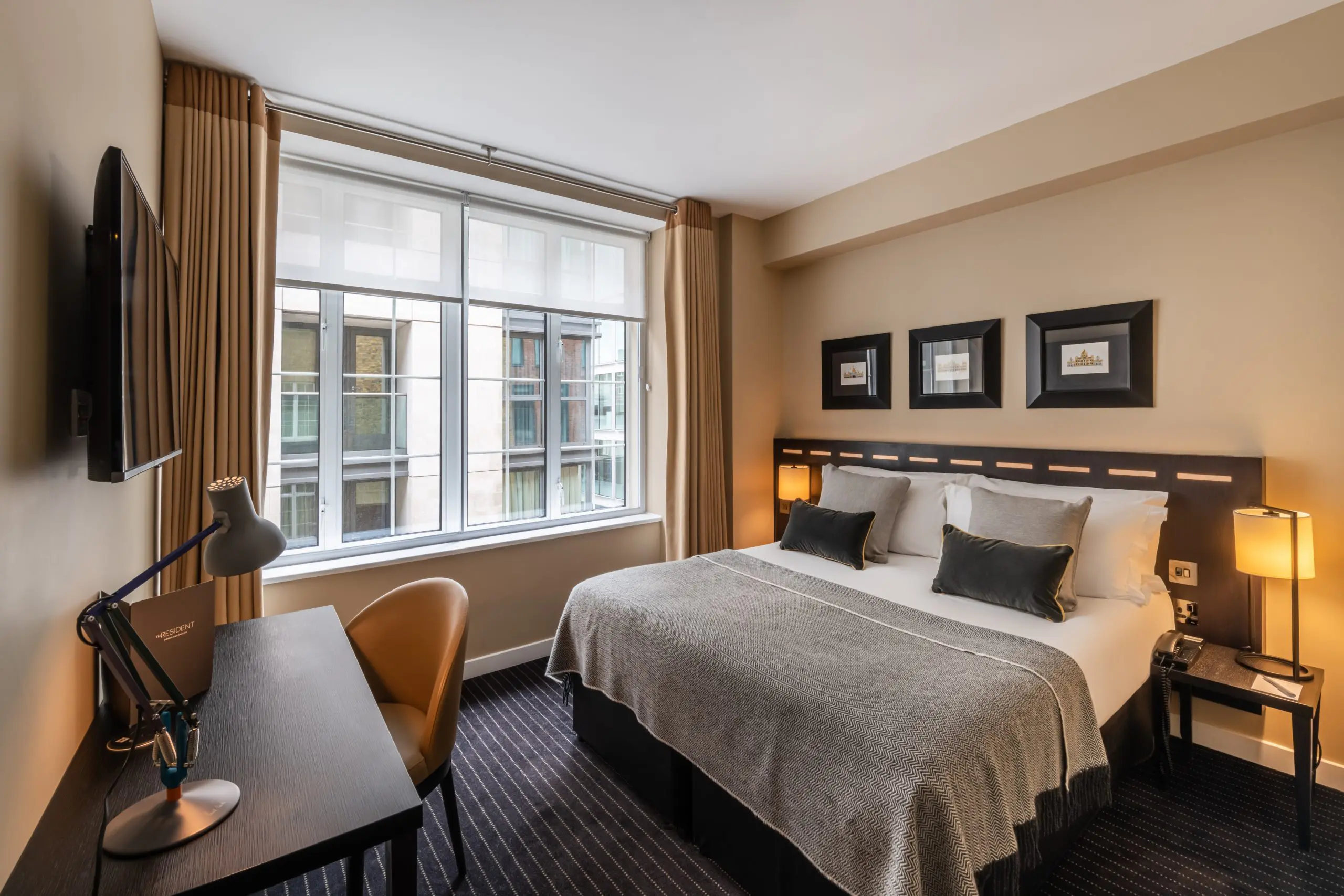
The most common setup for a double room features one double bed. This could be a full-size bed, a queen-size bed, or even a king-size bed, depending on the hotel’s class, standard room size, and local market conventions. In North America, a double bed typically refers to a full-size bed, which is smaller than a queen or king. However, many hotels will use a queen or king bed in their double rooms to enhance guest comfort, especially in higher-end establishments.
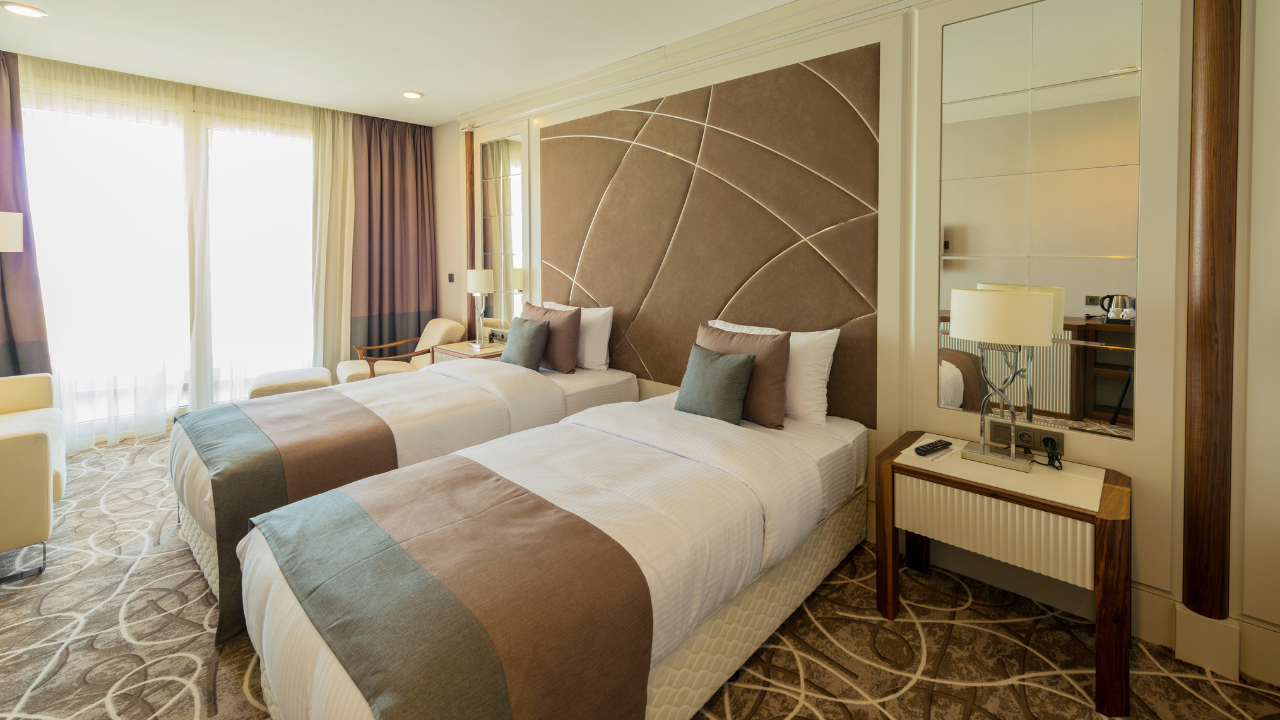
It’s less common, but some double rooms might offer two double beds. This configuration is more typically associated with what might be termed a “double-double room” or a “family room” in certain markets, especially in the United States. However, if a standard double room is advertised with two beds, it’s usually two smaller double beds or two twin beds, which then technically shifts it closer to a “twin room” in conventional European understanding. Always clarify the exact bed configuration when booking, particularly if traveling with someone you prefer not to share a bed with.
Key Features and Amenities
Beyond the bed, a standard double room offers a range of features designed for convenience and comfort for two guests. While the specifics can vary greatly between a budget motel and a luxury resort, common amenities often include:
- Private Bathroom: Typically featuring a shower or a shower/bathtub combination, a toilet, and a sink.
- Basic Furnishings: A wardrobe or closet, a desk or work surface with a chair, and sometimes an armchair or small sofa.
- Entertainment: A television, often with cable or satellite channels.
- Connectivity: Wi-Fi access, though sometimes at an additional charge in older or budget properties.
- Climate Control: Air conditioning or heating, depending on the climate and season.
- Coffee/Tea Making Facilities: A kettle and complimentary coffee/tea sachets are common.
- Minibar/Mini-fridge: For storing drinks and snacks, sometimes stocked with chargeable items.
- Safety Deposit Box: For securing valuables.
The size of a double room is generally adequate for two people and their luggage, though it’s rarely spacious. It’s designed for functionality and comfort rather than sprawling luxury.
Beyond the Basics: What to Expect in Different Hotel Classes
The quality and extent of amenities in a double room are heavily influenced by the hotel’s star rating or classification.
- Budget Hotels: Think basic, clean, and functional. The double bed might be a full-size, the bathroom compact, and amenities limited to essentials like a TV and basic Wi-Fi. Examples include chains like Travelodge or Ibis Budget.
- Mid-Range Hotels: These offer a noticeable step up. You’ll likely find a queen or even a king-size bed, more spacious bathrooms, better quality linens, and a fuller range of amenities including a mini-fridge, coffee maker, and complimentary Wi-Fi. Chains like Holiday Inn Express or Hampton Inn fall into this category.
- Luxury Hotels: In establishments like the Four Seasons or Ritz-Carlton, a “double room” would feature premium king-size bedding, designer furnishings, opulent bathrooms with separate showers and tubs, high-end toiletries, advanced entertainment systems, and often a dedicated seating area. The emphasis here is on elegance, comfort, and impeccable service, reflecting a certain lifestyle.
Double Rooms vs. Other Accommodation Types
To truly grasp the essence of a double room, it’s helpful to compare it with other common hotel room configurations. This comparison is vital for travelers to ensure they select the most appropriate room for their specific needs, avoiding surprises upon arrival.
Double Room vs. Twin Room
This is perhaps the most common point of confusion.
- Double Room: As established, typically features one bed designed for two people (e.g., a queen or king).
- Twin Room: Features two separate beds, usually two single or twin beds, designed to accommodate two individual guests who prefer not to share a bed. This is ideal for friends traveling together, colleagues on a business trip, or siblings. In some parts of Europe, “double room” can occasionally refer to a room with two twin beds pushed together, so always verify if traveling internationally.
Double Room vs. King/Queen Room
Often, these terms are used interchangeably with “double room” when referring to the bed size.
- King Room: Specifically indicates a room with one king-size bed.
- Queen Room: Specifically indicates a room with one queen-size bed.
- A “double room” can contain either a queen or king bed, but using “King Room” or “Queen Room” explicitly states the bed size, removing ambiguity. A hotel might have both “Double Rooms” (perhaps with a full or smaller queen bed) and “King Rooms” (with a larger bed) at different price points.
Double Room vs. Single Room
The distinction here is straightforward.
- Double Room: For two guests, with one bed.
- Single Room: For one guest, typically with one single or twin bed. These rooms are usually smaller and more economical, ideal for solo budget travel or short business stays.
Double Room vs. Suites and Family Rooms
These room types offer significantly more space and specialized configurations.
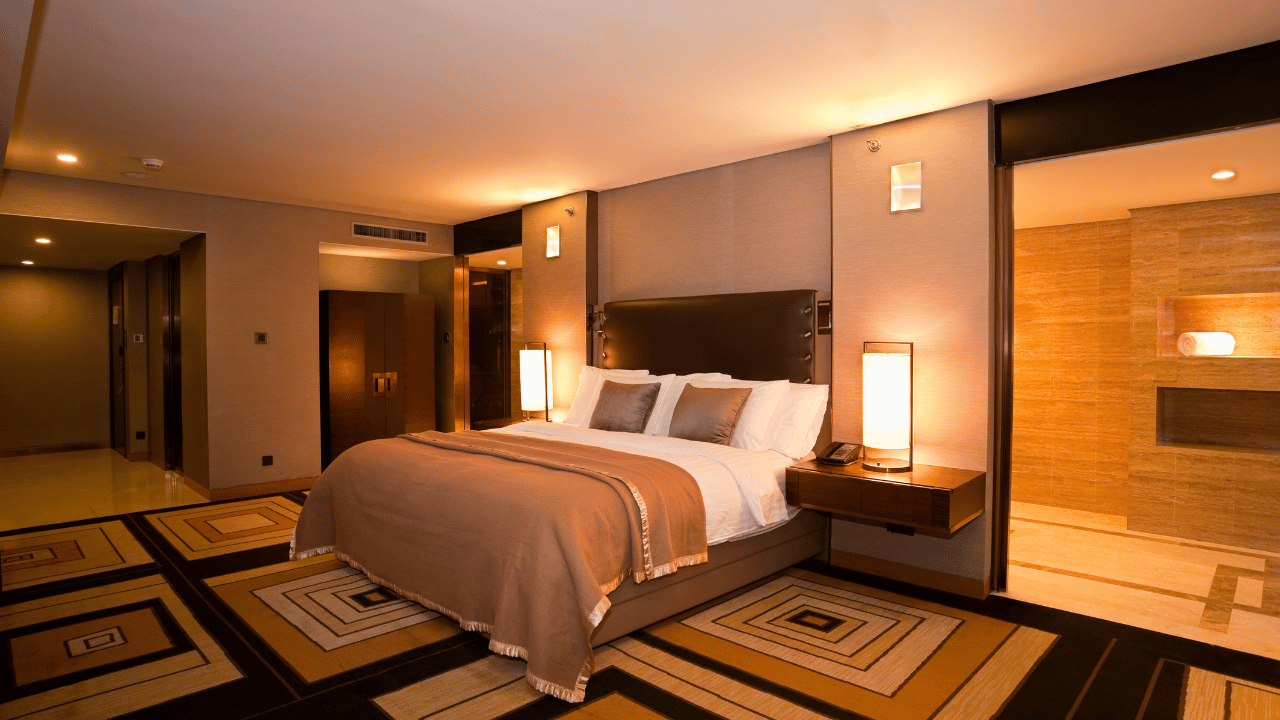
- Suites: Provide more expansive living space, often with separate sleeping and living areas. They might include kitchenettes, dining tables, and multiple bathrooms, catering to luxury travel or longer stays. A “junior suite” might just be a larger room with a distinct seating area.
- Family Rooms: Explicitly designed for families, these rooms typically have multiple beds (e.g., one double bed and two single beds, or bunk beds) or interconnected rooms. They offer more space and sleeping arrangements suitable for three or more guests, making them perfect for family trips.
- Apartment Hotels/Villas: These are often categorized under “accommodation” and provide a home-away-from-home experience, with full kitchens and multiple rooms, offering greater privacy and amenities for extended stays or larger groups.
Who is a Double Room For? Ideal Travelers and Scenarios
The versatility of the double room makes it suitable for a wide array of travelers and travel scenarios. Its widespread availability and balanced features make it a go-to choice for many.
Couples and Romantic Getaways
This is arguably the quintessential purpose of a double room. One comfortable bed for two people creates an intimate setting, perfect for couples exploring a new city like Paris, relaxing on a beach vacation, or enjoying a quiet weekend escape. The shared sleeping space fosters closeness, making it a popular choice for honeymoons, anniversaries, or just a romantic break.
Solo Travelers Seeking Space
While a single room is an option for solo travelers, many prefer the added comfort and space of a double room. The larger bed provides more room to spread out, and the slightly bigger room footprint can make a significant difference, especially during longer stays or when needing extra space for luggage or work. It often doesn’t cost significantly more than a single room, offering better value for comfort.
Business Travelers
For individual business stays, a double room (often marketed as a “standard room”) is the typical offering. It provides a comfortable bed, a desk for work, and essential amenities for a productive stay. The quiet environment and private bathroom are crucial for business travelers needing to rest and prepare for meetings. Many hotel chains like Marriott or Hilton standardize their double rooms to meet these needs across their properties, from New York City to Tokyo.
Small Families with Young Children
A double room can sometimes work for a small family, particularly those with a baby or a very young child who can share the large bed with parents, or if the hotel provides a crib or cot. However, space can quickly become an issue, and for older children or more than one child, a family room or interconnected rooms would be more appropriate. Always check the hotel’s child policy and inquire about cots or extra beds when booking.
Friends Traveling Together
While a twin room is generally preferred for friends who want separate beds, a double room can be a more economical option if friends are comfortable sharing a bed. This often happens on budget travel trips where cost-saving is a priority. Again, verifying the exact bed configuration is paramount to avoid awkward situations.
Booking a Double Room: Tips for a Seamless Stay
Navigating the booking process can be straightforward if you know what to look for and what questions to ask. A well-chosen double room can significantly enhance your travel experience, whether you’re exploring landmarks in Rome or enjoying local culture.
Understanding Hotel Classifications
The definition and expectation of a “double room” can vary significantly across different hotel brands, star ratings, and geographical locations. A “double room” in a quaint Bed and Breakfast in the United Kingdom might be quite different from one in a contemporary boutique hotel in Asia or a sprawling resort in South America. Always consider the hotel’s overall category and the typical standards of the region you are visiting. High-end hotels will generally offer more spacious double rooms with larger beds and superior amenities.
Important Questions to Ask
Before finalizing your booking, especially if you have specific preferences, don’t hesitate to contact the hotel directly or use their online chat service.
- “What size is the double bed?” Is it a full, queen, or king? This is the most crucial question.
- “Is there a possibility of two double beds instead of one?” Clarify if a “double room” might imply two beds in their specific terminology.
- “What is the square footage of the room?” This gives you a clear idea of the actual space.
- “What specific amenities are included?” Confirm Wi-Fi, mini-fridge, coffee maker, and any other essentials.
- “What is the view from the room?” If you have a preference for a city view, garden view, or quiet side.
- “Is there an option for a crib/cot if traveling with a baby?” Confirm availability and any associated costs.
Leveraging Online Booking Platforms and Reviews
Websites like Booking.com, Expedia, Agoda, and TripAdvisor are invaluable resources.
- Detailed Descriptions: Always read the room descriptions carefully. They usually specify bed types and key amenities.
- Photos: Examine the photos. While professional photos can be misleading, they provide a general idea. Look for photos taken by other travelers in the review sections.
- Guest Reviews: Pay close attention to reviews from previous guests. They often mention details about room size, bed comfort, and actual amenities, offering an honest perspective that official descriptions might omit. If multiple reviews mention a double bed was surprisingly small, it’s a good warning sign.
- Filters: Utilize filters to narrow down your search based on bed size, amenities, or specific room features.
Price Considerations and Value
Double rooms are generally priced to reflect their capacity for two guests. They are usually more expensive than single rooms but less costly than suites or family rooms. When evaluating value, consider:
- Included Amenities: Does the price include breakfast, Wi-Fi, or access to the hotel pool or gym?
- Location: Hotels in prime tourist attractions or business districts, such as near the Eiffel Tower in France or the Colosseum in Italy, will typically have higher prices.
- Seasonality: Prices fluctuate based on peak travel seasons and local events. Booking in advance or during off-peak times can offer better rates.
- Hotel Loyalty Programs: If you frequently stay with a particular brand, their loyalty programs can offer upgrades or discounts on double rooms.
In conclusion, a double room is a fundamental hotel offering, typically providing one bed suitable for two guests. Its simplicity belies a world of variation based on hotel class, location, and specific amenities. By understanding its core definition, comparing it to other room types, and asking the right questions, travelers can confidently book a double room that perfectly suits their needs, ensuring a comfortable and enjoyable stay on their next adventure.
LifeOutOfTheBox is a participant in the Amazon Services LLC Associates Program, an affiliate advertising program designed to provide a means for sites to earn advertising fees by advertising and linking to Amazon.com. Amazon, the Amazon logo, AmazonSupply, and the AmazonSupply logo are trademarks of Amazon.com, Inc. or its affiliates. As an Amazon Associate we earn affiliate commissions from qualifying purchases.