
Florida, often celebrated as the Sunshine State, beckons millions of visitors annually with its promise of warmth, vibrant culture, and endless opportunities for adventure. From its pristine beaches and world-class theme parks to its lush national parks and historic cities, the allure of Florida is undeniable. However, understanding the nuanced weather patterns across this diverse peninsula is paramount for planning an unforgettable trip. Far from being a monolithic climate, Florida’s weather varies significantly by season and region, influencing everything from daily activities and packing choices to the best time for securing ideal accommodation or experiencing local tourism.
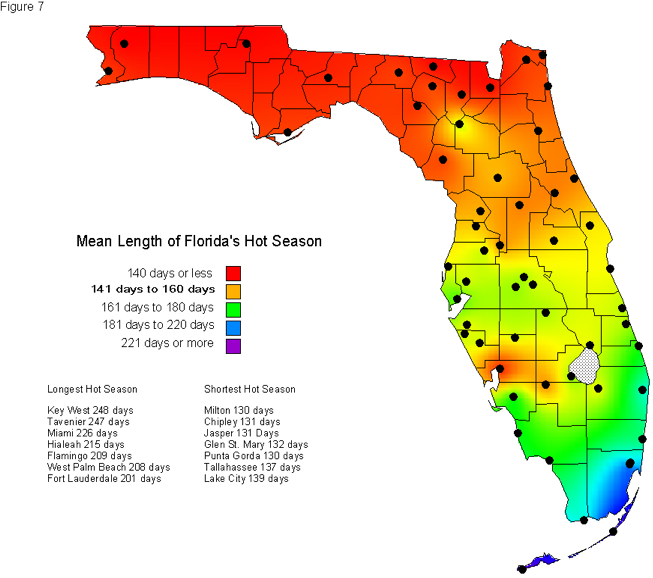
As a premier travel destination in the United States, Florida’s climate is generally characterized by a humid subtropical environment in the northern and central parts, transitioning to a tropical climate in the southern reaches, particularly in the Florida Keys. This translates into warm to hot temperatures year-round, substantial rainfall, and a pervasive sense of humidity. For travelers considering everything from luxury resorts to budget-friendly apartments, or families planning an immersive journey through a new destination, aligning expectations with the local weather is a critical first step. This guide aims to demystify Florida’s weather, offering insights into its seasonal shifts, regional variations, and unique meteorological phenomena, ensuring you can maximize your enjoyment of this captivating state.
Florida’s Diverse Climate: A Year-Round Overview
Understanding the distinct characteristics of each season in Florida is essential for any traveler. While the state largely avoids the harsh winters of its northern neighbors, each season presents its own set of weather conditions, influencing activities, crowd levels, and even accommodation prices.
Summer: The Season of Sunshine and Showers (June to August)
Florida’s summer months are famously hot and humid, embracing the full force of its subtropical and tropical classifications. Average daytime temperatures typically hover in the high 80s to low 90s Fahrenheit (around 30-35°C), with nighttime lows rarely dipping below 70°F (21°C). The humidity is often very high, making the “feels like” temperature considerably warmer and requiring careful planning for outdoor excursions.
A hallmark of the Florida summer is the almost daily afternoon thunderstorm. These are usually short-lived, intense downpours that can last from 30 minutes to an hour, quickly clearing to reveal sunshine once again. While they can be disruptive, they also bring a welcome drop in temperature and help to “cleanse” the air. These patterns are particularly noticeable in popular tourism hubs like Orlando, where visitors to Walt Disney World Resort or Universal Orlando Resort quickly learn to seek indoor attractions or enjoy water parks during the hottest parts of the day. For those planning beach trips to Miami or Sarasota, mornings are often perfect for sunbathing and swimming before the afternoon showers roll in. Accommodation choices during this peak family travel season should prioritize excellent air conditioning and resort amenities like large pools or indoor activity centers.
Autumn: A Gentle Transition (September to November)
As summer wanes, Florida enters a period of more temperate weather, though the official hurricane season extends through November. Early autumn can still feel very much like summer, with high temperatures and humidity persisting. However, by October and especially November, there’s a noticeable shift. Daytime highs typically range from the low to mid-80s Fahrenheit (27-30°C), and humidity levels gradually decrease, making for much more comfortable conditions.
Rainfall becomes less frequent and intense compared to the summer months, although tropical systems can still bring significant weather events. This season is often considered ideal for exploring Florida’s natural landmarks, such as Everglades National Park, or enjoying outdoor activities like golf, fishing, and kayaking. Cities like Tampa and Fort Lauderdale experience pleasant conditions, perfect for strolling along waterfronts or visiting local cultural sites. Accommodation can see a slight dip in prices after the summer rush, making it an excellent time for budget-conscious travelers or those seeking a more relaxed pace.
Winter: Mild Escapes (December to February)
Florida’s winter is undoubtedly its peak tourist season, and for good reason. While much of North America is battling snow and ice, Florida offers a delightful escape with mild, sunny, and relatively dry weather. Average daytime temperatures range from the mid-60s to low 70s Fahrenheit (18-23°C) in the north and central regions, rising to the mid-70s Fahrenheit (24°C) in South Florida and the Florida Keys. Nights can be cool, especially in North Florida, occasionally dropping into the 40s or 30s Fahrenheit (4-9°C), necessitating a light jacket or sweater.
Rainfall is at its lowest during winter, making it perfect for prolonged outdoor exploration. This is the ideal time for visiting historic St. Augustine, exploring the beaches of Naples, or enjoying the vibrant nightlife of South Beach. For nature enthusiasts, it’s also the best time for wildlife viewing in places like Everglades National Park, as migratory birds arrive and animals are more active in the cooler temperatures. The popularity of winter in Florida means that hotels and resorts, particularly luxury properties, will be at their highest prices and often require advance booking. Planning a family trip during this period offers excellent weather for all outdoor attractions, but also means dealing with larger crowds.
Spring: Ideal Conditions Flourish (March to May)
Spring in Florida is another highly sought-after season, characterized by warm temperatures, lower humidity, and diminishing rainfall. It offers a wonderful balance between the coolness of winter and the intense heat of summer. Daytime temperatures typically range from the mid-70s to mid-80s Fahrenheit (24-30°C), with pleasant evenings. The comfortable humidity levels make it an excellent time for exploring everything Florida has to offer.
Rainfall starts to increase slightly towards late spring, signaling the approach of the summer rainy season, but it remains generally manageable. This period is fantastic for beach vacations, theme park visits, and exploring Florida’s many natural springs and coastal towns. Spring break crowds can be significant in March and early April, especially in popular beach destinations and theme parks, affecting accommodation availability and pricing. By late April and May, the crowds thin out, and conditions remain superb, offering a sweet spot for travel before the full intensity of summer heat and humidity sets in. It’s a great time for experiencing local culture, dining al fresco, and enjoying outdoor activities without the sweat of summer.
Regional Weather Variations Across the Sunshine State
While Florida is known for its sunshine, its extensive north-south span means that climate conditions can vary significantly from one end of the state to the other. Understanding these regional differences is key to tailoring your trip, whether you’re seeking a quiet beach getaway, a bustling city experience, or an adventure in nature.
North Florida: Subtler Seasons
The northern reaches of Florida, including cities like Jacksonville, St. Augustine, and the Panhandle region along the Gulf Coast, experience a more distinct four-season pattern compared to the rest of the state. While still milder than most of the United States, winters here can bring occasional frosts and even rare freezing temperatures, with daytime highs often in the 50s and 60s Fahrenheit (10-18°C). Summers are hot and humid, similar to central Florida, with frequent afternoon thunderstorms.
The spring and autumn months are particularly pleasant, offering comfortable temperatures and lower humidity, ideal for exploring the historic charm of St. Augustine or the pristine beaches of Pensacola. Travelers focusing on landmarks and history will find North Florida’s milder winters and springs perfect. Accommodation options range from quaint bed and breakfasts in historic districts to modern hotels in Jacksonville, with pricing generally more favorable outside of peak tourist times like spring break.
Central Florida: The Heart of the Action
Central Florida, home to Orlando’s world-famous theme parks, Tampa’s vibrant Gulf Coast attractions, and the Kennedy Space Center Visitor Complex on the Atlantic Coast, represents a classic humid subtropical climate. Summers are consistently hot and extremely humid, with daily highs in the low 90s Fahrenheit (32-34°C) and persistent afternoon showers. This region often experiences some of the highest heat indices in the state.
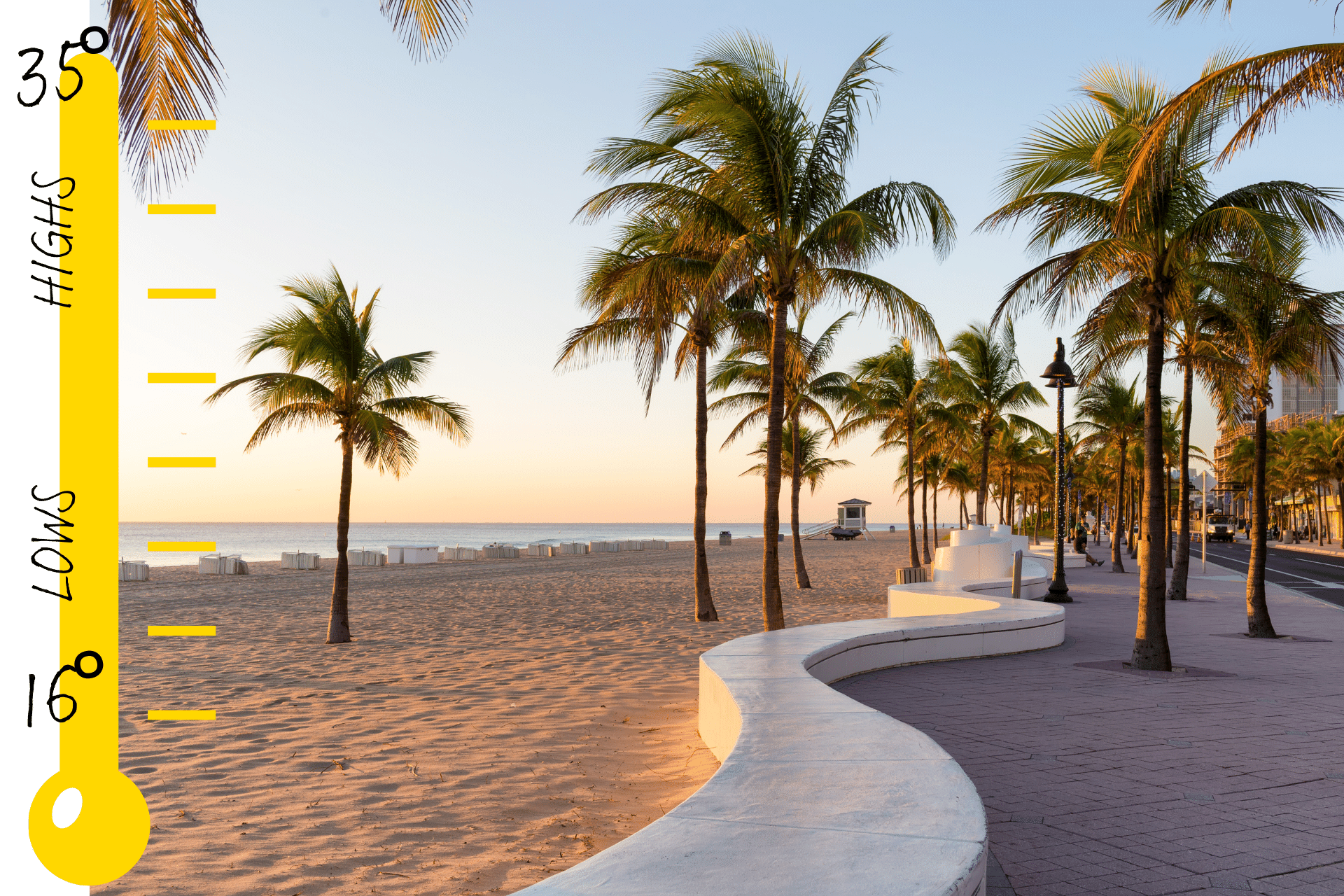
Winters are beautifully mild, with comfortable daytime temperatures in the low to mid-70s Fahrenheit (21-24°C) and cooler evenings. Spring and autumn are transitions, offering pleasant conditions before the full intensity of summer. For family trips centered around attractions, understanding these patterns helps immensely. Many resorts and hotels in Orlando and Tampa are equipped with extensive indoor and outdoor amenities to handle all types of weather, from air-conditioned theme park queues to massive water parks. Booking accommodation well in advance is crucial, especially during peak school holidays and the mild winter months.
South Florida and The Keys: Tropical Allure
South Florida, encompassing cities like Miami, Fort Lauderdale, Naples, and the entirety of the Florida Keys, boasts a true tropical climate, more akin to the Caribbean than the rest of the United States. This means year-round warmth and humidity, with less temperature fluctuation than northern areas. Summers are intensely hot and humid, with average highs in the low 90s Fahrenheit (32-34°C) and minimal relief at night. Rain is abundant through the summer wet season, often in short, heavy bursts.
Winters are warm and glorious, with daytime temperatures typically in the mid-70s to low 80s Fahrenheit (24-28°C) and very little rainfall. Frosts are virtually non-existent. This makes South Florida and the Florida Keys popular winter escapes, driving up the cost of luxury travel and boutique hotels significantly. Destinations like Key West thrive in the winter, offering idyllic conditions for snorkeling, diving, and sailing. For those seeking sun and warmth during colder months, this region is unbeatable, but expect to pay premium prices for accommodation and experiences. The Breakers Palm Beach or Loews Portofino Bay Hotel are examples of resorts where travelers might enjoy luxury experiences even during the hotter periods due to their extensive amenities.
Navigating Florida’s Unique Weather Phenomena
Beyond seasonal shifts and regional nuances, Florida is known for several specific weather phenomena that travelers should be aware of. Preparation and understanding can greatly enhance a trip and minimize potential disruptions.
Understanding Humidity and Heat
Humidity is a constant companion in much of Florida, especially from late spring through early autumn. High humidity makes the air feel thicker and warmer, leading to quicker dehydration and potential heat-related illnesses if precautions aren’t taken. For tourism and outdoor activities, this means pacing yourself, staying hydrated, wearing lightweight and breathable clothing, and seeking shade or air-conditioned spaces frequently. Many attractions, particularly theme parks, are designed with shaded queues and misting stations to help manage the heat. For accommodation, ensuring reliable air conditioning is non-negotiable, and resorts with expansive pools or water features become particularly attractive. Luxury travel during these months often involves booking hotels with private cabanas or chilled pool facilities to beat the heat.
Hurricane Season Preparedness
Florida’s hurricane season officially runs from June 1st to November 30th, with the peak activity typically occurring from mid-August through October. While direct hits are relatively rare, the state is susceptible to tropical storms and hurricanes originating in the Atlantic Ocean, Caribbean Sea, or Gulf of Mexico. These events can bring heavy rainfall, strong winds, storm surge, and lead to travel disruptions, including flight cancellations and temporary closures of attractions and businesses.
Travelers planning trips during hurricane season should monitor weather forecasts closely, especially as their departure date approaches. Many hotels and airlines offer flexible cancellation policies during declared hurricane threats. Purchasing travel insurance that covers weather-related cancellations is highly recommended. While the risk exists, most days during hurricane season are perfectly sunny. Being informed and prepared is the best strategy. The state has robust emergency management systems, and local authorities are excellent at providing timely updates and guidance.
Thunderstorms and Lightning
Florida is often referred to as the lightning capital of the United States. Intense, localized thunderstorms are a daily occurrence during the summer wet season, particularly in the afternoon. While often brief, these storms produce frequent lightning, heavy rain, and sometimes strong winds. For visitors, especially those engaged in outdoor activities like golf, fishing, or theme park rides, understanding lightning safety is crucial.
“When thunder roars, go indoors” is a common mantra. Most outdoor attractions, including theme park rides, will temporarily close at the first sign of lightning in the vicinity. Beaches are also quickly cleared. It’s wise to plan indoor activities or visit covered attractions during the typical afternoon storm window. Many attractions, particularly in Orlando, account for this by scheduling parades or outdoor shows for the evening after storms have typically passed. These storms are part of the Florida experience, and with a little flexibility, they rarely derail an entire day’s plans.
Planning Your Florida Trip: Weather-Wise Travel Tips
Armed with a deeper understanding of Florida’s weather, you can now fine-tune your travel plans to ensure an optimal experience. From choosing the perfect time to visit to packing smart and adapting your itinerary, proactive planning makes all the difference.
Best Time to Visit Based on Weather and Activities
- For Mild Weather & Outdoor Exploration (Peak Season): December to May offers the most comfortable temperatures, lowest humidity, and least rain. This is ideal for visiting landmarks like Dry Tortugas National Park, exploring historic districts, enjoying beaches, or participating in outdoor sports. Be prepared for higher prices and larger crowds, especially during winter holidays and spring break.
- For Theme Parks & Water Activities (Shoulder Season): Late April/May and late September/October provide a good balance. The weather is still warm, but the intense summer heat and humidity haven’t fully set in, or have begun to recede. Crowds are generally lighter than peak winter/spring, and accommodation can be more affordable. Water parks and resort pools are still very enjoyable.
- For Budget Travel & Fewer Crowds (Off-Peak Season): June to August is the hottest and wettest period, coinciding with hurricane season. If you can tolerate the heat and humidity, and are prepared for afternoon showers, you’ll find lower prices on flights and hotels. This is also a fantastic time for indoor attractions, museums, and enjoying the lively nightlife of cities like Miami when the sun goes down. Many hotels and resorts offer enticing deals to attract visitors during this period.
Packing Essentials for Every Season
Regardless of when you visit, certain items are always advisable for a Florida trip:
- Sun Protection: Sunscreen (high SPF), sunglasses, wide-brimmed hats are crucial year-round due to the strong Florida sun.
- Lightweight Clothing: Breathable fabrics like cotton or linen are best for managing heat and humidity.
- Swimwear: You’ll almost certainly want to take a dip, whether in the ocean, a spring, or a hotel pool.
- Comfortable Walking Shoes: Essential for theme parks, city tours, and exploring natural areas.
- Hydration: Always carry a reusable water bottle.
- Rain Gear (especially June-November): A lightweight rain jacket or compact umbrella is invaluable for unexpected showers.
- Layering (especially December-February): While days are mild, evenings can be cool, particularly in North and Central Florida. A light sweater or jacket will be appreciated.
- Insect Repellent: Particularly if visiting natural areas like Everglades National Park, especially during warmer, wetter months.

Accommodating Weather Changes in Your Itinerary
Flexibility is your best friend when traveling in Florida.
- Check Forecasts Daily: While long-range forecasts can be unreliable, checking the local forecast a day or two in advance can help you plan.
- Early Starts: During hotter months, tackle outdoor activities or popular attractions early in the morning to beat the worst of the heat and humidity.
- Mid-Day Breaks: Plan for a mid-day break during summer afternoons to return to your accommodation for a swim, a nap, or to enjoy indoor hotel amenities.
- Indoor Alternatives: Always have a backup plan for indoor activities – museums, aquariums, shopping malls, or resort spas – especially during the summer and hurricane season. This is where comprehensive guides to local culture and attractions become invaluable.
- Embrace the Rain: A quick afternoon shower can be part of the adventure. It often cools things down and leads to beautiful post-storm skies. Don’t let it completely dampen your spirits.
In conclusion, Florida’s weather is as dynamic and captivating as the state itself. By understanding its rhythms and planning accordingly, travelers can unlock the full potential of their visit, whether seeking adventure, relaxation, or cultural immersion. The Sunshine State offers something for everyone, any time of year, provided you come prepared to embrace its unique climate.
LifeOutOfTheBox is a participant in the Amazon Services LLC Associates Program, an affiliate advertising program designed to provide a means for sites to earn advertising fees by advertising and linking to Amazon.com. Amazon, the Amazon logo, AmazonSupply, and the AmazonSupply logo are trademarks of Amazon.com, Inc. or its affiliates. As an Amazon Associate we earn affiliate commissions from qualifying purchases.