
The quintessential image of Las Vegas is one of perpetual sunshine, towering resorts, and a vibrant desert landscape. It’s a city synonymous with warmth, even in the depths of winter, drawing millions seeking an escape from colder climes. Yet, for those unfamiliar with its unique geography, the question often arises: “Does Las Vegas snow?” The answer, while surprising to some, is a resounding yes, but it’s exceptionally rare and typically fleeting.
While snowfall in the urban heart of Las Vegas, particularly along The Strip, is an uncommon phenomenon, it does occur. These events are usually light dustings that quickly melt away, adding a surreal, ephemeral beauty to the iconic desert metropolis. However, venture just a short distance outside the city, and a true winter wonderland awaits in the higher elevations. This article will delve into the climate of Las Vegas, explore its historical trysts with snow, and guide you to the genuine snowy escapes available within easy reach of this dazzling Nevada destination.

The Climate of Las Vegas: A Desert Oasis
To understand why snow is such a rarity in Las Vegas, one must first appreciate its unique desert climate. Nestled within the Mojave Desert of the southwestern United States, Las Vegas experiences an arid, subtropical desert climate characterized by extreme heat in the summer and mild, dry winters.
Understanding the Mojave Desert Influence
The Mojave Desert is one of the driest deserts in North America, known for its iconic Joshua Trees and dramatic rock formations. This geographical setting dictates Las Vegas’ weather patterns. The city typically receives very little precipitation throughout the year, averaging around 4 to 5 inches annually, mostly occurring during brief monsoon seasons or as light winter rains. The elevation of Las Vegas itself is relatively low, around 2,000 feet (610 meters) above sea level, making it challenging for temperatures to drop consistently below freezing point, which is essential for snow formation and accumulation.
The dry air and clear skies contribute to significant diurnal temperature swings, meaning there’s a large difference between daytime highs and nighttime lows. Even on cooler winter days, the abundant sunshine quickly warms the ground, making any accumulated snow disappear rapidly. This combination of low elevation, arid conditions, and generally mild winter temperatures makes significant snowfall in the valley a truly exceptional event.
Typical Winter Weather in the City of Lights
When planning a winter trip to Las Vegas, visitors can expect pleasant, cool weather rather than frigid conditions. From December to February, daytime temperatures usually hover between 50°F and 60°F (10°C to 16°C), offering a comfortable environment for exploring The Strip, enjoying outdoor attractions like the Bellagio Fountains, or taking day trips to nearby natural wonders. Nighttime temperatures can drop into the 30s°F and 40s°F (around 0°C to 7°C), sometimes dipping below freezing. However, these cold spells are rarely prolonged enough to create the conditions necessary for widespread or lasting snowfall.
Even when rain does fall during winter, the warm ground often prevents it from turning into snow at street level. If temperatures are right, a brief flurry might occur, but it’s more likely to be a dusting that melts upon contact. This makes winter an ideal time for those who enjoy cooler weather without the extremes of snow and ice found in many other parts of the USA. It’s perfect for golfing, exploring outdoor areas, or simply enjoying the city’s vibrant nightlife without the scorching summer heat.
Rare White Dustings: When Snow Graces the Strip
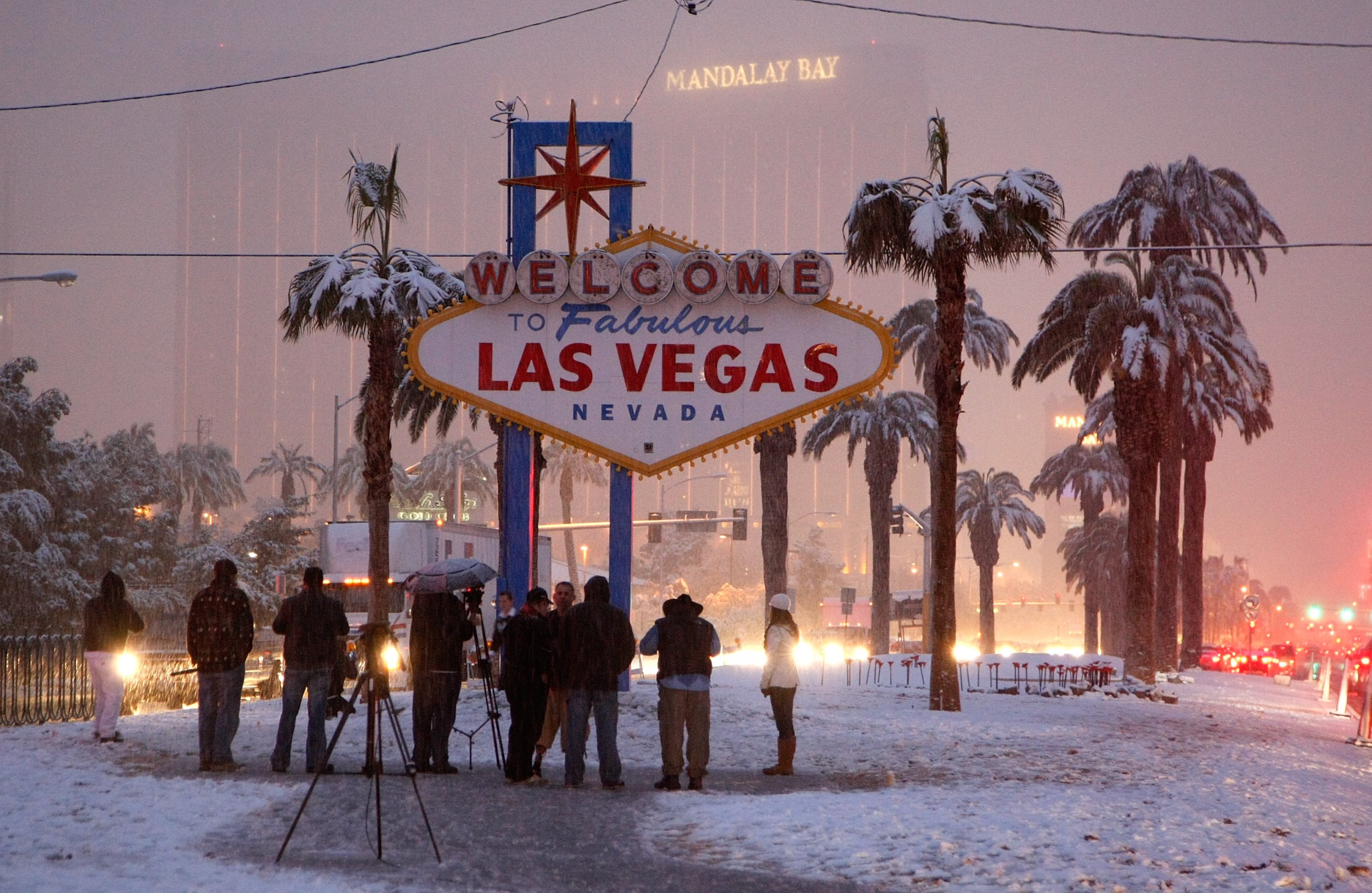
Despite its desert locale, Las Vegas has, on occasion, surprised residents and tourists alike with a blanket of white. These snowfall events are legendary, making headlines and creating a truly unique spectacle against the backdrop of palm trees and neon lights.
Historical Snowfall Events in Las Vegas
While snowfall in Las Vegas is rare, it’s not unprecedented. The city experiences measurable snowfall, meaning at least 0.1 inches, only once every few years on average. Heavier snowfalls, those that accumulate more significantly or last for more than a few hours, are even rarer, occurring perhaps once or twice a decade.
Notable snowfall events in recent history include:
- December 17, 2008: This was arguably one of the most memorable snowfalls, with McCarran International Airport (now Harry Reid International Airport) recording 3.6 inches. It was enough to cause significant disruption, closing roads and delighting locals who rarely see such a sight. The snow lingered for a day, transforming the city into a temporary winter wonderland.
- February 20, 2019: A more recent, though less impactful, event saw parts of Las Vegas receive up to an inch of snow. While it didn’t cause widespread closures, it offered another beautiful contrast of white against the desert and city lights, with locals sharing photos of snow-dusted cacti and casino signs.
- January 19, 1937: Historical records show that this year saw the heaviest single snowfall in Las Vegas’ recorded history, with 7.4 inches accumulating. This event, nearly a century ago, remains a benchmark for the city’s snowiest day.
These events are usually the result of a rare confluence of a strong cold front, sufficient moisture, and temperatures dropping just enough for precipitation to fall as snow. When it does happen, it’s a moment of collective awe and excitement, as the familiar City of Lights undergoes a magical, albeit brief, transformation.
The Visual Spectacle: Snow on Palm Trees
Perhaps the most striking aspect of snowfall in Las Vegas is the surreal beauty of snow resting on palm trees. This juxtaposition of tropical-looking flora with wintry white snow creates an almost unbelievable scene, a true visual marvel that captures the imagination. Imagine the iconic Bellagio Fountains dancing against a backdrop of snow-dusted Caesars Palace or the vibrant neon signs of The Strip reflecting off pristine white streets.
For those lucky enough to witness it, a snowy day in Las Vegas becomes an instant memory, a unique story to tell. Resorts like the Venetian Resort and Wynn Las Vegas, which boast lush landscaping and elaborate outdoor features, become particularly picturesque. While you can’t guarantee catching such a rare sight, knowing it’s a possibility adds another layer of intrigue to a winter visit.
Where to Find Winter Wonder Near Las Vegas
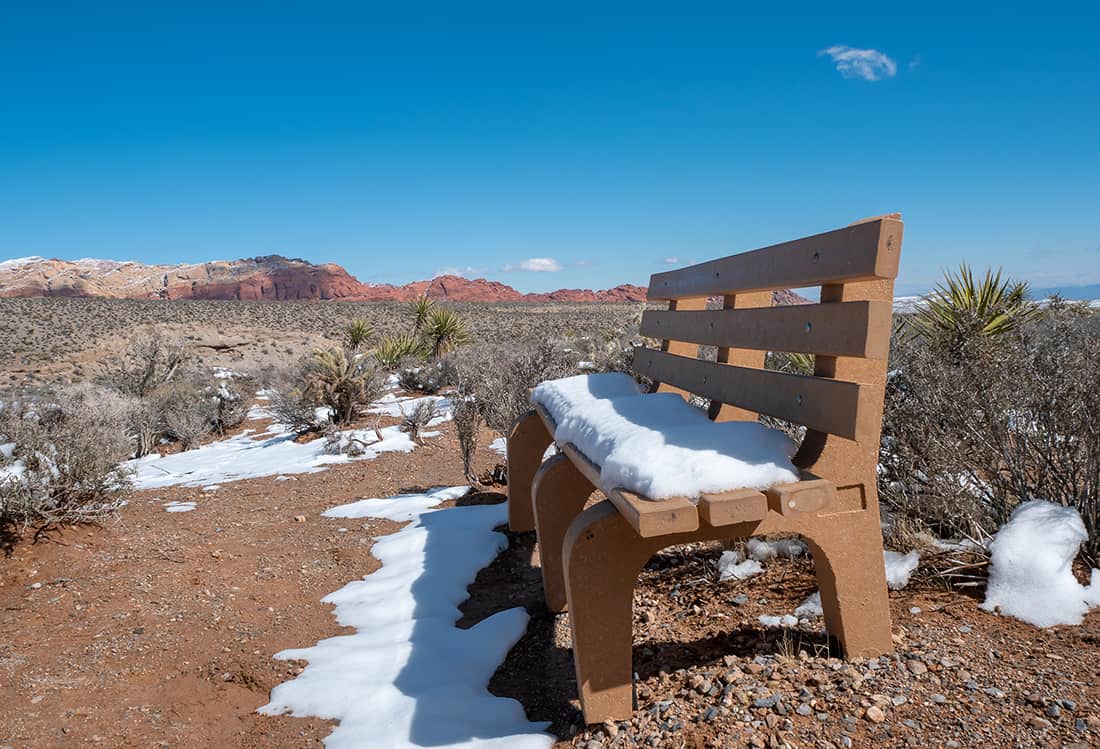
While Las Vegas itself rarely sees significant snow, the surrounding regions of Nevada offer abundant opportunities to experience a genuine winter wonderland. Just a short drive from the glittering lights of The Strip, you can trade your resort wear for snow boots and immerse yourself in snowy landscapes.
Mount Charleston: A True Winter Getaway
The most accessible and popular destination for snow experiences near Las Vegas is Mount Charleston. Part of the Spring Mountains National Recreation Area, Mount Charleston is located just an hour’s drive northwest of the city. Rising to nearly 12,000 feet (3,658 meters), its higher elevations consistently receive substantial snowfall throughout the winter months, typically from November through April.
Here, you’ll find a completely different environment: alpine forests of pine and fir, crisp mountain air, and, of course, plenty of snow. Mount Charleston is a fantastic destination for various winter activities:
- Skiing and Snowboarding: Lee Canyon Ski Resort (formerly Las Vegas Ski & Snowboard Resort) offers slopes for all skill levels, rentals, and lessons. It’s a convenient option for a day of shredding without traveling far.
- Snowshoeing and Cross-Country Skiing: Numerous trails wind through the snowy landscapes, perfect for those seeking a peaceful outing.
- Sledding and Snow Play: Designated areas provide safe spots for families and children to enjoy tubing and building snowmen.
- Hiking: Even in winter, lower elevation trails can be hiked, offering stunning views of snow-capped peaks.
- Cozy Accommodations: The Mount Charleston Lodge offers a rustic escape, perfect for warming up by a fireplace after a day in the snow.
A trip to Mount Charleston offers a delightful contrast to the desert below, making it an essential experience for those visiting Las Vegas during the colder months who crave a taste of winter. It’s a prime example of how Nevada offers diverse travel experiences, from luxury resorts to outdoor adventure, all within a compact region.
Other Nearby Mountain Ranges and Activities
Beyond Mount Charleston, other higher elevations in Nevada and neighboring states like California and Utah offer further winter opportunities, though they require a longer drive.
- Red Rock Canyon National Conservation Area: While it doesn’t get the same consistent snowfall as Mount Charleston, Red Rock Canyon occasionally sees light dustings on its vibrant red cliffs during very cold winter storms. When this happens, the contrast of white snow against the crimson rocks is truly breathtaking, offering incredible photo opportunities for visitors. Even without snow, winter is an excellent time for hiking and rock climbing here, as the temperatures are mild and pleasant.
- Grand Canyon: A popular day trip or overnight excursion from Las Vegas is the Grand Canyon, particularly the South Rim in Arizona. During winter, the Grand Canyon often receives significant snowfall, transforming its immense vistas into a majestic, snow-covered landscape. The serene atmosphere, coupled with fewer crowds, makes a winter visit to the Grand Canyon a truly unforgettable experience, distinct from its summer appearance.
- Utah: For serious skiers and snowboarders, the world-class resorts of Utah, such as Park City, are within a few hours’ drive, offering abundant powder and extensive terrain. This is more of a multi-day trip but showcases the regional diversity available for winter sports enthusiasts.
These destinations expand the travel possibilities around Las Vegas, turning a city trip into a multi-faceted adventure that can include both urban excitement and serene winter escapism.
Planning Your Winter Visit to Las Vegas
Visiting Las Vegas in winter, whether you’re hoping for a rare glimpse of snow or planning a day trip to the mountains, requires a bit of planning to make the most of your travel and tourism experience. The city transforms slightly in the cooler months, offering different attractions and advantages.
Packing Essentials and Travel Tips
Even though Las Vegas winters are generally mild, packing smart is crucial, especially if you plan to venture to higher elevations.
- Layering is Key: For the city, bring light jackets, sweaters, and long-sleeved shirts. Days can be sunny and pleasant, but evenings get chilly quickly.
- For Mountain Trips: If Mount Charleston or Red Rock Canyon are on your itinerary, pack warmer gear: a heavy coat, waterproof pants, gloves, a hat, and waterproof boots. Snow can be deep, and temperatures much colder than in the valley.
- Comfortable Walking Shoes: Regardless of the season, exploring The Strip requires a lot of walking.
- Sun Protection: The desert sun is strong year-round. Don’t forget sunscreen, sunglasses, and a hat, even on cooler days.
- Hydration: The dry desert air can be dehydrating. Drink plenty of water.
Travel Tips:
- Book in Advance: While winter isn’t peak summer season, major holidays like New Year’s Eve or Super Bowl weekends see huge crowds. Book flights, hotels, and popular show tickets well in advance.
- Rent a Car for Day Trips: If you plan to explore beyond The Strip (especially to Mount Charleston), a rental car offers flexibility. Check road conditions for mountain passes, as they can sometimes close due to heavy snow.
- Take Advantage of Lower Crowds (Non-Holiday): Outside of major events, winter can offer a more relaxed experience with potentially better deals on accommodation and flights compared to the bustling spring and fall shoulder seasons. This is ideal for those seeking budget travel options.
Enjoying Las Vegas Without Snow
Even if Las Vegas doesn’t experience its rare snow event during your visit, the city remains a premier travel destination, offering an abundance of activities and attractions perfectly suited for the cooler winter months. The comfortable temperatures make outdoor exploration much more enjoyable than in the sweltering summer.
- Explore Outdoor Landmarks: Winter is the perfect time to visit natural landmarks that would be too hot in summer. Consider a scenic drive through Red Rock Canyon or a trip to the impressive Hoover Dam and Lake Mead without the intense heat. Even a short drive to the eerie beauty of Death Valley National Park becomes feasible.
- Golfing: Las Vegas boasts numerous world-class golf courses. Winter offers ideal golfing weather, free from extreme heat.
- Pools and Spas: While outdoor pools might be too chilly for some, many resorts like Bellagio or Caesars Palace offer heated pools or luxurious indoor spa facilities, providing a relaxing escape.
- Shows and Entertainment: The city’s legendary live shows, residencies by global superstars, and Cirque du Soleil productions are year-round attractions, providing ample indoor entertainment options.
- Culinary Scene: Las Vegas is a foodie paradise. Winter is an excellent time to explore its diverse dining options, from celebrity chef restaurants to casual eateries.
- Shopping: From high-end boutiques at the Forum Shops at Caesars to outlet malls, indoor shopping is a popular pastime.
- Conventions and Business Stays: Winter also sees a busy convention season. Business travelers will appreciate the cooler weather when navigating the city.
Accommodation Choices for Winter Months
Las Vegas offers an unparalleled range of accommodation options, from opulent luxury resorts to more budget-friendly hotels and long-term stay apartments. During winter, consider amenities that enhance a cooler-weather stay.
- Resorts with Indoor Amenities: Look for hotels like the Venetian Resort or Wynn Las Vegas that offer extensive indoor options, including heated pools, world-class spas, impressive shopping arcades, and diverse dining experiences, ensuring your entertainment isn’t solely reliant on outdoor weather.
- Suites and Villas: For luxury travel or family trips, suites or villas provide ample space and comfort, often with fireplaces or cozy lounge areas, perfect for winter evenings.
- Budget-Friendly Options: Many hotels off The Strip offer great value, especially during non-holiday periods in winter, allowing you to enjoy Las Vegas on a tighter budget.
- Reviews and Comparison: Always check recent reviews, particularly regarding heating and indoor facilities, to ensure your chosen accommodation meets your expectations for a winter visit. Websites dedicated to accommodation booking and comparison can be invaluable here.
In conclusion, while a snowy Las Vegas is a captivating rarity, the city’s winter appeal lies in its comfortable temperatures, endless indoor entertainment, and the easily accessible snowy landscapes of nearby Mount Charleston and the majestic Grand Canyon. It offers a unique blend of urban excitement and natural beauty, making it a fantastic winter travel destination for all types of visitors.
LifeOutOfTheBox is a participant in the Amazon Services LLC Associates Program, an affiliate advertising program designed to provide a means for sites to earn advertising fees by advertising and linking to Amazon.com. Amazon, the Amazon logo, AmazonSupply, and the AmazonSupply logo are trademarks of Amazon.com, Inc. or its affiliates. As an Amazon Associate we earn affiliate commissions from qualifying purchases.