
Las Vegas, a shimmering oasis nestled within the vast expanse of the Mojave Desert in Nevada, is globally renowned for its vibrant entertainment, luxurious resorts, and electrifying nightlife. Yet, amidst the dazzling lights and endless attractions, a fundamental characteristic often goes unnoticed by the millions of visitors who flock to this iconic city each year: its altitude. Understanding the elevation of Las Vegas is more than just a geographical detail; it offers insights into its unique climate, geographical setting, and even subtle influences on the travel experience. For those planning a trip, delving into this aspect can enhance preparedness, inform activity choices, and provide a deeper appreciation for the city’s distinctive environment. This article will explore the specific elevation of Las Vegas, its geographical context, the practical implications for travelers, and how it shapes the overall tourism and lifestyle experience in this extraordinary desert destination. From the moment you touch down, the elevation of the Las Vegas Valley begins to play a quiet, yet significant, role in your adventure, influencing everything from the dry desert air you breathe to the breathtaking vistas awaiting exploration.
Understanding Las Vegas’s Elevation
The elevation of Las Vegas is a crucial aspect of its identity, influencing its desert climate and the surrounding landscape. Unlike cities situated at sea level or in mountainous regions, Las Vegas occupies a distinct position that shapes the very fabric of its environment and the experiences it offers to travelers.
The Specifics: How High is Las Vegas?
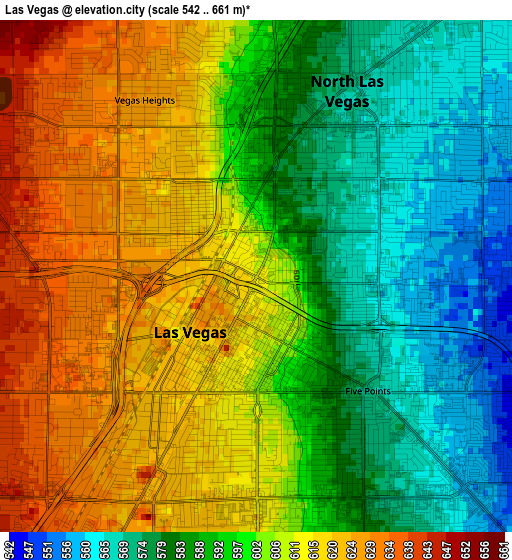
At its core, the city of Las Vegas rests at an average elevation of approximately 2,000 feet (about 610 meters) above sea level. This figure, however, represents an average for the sprawling Las Vegas Valley. Within this expansive urban area, the elevation can vary slightly, with some areas being marginally lower and others, particularly closer to the foothills of the surrounding mountain ranges, reaching higher points. For instance, the famous Las Vegas Strip itself sits around 2,000 to 2,200 feet (610 to 670 meters).
When compared to other major metropolitan areas, Las Vegas’s altitude is moderate. It’s significantly higher than coastal cities like Los Angeles, California, which is near sea level, but considerably lower than true high-altitude cities such as Denver, Colorado, which typically sits around 5,280 feet (1,609 meters), or Mexico City, which is over 7,000 feet (2,200 meters). This moderate elevation means that while some travelers might notice the drier air, severe altitude sickness is extremely rare for most visitors to Las Vegas. Understanding this specific elevation helps set realistic expectations for visitors regarding climate and potential physical effects, ensuring a more comfortable and enjoyable trip. For those considering a long-term stay or an extended vacation, this detail also plays into the overall lifestyle and comfort of the region.
Geographical Context: The Great Basin and Mojave Desert
The elevation of Las Vegas is intimately tied to its unique geographical location within the broader landscape of the western United States. It is situated on the southern fringes of the Great Basin Desert, a vast physiographic region characterized by internal drainage and numerous north-south trending mountain ranges separated by valleys. More specifically, Las Vegas is firmly planted in the Mojave Desert, renowned for its extreme aridity, iconic Joshua Trees, and dramatic rock formations.
The city is cradled by several prominent mountain ranges that define its horizon and contribute to its “valley” designation. To the west, the majestic Spring Mountains rise steeply, with Mount Charleston reaching over 11,900 feet (3,627 meters) – a dramatic contrast to the city below. To the east and south, smaller ranges like the Frenchman Mountains and Sloan Canyon ranges enclose the Las Vegas Valley. These geological features play a significant role in the local climate, creating a rain shadow effect that contributes to the desert’s extreme dryness and hot temperatures. The surrounding terrain, from the rugged beauty of Red Rock Canyon National Conservation Area to the vast, open desert, is a direct consequence of these geological forces and the region’s overall elevation. This dramatic backdrop not only provides stunning scenic drives and opportunities for outdoor adventure but also shapes the very air quality and microclimates experienced within the city, making Las Vegas a truly unique destination for travel and tourism.
The Impact of Altitude on Your Las Vegas Experience
While Las Vegas’s altitude isn’t considered “high,” its moderate elevation, combined with the extreme desert climate, does have noticeable effects that travelers should be aware of to ensure a comfortable and enjoyable stay. These impacts range from subtle health considerations to significant influences on the local weather patterns.
Health and Well-being Considerations for Travelers
For most visitors, the altitude of Las Vegas will not pose significant health challenges. However, the combination of moderate elevation and the desert’s extreme aridity can lead to increased rates of dehydration. The air is naturally drier at 2,000 feet above sea level, and this effect is compounded by the low humidity characteristic of the Mojave Desert. Travelers may find themselves getting thirsty more quickly or experiencing dry skin and nasal passages. The desert sun, too, is more intense at this elevation, meaning that UV radiation can be stronger, increasing the risk of sunburn.
To mitigate these effects and ensure a pleasant travel experience, it’s crucial for visitors to prioritize hydration. Drinking plenty of water, even more than you might typically consume, is essential, especially when enjoying outdoor attractions or walking the bustling Las Vegas Strip. Sun protection, including high-SPF sunscreen, hats, and sunglasses, is highly recommended. While rare, individuals with pre-existing respiratory or cardiovascular conditions, or those who are unaccustomed to dry climates, might experience mild symptoms like shortness of breath or fatigue, particularly during strenuous activity. Taking it easy upon arrival, especially if you’re coming from a much lower elevation, and avoiding excessive alcohol consumption during your first day can help your body adjust. These tips are particularly relevant for Lifestyle travel, whether it’s a family trip or a business stay, as comfort directly impacts the quality of the experience.
Climate and Weather Patterns
The elevation of Las Vegas plays a fundamental role in shaping its iconic desert climate. Sitting at 2,000 feet, the city experiences greater temperature extremes than locations at sea level, largely due to the thinner atmosphere that allows for more rapid heating and cooling. During the summer months, temperatures can soar well over 100°F (38°C), making it one of the hottest major cities in the United States. However, the dry heat characteristic of the desert, a direct result of low humidity influenced by elevation and geography, often feels more manageable than humid heat, though proper hydration remains critical.
Conversely, the nights in Las Vegas, even in summer, can cool down significantly due to the rapid radiation of heat from the desert floor into the thin, dry air. This phenomenon provides welcome relief and makes evening activities, such as exploring outdoor attractions or enjoying resort amenities, much more pleasant. Winters are generally mild and sunny, with daytime temperatures often in the 50s and 60s Fahrenheit (10-20°C), though nighttime temperatures can drop below freezing. Rainfall is scarce throughout the year, with the Mojave Desert being one of the driest regions in North America. The elevation contributes to this aridity by influencing atmospheric pressure systems and blocking moisture-laden air. For Travel guides and Tourism experiences, understanding these weather patterns is vital for packing appropriately and planning activities, from pool days at a luxury Hotel to excursions to nearby natural Landmarks.

Las Vegas Beyond the Strip: Exploring Elevated Landmarks and Natural Wonders
While the Las Vegas Strip is a spectacle of its own, the surrounding Las Vegas Valley and beyond offer a plethora of natural and man-made Landmarks that showcase varying elevations and provide unique experiences. Venturing out offers a different perspective on the region’s geography and the diverse Tourism options available.
High-Altitude Attractions and Activities
Just a short drive from the urban core, visitors can experience significant elevation changes and immerse themselves in the raw beauty of the Mojave Desert. The Red Rock Canyon National Conservation Area, located less than an hour west of the Strip, boasts a dramatic landscape of crimson peaks and sandstone cliffs. While the base of the scenic loop starts around 3,000 feet (914 meters), some of the popular hiking trails within the canyon ascend to higher points, offering panoramic views of the entire Las Vegas Valley. This area is a prime destination for Travel enthusiasts seeking hiking, rock climbing, and scenic drives.
Further afield, the majestic Spring Mountains rise to the west, home to Mount Charleston. This truly high-altitude destination, with its peak exceeding 11,900 feet (3,627 meters), offers a stark contrast to the desert floor. Here, temperatures can be 20 to 30 degrees Fahrenheit (10-17°C) cooler than in Las Vegas, and it even receives snow in winter, providing opportunities for skiing and snowboarding. During the warmer months, Mount Charleston is a popular retreat for hiking, picnicking, and enjoying alpine scenery. These elevated Landmarks provide incredible Experiences for families and outdoor adventurers, showcasing the diverse Lifestyle options beyond the casinos. Another notable Landmark nearby is the Hoover Dam, an engineering marvel situated within Black Canyon on the Colorado River, creating Lake Mead. While not defined by its high altitude, its dramatic setting within the canyon walls highlights the rugged topography of the region.
Views from Above: Experiencing Las Vegas from Different Heights
For those who wish to experience Las Vegas from an elevated perspective without leaving the city, several attractions offer breathtaking panoramic views. The STRAT Hotel, Casino & SkyPod, formerly known as the Stratosphere Tower, stands as the tallest freestanding observation tower in the United States at 1,149 feet (350 meters). Its observation decks offer unparalleled 360-degree vistas of the entire Las Vegas Valley, the surrounding Mojave Desert, and the distant mountain ranges. This iconic Landmark provides a unique vantage point to appreciate the city’s scale and its geographical context, making it a must-visit for any Tourism itinerary.
Another popular way to gain elevation and enjoy stunning views is via the High Roller, the world’s tallest observation wheel. Rising 550 feet (167 meters) above the Las Vegas Strip, its spacious cabins offer a rotating perspective of the city’s famous resorts, dazzling lights, and the natural beauty beyond. For an even more exhilarating aerial Experience, helicopter tours provide an unforgettable opportunity to soar above the Strip, over the Hoover Dam, and even into the majestic Grand Canyon. These aerial adventures not only offer incredible photo opportunities but also provide a profound sense of the vastness of the Mojave Desert and the contrast between the vibrant urban environment and the serene natural Landmarks. Such Travel experiences cater to a diverse range of Lifestyles, from luxury travelers seeking unique perspectives to adventure seekers looking for an adrenaline rush.
Planning Your Trip: Altitude-Aware Travel and Accommodation
Integrating an awareness of Las Vegas’s altitude into your trip planning can significantly enhance your comfort and overall enjoyment, whether you’re staying in a luxury resort or exploring the wider region. Thinking about the environment—from the dry air to the intense sun—helps shape smart decisions for Accommodation, Travel, and daily Lifestyle choices.
Choosing Your Stay: Hotels and Resorts with Altitude in Mind
While Las Vegas is not a high-altitude city in the traditional sense, the moderate elevation combined with the desert climate influences the design and amenities of its Hotels and Resorts. Most accommodations in the Las Vegas Valley are designed with traveler comfort in mind, particularly concerning the heat and dryness. Expect state-of-the-art air conditioning systems that provide a cool oasis from the outside temperatures. Many Hotels and Resorts emphasize water features, expansive pools, and indoor attractions to help guests escape the sun and stay refreshed.
When selecting Accommodation, consider properties that offer ample access to hydration, whether through mini-fridges in rooms, readily available water stations, or diverse dining options that cater to refreshing drinks. While there aren’t specific “high-altitude hotels” in the main urban area, properties further out, such as those in Henderson or near Lake Las Vegas, might offer slightly different microclimates due to minor elevation differences or proximity to water bodies, although the primary considerations remain consistent across the valley. For a long-term stay, checking reviews regarding in-room climate control and access to amenities that help combat the dryness can be particularly useful. Ultimately, nearly all Las Vegas Hotels are well-equipped to ensure a comfortable stay, making your booking choices more about desired Lifestyle and Amenities than specific altitude adjustments.
Maximizing Your Las Vegas Experience
To truly maximize your Las Vegas Experience, embrace the city’s unique desert environment, keeping its altitude and climate in mind. Hydration is paramount: carry a reusable water bottle and refill it frequently. This simple step can prevent fatigue, headaches, and other minor discomforts that might detract from your Travel plans. Sun protection, including sunscreen, hats, and sunglasses, is crucial, especially if you plan to explore outdoor Landmarks like Red Rock Canyon National Conservation Area or spend time by the pool.
Pacing yourself is another key tip, particularly if you’re engaging in strenuous activities or arriving from a low-elevation area. While Las Vegas is known for its non-stop Lifestyle, taking breaks in air-conditioned interiors, enjoying a leisurely meal, or relaxing at a spa can help you conserve energy. For Tourism activities, consider the time of day: mornings and evenings are often ideal for outdoor explorations during hotter months, leaving the scorching midday for indoor attractions, museums, shopping, or casino floors. Utilizing Travel guides that suggest seasonal activities can also be incredibly helpful. Whether you’re indulging in luxury Experiences, exploring local culture and food, or embarking on family trips, being altitude-aware allows you to comfortably enjoy every facet of this extraordinary desert destination, ensuring your trip is as vibrant and memorable as the city itself.
Conclusion
The altitude of Las Vegas, averaging around 2,000 feet above sea level, is a subtle yet significant characteristic that shapes much of the city’s unique identity. Nestled within the vast Mojave Desert and framed by the impressive Spring Mountains, this moderate elevation contributes directly to the arid climate and dramatic landscapes that define the region. While it’s not high enough to cause severe altitude sickness for most visitors, understanding its implications for hydration, sun exposure, and temperature extremes can significantly enhance a traveler’s comfort and enjoyment.
From planning your Accommodation in world-class Hotels designed for the desert heat to exploring breathtaking Landmarks like Red Rock Canyon National Conservation Area or soaring above the Las Vegas Strip in a helicopter, an awareness of the elevation enriches every aspect of the Travel and Tourism experience. It encourages smart choices, such as prioritizing hydration and sun protection, and informs the best times to engage in outdoor activities. Ultimately, Las Vegas offers a unique Lifestyle where dazzling urban entertainment meets stunning natural beauty. By appreciating its geographical context and preparing for its moderate altitude, visitors can truly unlock the full potential of this unparalleled destination, ensuring a vibrant, comfortable, and unforgettable adventure in the heart of Nevada.